Hina Kano’s Journey in Blue Box: How She Truly Moves On from Unrequited Love
For fans of Blue Box (Ao no Hako), Hina Chono—often affectionately called Hina Kano—is one of those characters who sticks with you long after you’ve turned the last page or watched the final episode.
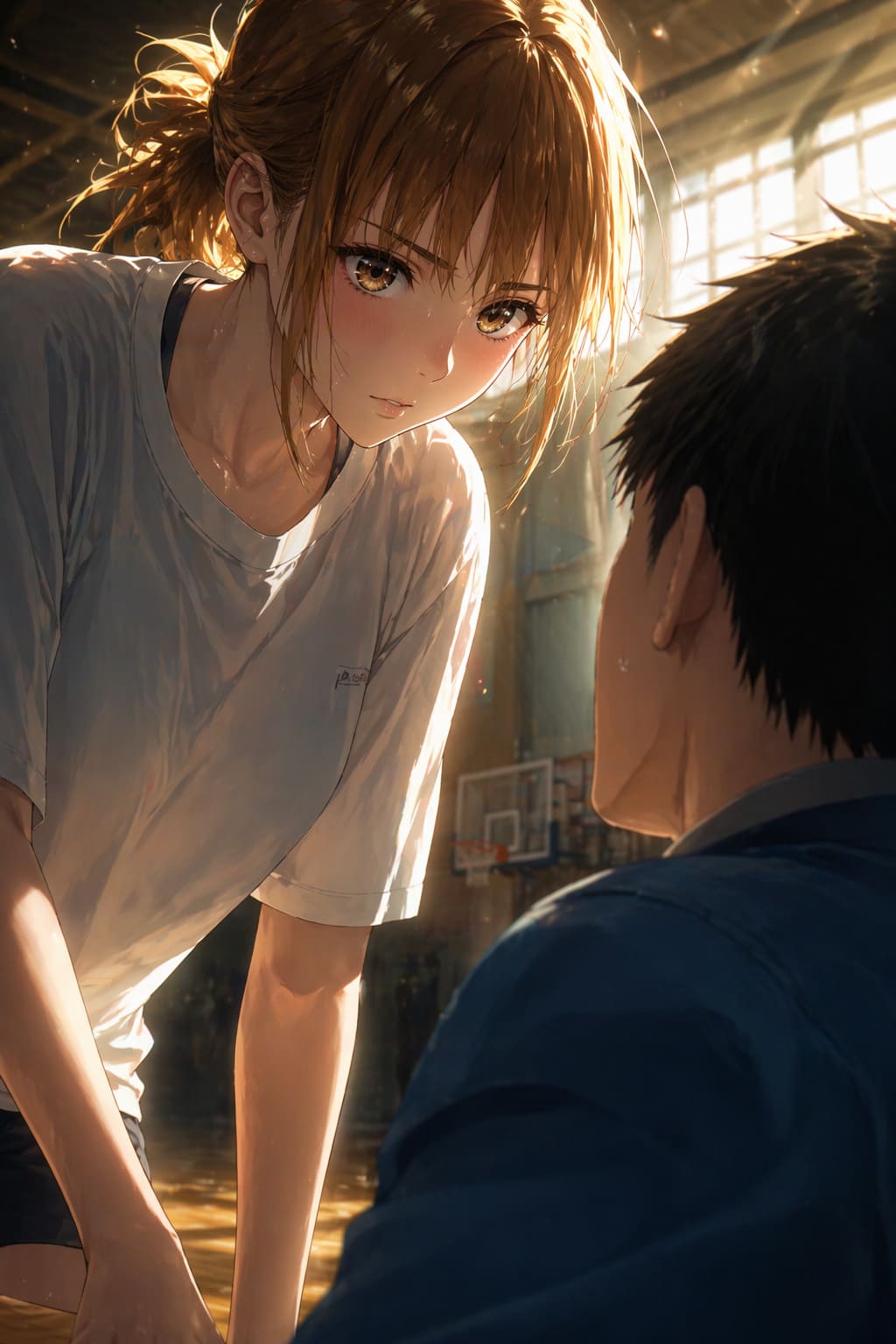
She’s not just another love triangle participant; she’s a national-level rhythmic gymnast, Taiki Inomata’s childhood friend, and arguably one of the most emotionally layered characters in the series.
If you’ve ever wondered, “Does Hina really move on?” then you’re in for a deep dive into her journey, heartbreak, and personal growth.
The Heartbreak That Shook the Fandom
The pivotal moment in Hina’s story comes around Chapter 77 of the manga and roughly at the climax of the anime’s first major season. After months of quietly loving Taiki and even trying to “pause” his feelings for her own protection, the truth finally emerges.
Taiki, with unwavering sincerity, rejects Hina, making it clear that while she is cherished as a friend, his heart belongs to Chinatsu Kano. Fans online reacted strongly to this scene, calling it “brutally necessary” but emotionally gut-wrenching.
What makes this scene resonate is its clarity—there’s no vague heartbreak or lingering hope. Taiki’s honesty is painful but realistic, and Hina’s initial devastation feels raw and relatable.
Hina’s Realistic Healing Process
Unlike many romance stories where the rejected character either disappears or immediately falls for someone else, Blue Box gives Hina the space to grieve, reflect, and rebuild herself. Her healing is neither linear nor instantaneous.
- Lingering Feelings: Even after the rejection, seeing Taiki and Chinatsu together triggers moments of suffocation for Hina. Her emotions aren’t ignored; they’re acknowledged and explored with a kind of realism that’s rare in romance manga.
- Bittersweet Memories: Events like the summer festival or fireworks evoke nostalgia, reminding Hina (and the audience) of her middle-school days with Taiki. These moments are painful, yet they emphasize that healing is a journey, not a switch you can flip.
- The Paused Friendship: For a while, Hina distances herself from Taiki to process her emotions. This “pause” is a subtle but important plot device, showing that sometimes the healthiest move is stepping back, even from someone you deeply care about.
Does Hina Actually Move On?
The short answer: yes—but slowly.
By Chapter 113, the manga signals a turning point. When asked by Kyo if she’s over Taiki, Hina’s genuine smile and direct gaze tell the reader everything: she is honest with herself and others about her progress.
However, moving on isn’t a straight path. Around Chapter 193, moments of “character regression” surface. Old feelings resurface when new conflicts arise, reminding readers that emotional healing isn’t neat or guaranteed. Still, by navigating these setbacks, Hina evolves from a character defined by unrequited love into one with her own independent goals and identity.
Signs of a Fresh Start
One of the most exciting hints that Hina is ready to embrace the future is her interactions with Haruto Yusa. While nothing is officially romantic yet, their chemistry suggests that the author, Kouji Miura, may be setting up Hina’s next chapter in love.
Fans on TikTok and Reddit have already started shipping this pairing, noting that Haruto seems capable of understanding Hina in ways Taiki never could. It’s a subtle but meaningful narrative cue: Hina isn’t defined by her heartbreak—she’s allowed to explore connections that complement her personality and ambitions.
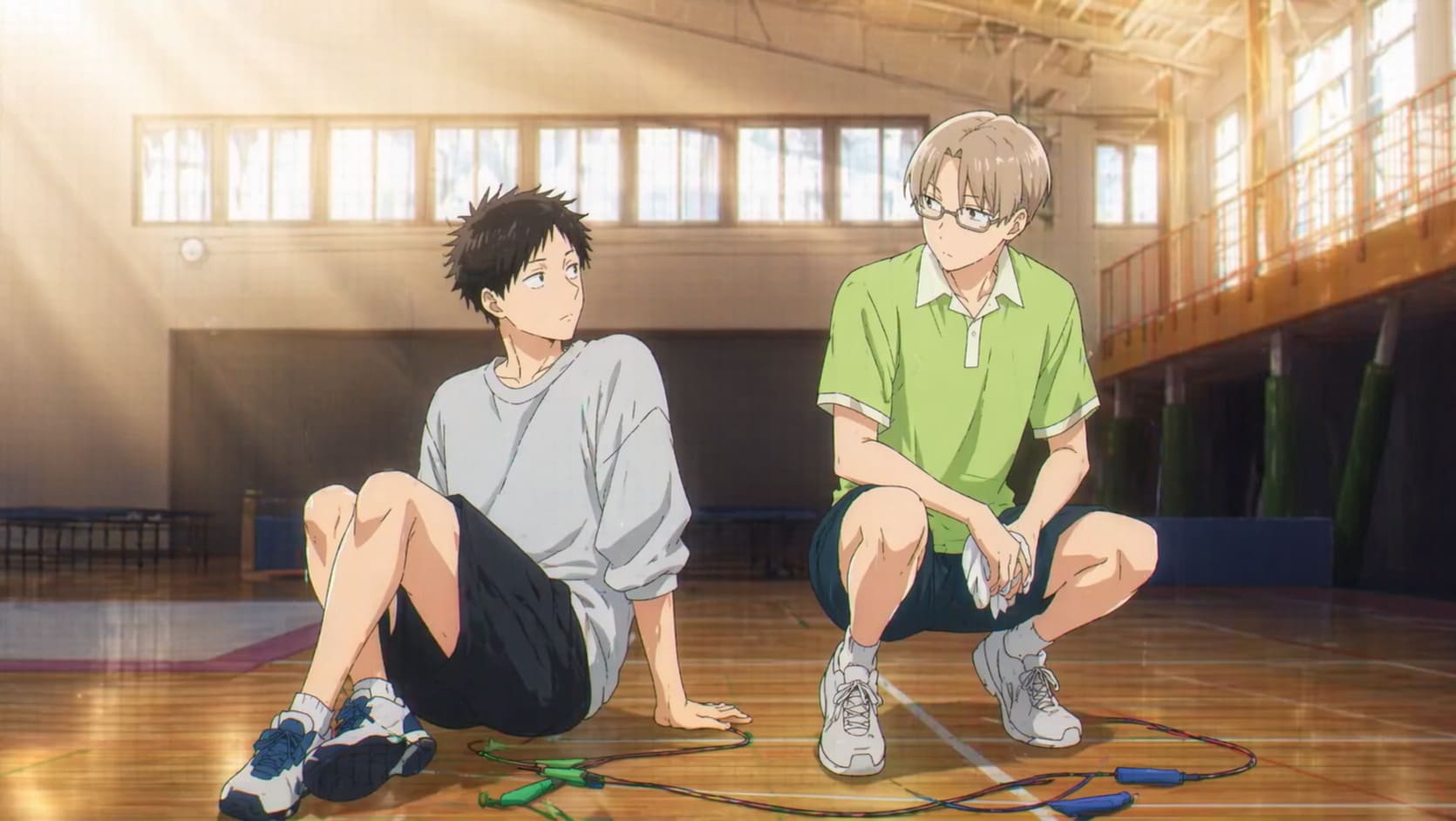
Why Fans Love Hina Chono
Hina’s popularity is no accident. She’s relatable, compelling, and multi-dimensional.
- Effort in Love: Hina shows that love isn’t a reward for persistence alone. Her journey reflects the reality of relationships: sometimes, the person you care about isn’t meant to reciprocate your feelings romantically.
- Personal Growth: From hiding from her feelings to openly confronting them, Hina transforms into a mature, resilient young woman capable of supporting her friends—even the one who caused her heartbreak.
- Professional Triumph: Even amid emotional turmoil, Hina excels as a gymnast, ranking third nationally. Her achievements underscore that she is not defined solely by romantic relationships.
For these reasons, Hina often ranks as a “best girl” in polls, not just for fans of romance but for anyone who appreciates characters with depth and personal strength.
Hina’s Ending: More than Romance
So, does Hina end up with Taiki? No—but that doesn’t make her story sad.
Hina’s arc emphasizes something more profound: self-acceptance, resilience, and the capacity for growth. By navigating heartbreak, taking time for herself, and opening up to new possibilities, she illustrates a form of happy ending that many romance stories overlook.
- Maintaining Friendship: Hina keeps Taiki as a friend, proving that emotional closure doesn’t require complete separation.
- Exploring New Relationships: Potential connections, like with Haruto, show that moving on doesn’t erase the past but rather builds toward a richer, more balanced future.
- Empowerment Through Achievement: Her gymnastics success mirrors her emotional journey: dedication, patience, and perseverance lead to real, tangible growth.
In short, Hina Chono isn’t defined by who she loses or loves—she’s defined by how she rises above adversity. That’s the kind of story that resonates long after the manga closes.
Why This Matters
Hina’s journey in Blue Box is refreshing because it refuses to romanticize rejection or trivialize emotional healing. For fans who love sports anime, romance, or character-driven storytelling, Hina’s arc is a reminder that:
- Unrequited love isn’t failure. It’s an opportunity to understand yourself better.
- Healing takes time. It’s okay for emotions to resurface; growth isn’t linear.
- Personal identity matters. Achievements and passions are just as important as romance.
In a series filled with heartfelt moments, Hina Chono stands out because her story feels alive, nuanced, and relatable—a rare gem in modern romance manga.
Final Thoughts
Hina Kano’s journey in Blue Box is a mix of heartbreak, self-discovery, and cautious optimism. While she doesn’t end up with Taiki, she achieves something arguably more important: a sense of self, emotional resilience, and hope for the future.
For fans who are just starting the anime or manga, Hina’s story is a gentle but powerful reminder that life—and love—aren’t about winning every heart. They’re about growing, healing, and eventually finding people and passions that complement the person you’re becoming.
Hina Chono moves on—not overnight, not without pain—but in a way that feels honest, earned, and deeply satisfying.