Devil May Cry 3: Manga vs Game – The Ultimate Guide to Lore Differences & Retcons
As a longtime fan of Devil May Cry, diving into the 2005 prequel manga by Shin-Ya Goikeda felt like opening a treasure chest of emotional depth and character drama—but it also left me scratching my head at times.
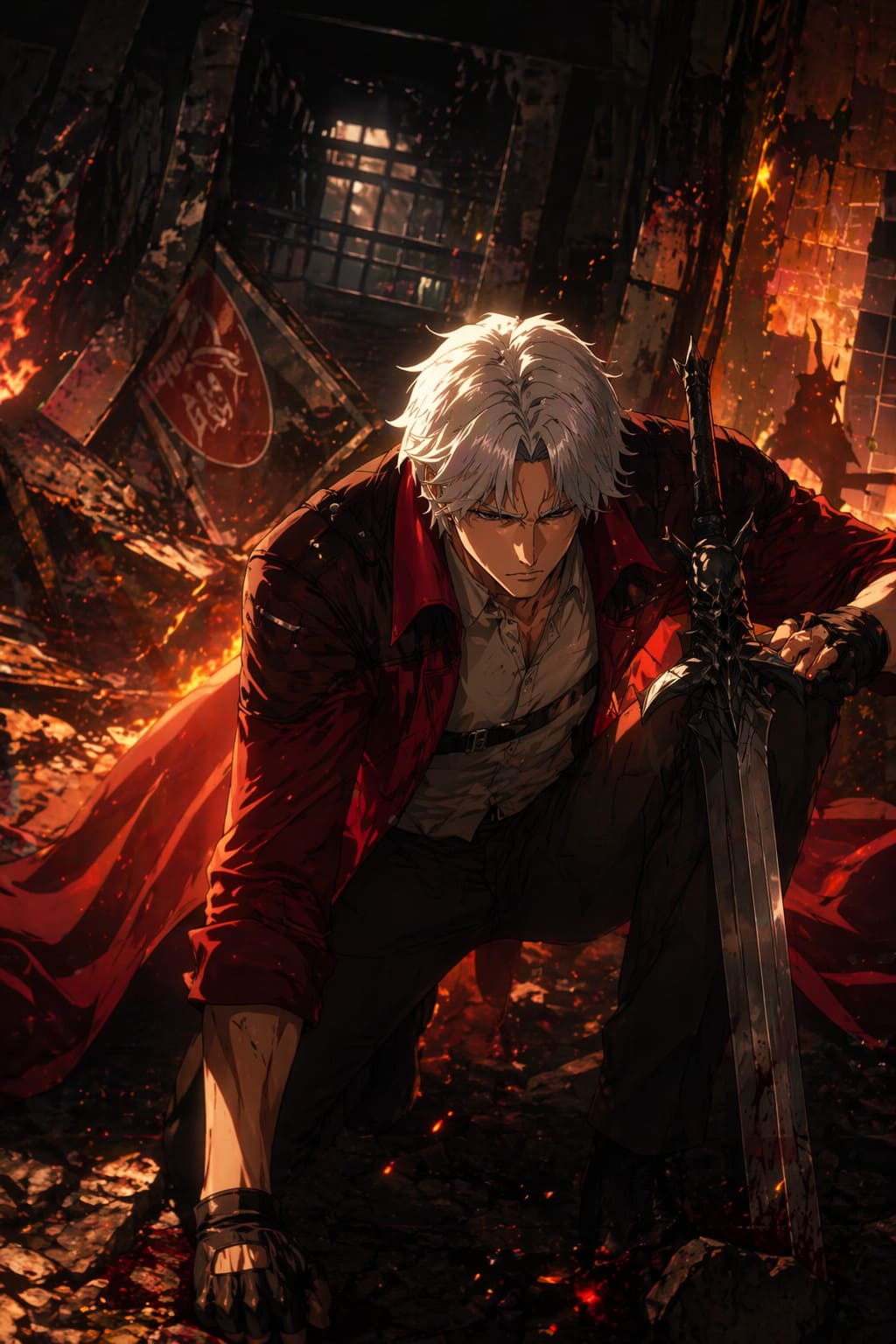
The manga was meant to bridge the gap between the brothers’ tragic childhood and the explosive events of Dante’s Awakening, but as I read, it became clear that Capcom’s game and the manga don’t always tell the same story.
Here’s a detailed, fan-first breakdown of the biggest inconsistencies and retcons between the Devil May Cry 3 manga and the legendary PS2 game.
Re:Zero Season 4: Where to Start the Light Novel After the Anime
1. The Devil Trigger Timeline Confusion
In the game, Dante’s first Devil Trigger (DT) is a monumental moment. During Mission 7, after Vergil stabs him with Rebellion, Dante’s dormant demonic power awakens, marking a turning point in both his abilities and self-confidence.
But the manga? It doesn’t play by the same rules. Early on, Vergil is shown activating his Devil Trigger well before the events of the game, effortlessly demonstrating his demonic prowess. Some fans argue this makes sense—Vergil has always been more in tune with his dark side—but it creates tension with Dante’s big, dramatic awakening. In other words: the manga subtly rewrites the timeline, and suddenly Dante’s milestone feels less “singular” and more like a shared family trait.
Key takeaway: Manga Vergil is basically the early bird of DT mastery, leaving Dante looking like he missed the memo.
2. Dante’s Personality: Wacky vs. Ruthless
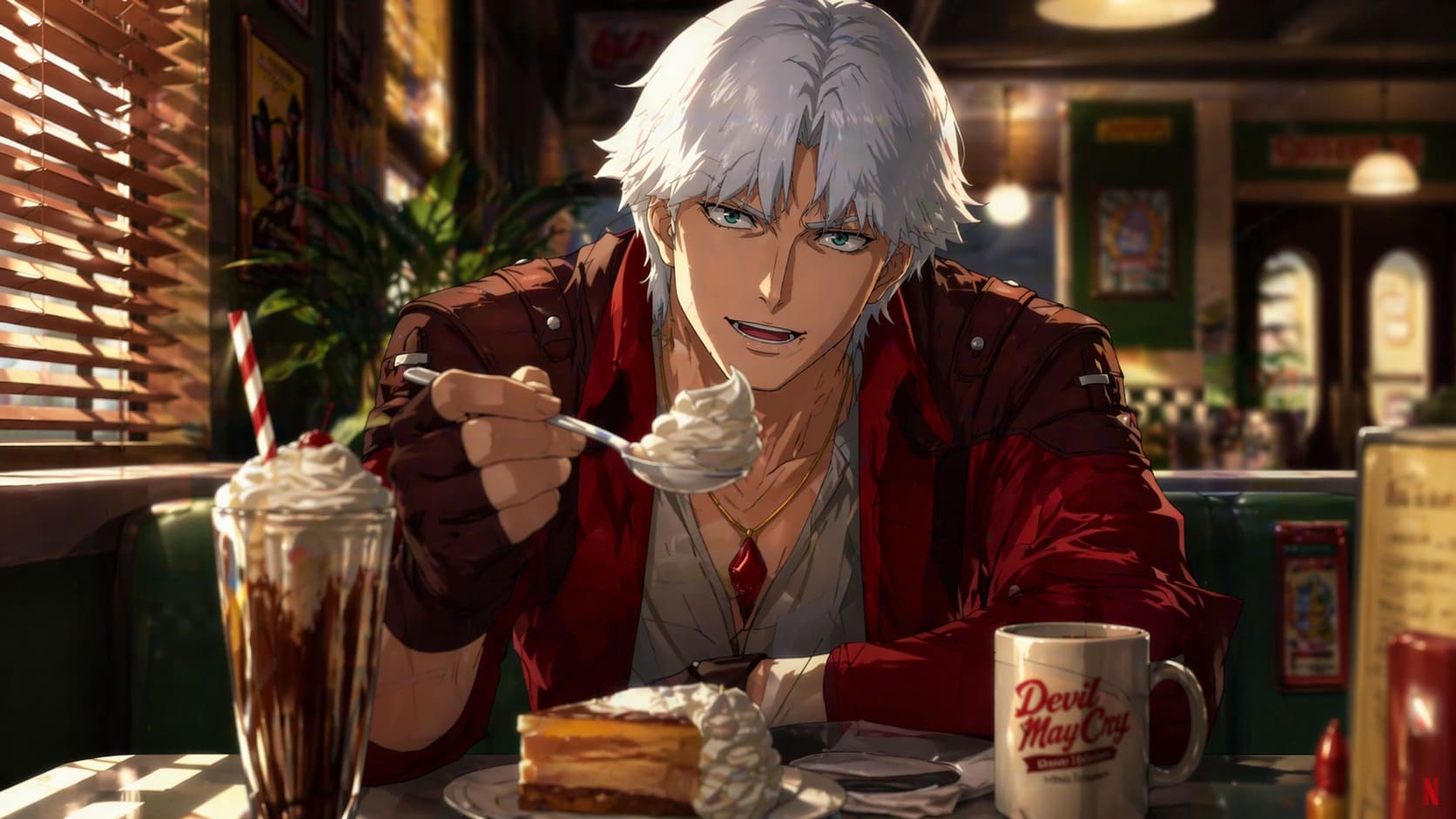
If you know Dante only from the game, you probably think of him as the “Goofy, Woohoo Pizza Guy”—cocky, jokey, and basically immune to terror because he masks everything with humor.
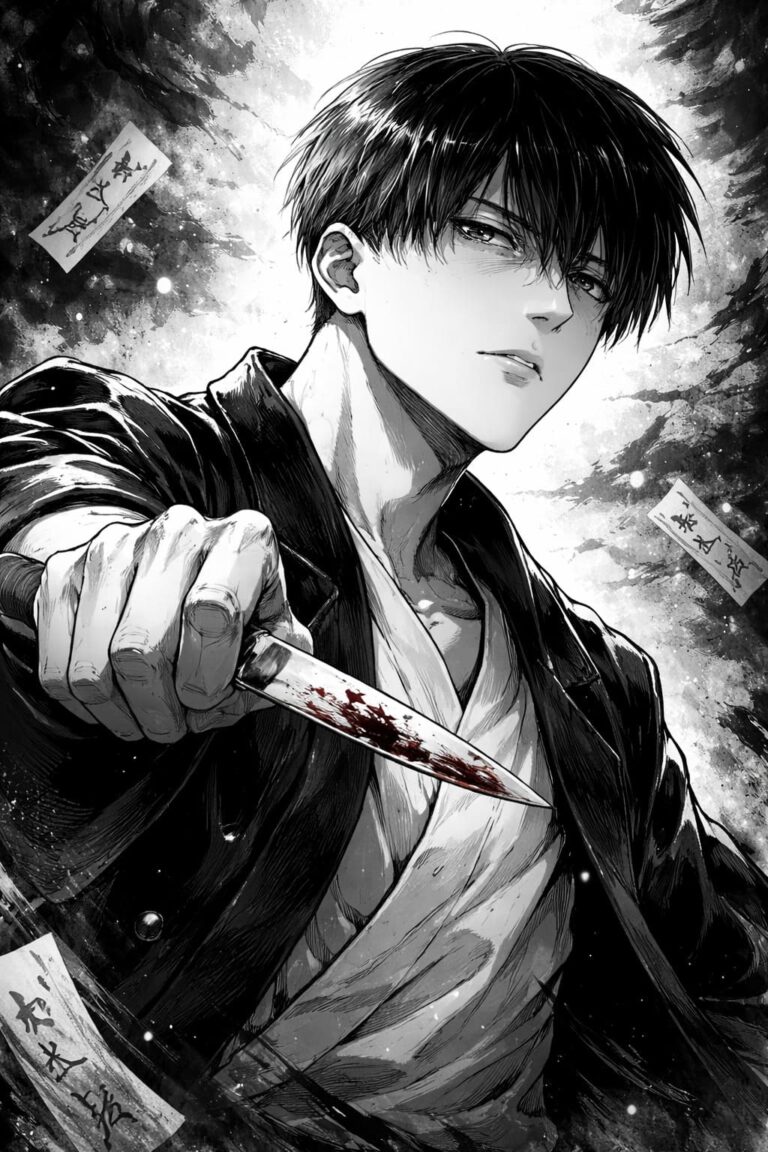
The manga takes a much darker tone. Dante is leaner, meaner, and more lethal, showing a side of him that feels like someone carrying fresh PTSD rather than a carefree demon slayer. The quips are gone, replaced with a quiet confidence that comes from pure skill and a hint of cynicism.
Honestly, reading the manga Dante was a little shocking at first. It’s like seeing your favorite comic hero suddenly decide the world isn’t funny anymore.
3. Vergil: Humanity vs. Cold Carnage
Vergil is always fascinating. In the game, he’s a cold, calculating antagonist, but you can sense that spark of honor and family loyalty, especially when he spares Dante and eventually teams up to stop Arkham.
The manga takes a harder line. Vergil here is practically a demonic force of nature, with near-zero emotional attachment and a focus on “get the job done” carnage. This makes his eventual reconciliation in the game feel even more dramatic—the manga paints him as far more extreme.
| Aspect | Manga Vergil | Game Vergil |
|---|---|---|
| Humanity | Almost none | Some loyalty & honor |
| Violence | Extreme | Controlled |
| Relationship with Dante | Distant, aggressive | Antagonist to ally arc |
| Power Display | Overwhelming | Growing throughout game |
4. The Mystery of Gilver
For hardcore lore nerds, the Gilver subplot is a delightfully messy corner of Devil May Cry history. In DMC1’s novel, Gilver (Dante’s partner) was theorized to be a disguised Vergil. Modern DMC5 materials later clarified Gilver as a “Proto-Angelo” clone created by Mundus.
The DMC3 manga predates this clarification, leaving its own subtle contradictions. Vergil’s teenage timeline and the brothers’ early interactions feel a little “floating in the void,” especially when you try to reconcile it with current canon.
5. Arkham’s Plan: More Detail or Confusion?
In the game, Arkham is the ultimate manipulator. He builds the Temen-ni-gru, aims to steal Sparda’s power, and delivers betrayal with grand flair.
The manga goes into the initial partnership between Arkham and Vergil, adding nuance to their dynamic, but stops short of completing the ritual. Fans are left with a different perspective on Arkham—more subtle schemer than theatrical villain—but the incomplete story makes some plot beats feel unresolved.
6. Lady’s Missing Arc
The manga was planned as a trilogy:
- Code 1: Dante
- Code 2: Vergil
- Code 3: Lady (never released)
Because the Lady volume never saw the light of day, her manga portrayal is incomplete. In the game, we see her evolution from a schoolgirl into a hardened demon hunter. The manga leaves her backstory in fragments, which makes her transformation feel less impactful and more like a dangling narrative thread.
Fun side note: as a fan, I kept imagining what Code 3 would’ve looked like. Rocket launcher + teenage angst = pure chaos.
7. Power Levels: Manga vs Game
One of the most noticeable differences is how overpowered manga Vergil is. While the game slowly scales the twins’ strength, manga Vergil often performs feats that dwarf the game’s boss fights. Dante is also noticeably more dangerous in the manga, which makes the PS2 battles feel a little… underwhelming if you compare them side by side.
Fan takeaway: The manga isn’t afraid of “power creep,” and it leans into action spectacle, whereas the game balances pacing and tension more carefully.
Is the Manga Still Canon?
Short answer: yes, with caveats. Capcom usually follows a “Game First” philosophy—if the game contradicts the manga, the game is correct. But the manga is invaluable for anyone wanting a deeper emotional window into Dante and Vergil’s early lives.
With the 2025–2026 resurgence of the franchise (hello, Netflix anime!), the manga feels fresher than ever. Even if the timeline has rough edges, it’s still the most intimate look we get at the Sparda twins before they became legend.
Final Thoughts
Reading the DMC3 manga is like sipping a strong espresso—dark, intense, and emotionally charged. It’s not a perfect match for the game, but it enriches the experience, giving us:
- Early Vergil badassery
- A darker, more complex Dante
- New insight into Arkham’s schemes
- Unfinished but tantalizing Lady story threads
If you’re a lore junkie, the manga is essential reading. Just remember: it’s the emotional prelude, not the definitive guide. Treat it like a behind-the-scenes peek into the Sparda Saga, quirks and all.