Hiraku’s Diplomatic Relations with the Demon Kingdom: Why the Demon King Fears a Farmer
If you’ve watched or read :contentReference[oaicite:0]{index=0}, you already know the premise sounds deceptively simple: a man gets reincarnated, starts farming, and lives peacefully. But the deeper you go, the more you realize this isn’t just a cozy isekai—it’s a subtle (and hilarious) story about power, perception, and accidental diplomacy.
At the center of it all is :contentReference[oaicite:1]{index=1}, a guy who just wants to grow good crops… while unknowingly becoming one of the most terrifying figures in the world.
A “Peaceful” Village That Looks Like a Threat to Nations
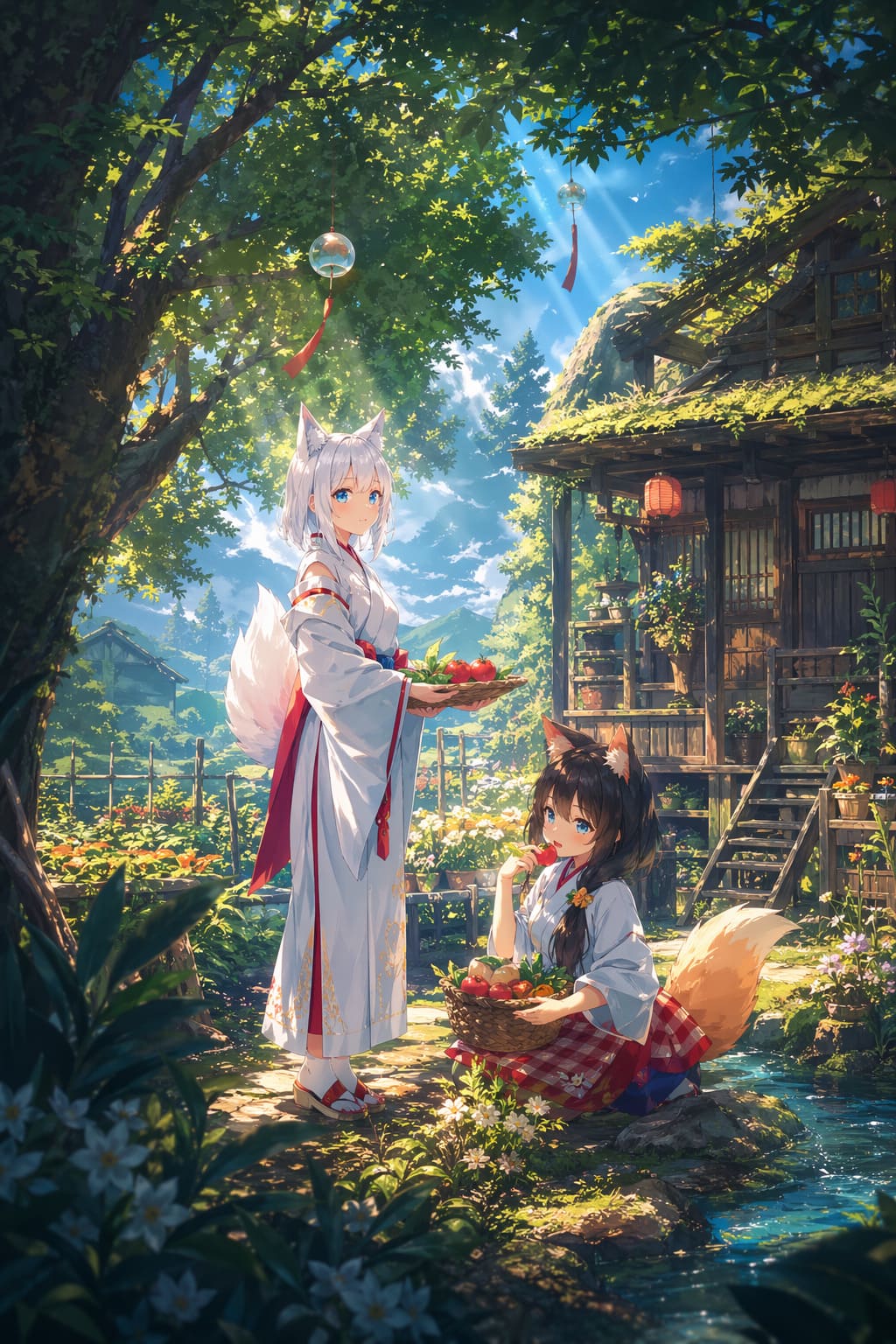
Hiraku’s home, Taiiki Village, sits in the infamous Forest of Death. On paper, that alone should be enough to scare off anyone—but what really makes it absurd is what lives there.
To Hiraku: friendly dogs, helpful spiders, and a quiet forest life. To everyone else: catastrophic-level beasts, a territory no army would dare invade, and a zone controlled by an unknown entity.
His so-called pets—Infernal Wolves and Demon Spiders—are essentially walking disasters in the outside world. The fact they obey him without question sends a very clear message to any observer: this man is not normal.
And then there’s his farming tool. What looks like a simple hoe is actually a divine artifact capable of killing dragons. Hiraku uses it to till soil, while others see it as a weapon of mass destruction casually being swung around like gardening equipment.
The Demon King’s Perspective: “We Should Not Provoke This Man”
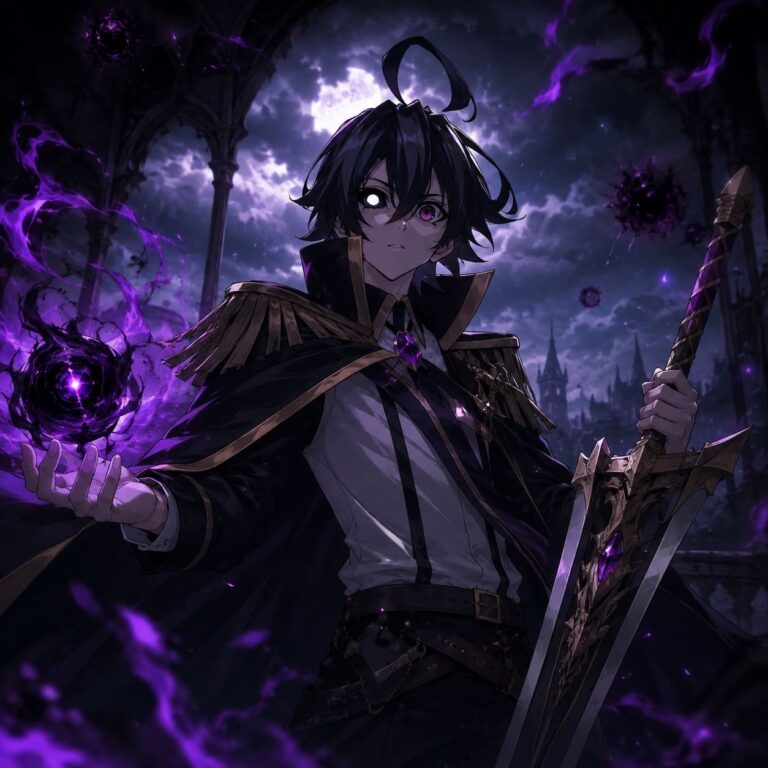
Let’s talk about :contentReference[oaicite:2]{index=2}, the Demon King.
By all accounts, Gargard is powerful, respected, and politically dominant. But when it comes to Hiraku, everything changes.
From Gargard’s point of view, Hiraku controls legendary monsters, hosts ancient beings, and has powerful races willingly living under him. That’s not a farmer—it’s a hidden final boss.
What makes this dynamic so entertaining is that Hiraku has zero idea this is happening. Gargard essentially treats him as a being that must never be angered under any circumstances, and there’s even the implication that if Hiraku ever turned hostile, the Demon Kingdom would submit rather than fight.
Farming Life in Another World Season 2: Village One, Two, and Three Explained & Release Date Rumors
Diplomacy Without Trying: Food > War
One of the most refreshing aspects of this story is how it flips traditional fantasy politics on its head. There are no grand negotiations or tense treaties. Instead, Hiraku wins people over with fresh vegetables, homemade alcohol, and high-quality goods.
In most isekai stories, power leads to conquest. Here, power leads to trade, cooperation, and curiosity. The Demon Kingdom doesn’t fear invasion—they fear losing access to Hiraku’s food.
Key Relationship Breakdown
| Aspect | Hiraku’s View | Demon Kingdom’s View |
|---|---|---|
| Himself | A farmer | A hidden supreme ruler |
| Village | Peaceful home | Strategic superpower |
| Monsters | Pets | Catastrophic threats |
| Diplomacy | Casual interaction | Critical survival strategy |
This mismatch in perception is exactly where the charm of the series shines.
The Role of Yuuri: From Mission to Staying Forever
:contentReference[oaicite:3]{index=3} was originally sent to investigate and possibly deal with Hiraku. Instead, she experiences the village, sees the lifestyle, and quickly realizes how absurdly powerful everything is.
Rather than returning as a conqueror, she stays. Not out of fear, but because the quality of life is better, Hiraku is genuinely kind, and the environment is stable and safe. She becomes an informal bridge between the Demon Kingdom and the village, helping maintain peaceful relations.
The “Dragon Advantage”
If the monsters weren’t enough, Hiraku also casually interacts with ancient dragons. When vampires, angels, and dragons are just hanging out at your dinner table, it sends a very strong geopolitical signal.
Even if Hiraku never intends it, this creates what is essentially a natural deterrent system. No kingdom wants to risk upsetting someone who commands monsters, hosts dragons, and doesn’t even realize how powerful he is.
Relationships as Soft Diplomacy
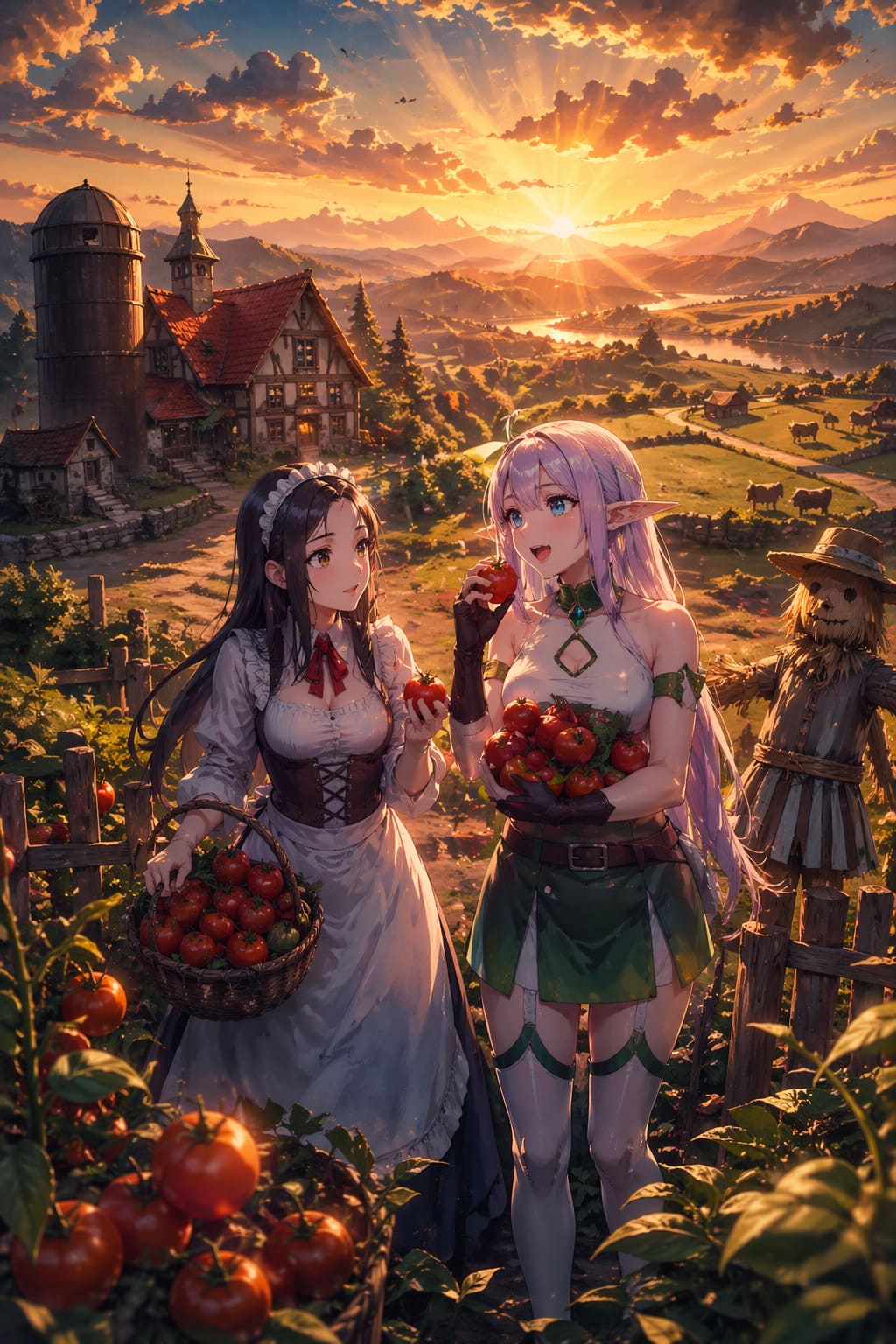
Another interesting layer is how relationships form in the village. Unlike typical political marriages in fantasy stories, there’s no scheming or forced alliances. Yet the outcome is surprisingly similar.
Many powerful individuals, especially from the demon race, end up living, working, and forming personal bonds in the village. From the Demon Kingdom’s perspective, this looks like their elite citizens are quietly relocating to serve someone else, which is both amusing and concerning.
Why This Story Feels Different
What makes this series stand out is that it doesn’t rely on conflict to stay engaging. Instead, it builds tension through misunderstandings, perspective gaps, and subtle world-building.
Hiraku has the power to dominate the world, but he chooses not to. That decision is what defines the tone of the story and makes it unique within the isekai genre.
Key Takeaways
- Power isn’t always loud — Hiraku’s strength is understated but overwhelming
- Perception shapes reality — others fear what Hiraku doesn’t even notice
- Soft power wins — food and comfort achieve what armies cannot
- Comedy through contrast — the gap between Hiraku and the world drives the story