The Warrior Princess and the Barbaric King Veor mother
If you came into The Warrior Princess and the Barbaric King expecting a straightforward “captured knight meets savage king” story, you probably already know—it’s anything but that.
What hooked me personally wasn’t just the tension between cultures or the slow-burn relationship, but that reveal.
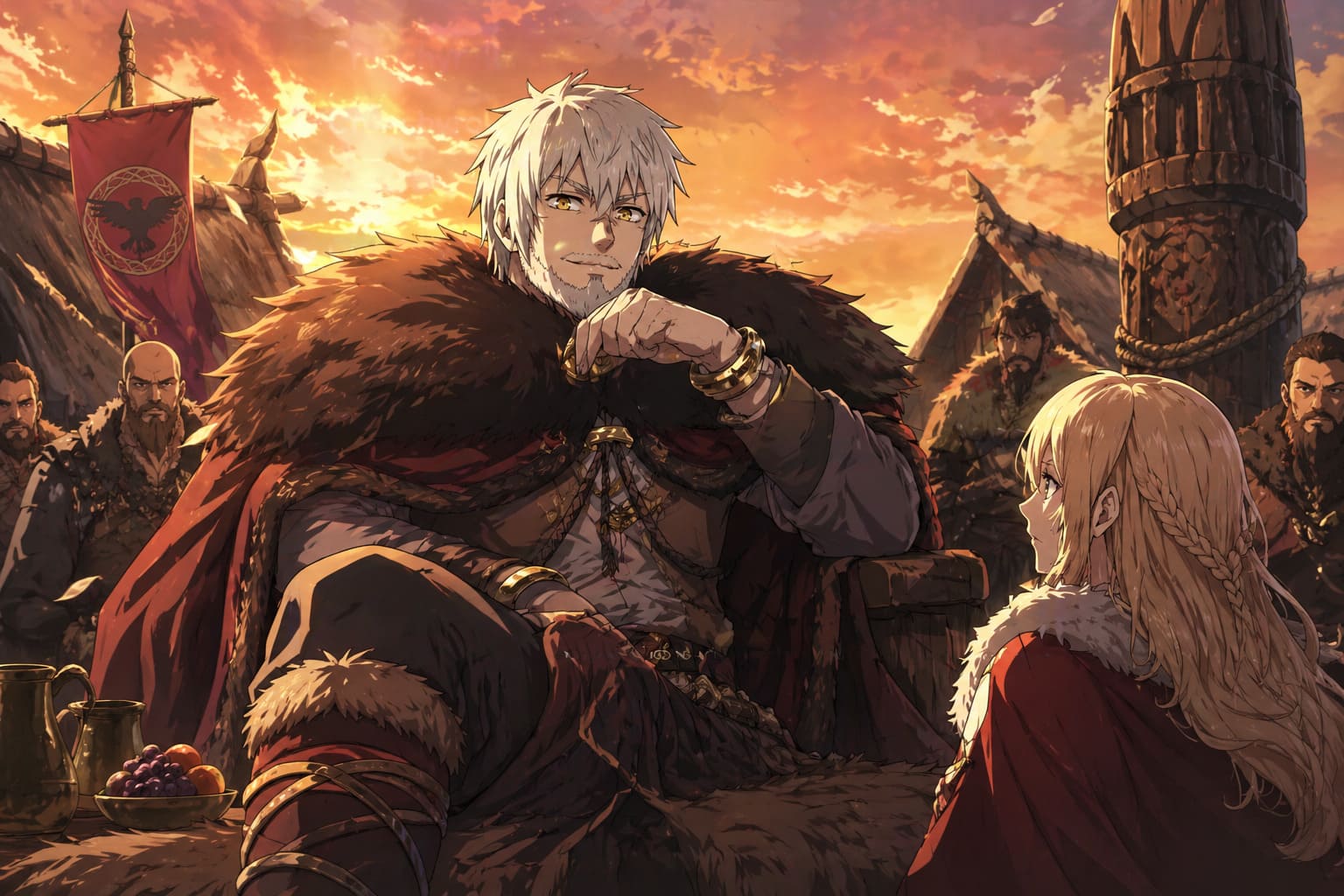
The one that completely flips everything you thought you understood about Veor, the so-called “barbarian” king.
Let’s talk about the emotional core of this twist: Wysteresia D’Illdoren—a name that carries weight, myth, and ultimately, truth.
Is The Beginning After the End Finished? 2026 Manhwa Status, Novel Ending, and Season 7 News
The Twist That Changes Everything
At first, Veor is introduced exactly how you’d expect: powerful, intimidating, and a product of the “uncivilized East.” But the story quietly plants seeds that something doesn’t quite add up. His composure, his restraint, even the way he treats Serafina—it all feels different.
Veor’s mother is Wysteresia D’Illdoren, a legendary Western knight and princess.
This isn’t just a plot twist for shock value. It’s a recontextualization of the entire narrative. Suddenly, the divide between “civilized” and “barbaric” starts to crumble.
Who Was Wysteresia D’Illdoren?
Wysteresia isn’t just some noblewoman who wandered off. She was the figure many young knights—including Serafina—looked up to.
- Royal Bloodline: A princess of Illdoren, raised in privilege and expectation
- Elite Warrior: A high-ranking knight, admired for both skill and leadership
- Symbol of Honor: Seen as the ideal of Western chivalry and discipline
And then she vanished. For years, the West believed she died during a campaign to suppress the eastern tribes. But the truth is far more complex and human.
Why She Chose the “Barbarians”
Wysteresia didn’t get captured. She didn’t lose her way. She chose to stay.
That decision is one of the most powerful narrative elements in the story. It speaks to deeper themes that go beyond romance or war.
- Disillusionment with the West: The kingdom she served wasn’t as noble as it claimed to be, as corruption and endless war shaped its true face
- Gender Constraints: Even as a strong warrior, she lived within rigid expectations placed on women
- A Different Kind of Strength in the East: Among the so-called “barbarians,” she found respect without pretense
Why This Hits Serafina So Hard
For Serafina, this isn’t just surprising—it’s deeply personal. She didn’t just admire Wysteresia; she built her identity around her example.
Discovering that her role model abandoned everything she believed in and chose the very people she was taught to hate forces Serafina into a complete reassessment of her worldview.
A Turning Point for Character Development
This revelation becomes the emotional pivot for Serafina’s journey. Instead of clinging to her old beliefs, she begins to confront uncomfortable truths about both her kingdom and herself.
- The West isn’t purely good
- The East isn’t purely evil
- Strength isn’t defined by status or origin
Guiding her through this transformation is Wysteresia herself, now no longer a legend but a living example of a different path.
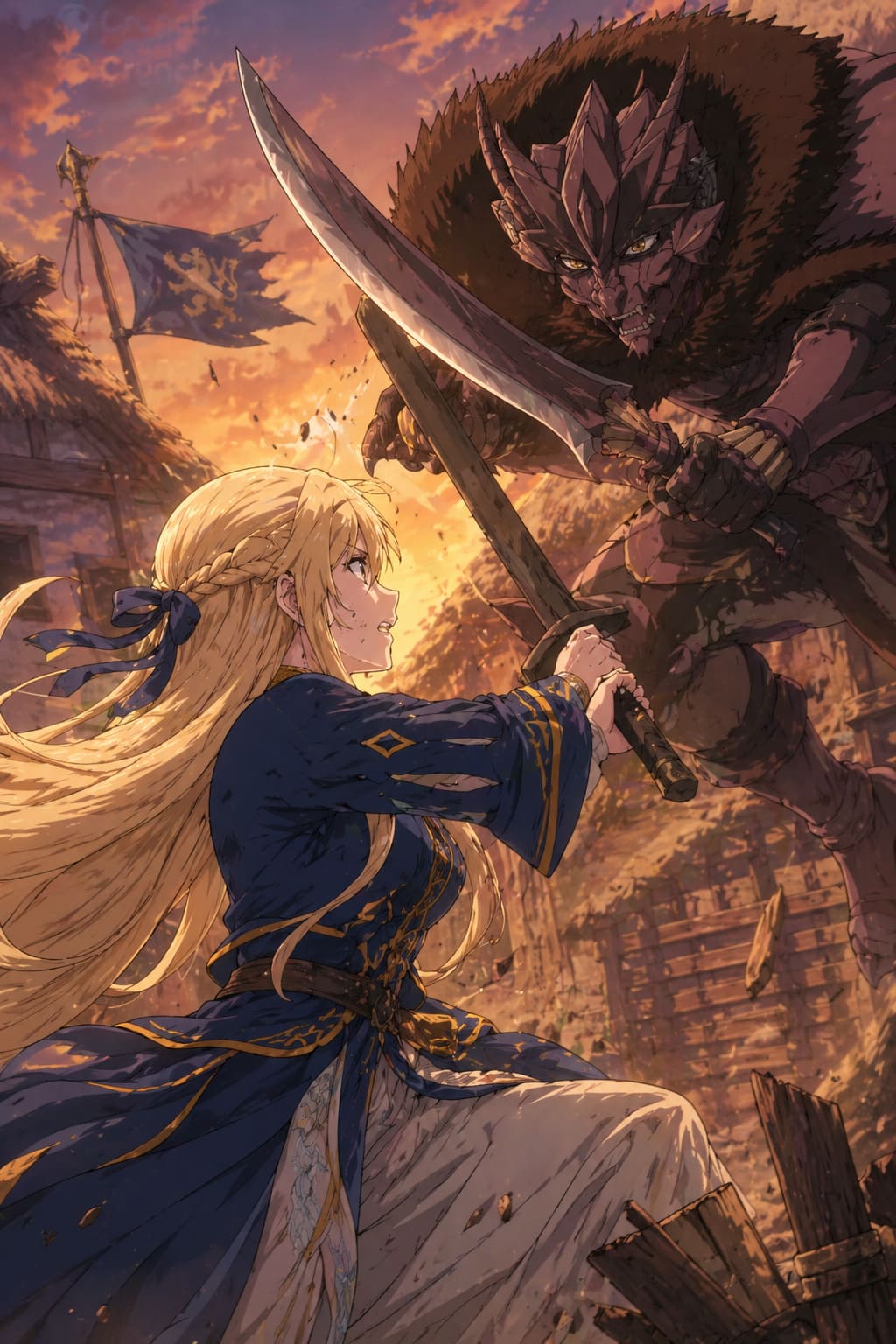
From Mother-in-Law to Mentor
One of the most compelling dynamics in the story is how Wysteresia evolves from a distant symbol into a personal mentor figure. She doesn’t impose her beliefs but instead allows Serafina to witness a different way of living.
- A bridge between two cultures
- A contradiction of everything Serafina was taught
- A guide who understands both worlds
Veor: The Product of Two Worlds
Veor’s character gains much deeper meaning once his heritage is revealed. While he appears to embody the archetypal barbarian leader, his actions consistently show restraint, intelligence, and emotional awareness.
This duality is what makes him stand out—not just as a powerful figure, but as someone shaped by two vastly different cultures.
| Trait | Origin |
|---|---|
| Physical strength | Barbarian lineage |
| Emotional restraint | Western upbringing |
| Leadership style | Blend of both cultures |
| View on partnership | Influenced by parents’ relationship |
The Deeper Theme: Who Are the Real “Barbarians”?
This is where the story becomes especially thought-provoking. The West labels the East as barbaric, yet many of its own actions suggest otherwise.
Questions naturally arise about who truly embodies cruelty, manipulation, and rigid control. In contrast, the East, though rougher in appearance, often demonstrates values rooted in honesty, strength, and earned respect.
Wysteresia’s decision quietly challenges the idea that civilization automatically equates to moral superiority.
Why This Plotline Works So Well
The reveal of Veor’s mother succeeds on multiple levels, making it one of the strongest elements of the story.
- Character Development: It deepens all central characters simultaneously
- World-Building: It challenges the established cultural divide
- Emotional Impact: It forces both characters and audience to reconsider assumptions
- Thematic Depth: It reinforces ideas about identity and choice
Personal Take as an Anime Fan
This is the kind of storytelling that stands out in a crowded genre. Instead of relying purely on action or romance, the narrative leans into internal conflict and ideological growth.
The real struggle isn’t just external battles but the challenge of redefining one’s beliefs when faced with uncomfortable truths.
That’s what makes this story memorable—it asks questions that linger long after the episode ends.
Final Thoughts
Wysteresia D’Illdoren is far more than a background character. She represents defiance, transformation, and the courage to choose a different path.
Her story reshapes the entire narrative of The Warrior Princess and the Barbaric King, turning it into a deeper exploration of identity, culture, and personal freedom.
And Veor stands as proof that identity is not something inherited—it is something forged between worlds.