Who is the Real Asa in Daemons of the Shadow Realm? Identity Twist Explained
When I first picked up Daemons of the Shadow Realm by Hiromu Arakawa, I expected something closer to a slow-burn rural fantasy. Instead, what I got was one of the most unsettling identity twists I’ve seen in manga in years—and honestly, it completely changed how I viewed the story.
If you’re confused about Asa (and trust me, most readers are at first), you’re not alone. The reveal isn’t just a plot twist—it redefines everything about Yuru, the village, and the entire conflict.
Let’s break it down from a fan perspective—no fluff, just what actually matters.
The Moment Everything Flips
At the beginning, we’re led to believe that Asa is the quiet, imprisoned girl inside Higashi Village. She’s fragile, mysterious, and treated almost like a sacred object.
But then the attack happens—and suddenly, the story pulls the rug out from under you.
The Asa we knew? Not real.
That realization hits hard because it’s not just a fake identity—it’s emotional manipulation baked into the foundation of the story.
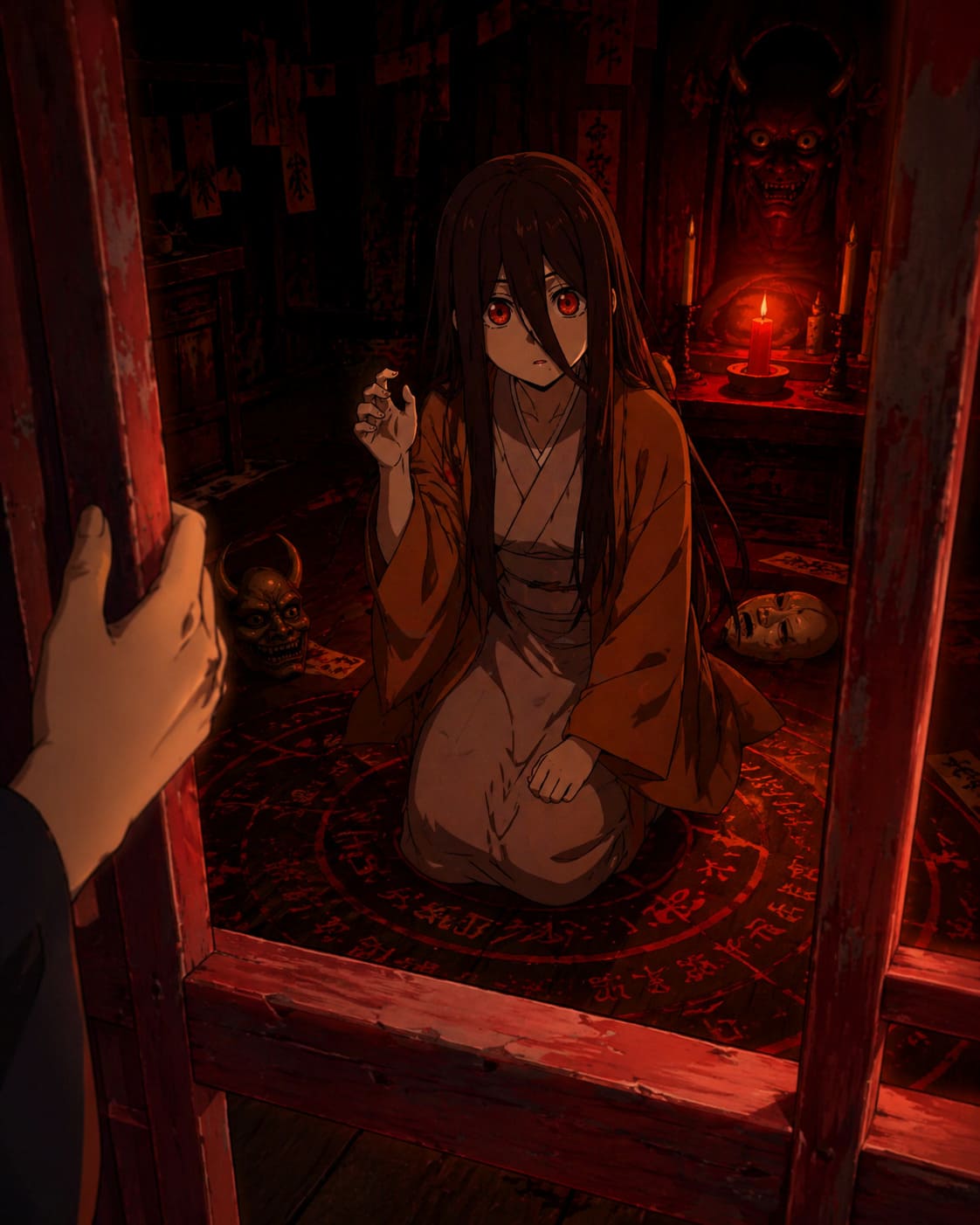
Real Asa vs Fake Asa (Simple Breakdown)
The Fake Asa
- The girl Yuru grew up with
- Kept in a cage as part of a ritualistic “duty”
- Emotionally anchors Yuru to the village
- Dies during the raid—and reveals something inhuman
The Real Asa
- The one leading the assault on the village
- Raised in the modern world for 10 years
- Ruthless, focused, and battle-trained
- Actually Yuru’s true twin sister
What makes this twist so effective is how the story weaponizes your expectations. You trust the version of Asa that Yuru trusts—and that’s exactly why the reveal works.
10 Best Manhwa Like The Beginning After The End You Need to Read in 2026
Why Create a Fake Asa?
This is where things get darker.
The elders of Higashi Village didn’t just lie—they engineered an entire emotional prison for Yuru.
Their goal was simple: keep Yuru isolated, prevent him from leaving, and control the power tied to the twins.
The fake Asa wasn’t just a replacement. She was a tool.
And honestly, that’s what makes the village more disturbing than any external enemy. They weren’t protecting anything—they were controlling fate itself.
The Twins: Day vs Night Dynamic
One of my favorite parts of the series is how cleanly the power system reflects the characters.
| Feature | Yuru (Night) | Asa (Day) |
|---|---|---|
| Core Ability | Seal (binding power) | Break (severing power) |
| Personality | Passive, grounded | Aggressive, decisive |
| Upbringing | Isolated village | Modern, harsh world |
| Role | Maintains balance | Destroys to create change |
This isn’t just a cool ability contrast—it’s thematic.
- Yuru = stability, tradition, preservation
- Asa = disruption, evolution, destruction of old systems
And you can feel that clash in every scene they share.
Asa: Hero, Villain… or Something Else?
Let’s be real—Asa is not a typical protagonist.
She literally leads an attack that wipes out people Yuru cared about. That alone makes her hard to “like” in a traditional sense.
But here’s the thing: she believes she’s saving her brother, she grew up outside, likely facing constant danger, and she sees the village as a prison, not a home.
From her perspective, everything she does makes sense.
My take as a fan: I don’t see Asa as a villain at all. She feels more like someone who had to become ruthless to survive—and never got the luxury of staying kind.
That’s what makes her compelling. She’s not trying to be good—she’s trying to be effective.
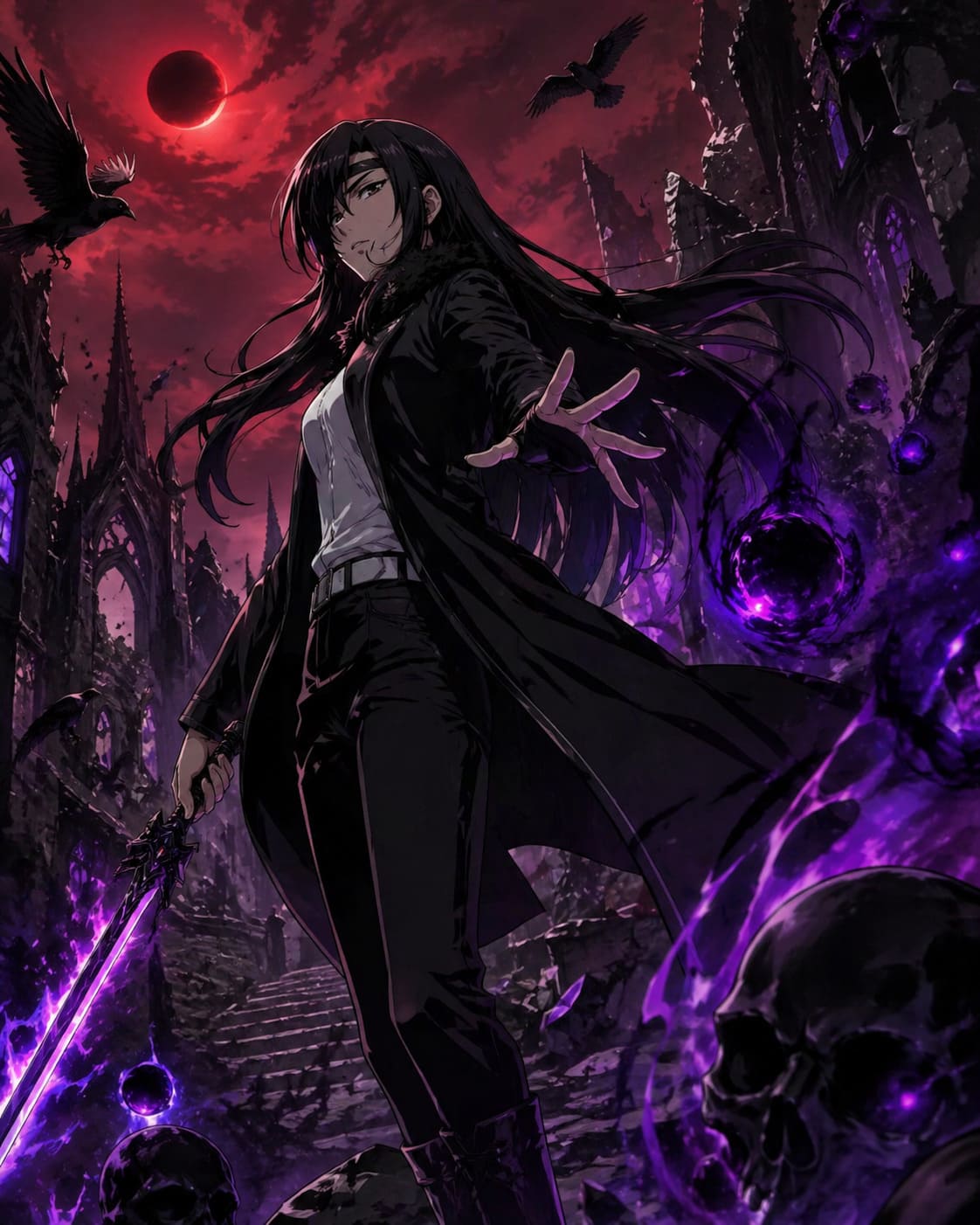
The Role of the Kagemori Clan
The group Asa aligns with isn’t exactly “good” either.
But compared to the village elders, they almost feel justified.
This creates a really interesting moral gray zone where the village is manipulative and controlling, while the Kagemori clan is violent but more transparent.
And Asa stands right in the middle of that conflict.
The Emotional Core: A Broken Sibling Bond
What really sticks with me isn’t the action—it’s the relationship between Asa and Yuru.
Asa spent 10 years remembering her brother, while Yuru spent 10 years with a fake version of her.
They’re connected by blood—but separated by completely different realities.
When they finally meet again, it’s not a reunion. It’s a collision.
Asa’s Power: Why She’s So Dangerous
As the “Day” twin, Asa has the ability called Break, which is honestly terrifying when you think about it.
- She can sever contracts between humans and Daemons
- She can disrupt established systems instantly
- She directly counters Yuru’s sealing ability
Her Daemons, Ohagi and Daifuku, reinforce her identity as someone who cuts ties rather than preserves them.
That’s what makes her such a threat—not just physically, but ideologically.
Final Thoughts: Why This Twist Works So Well
A lot of manga try to shock readers with twists—but this one actually changes how you interpret everything that came before it.
For me, the Asa reveal works because it’s emotionally grounded, it redefines the protagonist’s entire life, and it sets up a long-term conflict that feels deeply personal.
Most importantly, it makes you question who’s actually right.
Because in Daemons of the Shadow Realm, there’s no clean answer—just two siblings: one trying to hold the world together, and one trying to break it apart.
And honestly, I can’t fully blame either of them.