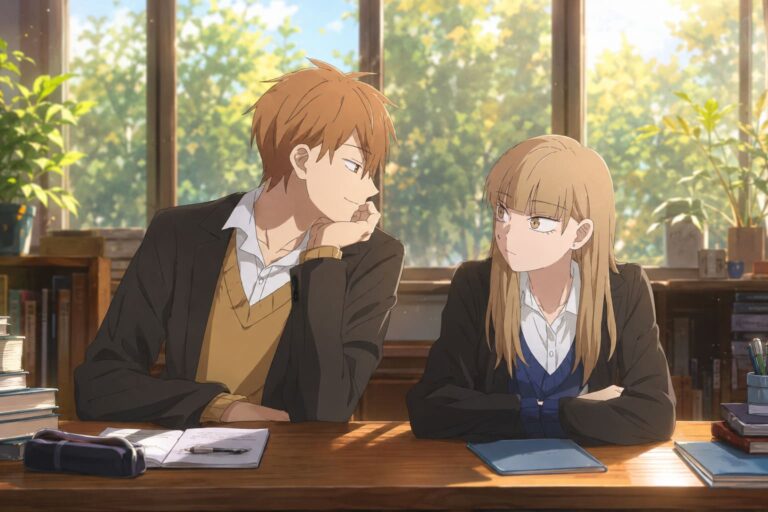
Maki Maehara’s “First Friend” Story: An In-Depth Analysis of I Made Friends with the Second Prettiest Girl in My Class
Most high school romance anime try to hook viewers with huge drama, love triangles, or exaggerated comedy. But every once in a while, a series appears that wins people over simply by feeling real. That’s exactly why I Made Friends with the Second Prettiest Girl in My Class has quietly become one of the most talked-about modern light novel romances among anime fans.
As someone who watches way too many slice-of-life and romance series every season, I honestly didn’t expect this story to hit as hard as it did. On the surface, it sounds like another “loner boy meets popular girl” setup. But after spending time with Maki Maehara and Umi Asanagi, it becomes clear that this series understands something many romance anime forget.
Loneliness is not always dramatic. Sometimes it’s just painfully ordinary.
And that’s exactly what makes this story special.
Maki Maehara Is One of the Most Believable Romance Protagonists in Years
A lot of anime protagonists labeled as “loners” are secretly overpowered, incredibly attractive, or socially detached by choice. Maki Maehara is none of those things.
- Awkward
- Quiet
- A little pessimistic
- Emotionally reserved
And honestly, he feels like a real teenager.
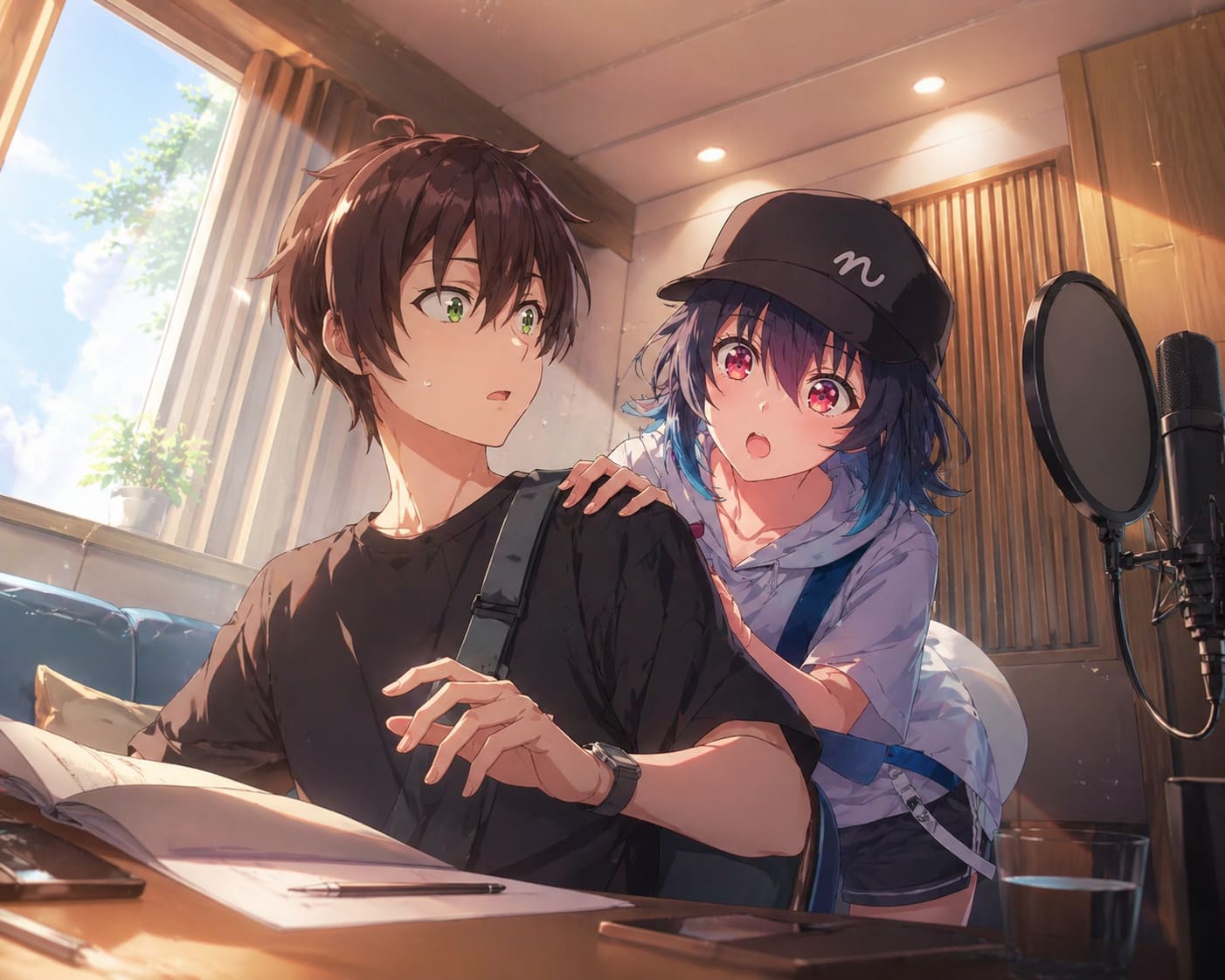
Maki spends most of his time alone at home playing games, watching terrible shark movies, and avoiding unnecessary social interaction. His parents’ divorce clearly affected the way he views relationships, but the series never turns this into forced melodrama. Instead, it quietly shapes his personality and explains why he expects disappointment from people.
That subtle writing is one of the anime’s greatest strengths.
Rather than trying to make Maki “cool,” the story focuses on his emotional habits and insecurities.
- Avoiding attention
- Lowering expectations
- Assuming people will eventually leave
- Struggling to accept kindness
These details make him incredibly relatable for viewers who grew up feeling disconnected during school years.
Umi Asanagi Is Far More Interesting Than the Title Suggests
At first glance, Umi Asanagi seems like the standard “popular girl” archetype. But the deeper the story goes, the more layers she reveals.
The entire concept of being the “second prettiest girl” sounds almost comedic initially, yet it becomes one of the core emotional themes of the series.
Umi constantly lives in the shadow of her best friend, Yuu Amami. No matter how liked or admired she is, she still feels like the “other choice.” People notice her, but often only because she stands next to someone even more charismatic.
That insecurity shapes almost every major emotional moment in the story.
What makes her character work so well is that she doesn’t fall for Maki because he’s secretly amazing or because destiny pushes them together. She approaches him because he treats her normally. He sees her as a person instead of a social trophy.
That emotional simplicity makes their connection feel authentic.
The Friday Hangouts Are the Real Heart of the Series
If there’s one reason fans become emotionally attached to this story, it’s the Friday routine.
- Watching movies
- Eating pizza
- Playing games
- Talking about random nonsense
That’s basically it. And somehow it becomes more emotionally satisfying than most grand anime confessions.
The scenes at Maki’s house create a kind of emotional safety that’s rare in school romance stories. Outside the classroom, outside social rankings, both characters slowly relax and reveal who they actually are.
The atmosphere perfectly captures why cozy slice-of-life anime works so well when written properly. The series understands that intimacy is built through repetition and comfort, not only dramatic events.
Some of the best moments are incredibly small and natural.
| Moment | Why It Works |
|---|---|
| Sharing bad movies together | Shows how naturally their chemistry develops |
| Umi relaxing without her “popular girl” mask | Reveals emotional trust |
| Maki worrying about damaging her reputation | Highlights his selflessness |
| Quiet conversations during late evenings | Feels personal and believable |
These scenes give the relationship emotional weight long before romance officially becomes the focus.
The Story Understands Social Anxiety Better Than Most Anime
One thing rarely discussed enough is how accurately this series portrays social pressure in high school environments.
Not bullying. Not extreme isolation. Just subtle emotional exclusion.
Umi’s biggest fear is not rejection itself — it’s being emotionally replaced. She’s terrified that if Maki becomes closer to Yuu, she’ll once again become secondary in someone’s life.
That feeling is painfully human.
Meanwhile, Maki genuinely believes he’s a burden to people around him. Even when someone cares about him, his first instinct is to create distance so he doesn’t ruin their life socially.
The story never overexplains these emotions. It trusts viewers to understand the quiet sadness behind them.
That mature restraint is probably why so many readers and anime fans connect deeply with the series.

Why Fans in the US Are Connecting With It So Strongly
Romance anime audiences in the US have changed a lot over the last few years.
Viewers are starting to prefer more grounded stories instead of endless misunderstanding-driven plots. That’s one reason series like Horimiya and The Dangers in My Heart became massive hits.
I Made Friends with the Second Prettiest Girl in My Class fits perfectly into that trend.
What makes it stand out is the natural execution of its emotional storytelling.
- The communication feels natural
- Characters openly acknowledge emotions
- The romance develops through friendship first
- The drama stays emotionally believable
- Nobody acts unrealistically stupid just to extend the plot
Too many romance series rely on artificial misunderstandings that could be solved in thirty seconds. Here, emotional conflicts come from insecurity, fear, and personal history instead of forced anime logic.
Maki and Umi Feel Like Real People, Not Anime Archetypes
That’s ultimately why the series works.
Not because the romance is flashy. Not because the plot is revolutionary. But because the emotional core feels honest.
Maki isn’t trying to become the most popular guy in school. Umi isn’t searching for a fairy-tale prince. They simply become important to each other during a lonely period of life.
There’s something deeply comforting about that.
This series succeeds because it understands an overlooked truth.
Sometimes the most meaningful relationships begin quietly.
No fireworks. No dramatic destiny. Just two people slowly realizing they feel safer together than apart.
And honestly, that kind of romance stays with you much longer than most over-the-top confessions ever could.
Final Thoughts
I Made Friends with the Second Prettiest Girl in My Class may look like another school romance at first, but underneath the familiar setup is a surprisingly emotional story about insecurity, emotional isolation, and learning how to trust someone for the first time.
Maki Maehara and Umi Asanagi aren’t perfect characters, and that’s exactly why their relationship feels so memorable.
For fans who enjoy romance anime with genuine chemistry, soft emotional storytelling, and believable character growth, this series deserves far more attention than it currently gets.
It’s not trying to be the loudest romance anime. It’s trying to be one of the most sincere. And in many ways, it absolutely succeeds.