Clash of Civilizations: Cultural Differences Between West and East in The Warrior Princess and the Barbaric King
I’ll be honest—when I first picked up The Warrior Princess and the Barbaric King (aka Himekishi wa Barbaroi no Yome), I expected a fun enemies-to-lovers fantasy with some edgy humor. What I didn’t expect was a story that quietly dismantles the whole “civilized West vs savage East” trope in a way that actually made me stop and rethink how these narratives are usually framed in anime and manga.
At its core, this series isn’t just about Serafina de Lavillant learning to survive among so-called barbarians—or even her dynamic with Veor. It’s about perspective. And more importantly, how easily “civilization” becomes a mask.
The “Civilized” Lie That Feels Too Familiar
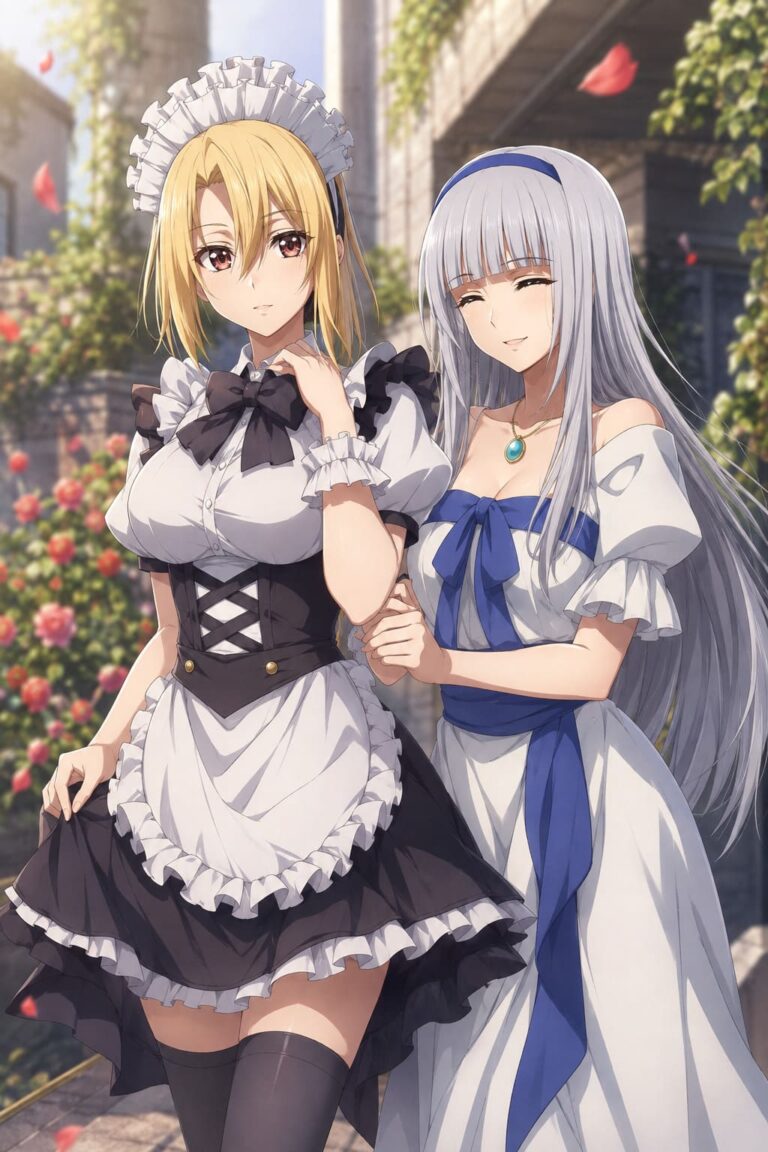
One thing I genuinely love about this series is how it flips expectations almost immediately. Serafina comes from a classic Western-style kingdom: knights, hierarchy, rigid honor codes—the whole package. She enters the Eastern tribal lands convinced she’s stepping into chaos. But the longer she stays, the more cracks you start seeing… not in the tribes, but in her own worldview.
- The West = structured, yes—but also corrupt and stagnant
- The East = labeled barbaric—but actually functional and adaptive
- “Civilization” = more about image than reality
There’s something almost uncomfortable about how relatable this is. The idea that a powerful empire might call others “uncivilized” just to justify control isn’t just fiction—it echoes real-world history.
Individualism vs Community: Two Ways to Survive
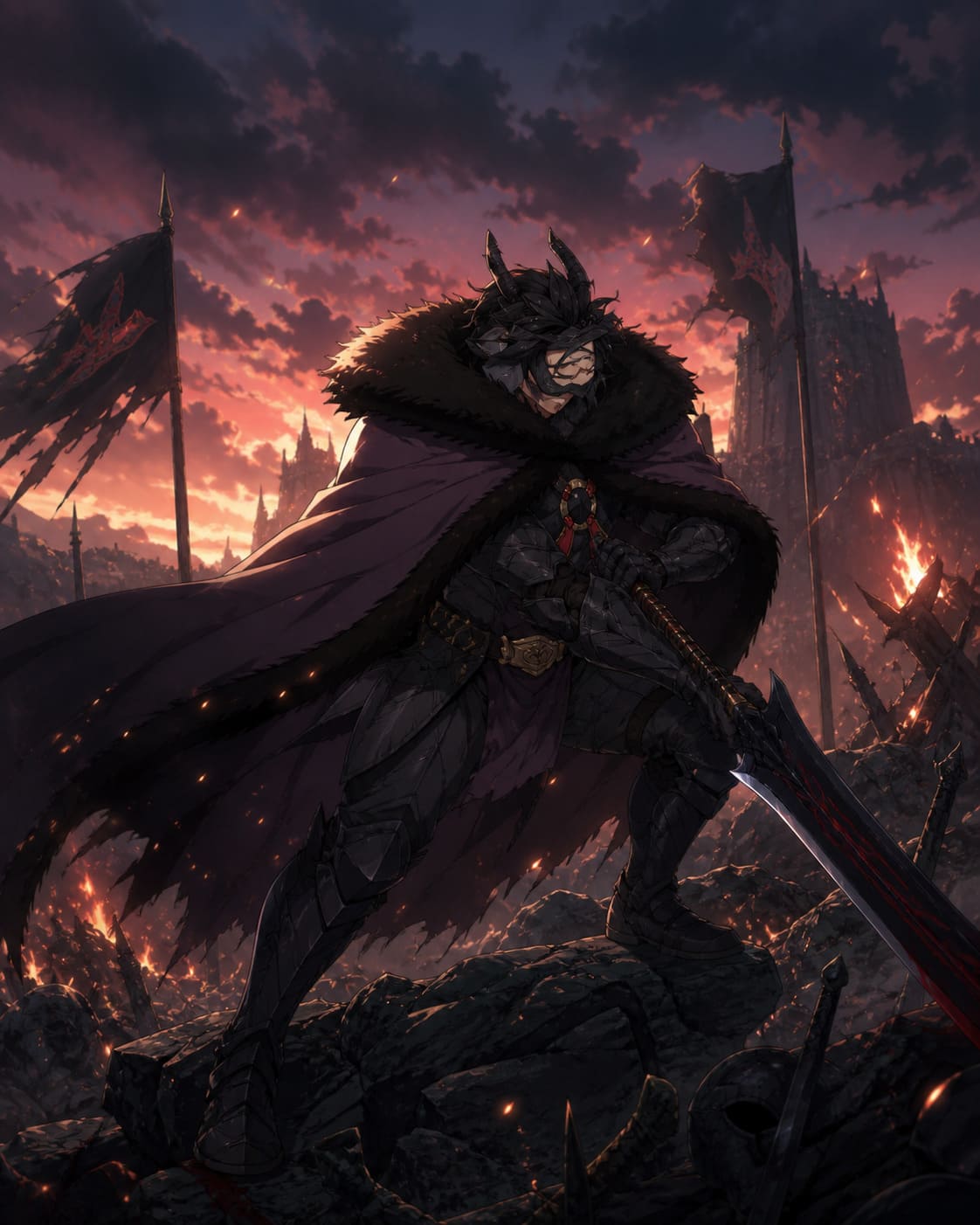
This contrast is probably one of the most interesting aspects of the series. Serafina embodies the Western ideal: personal honor, duty to a ruler, and identity tied to rank. Meanwhile, Veor’s tribe operates on a completely different foundation built around shared responsibility and survival.
| Aspect | Western Kingdom | Eastern Tribes |
|---|---|---|
| Identity | Rank & Status | Role in Community |
| Power | Hierarchical | Earned & Shared |
| Motivation | Personal Honor | Collective Survival |
| Social Structure | Rigid | Flexible |
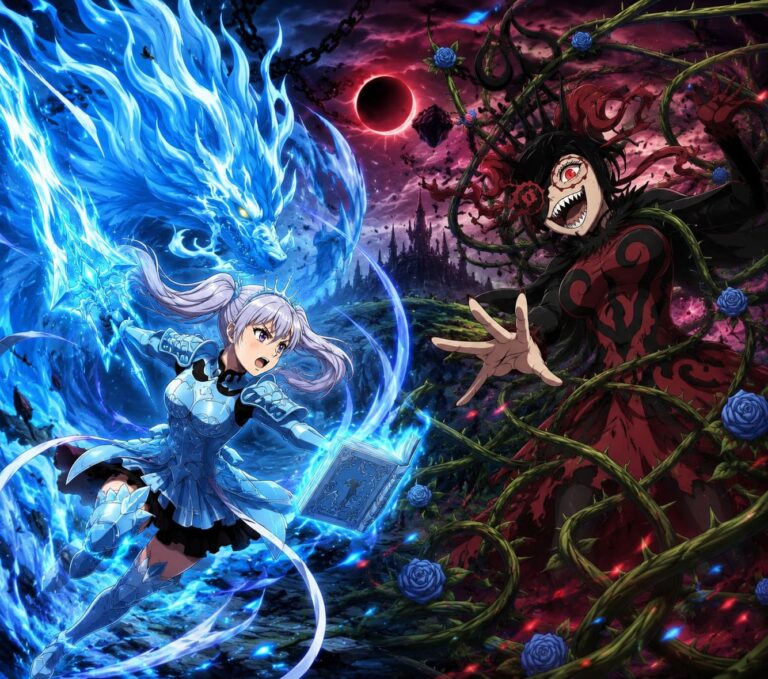
The more the story unfolds, the harder it becomes to label one system as superior. The West builds systems, but the East builds relationships—and both approaches have strengths and flaws.
Serafina vs. Veor: Who is Truly the Strongest Warrior in The Warrior Princess and the Barbaric King?
Honor: Romanticized vs Practical
If there’s one thing that completely caught me off guard, it’s how differently “honor” is treated. For Serafina, losing is shameful, capture is worse than death, and honor is something to protect at all costs. For Veor, losing is part of growth, capture is an opportunity, and honor is something to use wisely.
- Serafina: Honor = identity
- Veor: Honor = function
His decision to marry Serafina instead of killing her isn’t just a narrative twist—it reflects a deeper cultural logic. Why destroy strength when you can integrate it? That perspective challenges everything Serafina has been taught.
Gender Roles: Surprisingly Progressive in a Harsh World
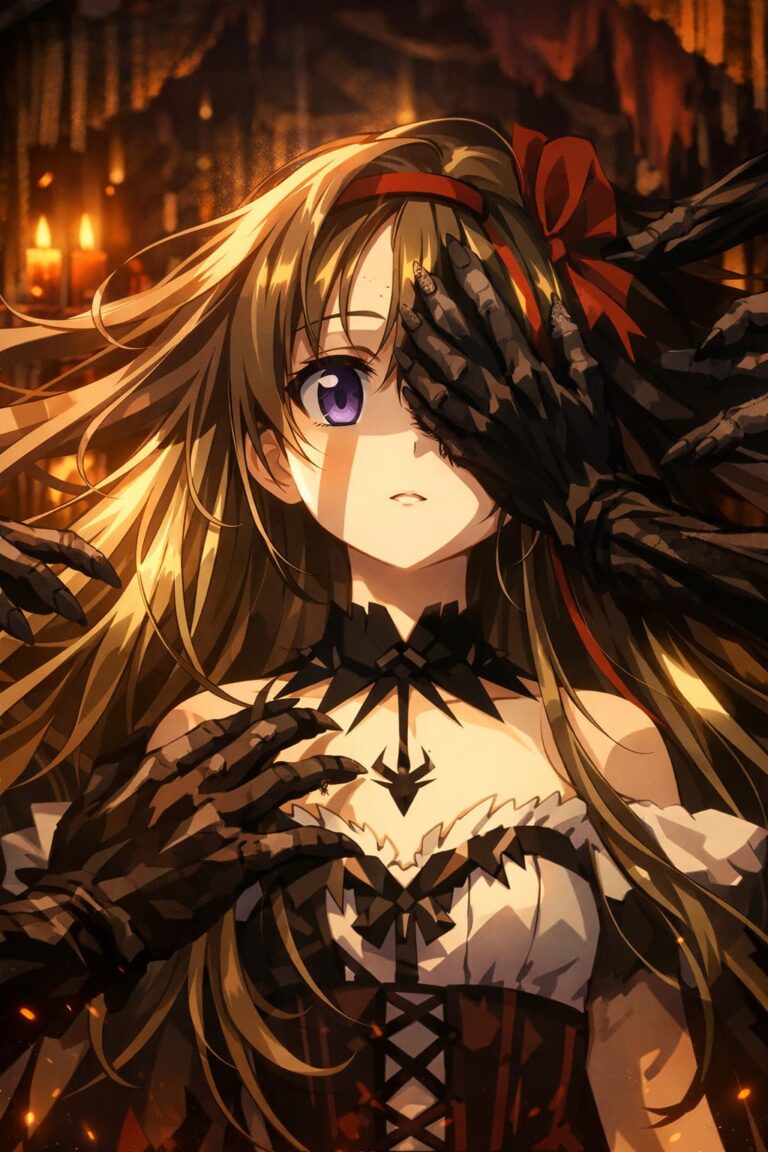
This is where the story gets unexpectedly nuanced. In Serafina’s world, she had to outperform everyone to earn respect, often suppressing parts of herself to fit into a rigid system. Chivalry exists, but it comes with invisible restrictions.
In contrast, Veor’s tribe values strength without attaching it to gender expectations. There’s no need to prove legitimacy through titles or social approval. Strength speaks for itself.
- West: Respect must be earned through conformity
- East: Respect comes from capability
Ironically, the so-called “barbaric” society feels more honest. Less polished, but also less hypocritical. Veor doesn’t admire Serafina despite her strength—he values her because of it.
Technology vs Nature: A Subtle Commentary
Another layer that adds depth to the story is its portrayal of progress. The Western kingdom represents industrial growth, weaponry, and control over the environment. The tribes, on the other hand, focus on understanding and working with nature.
- West: Progress through domination
- East: Progress through adaptation
As Serafina spends more time with the tribe, she begins to notice unexpected advantages—better food practices, cleaner living conditions, and stronger social bonds. The narrative quietly questions whether technological advancement alone truly defines progress.
Why This Story Stays With You
A lot of anime explore cultural clashes, but this one feels different because it doesn’t simplify the conflict. There are no easy answers, no clear “right side.” Instead, the story leans into discomfort and lets the characters evolve naturally.
- No culture is portrayed as perfect
- Growth happens through experience, not exposition
- Culture shock is treated as a real emotional journey
Watching Serafina slowly question everything she believed in is what makes the story resonate. It’s not just about adapting—it’s about unlearning.
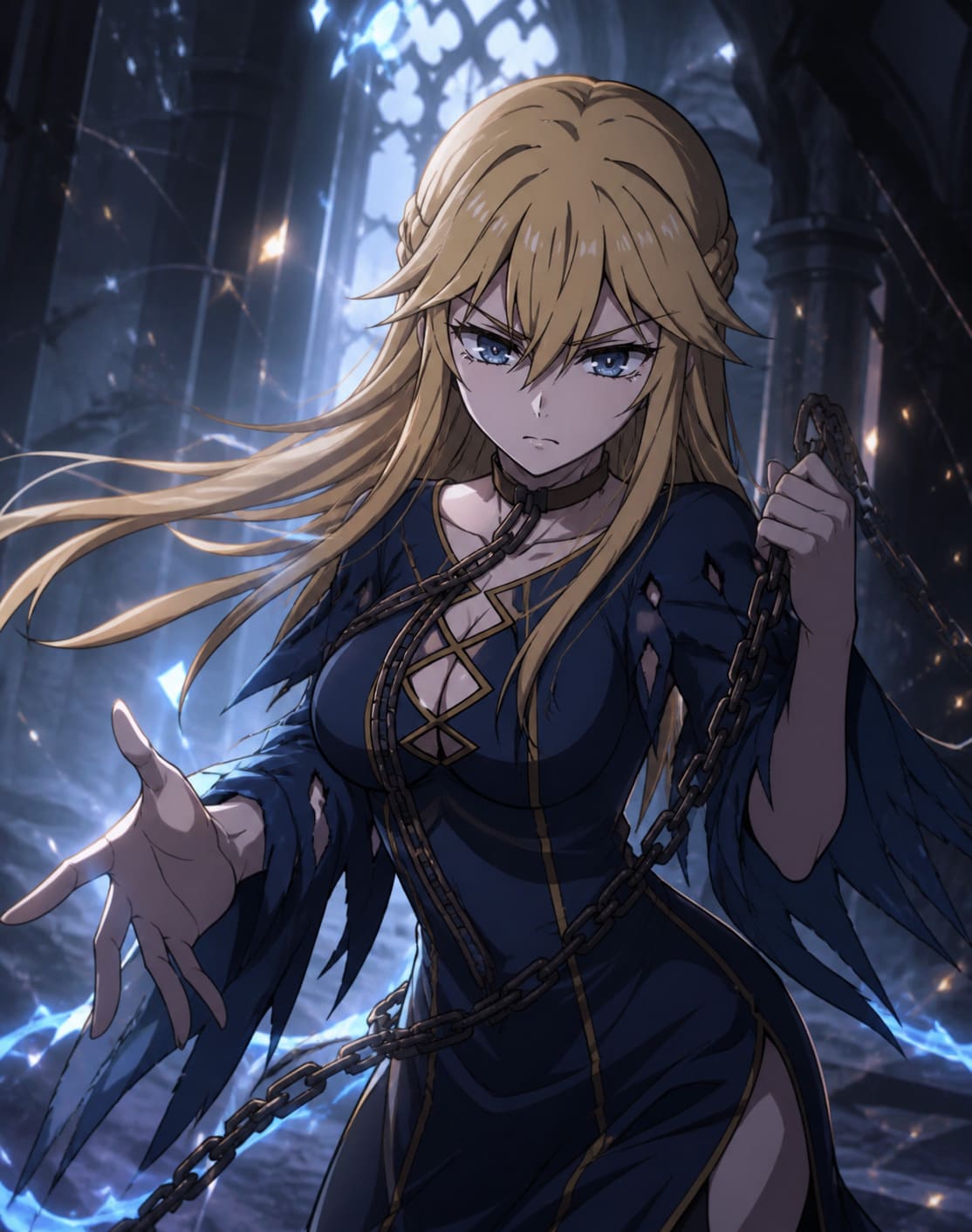
Final Thoughts: More Than Just a Fantasy Romance
At its surface, The Warrior Princess and the Barbaric King delivers everything you’d expect from a fantasy romance—strong characters, tension, and engaging dynamics. But beneath that, it offers something more meaningful.
It explores the idea that “civilization” and “barbarism” are often just labels shaped by perspective. It challenges the viewer to reconsider assumptions about progress, culture, and identity. And most importantly, it shows that understanding comes not from dominance, but from openness.
That’s what makes this series stand out. It’s not just a story about two worlds colliding—it’s about what happens when they start to understand each other.