The Warrior Princess and the Barbaric King Plot Analysis: Ending Explained & Review
If you came into Warrior Princess and the Barbaric King expecting a generic enemies-to-lovers fantasy, I’ll be blunt—you probably misjudged it. I did too. What looked like another seasonal romance with swords and clichés quickly turned into one of the more quietly thought-provoking anime of Spring 2026.
This isn’t just a story about a knight and a “barbarian.” It’s about unlearning everything you thought was true—and realizing how uncomfortable that process actually is.
First Impressions: Not Your Typical Fantasy Setup
At face value, the premise sounds familiar:
- A proud western knight gets captured
- The “enemy king” proposes marriage
- Cultural clash turns into romance
But the execution? That’s where things shift.
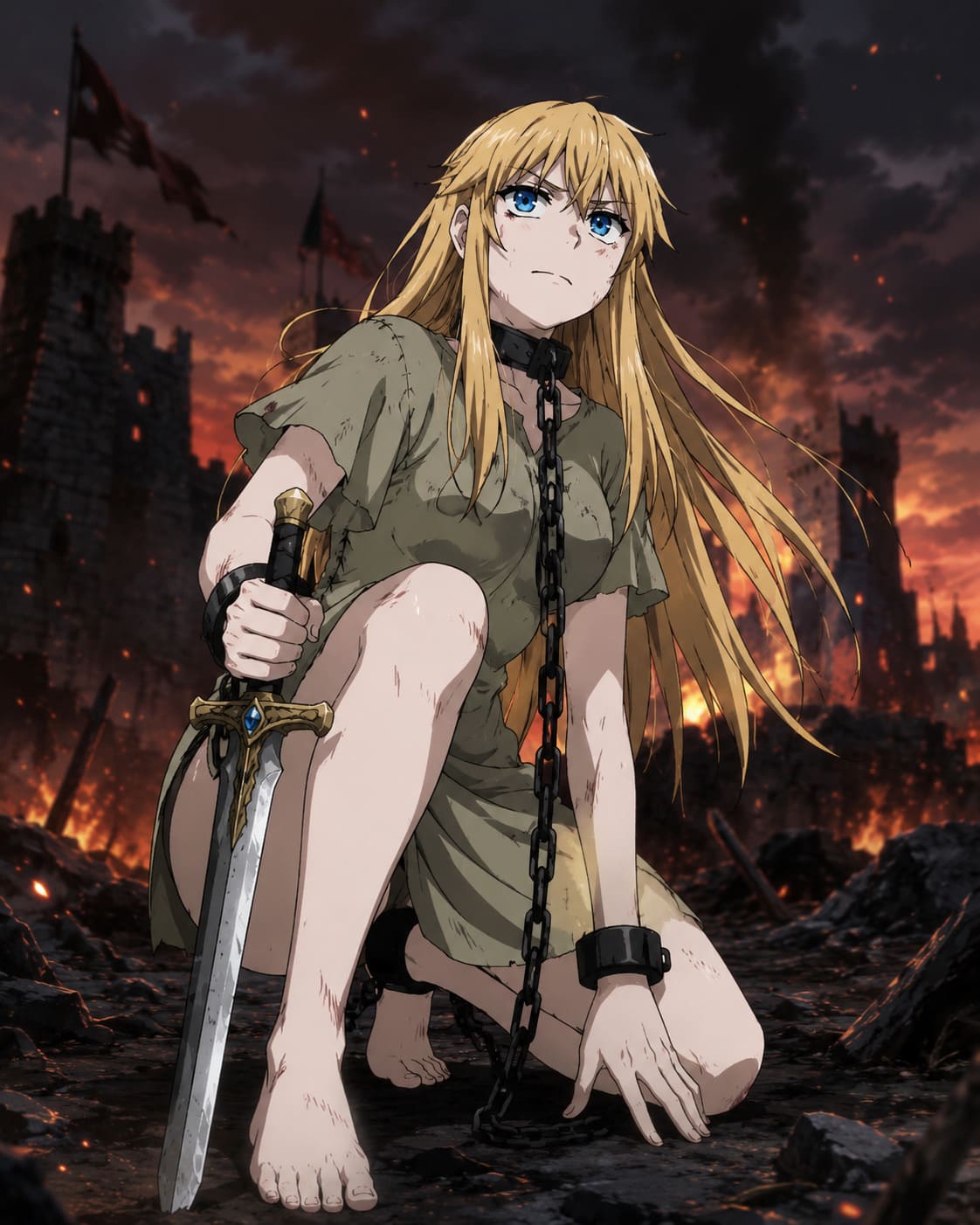
Instead of leaning into edgy dark fantasy or pure comedy, the series balances both with surprising restraint. It feels grounded—even when the setup is borderline absurd.
What really hooked me wasn’t the romance—it was the tension between perception and reality.
Serafina Is More Than a “Strong Female Lead”
Let’s talk about Serafina, because reducing her to a “tsundere knight girl” is doing her a disservice.
She’s strong, yes—but more importantly, she’s conditioned.
Her entire worldview is built on:
- Blind loyalty to a collapsing kingdom
- Deep-rooted prejudice against the East
- A belief that her worth comes from sacrifice
Watching her slowly question those beliefs is honestly more compelling than any fight scene.
Key takeaway: Serafina’s real battle isn’t against enemies—it’s against her own upbringing.
Veor: The Anti-Barbarian King
Now Veor… this is where the show flips expectations completely.
At first glance:
- Big guy
- Intimidating presence
- Classic “barbarian king” design
But then the layers start peeling back.
He’s:
- Thoughtful
- Emotionally intelligent
- Weirdly progressive for a tribal leader
And yes, that viral “beard scene”? It’s not just fanservice. It’s symbolic. The moment he sheds that look, it’s like the show is saying:
“You believed the stereotype too, didn’t you?”
And honestly? Most of us did.
Is The Warrior Princess and the Barbaric King Worth Watching? Review & Community Consensus
The Real Theme: Who’s Actually Civilized?
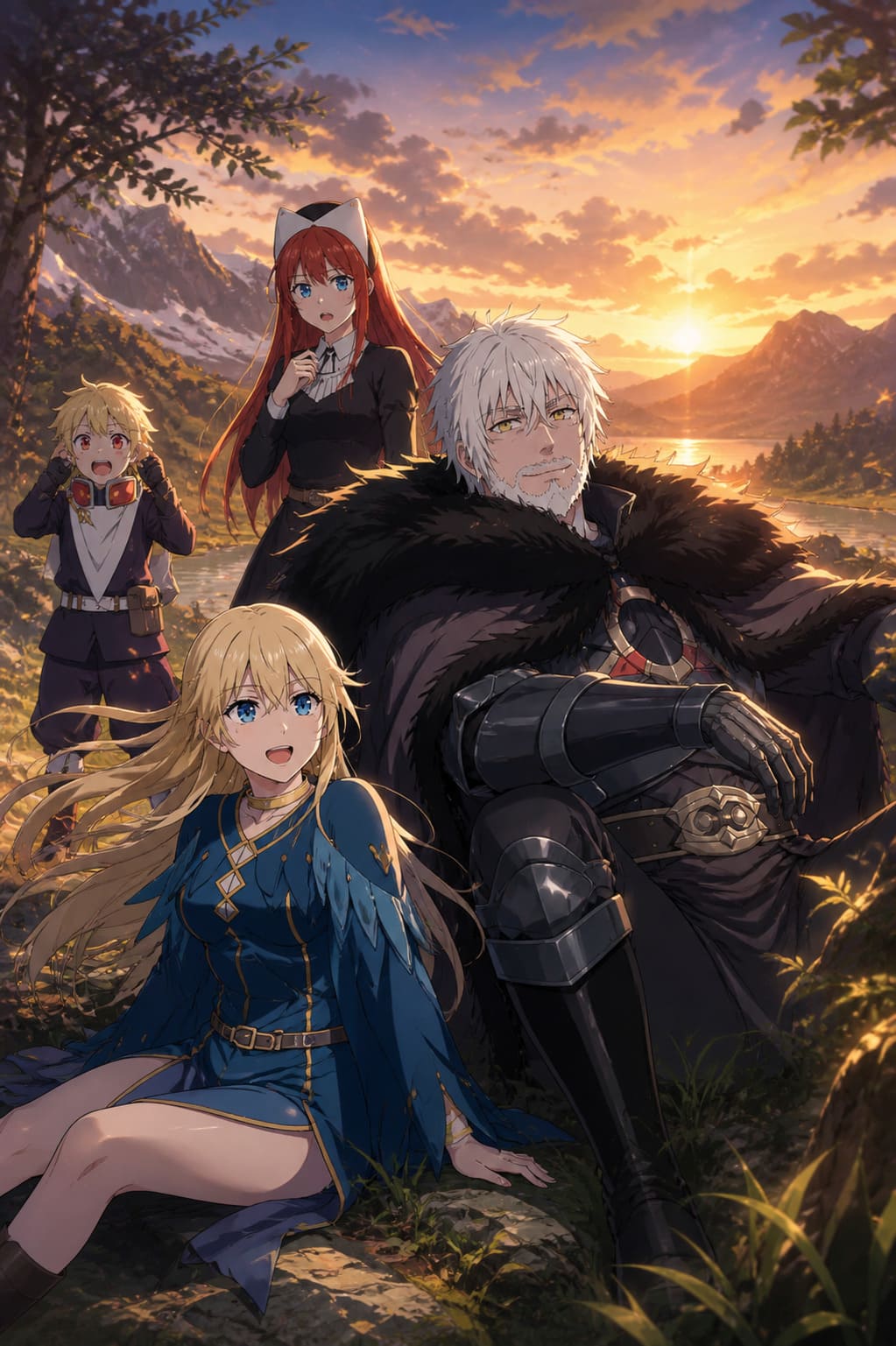
This is where the anime quietly goes from entertaining to dangerously relevant.
The West:
- Politically corrupt
- Economically failing
- Obsessed with control and hierarchy
The East (Cordem clan):
- Sustainable
- Community-driven
- Respectful of strength regardless of gender
It’s not subtle. The show is clearly questioning the idea that “civilization” equals superiority.
And that hits differently when you realize: Serafina was never the free one.
Quick Comparison: West vs East
| Aspect | The West | The Cordem Clan (East) |
|---|---|---|
| Social Structure | Rigid, hierarchical | Communal, merit-based |
| Gender Roles | Restrictive | Flexible, strength respected |
| Economy | Declining | Stable, sustainable |
| Worldview | Fear-driven propaganda | Experience-driven truth |
The “Kidnapping Trope” Debate
Let’s address the elephant in the room.
Yes, the story starts with Serafina being captured and proposed to. That’s always going to raise eyebrows.
But here’s the difference:
- Veor never forces submission
- Serafina retains agency throughout
- The relationship builds on mutual respect, not coercion
Does that make it perfect? No. But it does make it more nuanced than people give it credit for.
The Wysteresia Theory (And Why It Matters)
If you’ve been lurking anime forums or Reddit threads, you’ve probably seen this theory floating around:
Princess Wysteresia—Serafina’s idol—might have been a former “bride” of the Cordem clan.
If true, that changes everything.
It suggests:
- The West and East were never truly separate
- History was deliberately rewritten
- The “enemy” narrative was manufactured
And suddenly, the story isn’t just about romance—it’s about historical erasure and reconciliation.
Romance That Actually Develops
What surprised me most is how patient the romance is.
No instant love. No forced chemistry.
Instead, we get:
- Awkward conversations
- Cultural misunderstandings
- Small moments of trust
And those moments hit harder than dramatic confessions ever could.
Because by the time feelings become obvious, they feel earned.
Not Perfect, But Still Worth It
Let’s be real—it’s not flawless.
Some issues:
- Occasional awkward 3D animation in action scenes
- Pacing dips in mid-episodes
- Certain side characters feel underdeveloped
But none of that kills the experience.
Because the core—the characters and themes—is strong enough to carry it.
Final Thoughts: Why This Anime Sticks With You
What makes Warrior Princess & Barbaric King stand out isn’t just the romance or the fantasy.
It’s the question it leaves you with:
What if everything you believed about your world was wrong?
And more importantly:
Would you have the courage to accept it?
This isn’t just a love story. It’s a story about identity, truth, and the cost of changing your perspective.
And honestly? That’s what makes it one of the most underrated anime of the season.