Kill Blue: How Did Juzo Ogami Turn into a Middle Schooler? Explained
If you’ve been even remotely following modern shonen manga, you’ve probably heard whispers about Kill Blue — and honestly, it deserves the attention. Created by Tadatoshi Fujimaki (best known for Kuroko’s Basketball), this series takes a concept that should feel ridiculous and somehow turns it into something clever, funny, and surprisingly heartfelt.
At its core, Kill Blue asks a simple but wild question: What happens when a legendary hitman is forced to relive life as a middle schooler?
Let’s break down how it works—and why it hits harder than you’d expect.
The Setup: From Apex Predator to Awkward Teen
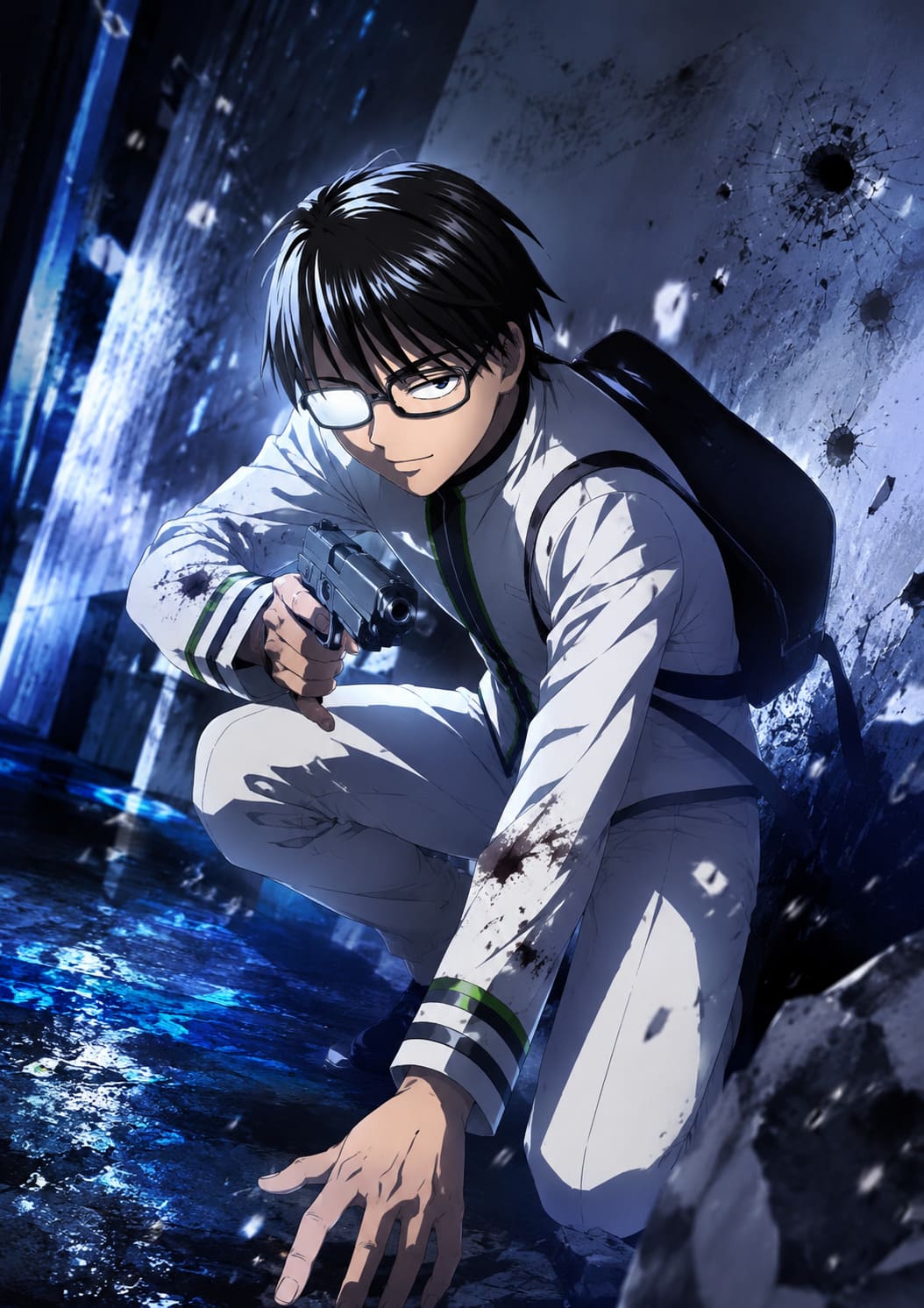
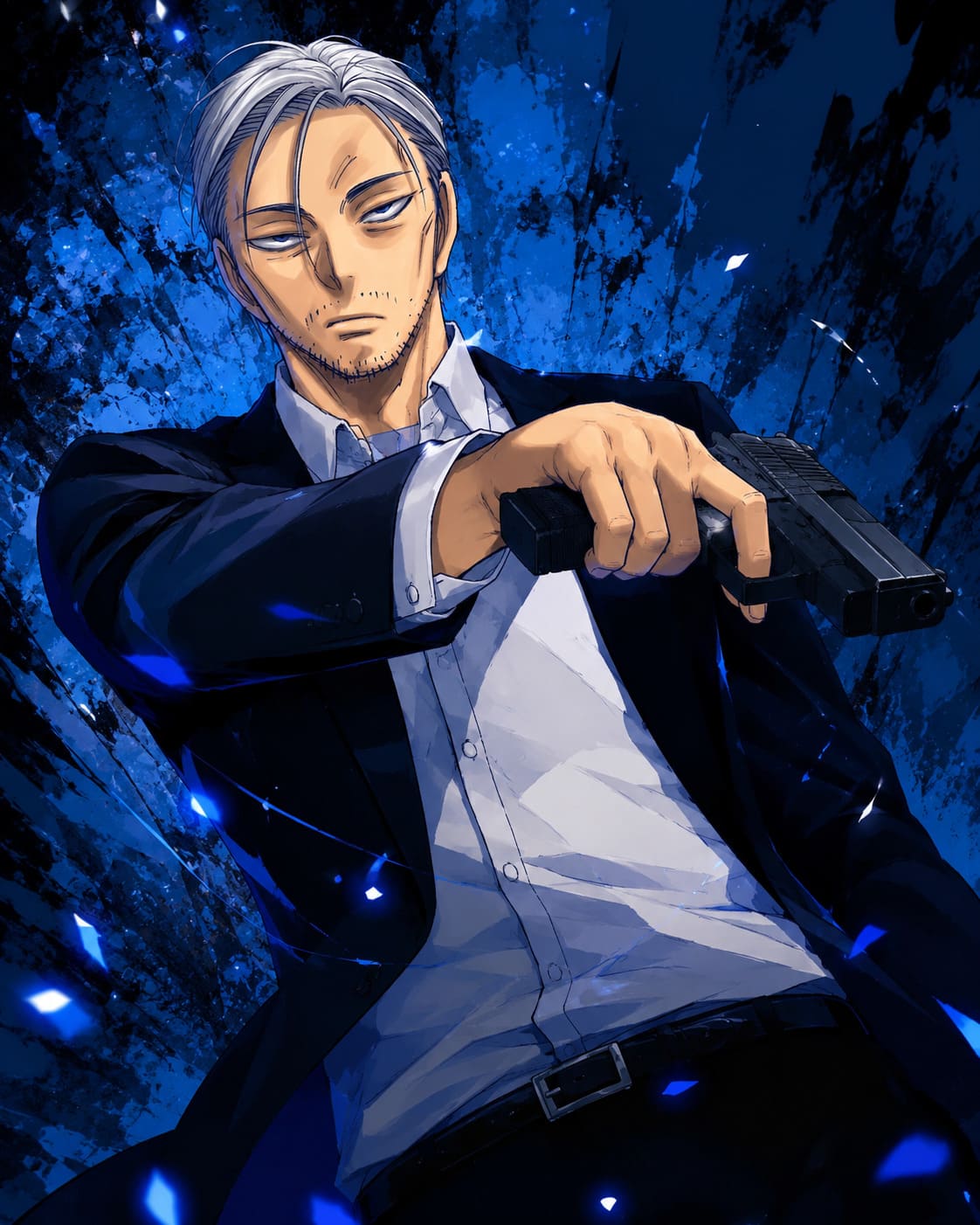
Juzo Ogami isn’t your typical protagonist. He’s 39, emotionally burned out, and one of the most feared assassins in the underworld. No drama, no hesitation—just results. But his life flips instantly after a mission goes sideways.
Instead of dying or getting injured in the usual shonen way, he gets stung by something much stranger: a genetically engineered wasp.
That one moment rewrites everything.
The Real Cause: A Bioweapon Gone Wrong
This isn’t magic. This isn’t reincarnation. And that’s what makes it interesting.
The wasp that stings Juzo is actually a biological weapon developed by a shady pharmaceutical giant. Its venom contains experimental compounds designed to manipulate DNA at a cellular level.
Here’s what happens step-by-step:
- The venom enters Juzo’s bloodstream
- It activates aggressive gene-editing enzymes
- His body undergoes rapid cellular regression
- His biological age rewinds from 39 to 13
Important detail: His mind stays completely intact.
So now you’ve got: the body of a middle schooler and the brain of a veteran assassin.
That contrast is where the story really shines.
Kill Blue Anime Review: Tadatoshi Fujimaki’s Hitman Comedy Worth Watching?
What Makes This Twist Work (When Others Fail)
Let’s be real—anime has done age regression before. But Kill Blue handles it differently.
1. It’s Grounded in Sci-Fi, Not Fantasy
Instead of vague “mysterious energy,” the explanation leans into genetic engineering, corporate experimentation, and illegal biotech.
It feels closer to a dark sci-fi premise than a typical shonen gimmick.
2. It Creates Real Limitations
Juzo doesn’t just become smaller—he becomes weaker. He has less strength, shorter reach, and reduced endurance.
He can’t rely on brute force anymore. That forces him to adapt, which keeps fights and situations fresh.
3. It Forces Character Growth (Not Just Plot Movement)
This is the big one. Juzo never had a childhood. Now he’s stuck living one.
And unexpectedly, he starts to enjoy parts of it.
The School Arc: Surprisingly the Best Part
After his transformation, Juzo gets assigned a bizarre mission: go undercover in middle school.
Yeah, it sounds like pure comedy—and it is—but it also adds layers you don’t expect.
Here’s what stands out:
- He genuinely loves learning, especially subjects like math
- He struggles with basic social interactions more than combat
- School politics feel more dangerous than assassinations at times
There’s something oddly satisfying about watching a hardened killer panic over homework.
The Hidden Connection: The Key to His Cure
Things get even more interesting when Juzo discovers that his classmate Noren is directly tied to the company behind the wasp.
And here’s the twist: she’s not just a random rich girl, she’s deeply connected to the same genetic research and may hold the key to reversing his condition.
Even better—and weirder—she has her own secrets involving similar experiments.
This shifts the story from simple comedy into a slow-burn mystery.
Character Contrast: Why Juzo Is So Fun to Watch
What really carries Kill Blue is Juzo himself.
He’s constantly stuck between two identities.
| Adult Assassin | Middle Schooler |
|---|---|
| Cold, efficient | Socially awkward |
| Combat expert | Physically limited |
| Emotionally distant | Accidentally caring |
| World-weary | Experiencing “firsts” |
This duality leads to some of the best moments in the series.
Especially when he treats classmates like mission objectives, overanalyzes normal conversations, or develops protective, almost father-like instincts.
The Unexpected Theme: Second Chances
Underneath all the action and comedy, there’s a surprisingly strong theme: what if you could redo the part of life you missed?
Juzo isn’t just trying to get his adult body back. He is learning things he never got to learn, building relationships he never had, and slowly becoming more human.
And the story doesn’t rush this. It lets those moments breathe.
Why It Feels Fresh in Modern Shonen
In a genre full of power scaling, chosen ones, and world-ending threats, Kill Blue keeps things smaller—but smarter.
It mixes action, school comedy, sci-fi mystery, and character-driven storytelling, and somehow balances all of it without feeling messy.
Final Thoughts: More Than Just a Gimmick
At first glance, Juzo turning into a middle schooler sounds like a joke premise.
But the execution proves otherwise.
The transformation isn’t random, isn’t reversible overnight, and actually changes how the story functions.
And that’s what makes it stick.
Kill Blue isn’t just about getting back to normal. It’s about discovering that “normal” might not have been something Juzo ever truly had.