The Barbarian’s Bride Episode 6 Review: The Dark Fantasy Twist
When I started watching The Warrior Princess and the Barbaric King (also known as Himekishi wa Barbaroi no Yome), I genuinely expected a simple, chaotic fantasy rom-com filled with ecchi humor, culture clashes, and the usual “knight gets captured by barbarian king” setup. And for a while, that’s exactly what it was.
Funny, awkward, sometimes ridiculous—but entertaining in that guilty-pleasure seasonal anime way.
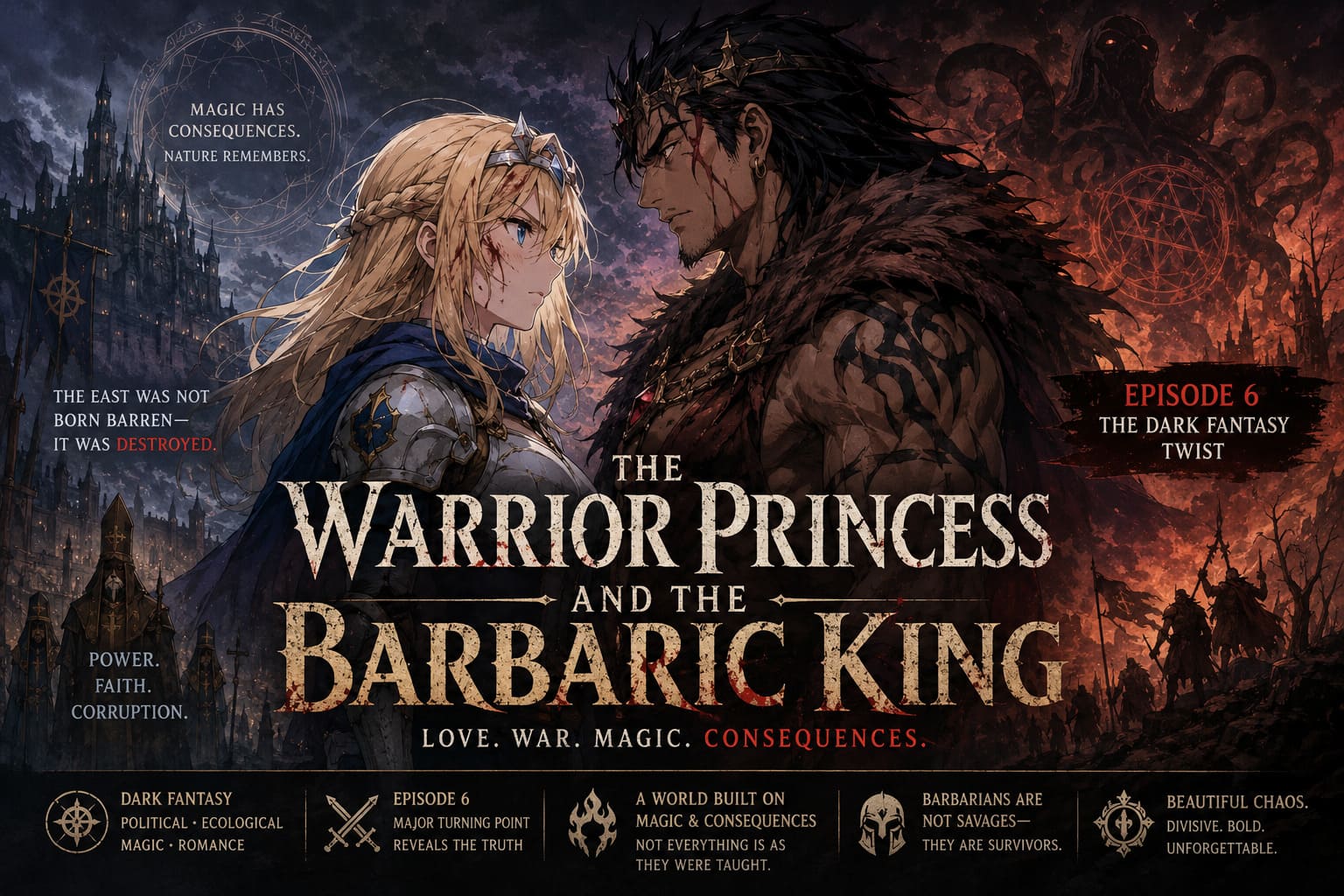
Then Episode 6 happened.
And suddenly, the entire tone of the series shifted in a way that made Reddit explode, fans split into arguments, and me personally rethink what kind of story this actually is.
Minato Amamiya Personality Flaws: A Deep Dive Into The Ramparts of Ice
Episode 6: The Turning Point of the Entire Series
Episode 6 is where the anime stops pretending it’s just a light fantasy rom-com and starts revealing its deeper world-building ideas.
Instead of focusing only on comedy or romance, the episode introduces serious magical mechanics, ecological consequences, and political implications that completely reshape how we understand the setting.
The Magic System Reveal Changes Everything
The key lore drop revolves around catalyst-based magic and the character Malcius. Magic in this world is not just flashy combat power—it has environmental consequences.
When mages use high-level spells without proper catalysts, they begin draining life from the surrounding environment. Over time, repeated misuse corrupts nature itself, eventually giving birth to monstrous entities known as Fiends.
This single explanation completely reframes the world.
- The Eastern wastelands are not naturally barren
- The Western kingdoms may be responsible for environmental destruction
- The so-called “barbarians” are actually survivors of ecological collapse
Suddenly, the political narrative flips upside down.
What looked like a civilized West versus savage East story becomes something closer to environmental exploitation and long-term magical pollution.
Reddit Theory Explosion: Everything Connects
One of the most interesting things about Episode 6 is how quickly online communities started connecting dots.
On discussion boards and anime forums, fans immediately began reframing earlier episodes through this new information.
The barbarians relying on physical strength instead of magic? That now feels intentional, not just thematic flavor.
The harsh landscape of the East? No longer random world design—it feels like consequence.
The Western Church’s “superiority”? Suddenly suspicious rather than noble.
The Malcius Scene Controversy
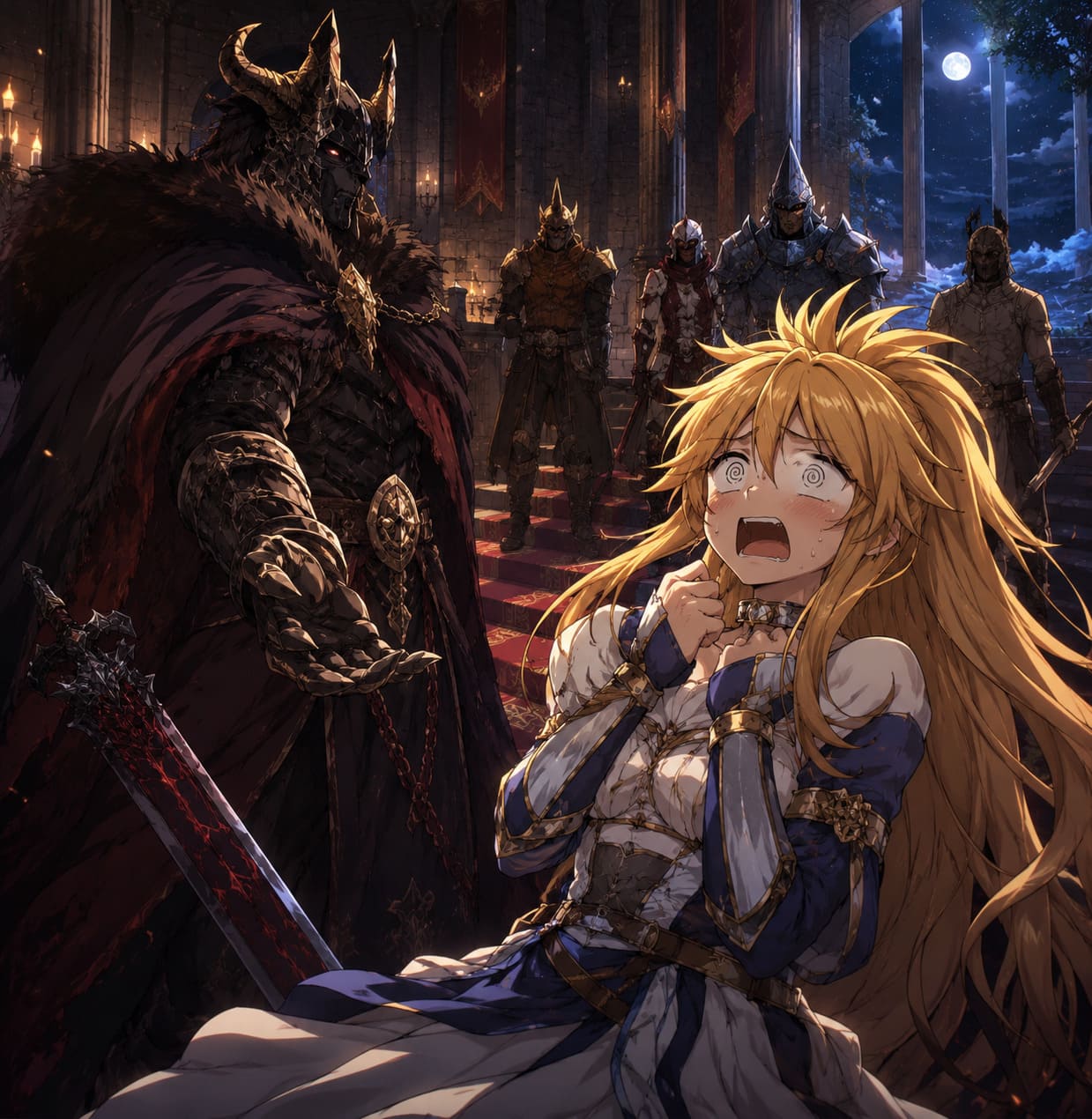
While the world-building was widely praised, the execution of Malcius’ downfall became one of the most divisive moments in the entire season.
When Malcius loses control of her magic, she becomes trapped in a sequence involving summoned tentacles and visual framing that many viewers found uncomfortable.
Why the Scene Divided Fans
There are two major reactions:
- Supporters: The series has always included ecchi elements, and this scene is consistent with its tone and source material.
- Critics: The tonal shift from serious ecological horror to fanservice-heavy imagery feels jarring and undermines the impact of the scene.
Personally, the issue isn’t that the show is “mature” or includes fanservice. The problem is tonal inconsistency.
The episode builds genuine horror and consequences—then suddenly leans into framing that feels closer to old-school anime shock tactics than narrative depth.
The Willpower System: Interesting Idea, Rough Execution
Episode 6 also introduces a formalized concept of “Willpower” as a core mechanic influencing combat ability and priestly arts.
In theory, this is a strong thematic fit. It reinforces the idea that the barbarians rely on mental strength and resilience rather than magic.
But in practice, the introduction feels a bit rushed.
What Works and What Doesn’t
| Aspect | Result |
|---|---|
| Concept | Strong thematic alignment with barbarian culture |
| Execution | Feels suddenly introduced and over-explained |
| Impact | Improves understanding of world logic |
Instead of gradually building this system, the anime introduces it and immediately makes every character reference it, which makes the concept feel slightly forced.
Wysterisia Theory: The Mystery Everyone Is Talking About
One of the most popular ongoing theories involves Princess Wysterisia and her potential connection to Veor’s lineage.
Fans speculate she may be tied to Veor’s family history, possibly even his mother, which would completely reframe Serafina’s admiration for her.
If true, it creates a powerful narrative irony: Serafina idolizes a Western knight who may have become part of the barbarian world she fears.
Animation Quality: Limited But Distinctive
It’s impossible to talk about this anime without mentioning its production quality.
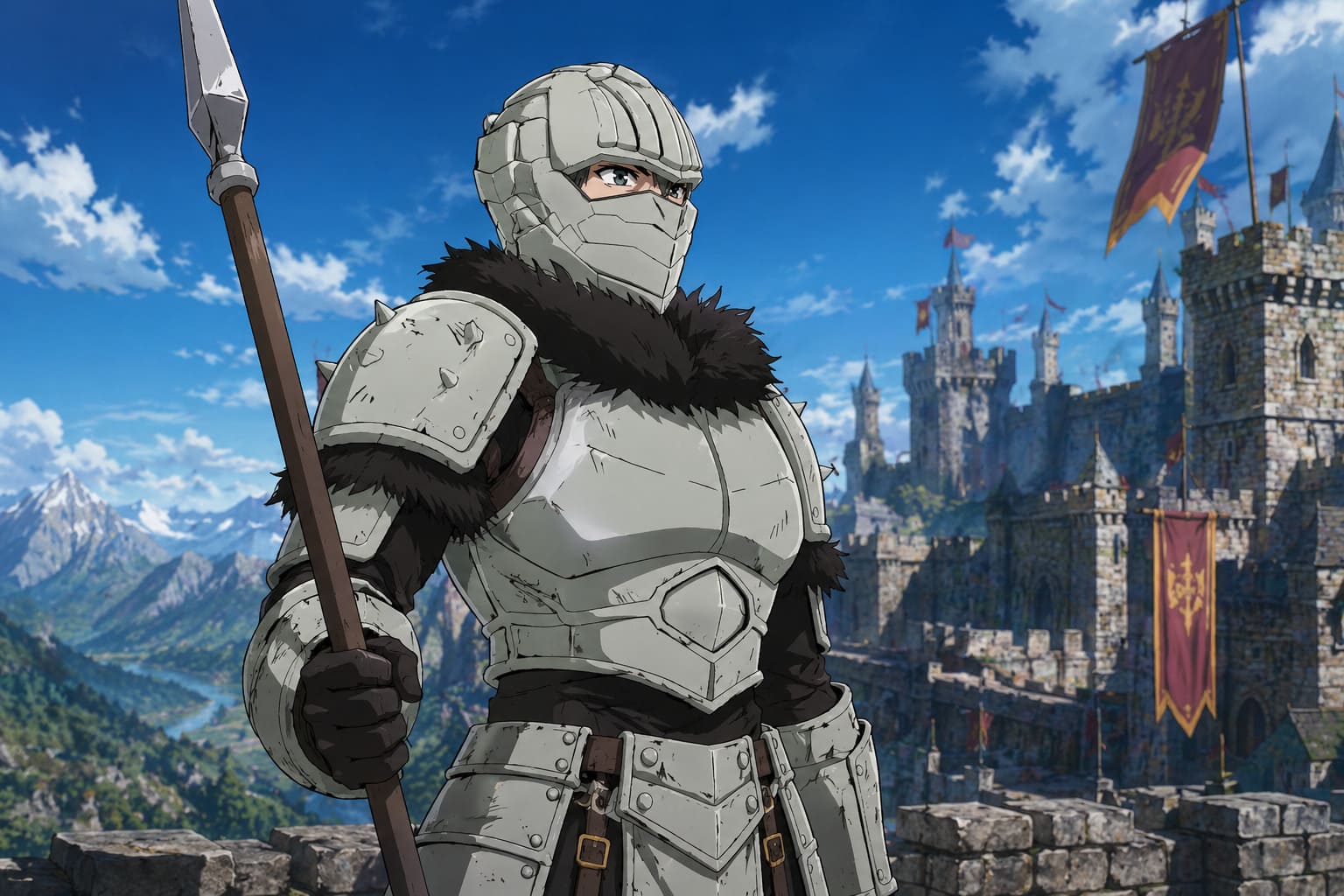
The animation is not top-tier, and action scenes often feel limited in movement. However, the show compensates with strong visual identity.
Heavy outlines, expressive character faces, and stylized color choices give it a slightly comic-book aesthetic that helps it stand out from more polished seasonal fantasy series.
Strengths and Weaknesses
- Strength: Distinct visual identity
- Strength: Strong character expressions
- Weakness: Limited animation fluidity
- Weakness: Inconsistent production quality
Final Thoughts: A Messy But Surprisingly Engaging Fantasy
The Warrior Princess and the Barbaric King is not a perfect anime. It is inconsistent, occasionally tonally chaotic, and sometimes leans too heavily into fanservice at the wrong moments.
But Episode 6 proves something important: underneath the surface-level chaos, there is a genuinely interesting dark fantasy story trying to emerge.
The ecological magic system, the political reversal between East and West, and the emotional tension between Serafina and Veor all suggest that this series has more depth than it initially appears to have.
It’s not a polished masterpiece—but it is a fascinating one to follow week by week.
And honestly, it’s the kind of anime that makes you open Reddit immediately after every episode just to see what everyone else thinks.
Overall Evaluation
| Category | Rating |
|---|---|
| World-Building | Strong and improving |
| Romance | Better than expected |
| Fanservice | Highly divisive |
| Animation | Stylized but limited |
| Episode 6 Impact | Major turning point |