Koyuki Hikawa’s Social Anxiety: A Deep Dive into The Ramparts of Ice
There are plenty of manga characters who get labeled as “socially awkward,” but very few actually feel real. Most series turn introversion into a gimmick: the quiet girl blushes, says something weird, everybody laughs, and somehow she magically becomes more confident after a few romantic scenes. That’s exactly why The Ramparts of Ice hit so differently for me.
Koyuki Hikawa doesn’t feel like a trope. She feels like someone you genuinely knew in high school — or maybe someone you were.
What makes this manga so impressive is how painfully accurate its portrayal of communication anxiety is. Not exaggerated anime anxiety. Not “moe awkwardness.” Real fear. The kind that makes simple conversations feel physically dangerous.
And honestly, that’s why Western anime fans connected with Koyuki so hard across Reddit threads, TikTok edits, and long-form YouTube essays. She represents something modern manga rarely handles with this much care: the exhausting psychology of social anxiety.
Koyuki’s Anxiety Feels Uncomfortably Real
One of the first things I noticed while reading the manga was how constantly tense Koyuki feels. Even during ordinary scenes, she acts like her brain is preparing for disaster.
A normal interaction for most people becomes a full internal crisis for her.
Some of the most realistic symptoms the series portrays include:
- Avoiding eye contact
- Overanalyzing simple conversations
- Assuming people secretly dislike her
- Speaking too bluntly because panic short-circuits her emotions
- Freezing when unexpectedly approached
- Mentally replaying social mistakes for hours afterward
That last one especially hit hard. The manga understands that anxiety isn’t always loud. Sometimes it’s silent self-destruction happening entirely inside your own head.
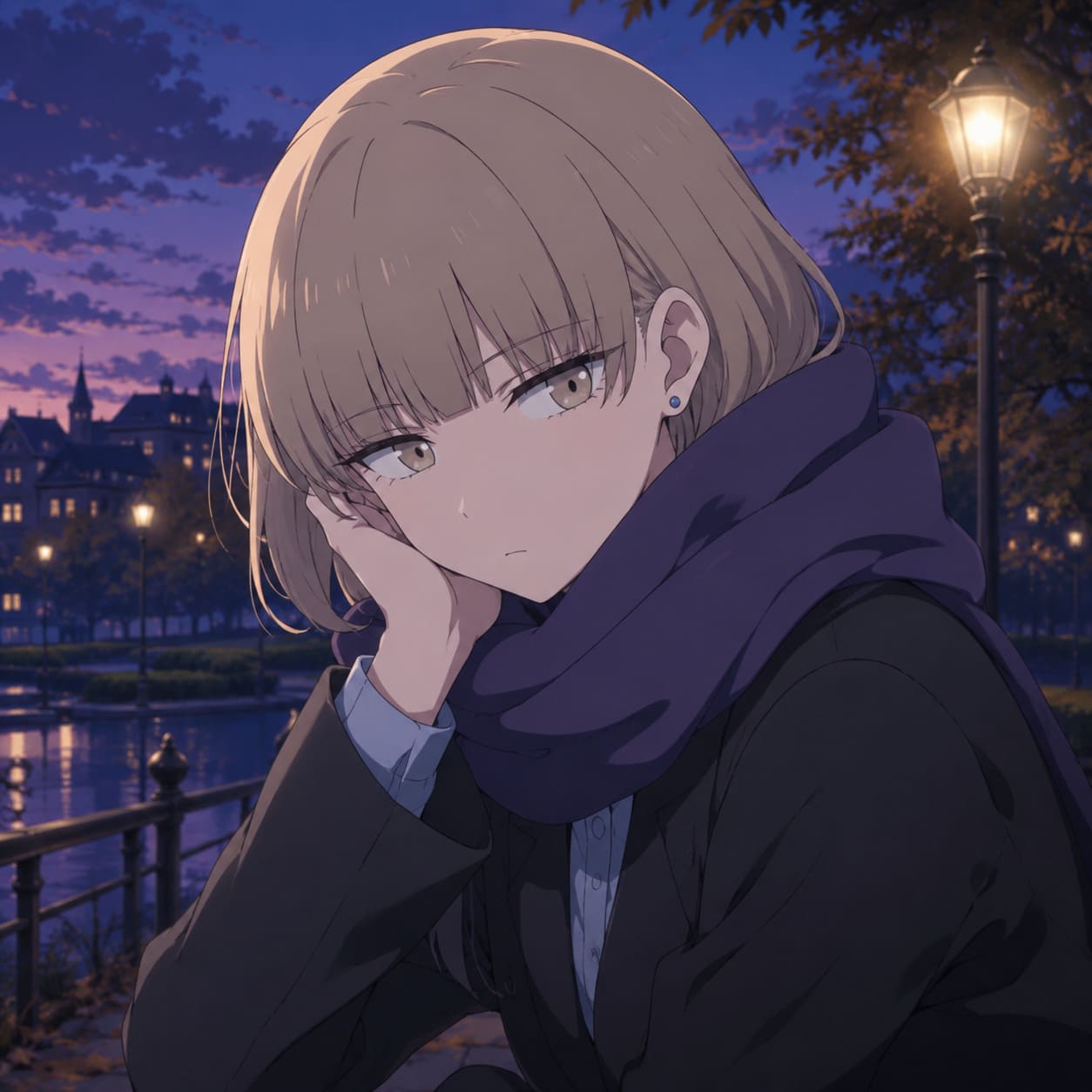
Koyuki constantly “mind-reads” other people. She assumes everyone sees her as annoying, weird, or unwanted. Even when others show kindness, her brain twists it into suspicion. That’s an incredibly authentic detail because people with social anxiety often interpret neutral interactions as negative judgment.
The scary part is that the series never treats this behavior as irrational comedy. It treats it as suffering.
The “Ice Wall” Metaphor Works So Well
The title The Ramparts of Ice isn’t subtle, but it’s effective because Koyuki genuinely builds emotional walls around herself.
She doesn’t isolate herself because she hates people.
She isolates herself because she’s terrified of rejection.
That difference matters.
A lot of readers misunderstand socially anxious characters as cold or arrogant, and the manga intentionally plays with that perception. From the outside, Koyuki looks distant and difficult. But internally, she’s constantly panicking about being disliked.
That contradiction is what makes her writing so strong.
| External Behavior | Internal Reality |
|---|---|
| Short responses | Fear of saying the wrong thing |
| Avoiding groups | Fear of humiliation |
| Flat facial expressions | Emotional shutdown |
| Rejecting others first | Self-protection from rejection |
The manga quietly shows how defense mechanisms can accidentally create the exact loneliness someone fears most.
Koyuki expects rejection, so she pushes people away before they can hurt her. Then people naturally keep their distance, which “confirms” her fears.
It’s a brutal psychological loop.
Minato Isn’t a Savior — And That’s Important
One thing I really appreciated is that Minato doesn’t magically “fix” Koyuki.
Too many romance stories treat mental health like a problem solved by love alone. This manga avoids that trap almost entirely.
Minato matters because he stays consistent. He doesn’t get offended every time Koyuki struggles to communicate. He doesn’t demand immediate emotional openness from her either.
Instead, he creates something socially anxious people rarely experience: emotional safety.
That’s a huge distinction.
Koyuki slowly starts realizing not every interaction has hidden hostility behind it. Minato challenges her distorted assumptions simply by being patient and direct. Their dynamic feels natural because progress happens in tiny increments instead of dramatic breakthroughs.
Honestly, some of the manga’s strongest moments are incredibly small:
- A slightly longer conversation
- A moment of honesty
- Eye contact held for a few extra seconds
- Admitting nervousness out loud
Those scenes sound insignificant on paper, but the manga understands that for someone with severe anxiety, those moments are enormous victories.
Kayo Adds Another Layer to the Story
I think Kayo is one of the most underrated parts of the series.
Her role isn’t just supporting the romance dynamics. She helps Koyuki realize something critical: everyone carries invisible emotional damage.
Before that point, Koyuki views herself as uniquely broken. But seeing Kayo struggle with her own emotional problems forces her perspective outward for once.
That’s actually a realistic part of healing.
People trapped in anxiety often become hyper-focused on themselves because their brains stay locked in survival mode. Empathizing deeply with others can slowly weaken that self-destructive tunnel vision.
The manga handles this beautifully without becoming preachy.
Recovery in This Manga Is Slow — Like Real Recovery

This might be my favorite thing about the entire story.
Koyuki does not suddenly become outgoing.
She doesn’t transform into a completely different person after one emotional arc.
She still struggles. She still overthinks. She still freezes sometimes.
But she gradually learns how to communicate what’s happening inside her head instead of silently collapsing behind emotional walls.
That’s what makes the progression believable.
In many ways, her development resembles real Cognitive Behavioral Therapy techniques:
- Gradual exposure to uncomfortable situations
- Challenging distorted thinking
- Building tolerance for vulnerability
- Learning emotional self-awareness
- Practicing verbal communication during stress
The manga never directly turns into a psychology lecture, but you can absolutely see those ideas embedded into Koyuki’s growth.
And honestly, that realism is probably why so many readers connected to her.
Why Western Fans Connected So Deeply With Koyuki
Over the last few years, anime communities have become much more open about discussing mental health. That’s part of why Koyuki exploded in popularity online.
Fans weren’t just saying:
“She’s relatable.”
They were saying:
“This is exactly how my brain works.”
That’s a completely different level of emotional connection.
Unlike many shy anime heroines, Koyuki’s anxiety isn’t romanticized. The manga shows how exhausting, isolating, and self-destructive it can become when left untreated.
At the same time, it never portrays her as hopeless.
That balance is difficult to achieve.
The story acknowledges that healing is messy and slow while still believing genuine human connection can help people grow beyond their fear.
That’s probably the most powerful message in the entire series.
Final Thoughts
The Ramparts of Ice became one of my favorite modern romance manga because it understands something many stories don’t:
People with social anxiety are not “cold people.”
They’re often deeply emotional people who became terrified of emotional exposure.
Koyuki Hikawa’s journey feels authentic because her walls weren’t built overnight, and they don’t disappear overnight either. Every awkward conversation, every tiny confession, every moment of vulnerability feels earned.
And in a genre full of exaggerated personalities and idealized romance, that honesty makes Koyuki unforgettable.