Where to Start Mushoku Tensei Light Novel After Season 2: The Complete Guide
When Mushoku Tensei: Jobless Reincarnation Season 2 ended, I honestly just sat there staring at the screen for a minute. The final stretch with Paul, Roxy, Zenith, and Rudy hit way harder than I expected, even as someone who already knew this series loved emotional damage. And once the credits rolled, I had the same question a huge part of the fandom had:
“Where do I continue the story?”
The simple answer is Light Novel Volume 13. But after diving into the novels myself, I realized that’s only half the story. The anime adaptation is fantastic — probably one of the best isekai adaptations ever made — yet the novels add so much depth that it almost feels like experiencing the world again for the first time.
If you loved Season 2 and you’re thinking about starting the novels, here’s the real fan-to-fan breakdown of where to begin and why the experience becomes even richer on the page.
The Exact Point Where Season 2 Ends
The Season 2 finale fully adapts Volume 12 of the light novel.
That means your next stop is:
| Anime Episode | Light Novel Coverage |
|---|---|
| Episode 22 | Volume 12 Chapters 8–11 |
| Episode 23 | Volume 12 Chapters 12–13 |
| Episode 24 | Volume 12 Chapter 14 + Epilogue |
So if you want brand-new content immediately after the anime, start with Volume 13.
And honestly? The tone shift surprises a lot of people.
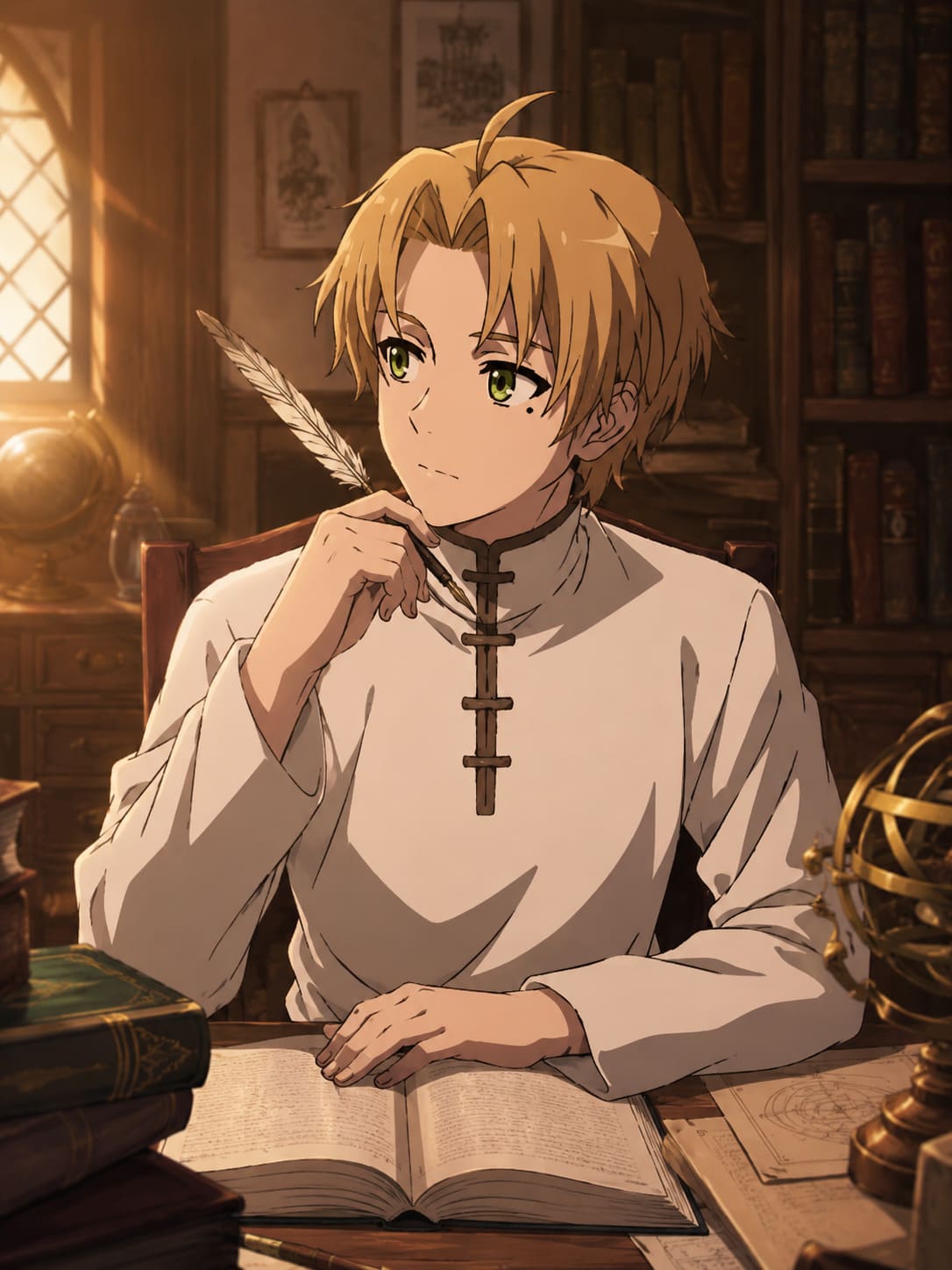
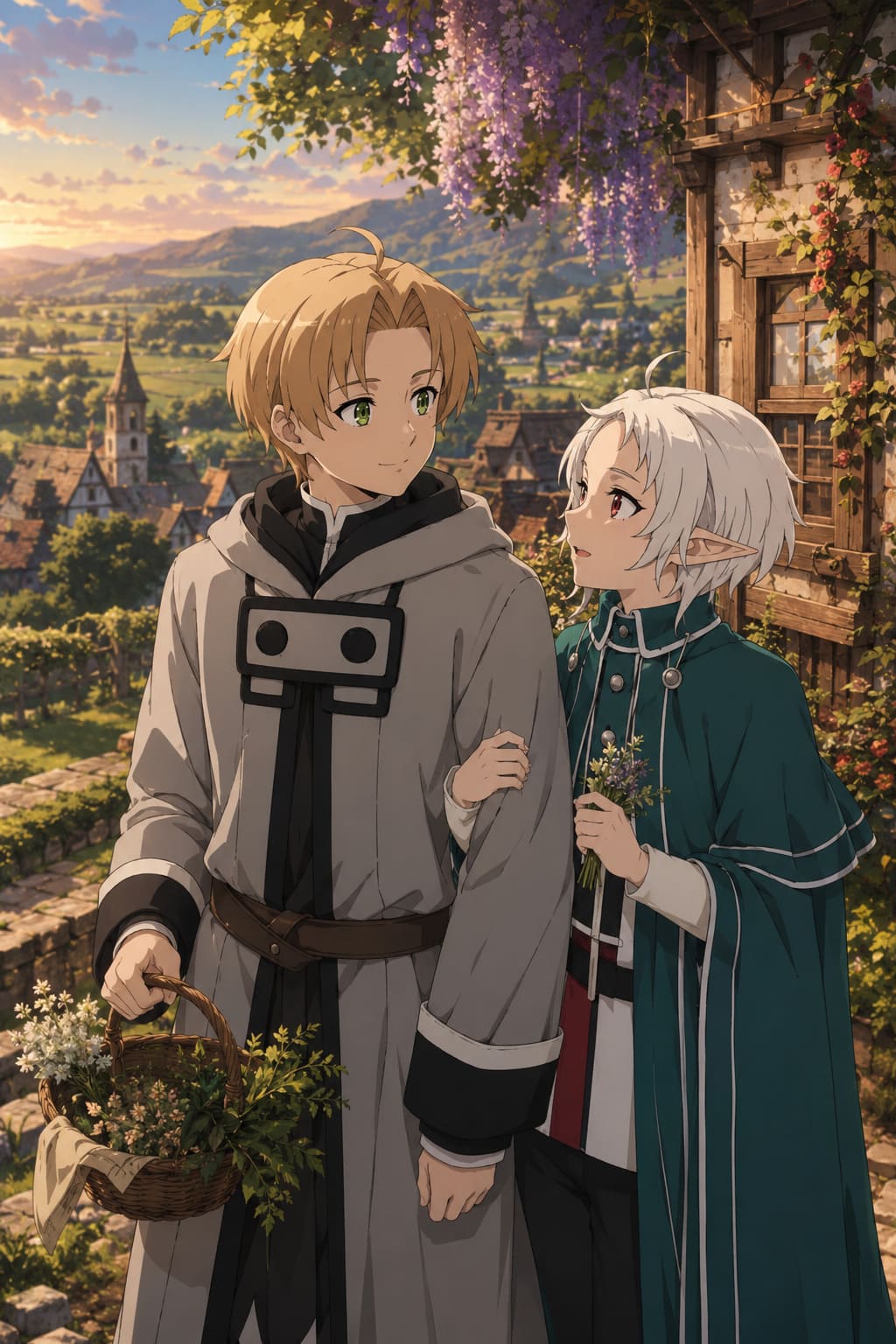
Instead of nonstop dungeon crawling and tragedy, Volume 13 slows things down. It focuses more on family life, relationships, personal growth, and the uncomfortable reality of Rudy becoming an actual adult with responsibilities.
Some fans call this section “slice of life.” I’d describe it more as emotional world-building.
Why Volume 13 Is More Important Than People Think
A lot of anime-only viewers expect the next arc to immediately explode into massive battles and world-ending conflicts.
That does come later.
But what makes Mushoku Tensei special is that it actually allows characters to breathe. Volume 13 is basically the reward — and the emotional recovery period — after the brutality of the Labyrinth arc.
You get:
- Rudy learning how to manage a complicated family
- More quiet moments with Sylphie and Roxy
- Zanoba and Cliff becoming even better characters
- Small hints about future political disasters
- Foreshadowing involving Hitogami and Orsted
And the best part is that the novels spend far more time inside Rudy’s head.
The anime shows his emotions well, but the books let you live inside them.
The Biggest Difference Between the Anime and the Novels
Here’s the thing many anime fans discover quickly:
The light novel version of Rudy feels much more human.
Not always in a good way, either.
The anime smooths over some of his uglier thoughts and compresses his internal monologues to keep pacing tight. In the books, you see every insecurity, every selfish impulse, every regret, and every moment where he’s terrified of ruining his second chance at life.
That extra psychological detail changes entire scenes.
Moments that seemed simple in the anime suddenly become layered and uncomfortable in the novels. And honestly, that’s one reason the story feels so real compared to most isekai series.
Mushoku Tensei Season 3: Split Cour or Full Run? Release Format and Episode Speculation
If You Have Time, Starting From Volume 1 Is Absolutely Worth It
I know not everyone wants to restart from the beginning after already watching two seasons.
But as someone who did it, I genuinely think the first novels elevate the anime instead of replacing it.
The biggest additions are:
1. POV Chapters
One of the novels’ secret weapons is perspective shifts.
You don’t just follow Rudy.
You get chapters from:
- Paul
- Eris
- Roxy
- Sylphie
- Ruijerd
- Zenith
- Ghislaine
These chapters completely change how you view certain characters.
Eris especially benefits from this. The anime captures her growth pretty well, but the novels make her feel far more emotionally vulnerable and conflicted.
2. Better Magic and Sword Lore
The anime explains the basics, but the books go deeper into:
- Mana capacity
- Chantless casting
- Sword God vs Water God styles
- Political influence of magic
- Regional cultures
If you enjoy fantasy systems that actually feel structured, the novels are incredibly satisfying.
3. Rudy’s Depression Arc Hits Harder
Volume 7 especially stands out.
The anime adaptation of the “Quagmire” period was decent, but the novel version is honestly painful in the best possible way.
Rudy doesn’t just feel sad after Eris leaves him.
He feels hollow.
The books spend much more time showing:
- his isolation
- emotional numbness
- self-destructive thinking
- inability to connect with people
That emotional realism is something the anime simply didn’t have enough time to fully portray.
The Volumes Most Fans Recommend Revisiting
If you don’t want to restart from Volume 1, these are the best compromise points:
| Volume | Why It Matters |
|---|---|
| Volume 5 | More Milis world-building and Eris content |
| Volume 7 | The full Quagmire depression arc |
| Volume 9–10 | Better Academy politics and Nanahoshi lore |
| Volume 12 | More detailed Labyrinth exploration |
Personally, I think Volume 7 is the strongest re-read point for anime fans.
That’s where the novels start feeling emotionally heavier than the adaptation.
About the Manga… Yeah, It’s Complicated
A lot of people ask if they should switch to the manga instead of the novels.
I really wouldn’t recommend it.
The manga version of Mushoku Tensei isn’t terrible on its own, but compared to the light novel, it changes the atmosphere too much.
Early on especially, it leans harder into comedy and goofy expressions, which weakens some of the darker emotional moments.
The biggest issue is pacing.
The manga skipped Volume 7 entirely for a long time, which is crazy considering how important that arc becomes for Rudy’s character development.
If your goal is to continue the story properly after Season 2, the light novels are still the definitive experience.
What Happens After Season 2? (Without Spoilers)
Without ruining future arcs, I’ll say this:
The story becomes much larger after Volume 13.
What starts as a personal redemption story slowly transforms into:
- political warfare
- continent-scale conflicts
- divine manipulation
- family legacy drama
- morally gray alliances
And yes, Eris eventually returns.
That reunion alone is worth the wait.
The later arcs involving Orsted, Hitogami, and the Asura Kingdom are where Mushoku Tensei goes from “great isekai” to something genuinely unforgettable.
Final Thoughts
If you just want the continuation:
Start at Volume 13.
But if you truly fell in love with this world, the characters, and the emotional storytelling, I honestly think reading from earlier volumes is the better experience.
The anime gives you the spectacle.
The novels give you the soul of the story.
And that combination is exactly why Mushoku Tensei still feels so different from almost every other fantasy anime out there.