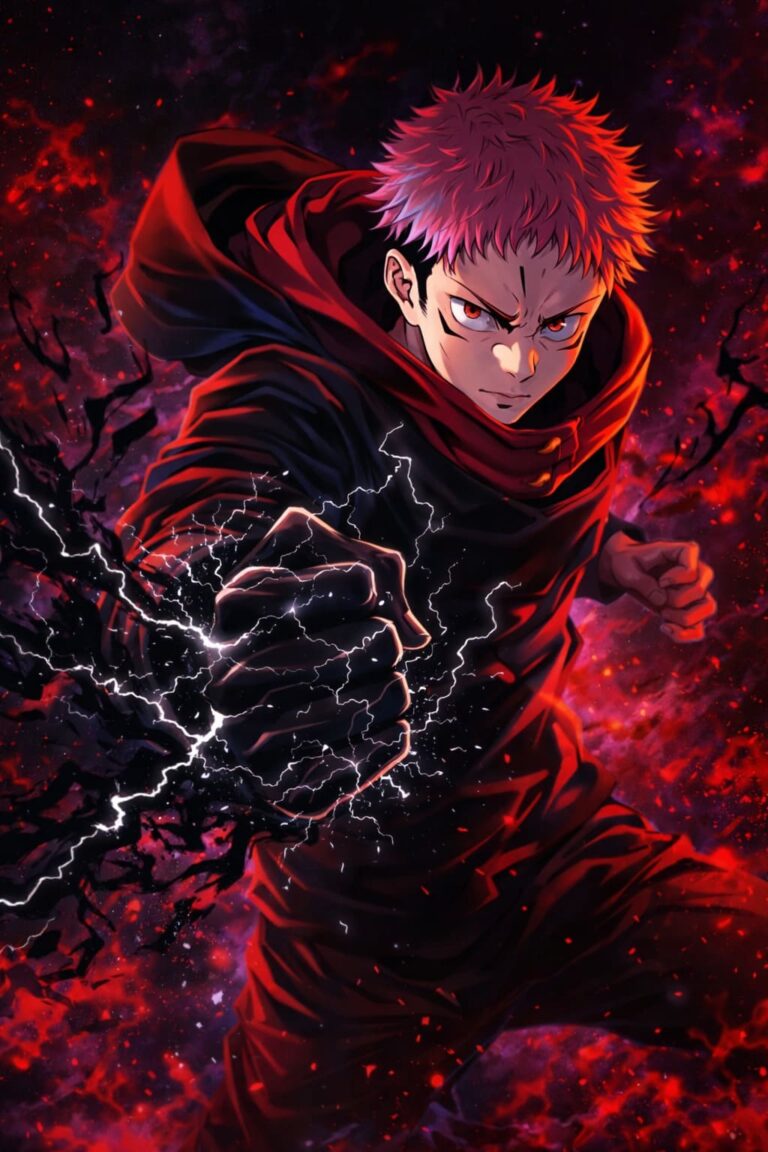
Homura Akemi Akuma vs Ultimate Madoka
The ending of Puella Magi Madoka Magica The Movie: Rebellion didn’t just shock viewers, it fundamentally reframed what power even means in this universe. The clash between Ultimate Madoka and Devil Homura is not a simple showdown between hero and villain. It’s a collision of ideals so extreme that both feel right and wrong at the same time. As a fan, this is what makes Madoka Magica unforgettable.
Read also: Will Madoka remember being a Goddess in Movie 4?
Ultimate Madoka: Salvation Beyond Humanity
When Madoka Kaname made her final wish, she didn’t become stronger in a traditional sense. She stopped being human altogether. By erasing witches across all timelines, Madoka transformed into the Law of Cycles, a living concept that exists outside time, space, and individuality.
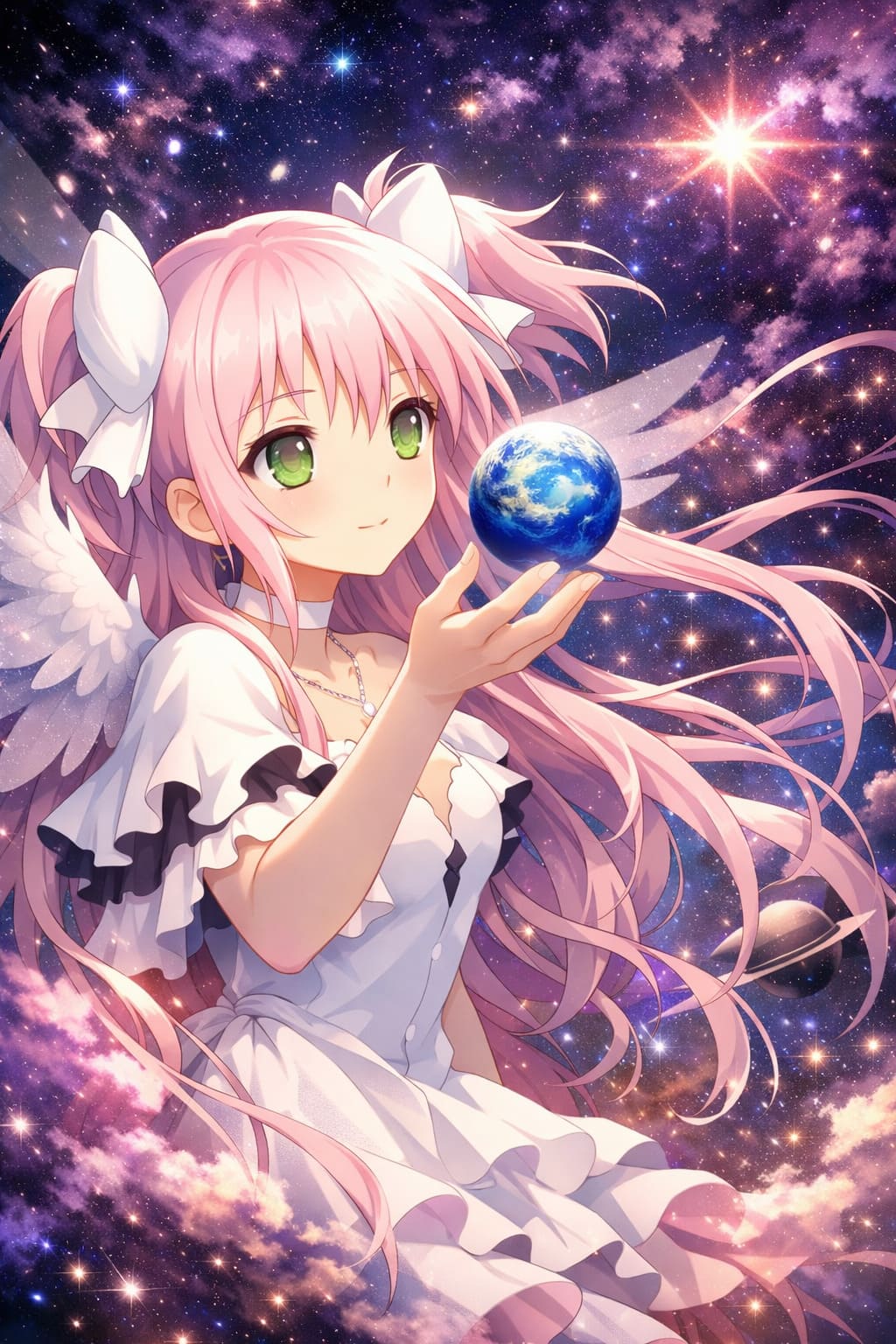
- Existence as a Concept: Madoka no longer lives within the universe, she defines part of how it functions.
- Absolute Reach: Her power operates across timelines, preventing despair before it can take form.
- Total Self-Denial: Madoka sacrifices her body, identity, and future to save others.
Her choice is pure altruism taken to a terrifying extreme. Madoka saves everyone, but removes herself from the world entirely, accepting eternal solitude as the price of hope.
Devil Homura: Love That Breaks Reality
Homura Akemi’s transformation is born not from ambition, but from emotional overload. After more than a hundred timelines of failure, her soul gem fills with something stronger than despair: love so intense it destabilizes the universe itself.
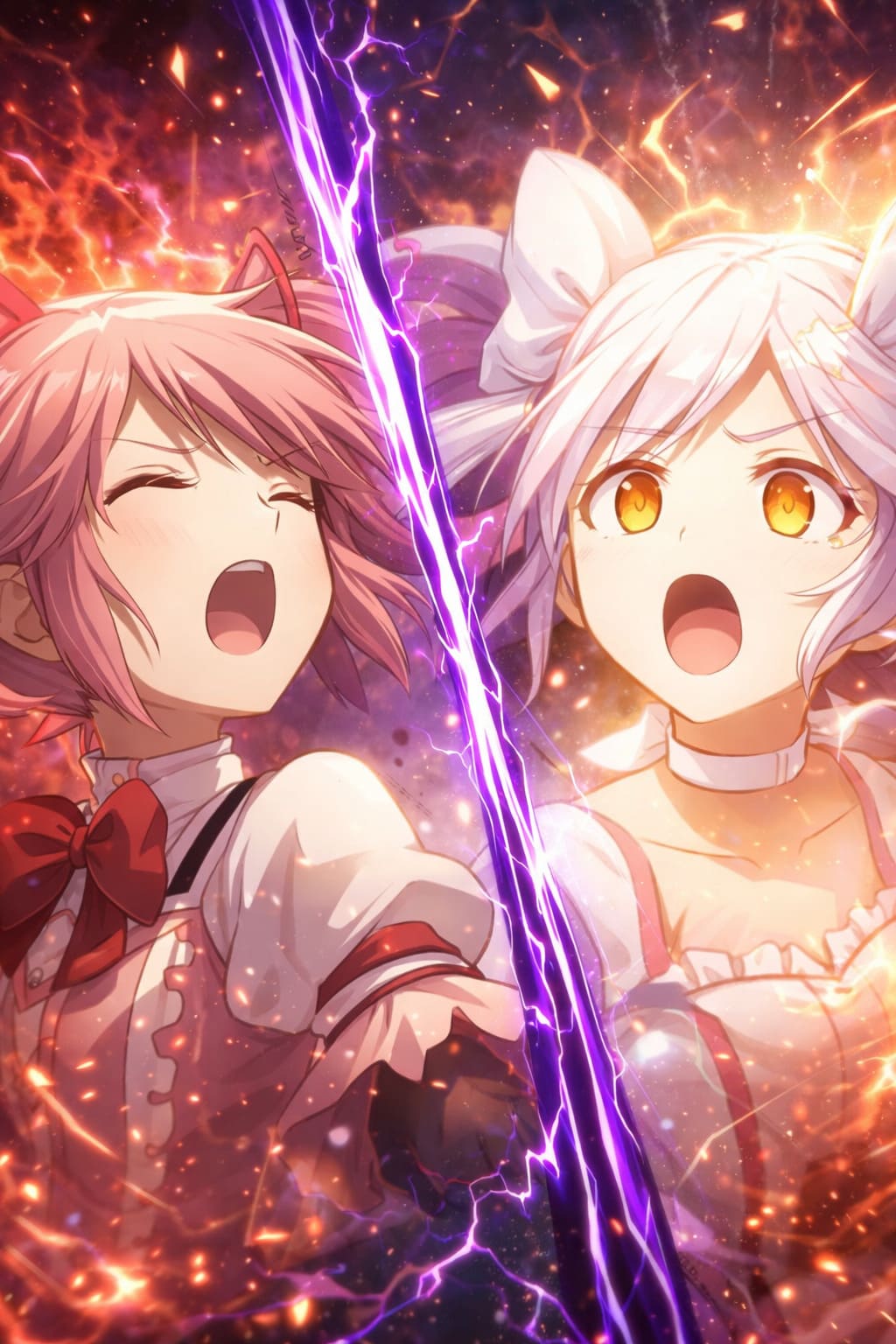
- Reality Rewriting: Using accumulated karmic energy, Homura reshapes existence rather than obeying it.
- Severing a Goddess: She tears Madoka’s human self away from the Law of Cycles.
- Control Through Sin: Homura embraces the role of “evil” to justify her actions.
Homura’s philosophy is brutally personal. To her, Madoka’s sacrifice was never noble, it was abuse disguised as salvation. If the universe demands a child’s eternal suffering, Homura believes that universe deserves to be rewritten.
Read also: Madoka Magica Movie 4 ending leaks
Who Is Actually Stronger?
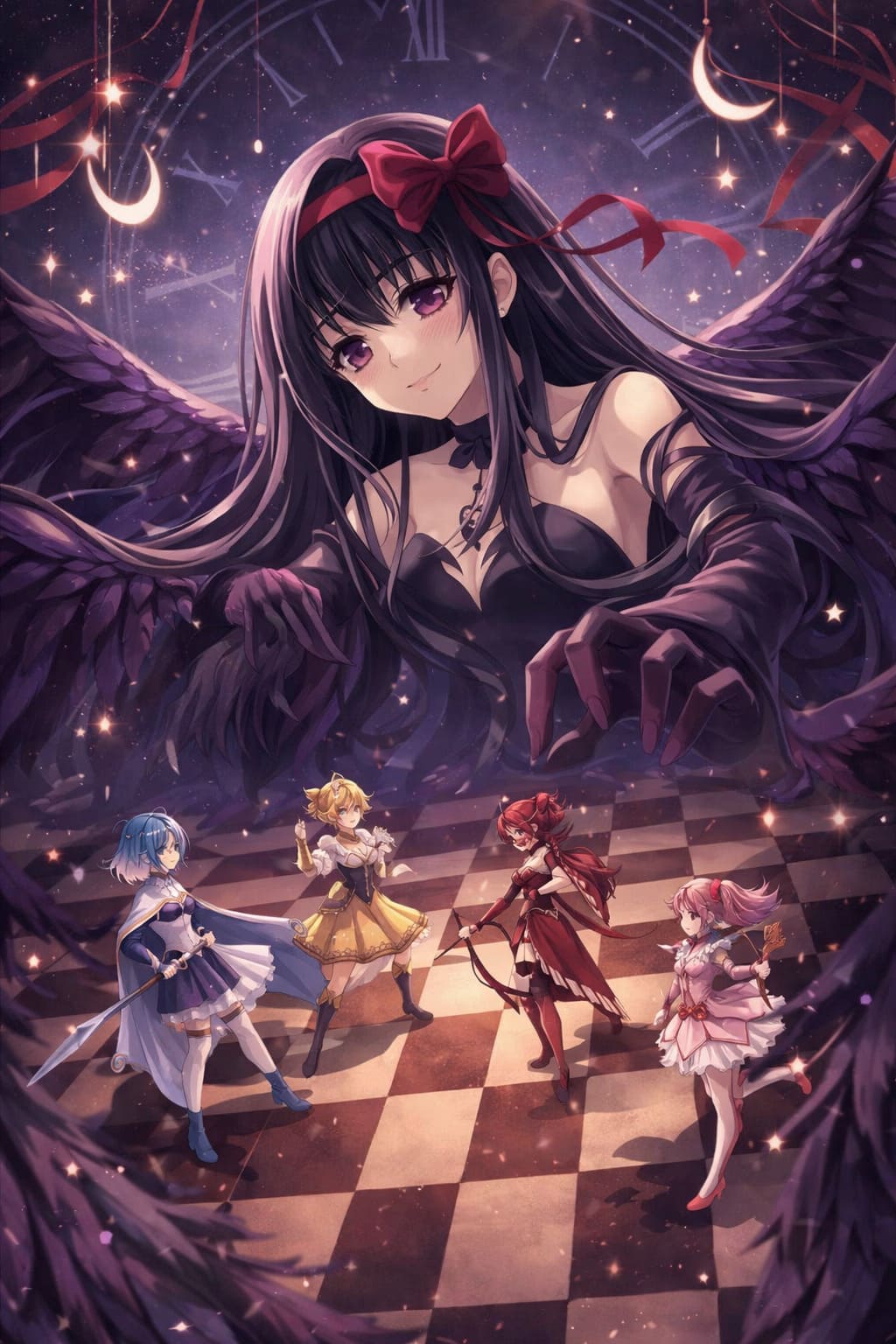
Power-scaling Madoka and Homura misses the point, but the comparison is still fascinating. Madoka possesses infinite reach, while Homura demonstrates terrifying precision. Ultimate Madoka governs reality as a system, but Devil Homura exploits loopholes within that system.
The irony is that Homura’s dominance only exists because Madoka’s memories are suppressed. The moment Madoka fully remembers who she is and reclaims her will, Homura’s world likely collapses. The demon rules only as long as the goddess sleeps.
The Moral Divide at the Core
This is where Madoka Magica truly shines. Madoka gives the universe hope, but removes herself from it forever. Homura gives Madoka a life, but steals choice from everyone else. One sacrifices the self, the other sacrifices the world’s freedom.

Homura calls herself evil not because she doubts her love, but because she understands the cost. She accepts damnation willingly if it means Madoka can wake up every morning as a normal girl.
Two Absolutes, One Tragedy
Ultimate Madoka and Devil Homura are not enemies in the traditional sense. They are two answers to the same impossible question: is universal salvation worth personal annihilation? Madoka says yes. Homura says no.
As long as Homura maintains control, the world remains a fragile illusion built on love and denial. And that fragility is exactly what sets the stage for the inevitable confrontation ahead. In Madoka Magica, no absolute can exist without demanding a devastating price.