Goodbye Lara Anime 2026: Lara Character Analysis and Mermaid Myth Rebirth
When I first heard that Goodbye, Lara was going to reinterpret The Little Mermaid, I assumed it would be another visually beautiful anime that leaned heavily on nostalgia and familiar fairy-tale themes. After watching the early episodes, I quickly realized I was completely wrong.
What makes Goodbye, Lara stand out in the crowded Summer 2026 anime lineup isn’t just its gorgeous animation or emotional soundtrack. It’s the way the series transforms a centuries-old tragedy into a deeply personal story about healing, identity, and learning how to love without losing yourself.
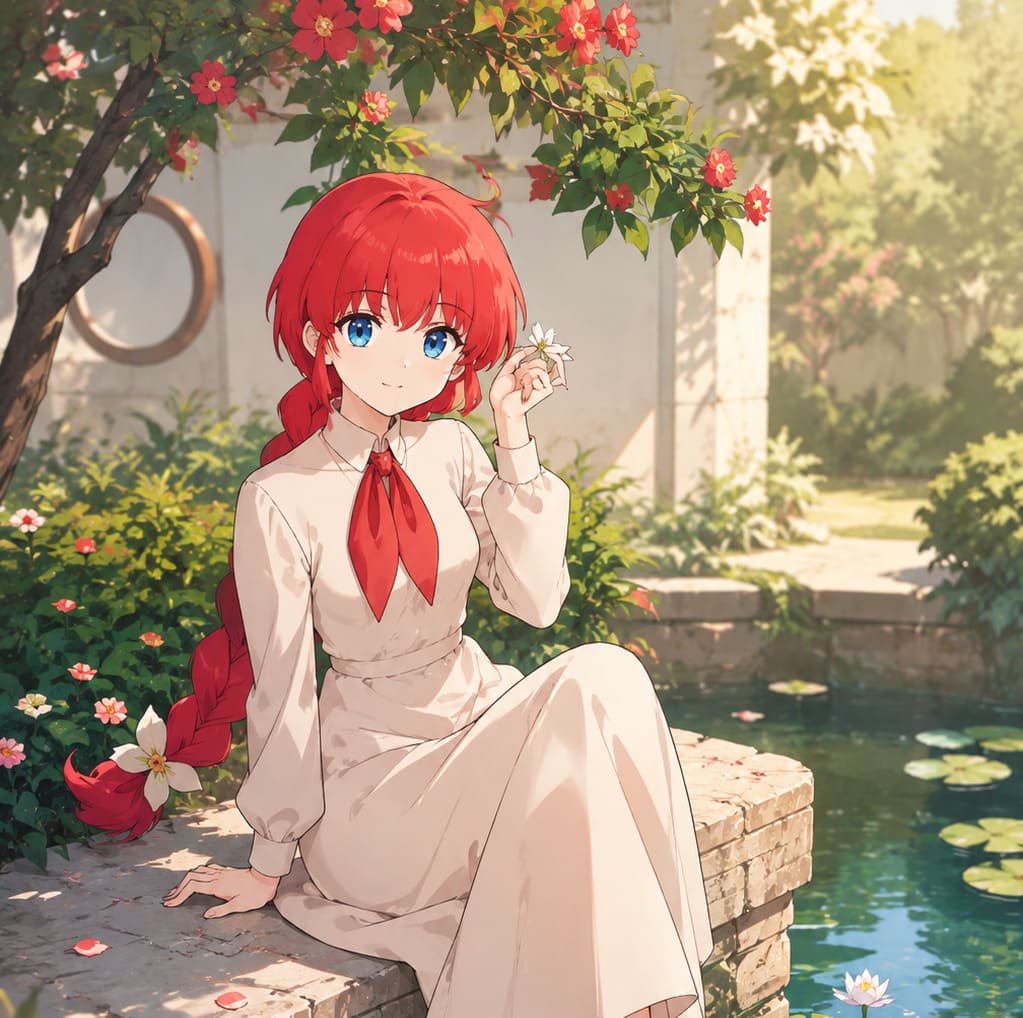
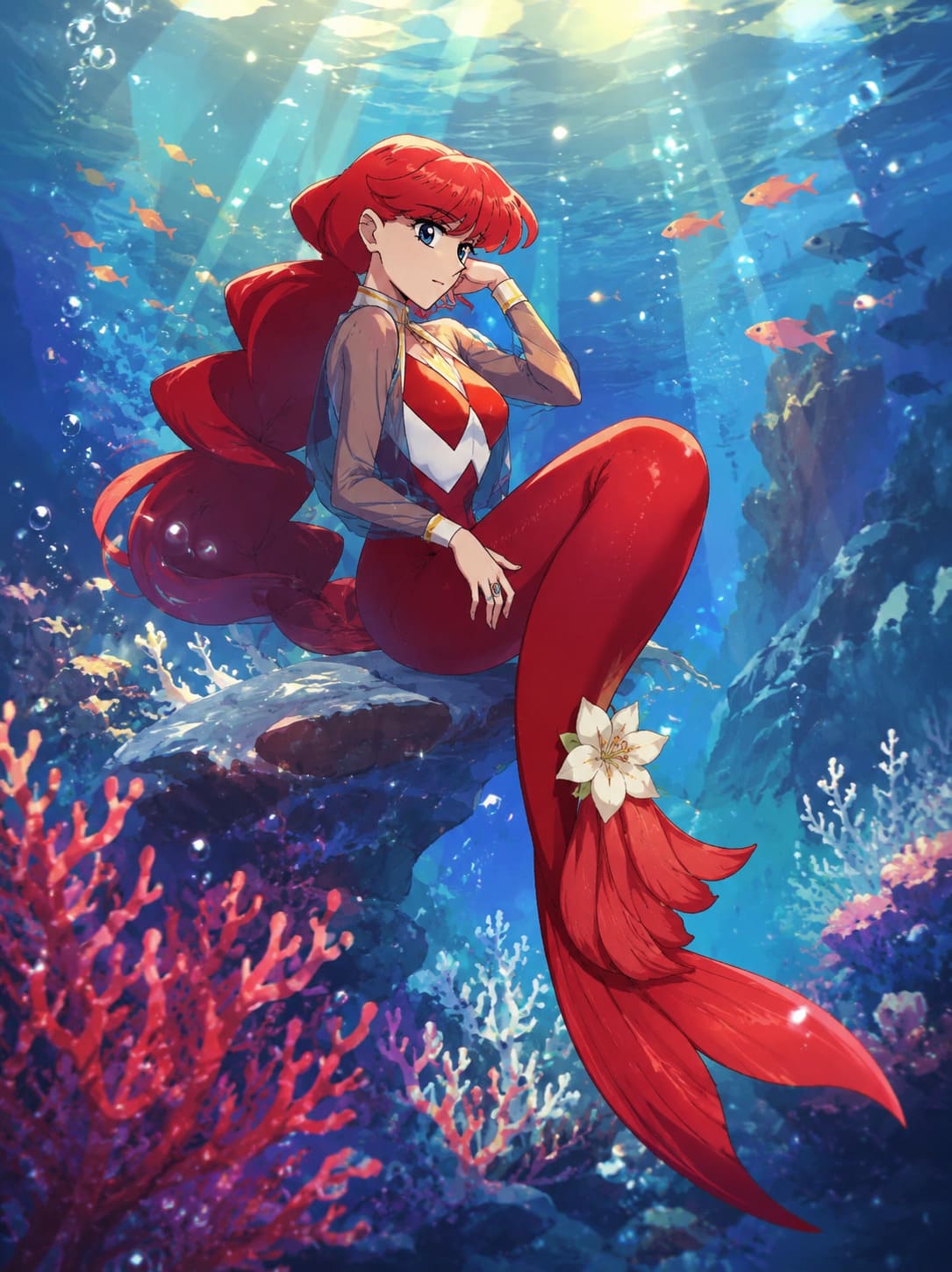
At the center of everything is Lara, a character who could have easily become a cliché. Instead, she feels surprisingly human despite being a mermaid reborn after two hundred years.
A Mermaid Carrying the Weight of the Past
Lara’s story begins long before the events of the anime.
In her previous life, she was a mermaid princess who sacrificed everything for love. She abandoned the safety of her family, accepted a dangerous magical bargain, and chased a dream she believed would complete her life.
It ended in disaster.
Rather than receiving the fairy-tale ending she imagined, Lara lost everything and vanished into sea foam. The emotional impact of that failure shapes every aspect of her character in the present timeline.
What I find most interesting is that Goodbye, Lara doesn’t treat this backstory as simple tragedy. Instead, it explores what happens after the tragedy.
How do you move forward after your biggest mistake defines your life?
That’s the question Lara spends the entire series trying to answer.
Why Lara Feels So Real
Many fantasy protagonists are either overly optimistic or endlessly depressed.
Lara somehow exists between those extremes.
On one hand, she is fascinated by modern life. Watching her discover ordinary things like convenience stores, trains, smartphones, and modern fashion creates some of the show’s funniest moments.
On the other hand, there is always a sense of sadness beneath her cheerful personality.
You can feel that she carries emotional scars she doesn’t fully understand herself.
Some of Lara’s strongest personality traits include:
- Endless curiosity about the human world
- Strong emotional sensitivity
- Determination bordering on obsession
- Fear of abandonment
- A genuine desire to connect with others
These qualities make her incredibly easy to sympathize with. Even when she makes questionable decisions, viewers understand why she behaves that way.
Her past continues to influence her present, and that internal conflict gives the character remarkable depth.
Mari Otsu: The Perfect Counterbalance
One of the biggest reasons Goodbye, Lara works so well is the relationship between Lara and Mari Otsu.
Mari is almost Lara’s complete opposite.
| Character Trait | Lara | Mari |
|---|---|---|
| Outlook | Idealistic | Practical |
| Emotional Style | Open | Reserved |
| Main Motivation | Finding Love | Protecting Family |
| Personality | Gentle | Tough |
| Background | Fantasy World | Realistic Human Life |
This contrast creates some of the best interactions in the series.
Mari doesn’t instantly accept Lara’s romantic worldview. She challenges it.
At the same time, Lara slowly helps Mari become more emotionally honest.
Their friendship never feels forced. Instead, it develops naturally through everyday experiences, making it one of the most believable relationships of the season.
In my opinion, the series is strongest when focusing on these quieter moments rather than its larger mysteries.
The Complicated Role of Luca
If Mari represents stability, Luca represents uncertainty.
The moment viewers discover that Luca resembles the prince from Lara’s past life, the entire story becomes more complicated.
Naturally, Lara is drawn toward him.
But here’s where the anime becomes smarter than many similar romance stories.
Lara initially isn’t interested in Luca as an individual.
She’s interested in what he represents.
- He looks like her lost prince.
- He looks like unfinished business.
- He looks like a second chance.
The anime repeatedly asks whether those reasons are enough.
As the story progresses, Lara is forced to confront an uncomfortable truth: loving someone because they remind you of another person isn’t actually love.
That realization becomes one of the most important steps in her emotional growth.
The Symbolism That Makes the Series Special
One thing I absolutely love about Goodbye, Lara is its visual storytelling.
The series constantly uses water imagery to communicate Lara’s emotional state.
Some recurring symbols include:
Bubbles
Bubbles appear throughout the anime whenever Lara feels vulnerable, anxious, or overwhelmed.
Because she once dissolved into sea foam, bubbles serve as a reminder of both her death and her fear of losing herself again.
The Lake
Unlike the limitless ocean from her past, Lake Biwa is enclosed by land.
This is a brilliant metaphor.
The ocean represented freedom but also loneliness.
The lake represents limitations, responsibility, and connection to other people.
Lara can no longer escape from her problems by disappearing into an endless horizon.
Reflection
Water reflections frequently appear during emotionally important scenes.
These moments often emphasize Lara’s struggle between who she was and who she wants to become.
The symbolism is subtle enough to avoid feeling heavy-handed while still adding extra meaning for attentive viewers.
Music That Elevates Every Scene
Anime fans often focus on animation quality, but the soundtrack deserves equal praise.
The opening theme immediately captures the tone of the series.
It feels hopeful without ignoring the sadness that defines Lara’s journey.
Meanwhile, the ending theme provides a softer and more reflective atmosphere.
There were multiple scenes where the music transformed a simple conversation into something genuinely emotional.
The soundtrack doesn’t just accompany Lara’s story.
It helps tell it.
Where to Watch Goodbye Lara English Subtitles Uncensored Anime 2026 Online
More Than a Romance Anime
A lot of marketing has focused on the romantic elements, but I honestly think that undersells what Goodbye, Lara is trying to accomplish.
At its core, this is not a story about finding a boyfriend.
It’s a story about finding self-worth.
Lara spent her first life believing that love required complete sacrifice.
She believed happiness could only come from another person.
Her second life challenges those assumptions.
Throughout the series, she gradually learns that:
- Love should not erase your identity.
- Relationships require mutual understanding.
- Family can be as important as romance.
- Healing takes time.
- Personal growth matters as much as emotional connection.
These themes resonate because they apply to real life, not just fantasy worlds.
Final Thoughts
After several episodes, I can confidently say that Goodbye, Lara has become one of my favorite new anime of 2026.
What impressed me most wasn’t the fantasy premise or the beautiful visuals, although both are excellent. It was Lara herself.
She feels like a character trapped between two worlds: past and present, fantasy and reality, memory and possibility.
Her story isn’t about becoming perfect.
It’s about learning that failure doesn’t have to define the rest of your life.
That message gives Goodbye, Lara a surprising emotional maturity that many modern anime never reach.
If the series maintains this level of writing throughout the season, I genuinely believe it could become one of Kinema Citrus’ most memorable original productions. Whether you’re interested in character-driven drama, fantasy storytelling, slice-of-life relationships, or thoughtful romance, Lara’s journey is worth experiencing.
And honestly, by the end of the first few episodes, I wasn’t watching to see whether Lara would finally find true love.
I was watching because I wanted to see her finally find peace.