Misanthrope Teaches a Class for Demi-Humans: Anime vs. Manga Comparison
As a fan of A Misanthrope Teaches a Class for Demi-Humans, I’ve often found myself debating with fellow fans about which version of this series delivers the most satisfying experience: the original manga or its animated adaptation. Both have their strengths and weaknesses, but after consuming both, I’d argue that the anime brings a vibrant, accessible take on this intriguing world, while the manga dives deeper into the character-driven exploration of its misanthropic protagonist.
Here’s my take on the differences between the two, especially from a fan who leans towards the anime side.
1. Tone: Cynicism vs. Slapstick
The manga, true to its roots, carries a much darker, more cynical tone. It’s raw, philosophical, and not afraid to delve into the crux of societal issues, wrapped in its grim humor. The protagonist’s internal monologues are sharp, introspective, and critical of the world. It’s a series that asks big questions.
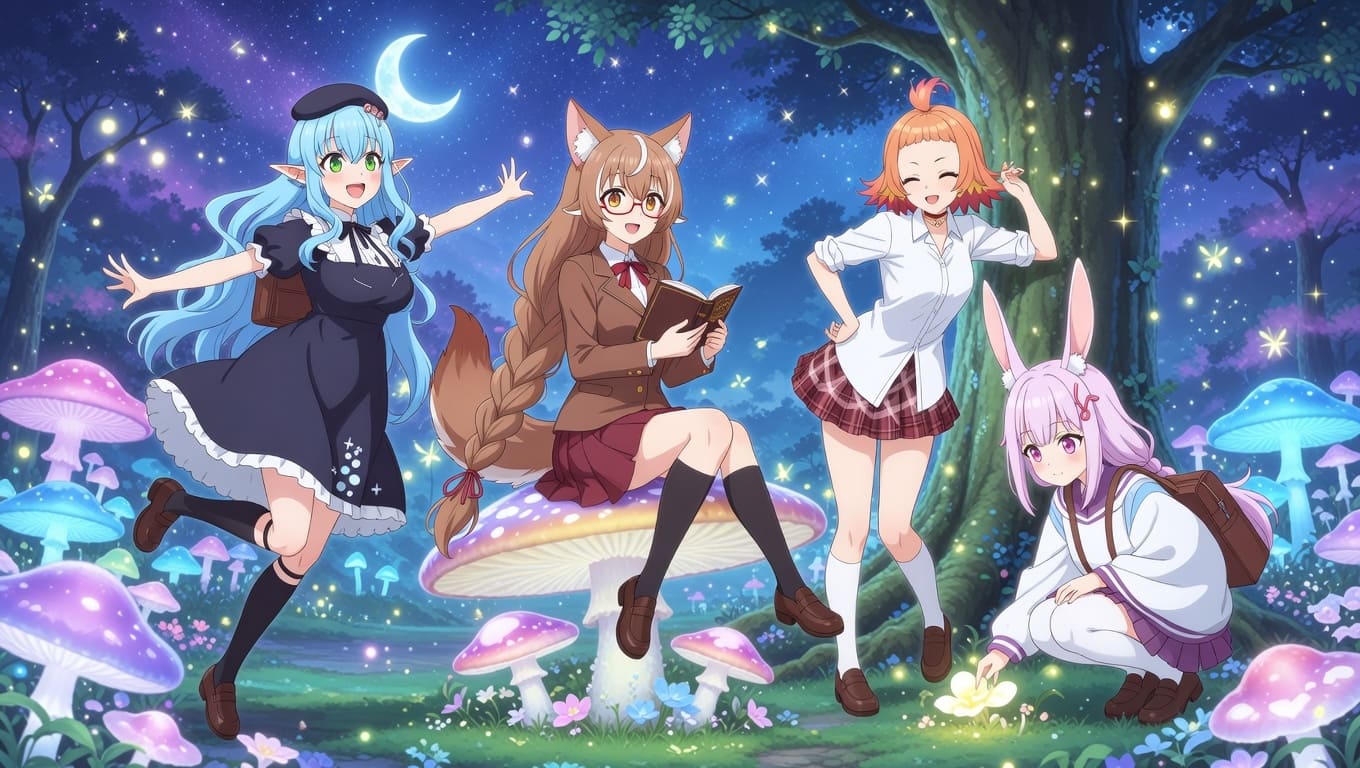
The anime, however, leans into a more slapstick style of comedy, with exaggerated reactions and lively voice acting that brings some of the humor to life. Sure, the cynicism is still there, but it’s mixed with explosive gags and visual jokes that keep the tone lighthearted, making it feel more like a fun ride than an introspective journey.
2. Character Development: The Protagonist vs. The Demi-Humans
In the manga, we get a deeper, richer experience of the teacher’s internal world. His slow transformation from a world-weary misanthrope to someone who slowly (and reluctantly) cares for his students is carefully built, often through detailed internal dialogues and philosophical rants. His development feels earned.
The anime, on the other hand, glosses over some of that depth for the sake of pacing. It introduces characters quickly, with a greater focus on the visual dynamics of the students. It’s fast-paced and skips over some of the lore-heavy backstories for the sake of a more digestible viewing experience. This is where fans of the manga might feel the anime cuts corners.
3. Pacing and Story Arcs: Slow-Burn vs. Quick Fix
Let’s talk about pacing. The manga has a slow-burn feel to it, with each chapter building up character relationships and world-building in a more episodic fashion. There’s a sense of progression, but it never feels rushed.
The anime, in contrast, moves at a much faster pace, often skipping filler chapters to get to the main plot. This results in a smoother but somewhat less detailed narrative. While the anime delivers satisfying climaxes, it can sometimes feel like we’re missing out on the more nuanced aspects of the original source material.
| Feature | Manga Version | Anime Version |
|---|---|---|
| Pacing | Slow-burn, episodic | Fast-paced, skips filler chapters |
| Character Intros | Gradual, more reflective | Quick, introduces the “class” dynamic |
| World-Building | Detailed, lore-heavy | Context through visuals and dialogue |
| Tone | Dark, philosophical | Lighthearted, gag-oriented |
4. Visuals: Dark Aesthetics vs. Vibrant Animation
When it comes to art style, manga fans will appreciate the gritty, detailed linework that emphasizes the monstrous nature of the demi-humans. The characters often look uncanny and unsettling, especially the more grotesque creatures, reflecting the teacher’s initial aversion to his students.
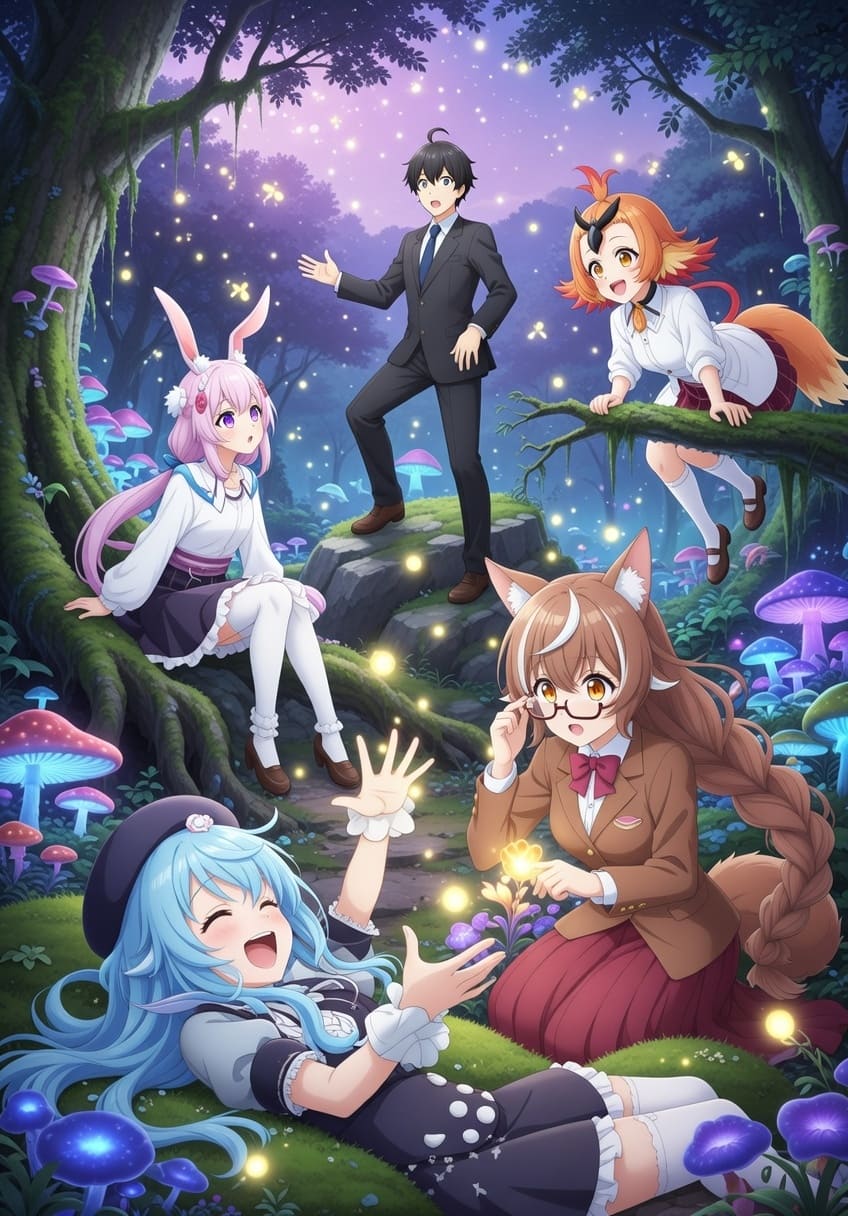
On the other hand, the anime softens those designs and introduces vibrant, colorful animation that brightens the tone of the series. It’s visually appealing and brings the demi-humans to life, but some fans (myself included) feel that it loses the “danger” of the original designs. The monster girls look a bit too cute here, which sometimes detracts from the sense of otherness that the manga emphasizes.
5. Censorship and Fan Service
While both versions contain fan service, the manga dives deeper into the body-horror aspects of demi-human biology, often giving the monsters a realistic, raw feel. It doesn’t shy away from showing the grittier side of these creatures, which makes the world-building feel more authentic.
The anime tends to sanitize these aspects, reducing the body horror elements and focusing more on the ecchi, moe tropes common in Seinen anime. It leans into the “cute monster girls” dynamic, leaving some of the darker, grosser elements from the manga behind.
6. Why I Prefer the Anime
For me, as someone who loves vibrant animation, dynamic characters, and sharp voice acting, the anime is a no-brainer. While it may not have the same depth as the manga, it excels in bringing the world to life, with strong performances from the voice cast (the teacher’s deadpan delivery is iconic). It’s an easy, quick way to experience the series, with just the right mix of humor and action.
7. Why the Manga Might Be Better for Some
However, if you’re looking for character-driven storytelling, deep philosophical musings, and detailed world-building, the manga is where it’s at. It’s a slow-burn experience that challenges you to think about the nature of humanity, society, and the complexities of being an “outsider.” It’s definitely a more introspective journey.
Essential reading: Asura’s Verdict Chapter 28: Release Date, Predictions, and Recap
Final Thoughts: Manga or Anime?
Both versions of A Misanthrope Teaches a Class for Demi-Humans offer something unique. The anime is perfect for a quick, high-energy viewing experience with gorgeous animation, while the manga is a more thoughtful, detailed exploration of the protagonist’s world-weary perspective. It all comes down to what you’re looking for in your entertainment.
Manga Fans will appreciate the darker, more philosophical narrative, while anime fans can enjoy a colorful, fun adventure with the same characters and world.