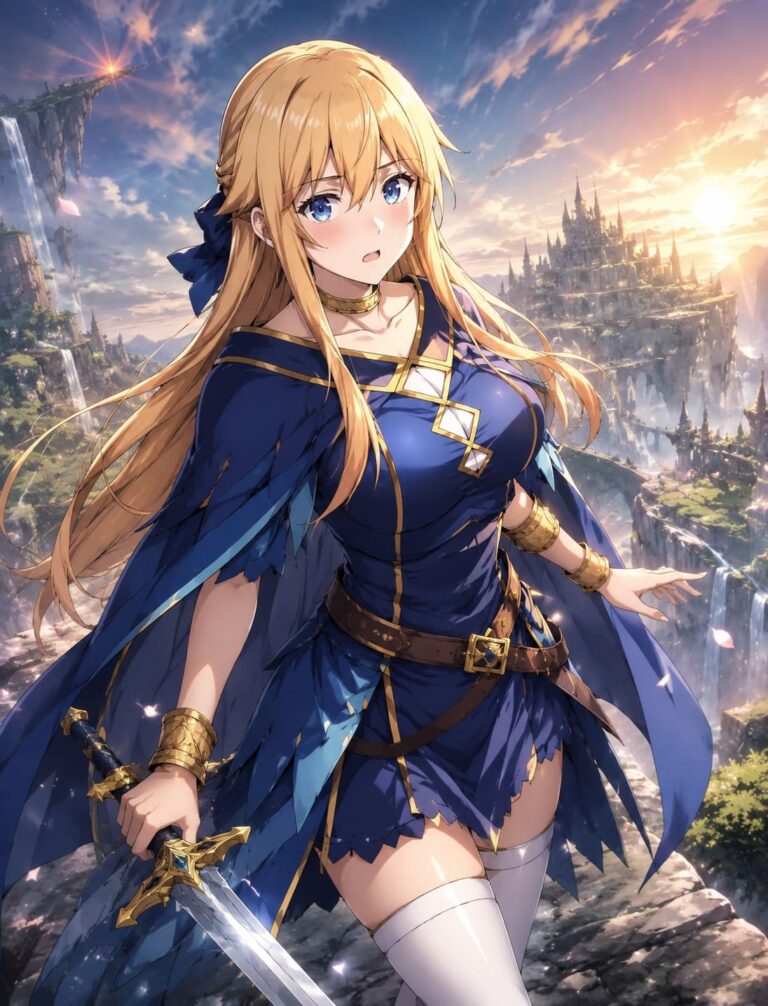
Wistoria: Wand and Sword Power System Explained – Magic, Swords, and the Mystery of “Wis”
If you’re tired of generic “mana + spells = power” systems in anime, Wistoria: Wand and Sword hits differently. At first glance, it looks like just another magic academy story—but the deeper you go, the more you realize it’s quietly building one of the most layered and thematic power systems in recent anime.
As someone who genuinely enjoys dissecting power mechanics in shows, I can say this: Wistoria isn’t just about magic—it’s about what happens when magic fails you.
A World Where Magic Defines Your Worth
In the world of Wistoria: Wand and Sword, everything revolves around magic. Society is built on a pretty brutal idea: if you don’t have magic, you don’t matter. At the center of this system is the massive tower known as Mercedes Caulis, which maintains a protective barrier—a “false sky”—keeping humanity safe from external threats.

How magic works (on paper):
- Mana – Every mage has an internal pool of magical energy
- Wands – Required for almost all spellcasting
- Chants & Circles – Spells require precise incantations
- Elemental Affinity – Most mages specialize in one element
Characters like Sion Ulster with flame magic and Elfaria Albis Serfort with overwhelming ice abilities represent the peak of this system—gifted, specialized, and terrifyingly powerful.
But here’s the thing… this system is incomplete.
Hope You’re Happy, Lemon Chapter 91: Release Date, Fan Analysis & What to Expect!
The Mage Hierarchy Feels Like a Wall You Can’t Break
The power structure is extremely rigid, which makes it feel realistic—but also suffocating.
| Rank Tier | Description |
|---|---|
| Magia Vander | The absolute strongest mages, essentially kings of magic |
| Tower Ascendants | Elite mages who climb the tower |
| Academy Students | Future candidates ranked by performance |
The Magia Vander aren’t just powerful—they literally maintain the world’s balance. That’s why figures like Elfaria aren’t just talented—they’re essential pillars of society.
And then you have Will.
Will Serfort: The Glitch in the System
Will Serfort is what makes this power system truly stand out. He cannot use magic at all. No spells, no circles, not even the most basic techniques.
In a world where magic equals value, Will is treated like a failure. But instead of being useless, he becomes something far more dangerous.
What makes Will unique:
- Extreme physical abilities – Speed, reflexes, and durability far beyond normal humans
- Battle intelligence – He studies magic instead of casting it
- Adaptability – He reads spells and reacts in real time
This is where Wistoria separates itself from typical anime. Instead of giving the protagonist hidden magic, it builds an entirely different path to power.
The “Sword” Was Never Obsolete
The series gradually introduces a forgotten truth: before magic dominated everything, there was balance between wand and sword.
Sword users are seen as relics of the past, but through Will, it becomes clear that physical combat isn’t outdated—it’s actually a natural counter to magic.
And then comes the most important concept in the entire system.
“Wis” — The Most Interesting Ability in the Series
The concept of Wis completely flips the established rules of magic.
What Wis does:
- Absorbs magic instead of casting it
- Stores energy inside the user’s body
- Allows that power to be transferred into weapons
Instead of the usual flow of Mage → Wand → Spell, Wis creates a new dynamic: Magic → Body → Sword → Impact.
This alone makes the system feel fresh and unpredictable.
The “White State” Feels Like a True Awakening
When Will fully activates Wis, he enters what is known as the White State.
- Massive increase in physical stats
- Speed and strength rival top-tier mages
- Ability to break through magical defenses
For a limited time, he becomes comparable to the strongest figures in the world. It’s not permanent, which makes it feel earned rather than overpowered.
Prime Pathos: Power Fueled by Emotion
Later, Wis evolves into Prime Pathos, a more advanced and personal form of power.
Instead of relying on external magic, Will generates strength from his own emotions, memories, and mental state.
- Emotion-based power amplification
- No need for external magic sources
- Extremely draining and unstable
This adds a deeper narrative layer, making his power feel connected to his character rather than just mechanics.

Faction System Adds Another Layer
Within the tower, power is also divided into factions, each representing a different philosophy.
- Lightning Faction – Focuses on both physical strength and magic balance
- Ice Faction – Pure magical mastery and precision
- Light Faction – Experience, wisdom, and deep connection to the system
This division adds strategic depth and reinforces the idea that there is no single path to power.
So… How Strong Is Will Really?
| Form | Power Level |
|---|---|
| Base Form | Top-tier among students |
| Against Elites | Can outplay experienced mages |
| Wis Activated | Mage-killer level |
| Prime Pathos | Potential top-tier threat |
The scaling is dynamic rather than linear, which keeps fights unpredictable and engaging.
Why This Power System Actually Works
Many anime introduce interesting mechanics, but few integrate them into the story’s core themes as effectively.
- Conflict between talent and effort
- Magic versus physical mastery
- Tradition versus forgotten history
- Individual growth versus societal expectations
Will represents all of these ideas at once, making his journey more meaningful than just getting stronger.
Final Thoughts (From a Fan Perspective)
What makes Wistoria: Wand and Sword stand out is how patiently it builds its system. It establishes clear rules, earns your trust, and then slowly breaks those rules in meaningful ways.
The introduction of Wis is not just a power-up—it’s a statement that the world was never meant to rely on magic alone.
Will Serfort isn’t just an underdog protagonist. He’s the bridge between two systems that were always meant to coexist.