Tank Chair vs. Dorohedoro: Exploring the Raw, Chaotic Beauty of Modern Manga Art
As a longtime manga fan, I often find myself drawn to series that feel alive—not just in story, but in the very way the art hits the page. Recently, one title has caught the attention of anyone who loved the gritty, surreal chaos of Dorohedoro: Tank Chair (Battle Wheelchair) by Manabu Yashiro.
Fans are calling it “the spiritual heir to Q Hayashida’s masterpiece,” and after diving into it, I can see why.
At first glance, you might think the comparison is just surface-level: messy linework, grotesque character designs, and a love for violence.
But dig a little deeper, and you realize that Tank Chair shares not only aesthetic DNA with Dorohedoro but also a philosophy of storytelling, world-building, and visual chaos that’s rare in modern manga. Let’s break down why this series has manga lovers buzzing.
Tomb Raider: The Legend of Lara Croft Season 2 – The Epic Finale You Didn’t Know You Needed
1. The Gritty, “”Hand-Sketched”” Aesthetic
The first thing any Dorohedoro fan notices is the raw, textured art style. Q Hayashida’s panels are famous for looking like they were drawn on sandpaper. Every line has weight, every background is layered with grime, pipes, and cluttered architecture that feels lived-in and dangerous. There’s a sense of history in the drawings—like the world existed long before we opened the manga.
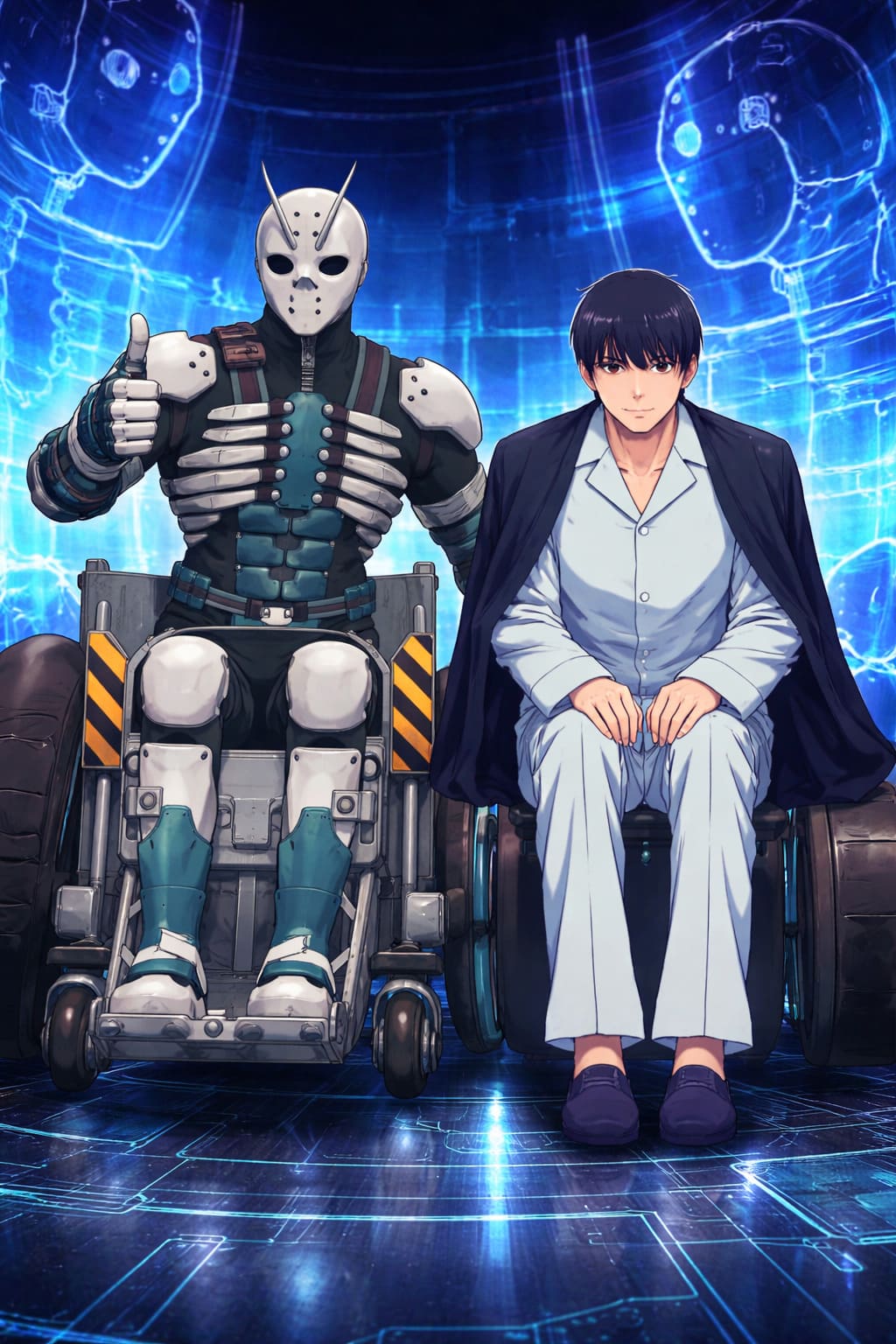
Tank Chair takes this philosophy and turbocharges it. Manabu Yashiro’s art is sharper and denser, with heavy blacks and precise cross-hatching that scream mechanical brutality. Where Hayashida’s chaos feels like rusted, ancient decay, Yashiro’s grit is alive—wet, fast, and violent. Nagi Taira’s armored wheelchair dominates panels with an almost tactile sense of weight, as if you could reach out and feel the cold steel.
In short: Both series reject digital “cleanliness” in favor of texture, but while Dorohedoro whispers grime, Tank Chair shouts metal and blood.
2. Characters as Extensions of Violence
One of the things that make Dorohedoro unforgettable is its characters. They’re massive, scarred, and designed to feel real. Think Noi or Kaiman—characters with imposing physical presence and personality in every muscle and scar. Hayashida refuses to draw humans like fragile dolls; her characters feel like they could break through the page at any moment.
Tank Chair embraces a similar philosophy but takes it literally. Nagi Taira’s wheelchair isn’t just a tool—it’s a weaponized extension of his body. His design channels industrial aesthetics with jagged, heavy machinery, perfectly reflecting the chaos of the series’ fight scenes. It’s a clever evolution of Hayashida’s “bodies as weapons” concept: in this case, the machine and the human are inseparable.
- Dorohedoro: Human bodies convey power and resilience, grounded in a realistic, textured style.
- Tank Chair: Physicality extends to machinery; action feels industrial, raw, and kinetic.
3. Dark Humor in Brutality
Where many violent manga can feel relentlessly grim, both Dorohedoro and Tank Chair balance gore with absurd humor. In Dorohedoro, you might see someone dismembered in one panel and eating gyoza in the next. The contrast makes the world feel chaotic yet alive—dangerous, but also oddly familiar in its unpredictability.
Tank Chair carries this torch with its own unique flair. Nagi only wakes when combat arises, leading to situations that are simultaneously horrifying and hilarious. The juxtaposition of over-the-top battles with Nagi’s peculiar triggers creates a rhythm of tension and laughter that keeps readers hooked. It’s dark comedy done right.
Takeaway: Both series use highly detailed, grim worlds as a stage for absurd, almost cartoonish moments of levity.
4. Environmental Storytelling That Speaks Volumes
Another thing that sets these manga apart is their use of backgrounds as characters. In Dorohedoro, every corner of the Hole—every alley, pipe, and crumbling building—tells a story. The environments feel alive and lived-in, reinforcing the series’ crust-punk vibe.
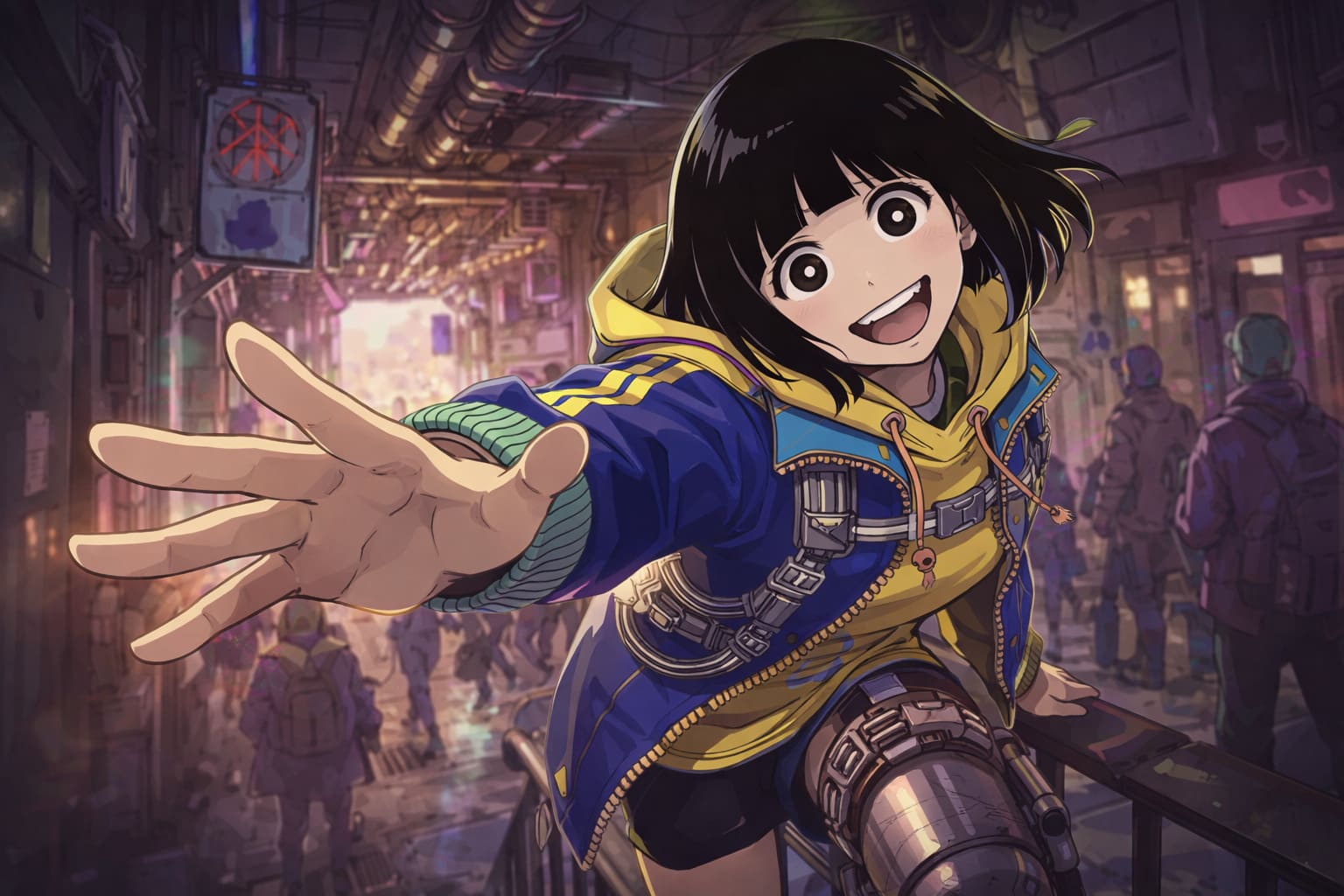
Tank Chair mirrors this approach but through a cyber-industrial lens. Rusted factory ruins, high-speed debris, and mechanical detritus aren’t just backdrops—they amplify the intensity of the story and the violence on the page. Yashiro understands that environment isn’t just scenery; it’s a narrative tool.
5. Comparing Styles Side by Side
| Feature | Dorohedoro (Q Hayashida) | Tank Chair (Manabu Yashiro) |
|---|---|---|
| Linework | Scratchy, textured, organic | Sharp, dense, high-contrast |
| Environment | Urban decay, pipes, magical grime | Industrial ruins, high-speed debris |
| Action | Heavy, impactful, slightly surreal | Fluid, mechanical, high-octane |
| Character Design | Realistic, massive, scarred | Mechanized, weaponized, brutalist |
| Vibe | Crust-punk, dark fantasy | Cyber-punk, high-octane action |
6. Why Dorohedoro Fans Will Love Tank Chair
If you adored Dorohedoro for its artistic rebellion against polish, Tank Chair will feel like coming home. It continues the legacy of valuing authenticity over perfection, of letting the artist’s personality bleed into every panel. Yashiro isn’t trying to smooth over the rough edges—he’s amplifying them for a modern, digital-savvy audience.
Additionally, the series is gaining recognition in its own right. A recent nomination for the Next Manga Awards shows that Yashiro is doing more than copying a style—he’s evolving it, proving that this chaotic aesthetic can thrive in contemporary manga without losing its raw charm.
In short: Tank Chair isn’t just a tribute—it’s a continuation, an evolution, and, for fans of grotesque, kinetic art, a must-read.
Conclusion
For readers craving gritty, grotesque, and chaotic manga, Tank Chair is the next frontier after Dorohedoro. The two series share a DNA of artistic rebellion: messy linework, powerful characters, humor in the macabre, and fully-realized worlds.
While each has its own flavor—Hayashida’s crust-punk decay versus Yashiro’s high-octane industrial madness—the emotional impact is strikingly similar.
As someone who’s spent years savoring panels thick with grime and personality, I can say with certainty: if you loved the raw, immersive chaos of Dorohedoro, Tank Chair will hit you in all the right ways. It’s a celebration of imperfection, creativity, and the beautifully grotesque, carried into a new era.