Devil May Cry: Netflix 2026 vs. 2007 Anime – A Fan’s Honest Breakdown of What Works and What Doesn’t
If you’ve been living under a rock for the past month, the much-anticipated Netflix adaptation of Devil May Cry (2025) has finally dropped—and the internet is on fire.
Naturally, comparisons to the original 2007 Madhouse anime are unavoidable. Both series revolve around Dante, the demon-hunting legend, yet they feel like completely different beasts.
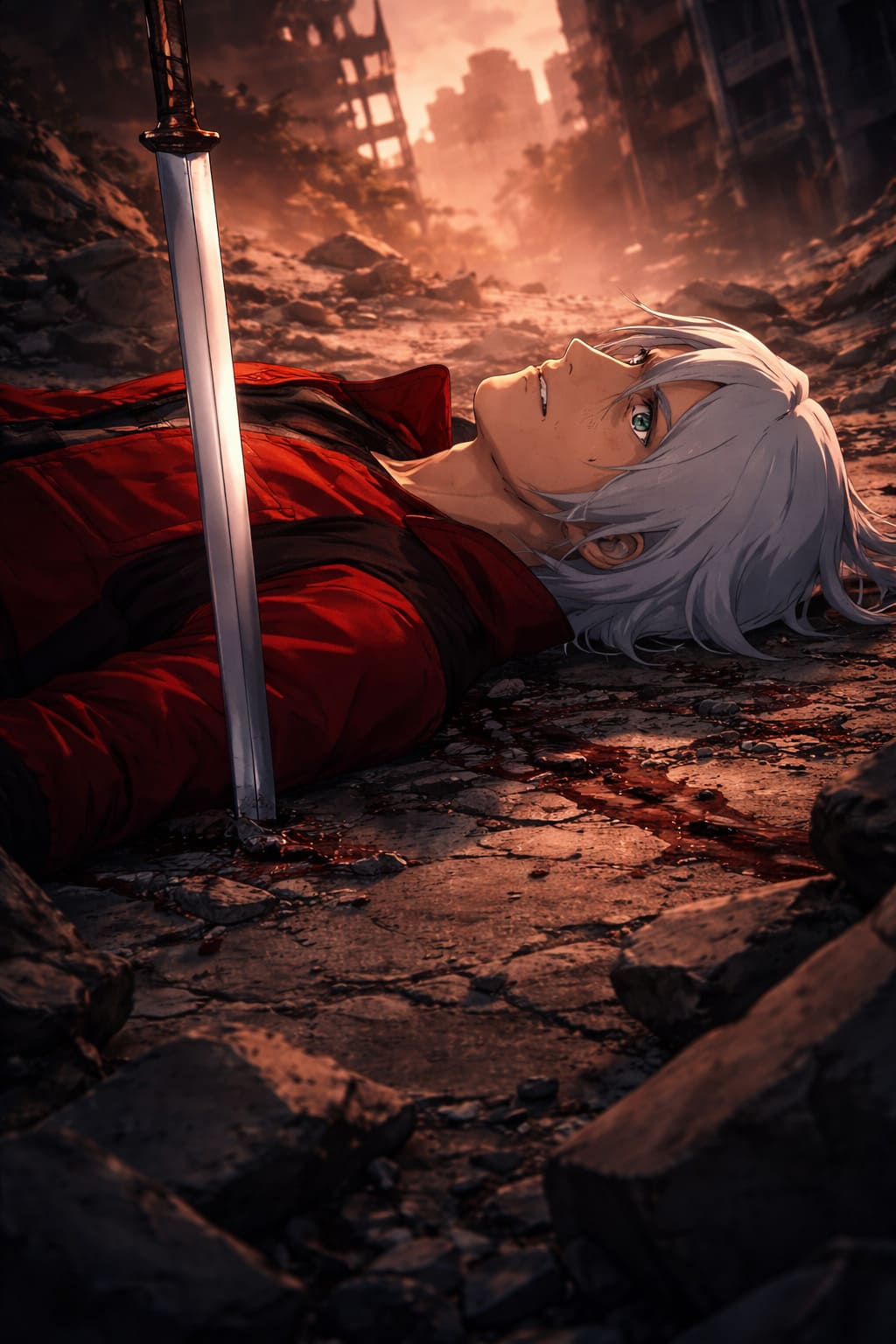
As someone who has been obsessed with DMC since the PlayStation 2 era, I’m here to break down the contrasts in a way that helps hardcore fans and newcomers alike.
Whether you’re nostalgic for the classic anime or curious about Adi Shankar’s bold reinterpretation, understanding these differences is essential before you dive in—or rage-quit mid-episode.
Is Sentenced to Be a Hero Anime Faithful to the Novel?
1. Canon Status: Timeline vs. “Elseworlds”
The first and arguably biggest difference lies in their relationship to the official video game timeline.
2007 Madhouse Anime:
- Canonically fits between Devil May Cry 1 and Devil May Cry 2.
- Feels like an authentic slice of Dante’s life rather than a globe-shaking epic.
- The story respects the game lore—no wacky timeline hacks or contradictions.
2025 Netflix Series:
- Think of it as a “Bootleg Universe” or Elseworlds story.
- Draws from multiple sources, including the DMC3 prequel manga, but doesn’t shy away from contradicting the games.
- For fans who prioritize canon, this one is a freewheeling, what-if playground.
Verdict: If you care about staying in the DMC canon, Madhouse wins hands-down. If lore flexibility is exciting, Netflix takes the lead.
2. Tone: Moody Slice-of-Life vs. Over-the-Top Action
Tone defines a series more than anything, and the contrast here is wild.
2007 Anime:
- Slice-of-life with a heavy noir vibe.
- Dante is broke, eating pizza, taking small jobs, and brooding.
- Action is minimal but when it happens, it’s deliberate and tense.
Netflix Series:
- A relentless rollercoaster of spectacle and chaos.
- Infuses global politics and modern themes into a gothic franchise.
- Some fans argue it leans too hard into “Americanized” storytelling, losing the grim, stylish soul of the games.
If you want slow-burn, atmospheric storytelling, Madhouse’s pacing is perfect. For adrenaline-fueled escapism, Netflix delivers, even if it sometimes feels like Dante is in a Michael Bay movie.
3. Dante’s Personality: Stoic vs. Goofy
Ah, Dante. A character whose charm is impossible to pin down—but the two series interpret him almost like different people.
2007 Dante:
- Stoic, cynical, and perpetually brooding.
- Humor is sharp but laced with bitter undertones.
- Haunted by his past, especially killing Vergil (Nelo Angelo).
Netflix Dante:
- Younger, carefree, and sometimes downright goofy.
- Fun-loving, closer to the DMC3 video game persona.
- Criticism: he stumbles more than he dominates, which some fans find jarring.
In short, Madhouse gives us the tragic antihero we expect from gothic lore, whereas Netflix serves a charismatic, clumsy action star. Both have merit, but they appeal to very different sensibilities.
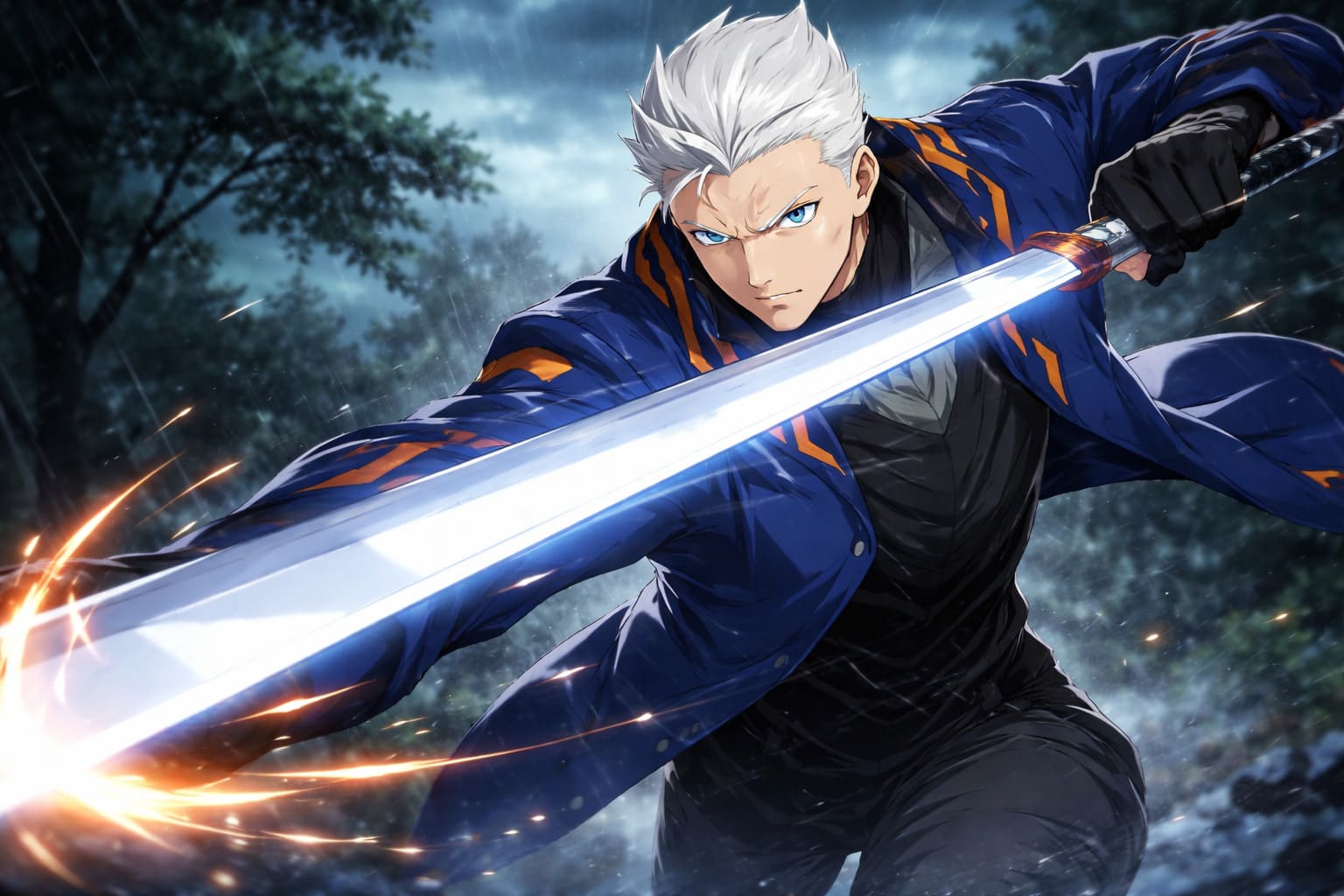
4. Lady’s Role: Sidekick vs. Co-Protagonist
Lady’s evolution across the adaptations is another polarizing point.
2007 Anime:
- Secondary character with clear power dynamics—Dante outmatches her in skill.
- Keeps her grounded within the lore.
Netflix Series:
- Elevated almost to co-protagonist status.
- Dominates some scenes, occasionally overshadowing Dante.
- Fans were annoyed by “ragdolling” moments where Dante looks weaker than expected.
Personally, I found the Netflix approach interesting for narrative experimentation, but it does risk undermining Dante’s legend.
5. Animation: Madhouse Grit vs. Studio Mir Energy
Animation style can make or break an anime, and the difference here is night and day.
2007 (Madhouse):
- Darker palette, hand-drawn grit, moody lighting.
- Action scenes often feel minimal, with fights ending in one or two key strikes.
Netflix (Studio Mir):
- Fluid, high-energy choreography reminiscent of The Legend of Korra.
- Action sequences are frequent, dynamic, and cinematic.
- Some “cartoony” stylistic choices were polarizing.
If you love the tactile charm of 2000s anime, Madhouse will warm your soul. If you crave spectacle and fluid fight choreography, Netflix is a visual treat.
6. Demon Lore: Monsters vs. Metaphors
The two shows handle demons—and what they represent—very differently.
2007 Anime:
- Demons are literal threats.
- Some “good” demons exist, but mostly they’re obstacles for Dante to conquer.
Netflix Series:
- Demons are sometimes refugees or victims, introducing a political allegory.
- Explains demonic energy through quantum physics and DNA, which many fans found out-of-place for Gothic horror.
If you prefer traditional Gothic demon mythology, Madhouse sticks to the classic formula. If you enjoy modern reinterpretations with allegorical depth, Netflix is bold—even if overambitious.
7. Soundtrack: J-Rock Grit vs. 2000s Nu-Metal
Music in DMC isn’t just background noise—it defines the attitude.
2007 Anime:
- J-rock and orchestral tones match the brooding, noir atmosphere.
Netflix Series:
- 2000s nu-metal and American rock dominate, including bands like Limp Bizkit and Evanescence.
- Hits nostalgia for some, but the tonal dissonance in tragic scenes frustrated others.
Music choice alone might dictate which version clicks with you emotionally.
Quick Comparison Table:
| Feature | 2007 Anime (Madhouse) | 2025 Netflix (Adi Shankar) |
|---|---|---|
| Canon Status | Canon (Post-DMC1) | Non-Canon / Elseworlds |
| Tone | Slice-of-Life / Noir | High-Action / Political |
| Dante | Stoic, Brooding, Cool | Goofy, Naive, Vulnerable |
| Action | Sparse, Minimal | Frequent, Fluid, Explosive |
| Villain | Abigail | The White Rabbit |
| Lady | Side Character | Co-Protagonist |
| Music | J-Rock / Orchestral | 2000s Nu-Metal / Rock |
Final Verdict
For the true gothic fan: Watch Madhouse. Its moody storytelling, canon alignment, and subtle charm feel like an extension of the games’”