Ranma 1/2 Season 3: Key Differences Between the 2024 Remake and Original Anime
As someone who has adored Ranma 1/2 since the late 80s, seeing MAPPA’s 2024 remake hit screens felt like a mix of excitement and trepidation.
Can a modern anime truly recapture the quirky, chaotic energy of the original? Season 3 is where the differences become most apparent, and as a long-time fan, I feel compelled to break down what really sets these two versions apart.
Whether you’re a veteran or a newcomer considering a binge, here’s a detailed, fan-driven comparison.
Rent-a-Girlfriend Chapter 422: Release Date, Predictions, and Full Recap
Pacing and Storytelling: The Filler Factor
One of the first things you’ll notice in the remake is its lightning-fast pacing. The 2024 version follows Rumiko Takahashi’s manga almost religiously, which makes for a tighter, more cohesive story experience. Compare that to the original 1989 Season 3:
- Original 1989 Season 3: At this stage, the anime nearly caught up to the manga. To avoid overtaking the source material, the studio introduced a significant number of filler episodes. Roughly 40-50% of the 161-episode run veers away from manga canon, creating slower pacing but a wealth of side-story humor.
- Remake 2024: With the manga complete, MAPPA can condense arcs, sometimes merging multiple original episodes into single, more intense storylines. This keeps the momentum high but sacrifices some quirky side stories that fans grew attached to.
Lost Gems: Filler Episodes You Might Miss
Fans of the original often reminisce about episodes that never appeared in the manga. A perfect example is “”Am I… Pretty? Ranma’s Declaration of Womanhood”” from Season 3.
In this episode, Ranma suffers amnesia and fully believes he is a woman, leading to hilarious yet surprisingly deep character exploration.
Unfortunately, the remake, in its quest for manga fidelity, omits these filler stories. While purists cheer for accuracy, some longtime viewers may feel nostalgic pangs for these lost gems.
Visuals: Nostalgia vs. Modern Brilliance
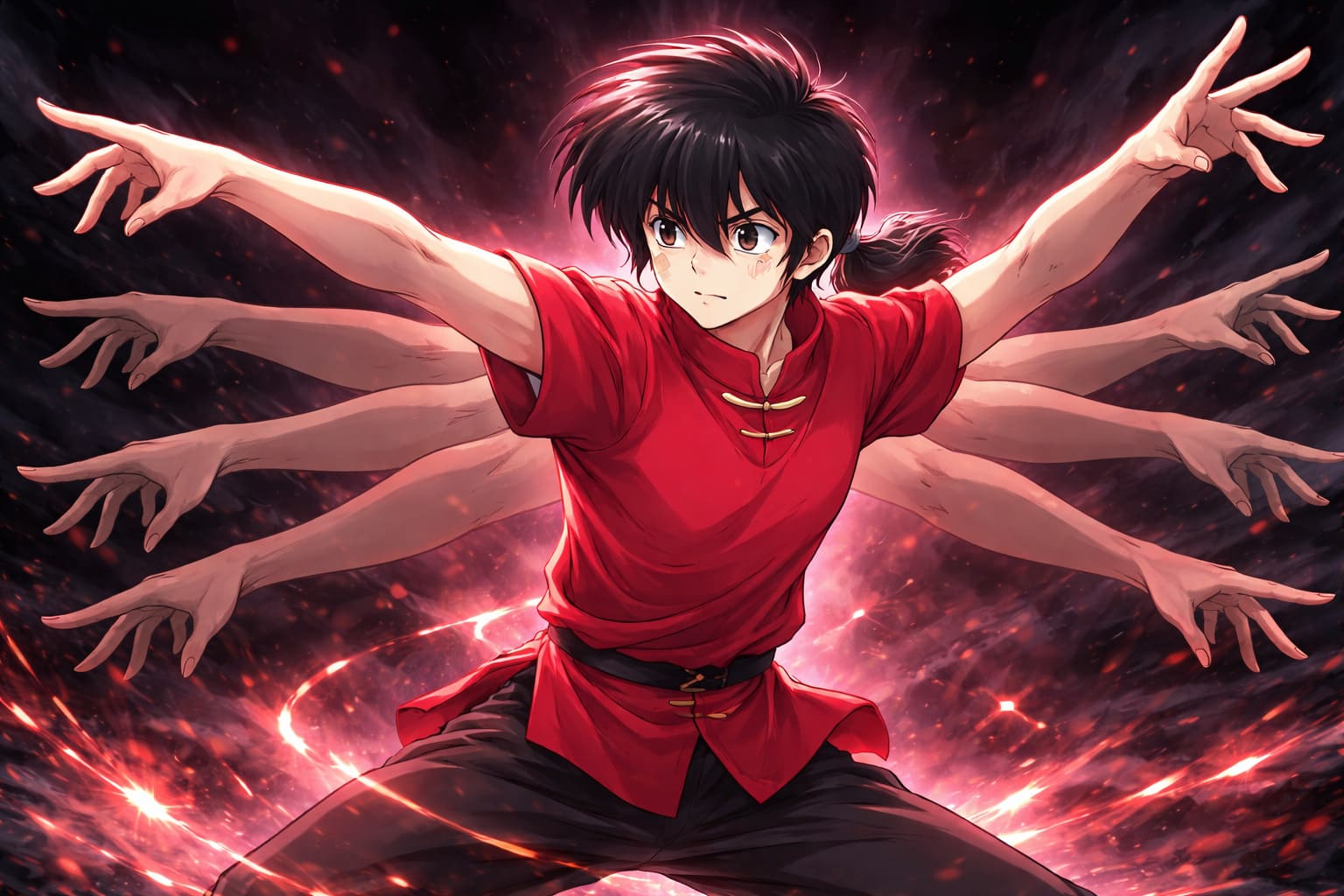
The animation style is perhaps the most visually striking difference between the two. It’s not just about quality—it’s about soul.
| Aspect | Original (1989) | Remake (2024) |
|---|---|---|
| Art Style | Hand-drawn charm, slightly gritty due to budget constraints but full of personality | High-definition, vibrant colors, dynamic fight sequences with modern digital effects |
| Backgrounds | Warm, nostalgic settings reflecting 80s Japan | Sharp, detailed, cinematic-style environments |
| Impact | Feels cozy, imperfect, endearing | Visually impressive, high energy, but some fans feel it lacks the “”soul”” of the original |
For me, the original’s imperfections give it warmth, but there’s no denying that MAPPA has delivered a spectacle that pops off the screen in a way the 80s couldn’t. Fight scenes, especially, feel modern and immersive.
Censorship and Modern Standards
The original 1989 series was infamous for casual nudity, especially female-presenting Ranma, which matched the playful, ecchi-comedy tone of its era. In 2024, airing on Nippon TV and Netflix, MAPPA had to adapt to contemporary broadcast standards.
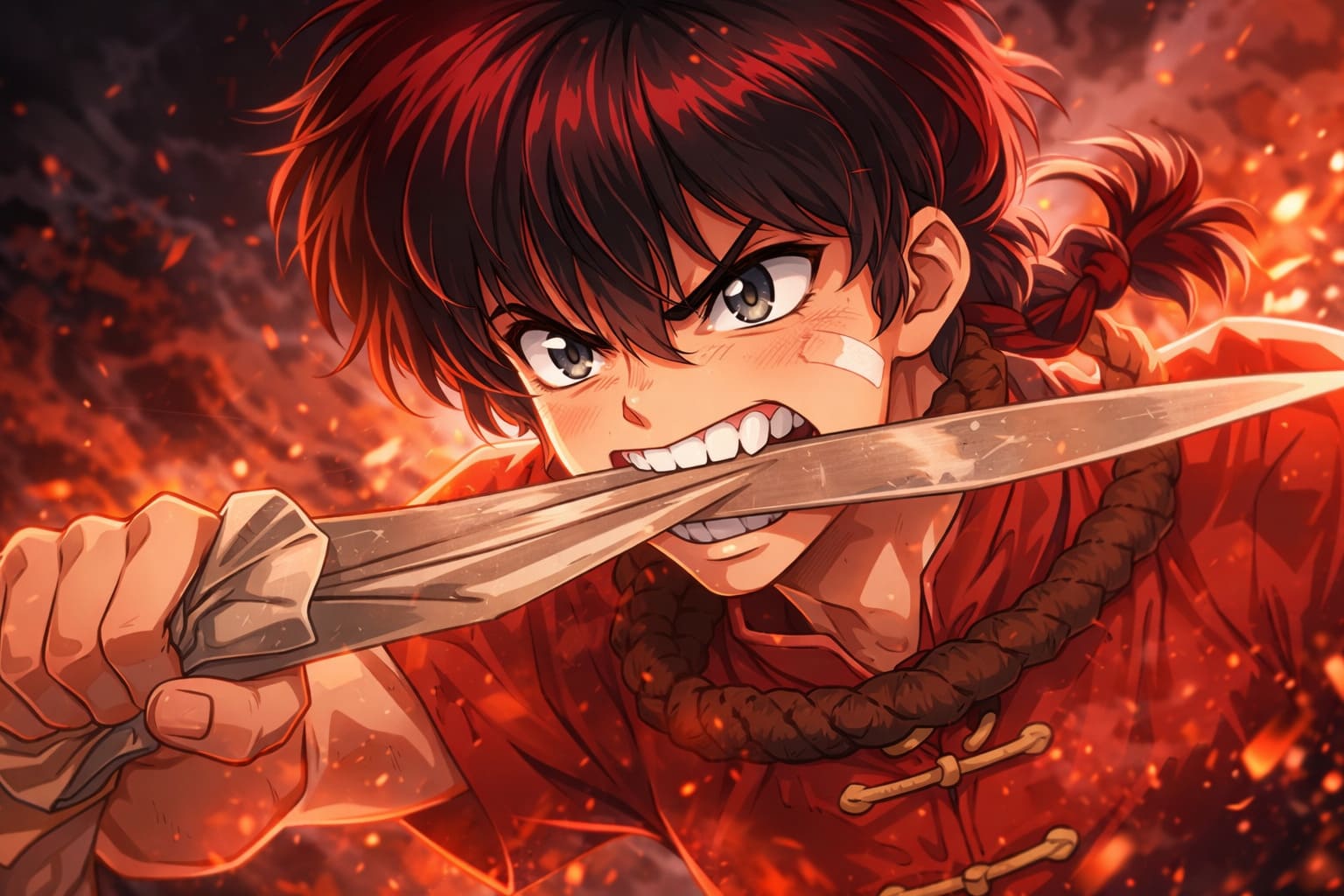
While the remake keeps the comedic ecchi elements, explicit nudity is significantly toned down or removed. Personally, I have mixed feelings: I miss the original’s unabashed boldness, but the cleaner focus does shift attention toward humor and story rather than fanservice.
Soundtrack and Voice Acting: A Bittersweet Reunion
For returning fans, hearing Megumi Hayashibara reprise her role as female Ranma was nothing short of magical. Most of the original Japanese cast returned, creating an instant bridge between generations of viewers.
However, the music is where the remake stumbles. While the original OST is iconic, filled with playful, unforgettable tunes, the remake’s soundtrack can feel flat and uninspired in comparison. This contrast highlights how difficult it is to modernize while keeping the original charm intact.
Summary: Which Version Wins?
It ultimately depends on what kind of Ranma 1/2 experience you’re looking for. Here’s my take as a devoted fan:
- 1989 Original: Ideal for fans who love the “”sitcom”” vibe, slower pacing, and 90s hand-drawn animation. Filler episodes, quirky humor, and nostalgic imperfections are part of the charm.
- 2024 Remake: Perfect for newcomers or fans seeking a faithful manga adaptation, tighter pacing, and high-quality modern visuals. It prioritizes action and key plot moments but sacrifices some classic filler moments.
Season 3 is where these differences are most noticeable. The remake trims or merges episodes, meaning you may miss some comedic gems that defined the original series’ personality.
Yet, for fans wanting to see the manga’s full story animated—especially the ending that never made it to TV before—the remake is a triumph.
Final Thoughts
As someone who grew up watching Ranma tumble through wild transformations and absurd rivalries, the original holds a sentimental place in my heart. Its charm lies not just in story but in the atmosphere of late 80s anime. The remake, however, impresses with its clarity, speed, and polished presentation.
Personally, I find myself enjoying both for different reasons: the original for comfort and nostalgia, the remake for excitement and completion. It’s a rare case where both versions can coexist in a fan’s library.
If you’re debating which to watch first, my advice is simple: start with the original to soak in nostalgia, then binge the remake to experience the manga story fully realized in stunning modern animation. Either way, Ranma’s antics, romance, and chaotic humor remain as enjoyable as ever.
Whether you prefer the quirky warmth of 1989 or the sharp polish of 2024, Season 3 is a testament to Rumiko Takahashi’s enduring genius and the timeless appeal of Ranma 1/2.