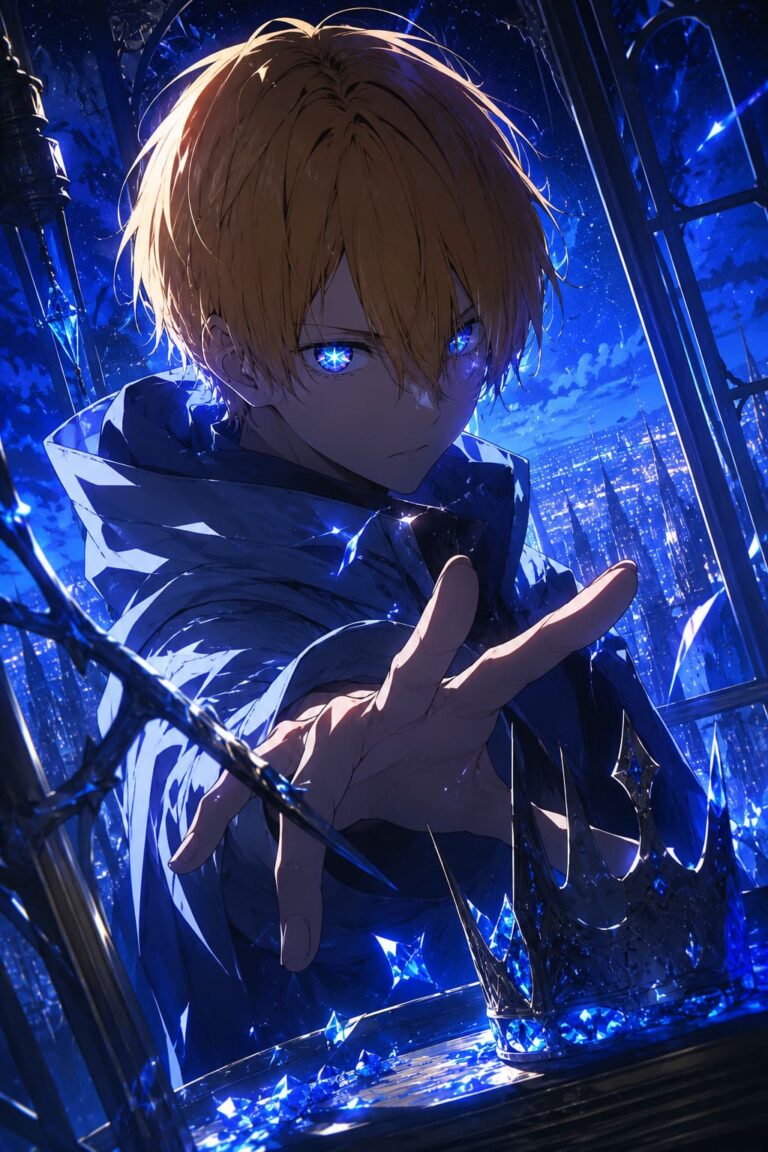
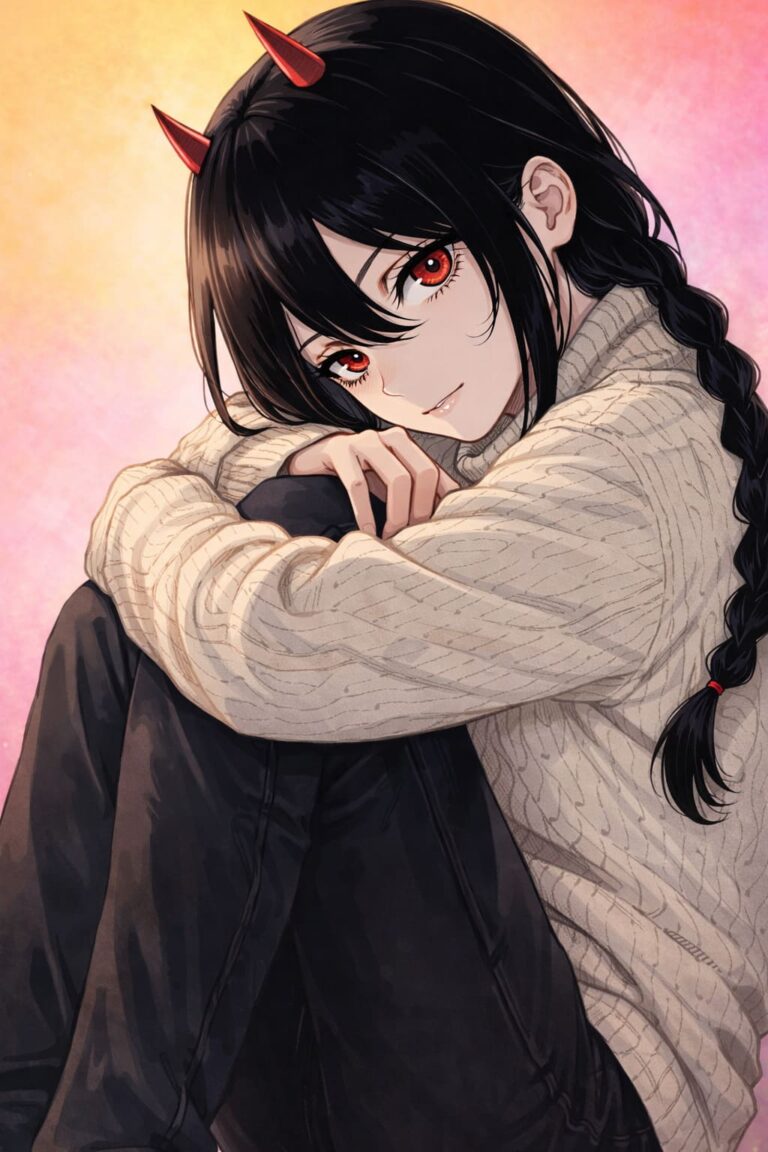
Agrona and Kezess Indrath Explained: The Dark History and Future of TBATE’s Greatest Villains
If you’ve been following The Beginning After the End closely, you already know this story stopped being a simple “isekai power fantasy” a long time ago. What we’re really watching now is a slow-burning, centuries-old war between two beings who might as well be gods: Kezess Indrath and Agrona Vritra. And honestly, the more you learn about them, the harder it becomes to pick a side—because both are terrifying in completely different ways.
The Real Beginning: A Crime Buried in History
Everything traces back to one of the darkest events in the story—the destruction of the Djinn. The Djinn weren’t conquerors or tyrants; they were scholars who mastered Aether, something even the Asura couldn’t fully control. Kezess saw them as a threat not because they were hostile, but because they were better, and when they refused to share their knowledge, he chose to erase them completely. This wasn’t war—it was calculated genocide.
Agrona didn’t start as a villain, and that’s what makes his story even more compelling. When he uncovered the truth about the Djinn, he realized that the so-called righteous leader of the Asura was hiding something unforgivable. Instead of staying silent, he challenged it, and that decision led to his exile. That moment didn’t just shape Agrona—it created the foundation for everything that followed.

Kezess Indrath: The “Protector” Who Fears Progress
At first glance, Kezess plays his role perfectly as a calm, wise, and untouchable leader who claims to act for balance. But the deeper you look, the more you realize that balance is just another word for control. He hoards knowledge, suppresses threats before they can grow, and maintains a system where no one can ever surpass him. This isn’t protection—it’s domination disguised as order.
What makes Kezess especially dangerous is his insecurity. Despite being one of the strongest beings alive, his connection to Aether feels incomplete, almost like an imitation of something he never truly understood. Compared to the Djinn, or even Arthur, his power lacks the same authenticity. That’s why Arthur’s existence is such a threat—not just because he’s strong, but because he represents everything Kezess tried to erase from history.
Who Does Arthur Leywin End Up With? TBATE Romance Spoilers & Final Relationship Status
Agrona Vritra: From Truth-Seeker to Monster
If Kezess represents stagnation, Agrona represents uncontrolled evolution. After his exile, Agrona didn’t just rebuild—he transformed into something far more dangerous. His curiosity evolved into obsession, and his desire for truth became a relentless pursuit of power at any cost. Over time, people stopped being individuals in his eyes and became tools, experiments, and stepping stones toward something greater.
His fixation on Fate pushes him beyond the boundaries of morality. He doesn’t just want revenge—he wants to rewrite the rules of existence itself. This led to projects like the Legacy, manipulation of souls, and experiments that blur the line between life and control. Even those closest to him are not safe from his influence. At this point, Agrona is less a person and more a force driven by a singular, terrifying goal.
Kezess vs Agrona: Who’s Actually Worse?
This is one of the biggest debates among fans, and there’s no simple answer. Both are responsible for unimaginable suffering, but in very different ways. Kezess creates a world where progress is suffocated before it can begin, while Agrona creates a world where progress comes at the cost of everything else.
| Aspect | Kezess Indrath | Agrona Vritra |
|---|---|---|
| Core Sin | Genocide | Human experimentation |
| Goal | Maintain control | Break all limits |
| View of Others | Inferior beings | Tools and resources |
| Threat Type | Systemic | Personal and immediate |
From a long-term perspective, Kezess may be the greater threat because he prevents the world from evolving at all. But in the present moment, Agrona is far more dangerous because of the chaos and destruction he actively creates. One traps the world in a cage, while the other burns it down completely.
That “Truce” Isn’t What You Think
There’s a popular idea that the conflict between these two is controlled, that they avoid direct confrontation and use others as proxies to prevent total destruction. While there is some truth to that, calling it a true truce is misleading. Both sides constantly bend or break the rules whenever it suits them, and entire regions still suffer as a result of their decisions.

What exists between them isn’t peace—it’s a fragile balance built on mutual caution. But as both continue pushing toward their goals, that balance is clearly breaking. The war isn’t being avoided; it’s being delayed, and when it finally explodes, the consequences will be devastating.
Arthur Leywin: The One Thing They Didn’t Plan For
Arthur changes everything because he doesn’t fit into the system either of them created. Unlike Kezess, he doesn’t rely on imitation, and unlike Agrona, he doesn’t need to experiment to reach greater power. His Aether Core gives him a direct connection to something fundamental, something neither side fully understands or controls.
That’s why he’s so important to the future of the story. He isn’t just another powerful figure rising through the ranks—he represents a completely different path. Instead of playing by their rules, he has the potential to break them entirely. Many believe that the final resolution won’t come from overpowering these two, but from exposing their flaws, stripping away their advantages, and forcing a change in the system itself.
Final Thoughts: Two Sides of the Same Disaster
What makes this conflict so compelling is how both sides mirror each other. Kezess clings to a past built on control and fear, refusing to let anything disrupt his version of order. Agrona pushes toward a future where nothing is sacred, sacrificing everything in pursuit of evolution. Neither path leads to a world worth living in.
That’s why Arthur’s role feels so crucial. This isn’t just about defeating a villain—it’s about breaking a cycle that has defined the world for centuries. The real question isn’t which of these two will win, but whether anyone can create a future where beings like them no longer decide the fate of everyone else.