Black Clover Underworld and Tree of Qliphoth Explained: Lore, Devils, and Magic Rules
When people talk about the biggest turning points in Black Clover, the conversation usually revolves around Asta, anti-magic, or the incredible battles against the Dark Triad. But for me, the moment the series truly evolved was when Yuki Tabata introduced the Underworld and the terrifying Tree of Qliphoth.
Until then, the story mostly focused on kingdoms, Magic Knights, political conflicts, and rivalries. Suddenly, the series expanded into something much darker. The heroes were no longer protecting just one nation—they were trying to stop an invasion from an entirely different dimension filled with creatures that exist far beyond normal human understanding.
As someone who enjoys fantasy series with deep lore, I think this was one of Tabata’s smartest creative decisions. The Underworld doesn’t simply introduce stronger villains. It creates a believable system that explains where devils come from, why they are feared, and how power is organized among them.
Why the Underworld Feels Different From Other Anime Demon Realms
Many anime include demons or devils, but they’re often treated as random monsters or evil spirits. Black Clover gives them an actual civilization.
The Underworld isn’t endless chaos. Instead, it’s a structured dimension with its own hierarchy, laws, and brutal social order.
Some details that make it stand out include:
- Power determines everything.
- Devils are essentially born into their social rank.
- The deeper the level, the stronger its inhabitants become.
- Weak devils have almost no chance of improving their position.
This makes the Underworld feel surprisingly realistic despite its fantasy setting. Even before the strongest devils appear, readers already understand why escaping this realm is almost impossible.
Liebe is probably the best example of this cruel system. Before reaching the human world, he wasn’t feared—he was bullied and abused simply because he lacked magical power. That small piece of storytelling immediately showed how merciless devil society truly is.
The Seven Layers Make Power Scaling Easy to Understand
One thing I appreciate is how clearly Tabata explains the Underworld’s structure.
Instead of endlessly introducing stronger enemies without explanation, every new level naturally represents another step toward unimaginable danger.
| Underworld Level | General Threat |
|---|---|
| Upper Gates | Mostly lower and mid-ranking devils |
| Middle Levels | High-ranking devils and elite commanders |
| Lowest Layer | Home of the legendary rulers of the Underworld |
This simple progression keeps the stakes easy to follow while allowing every newly opened gate to feel like a genuine disaster.
The deeper the story goes, the heavier the atmosphere becomes. Even powerful Magic Knight captains begin struggling against enemies that completely ignore conventional magic.
The Tree of Qliphoth Is More Than Just a Portal
At first glance, the Tree of Qliphoth sounds like another fantasy gateway connecting two worlds.
It actually serves a much more dangerous purpose.
Instead of summoning a single devil through forbidden rituals, the Tree gradually tears open the barrier separating reality from the Underworld itself.
That’s an enormous difference.
Every newly opened gate allows entire groups of devils to enter the human world without requiring contracts or hosts.
This changes the conflict from isolated battles into a full-scale dimensional invasion.
In my opinion, this is where Black Clover becomes far more interesting than many traditional shonen stories. The enemy isn’t just one powerful villain—it’s an entire ecosystem waiting behind seven locked doors.
Why Yami and William Were the Only Possible Keys
One of the smartest pieces of magic lore involves the ritual itself.
The Tree of Qliphoth couldn’t exist without combining two extremely rare Arcane magic types.
World Tree Magic provides the living structure.
Dark Magic gives that structure the ability to pierce dimensions.
Neither attribute alone could accomplish the ritual.
That combination feels incredibly logical within Black Clover’s magic system because both powers had already been established long before the Spade Kingdom arc.
Instead of inventing completely new abilities at the last second, Tabata cleverly expanded on existing characters.
Even more tragic is the price of activating the ritual.
Yami Sukehiro and William Vangeance aren’t simply captured prisoners.
They literally become the heart of the Tree itself, slowly losing both their magic and their lives as each gate opens.
That sacrifice raises the emotional stakes far beyond a normal rescue mission.
The Supreme Devils Actually Feel Like Ancient Gods
One criticism I often have with powerful anime villains is that they’re introduced only to be defeated a few chapters later.
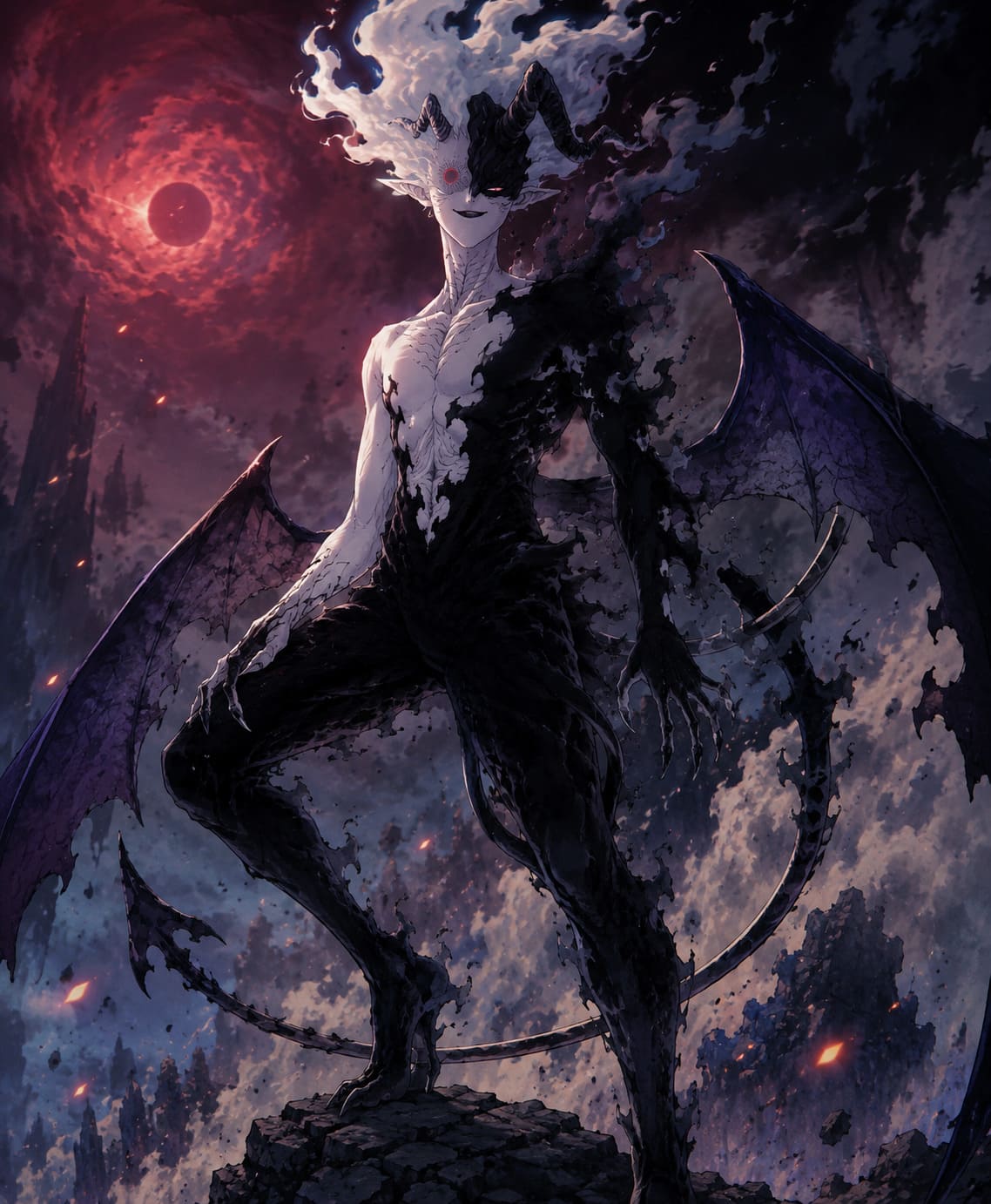
The Supreme Devils avoid that problem by feeling ancient.
Even before they fully appear, their names alone carry weight.
Some of the most memorable include:
- Lilith and Naamah, whose combined abilities distort concepts rather than simply controlling fire or ice.
- Adrammelech, whose calm personality makes him even more unsettling because he watches battles instead of rushing into them.
- Lucifugus, whose reputation alone wiped out nearly the entire Faust family.
- Lucifero, whose Gravity Magic completely overwhelms nearly everyone around him.
Instead of relying only on flashy attacks, these devils project overwhelming authority, making them feel like genuine rulers rather than oversized monsters.
The Real Mythology Behind the Story Makes Everything Better
One reason the Tree of Qliphoth feels unique is because it isn’t an invention created entirely from scratch.
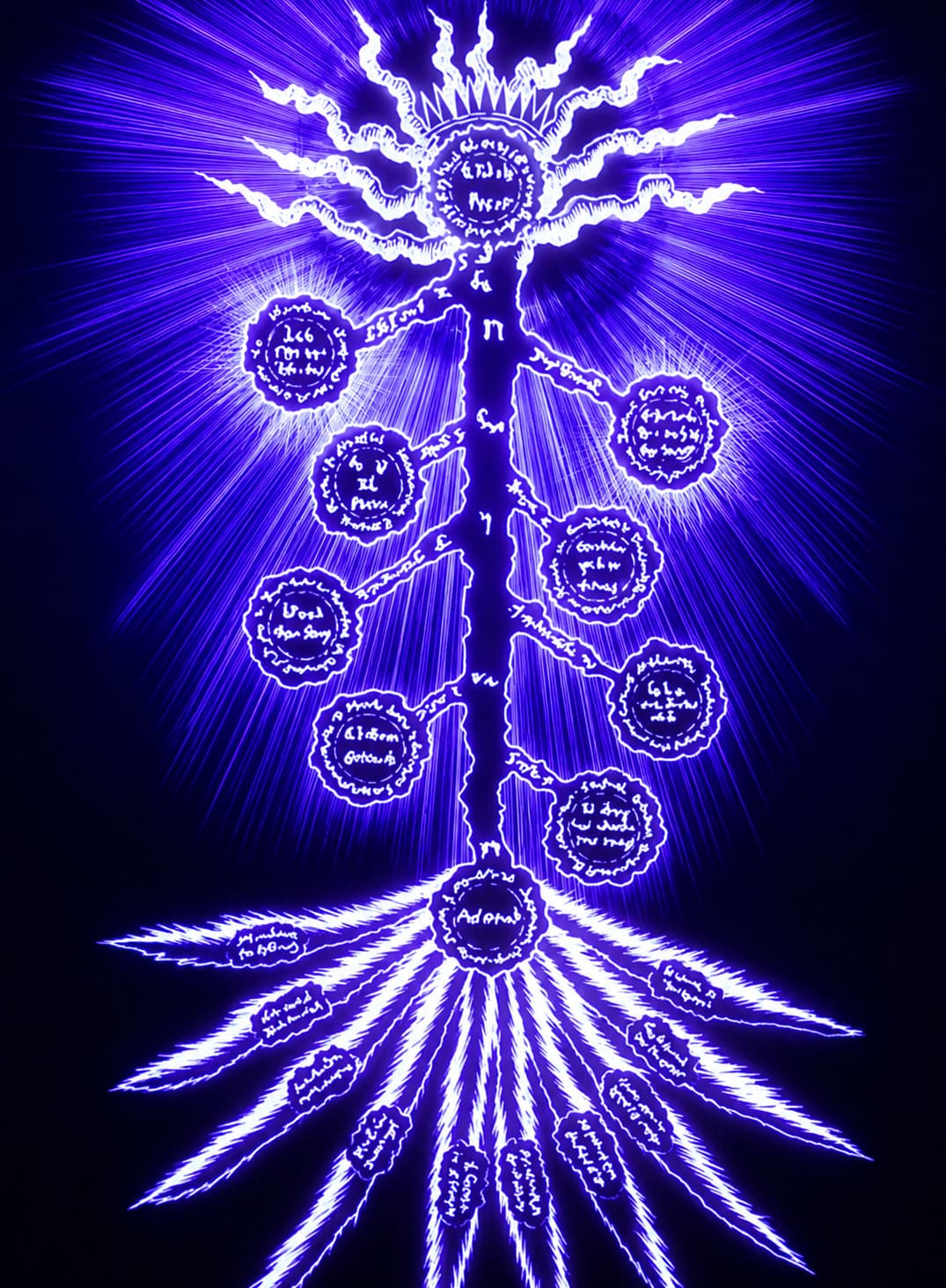
Its inspiration comes from real-world mystical traditions.
The original Qliphoth appears in Kabbalistic and Western occult traditions as the opposite of the Tree of Life.
Rather than representing harmony and creation, it symbolizes corruption, imbalance, and spiritual darkness.
Tabata adapts these ideas surprisingly well.
William’s World Tree represents growth and connection.
The corrupted Tree of Qliphoth twists those same concepts into something destructive that links reality directly with the devil realm.
Even readers unfamiliar with the mythology can appreciate the symbolism, while those who recognize the references discover an extra layer of world-building hidden beneath the action.
Mushoku Tensei Season 3 Episode 5 Release Date, Time, and Next Episode Plot Predictions
My Favorite Part of This Entire Arc
If I had to choose one reason why this storyline remains one of my favorites, it would be the balance between lore and action.
Many battle manga spend dozens of chapters explaining power systems without making readers care.
Black Clover does the opposite.
Every explanation about the Underworld immediately creates higher emotional stakes:
- Every opened gate means stronger enemies.
- Every passing hour threatens Yami and William.
- Every Supreme Devil represents another impossible challenge.
- Every victory only delays an even greater catastrophe.
That constant pressure keeps the arc exciting even during its slower exposition chapters.
Final Thoughts
Looking back, I honestly think the introduction of the Underworld transformed Black Clover from a fun magic adventure into a much richer fantasy universe.
The layered devil hierarchy, the terrifying Tree of Qliphoth, and the careful use of mythology all combine to create one of the series’ strongest pieces of world-building.
More importantly, these ideas never feel disconnected from the characters. Every rule has consequences, every gate increases the danger, and every battle carries the weight of an entire world hanging in the balance.
Whether you’re revisiting the Spade Kingdom arc or discovering it for the first time, understanding the Underworld makes nearly every major conflict more meaningful. It’s the kind of lore that rewards careful readers while still delivering exactly what shonen fans want: unforgettable villains, escalating stakes, and spectacular magic battles.