Bleach TYBW Anime vs Manga: Every Major Change in Urahara vs Askin Explained
If there’s one fight that convinced me the Bleach: Thousand-Year Blood War anime isn’t just adapting the manga but actively improving it, it’s Kisuke Urahara’s showdown with Askin Nakk Le Vaar. I’ve loved this battle since the manga days, yet I also remember finishing those chapters with one lingering thought: “That’s it?” For a character as mysterious and brilliant as Urahara, his biggest moment deserved more room to breathe.

Years later, the anime finally delivered exactly what many longtime fans hoped for. Instead of simply recreating the panels, Studio Pierrot treated the battle like a strategic thriller, adding context, cleaner choreography, and emotional beats that make every decision feel earned. As someone who has spent way too many hours reading Reddit theories and arguing with friends about Bleach power scaling, I honestly think this is one of the strongest examples of an anime surpassing its original source.
Where To Read The Ghost in the Shell Manga Online in 2026: Best Legal Platforms
The Fight Finally Has Time to Breathe
The manga had a difficult job during its final stretch. Tite Kubo was dealing with health issues, and many late-story fights moved at lightning speed. Urahara versus Askin wasn’t bad—it simply felt compressed.
The anime fixes that pacing almost immediately.
Instead of rushing from one attack to another, every phase of the encounter builds naturally. The tension rises piece by piece, giving viewers enough time to understand why Askin is such a terrifying opponent without burying the audience under walls of dialogue.
That slower rhythm makes the fight feel less like a race toward the ending and more like a deadly chess match between two geniuses.
Yoruichi Feels Like a Character Again
One of my biggest complaints about the manga was how Yoruichi’s transformation became the center of attention for reasons that had nothing to do with the actual battle.
The anime takes a much smarter approach.
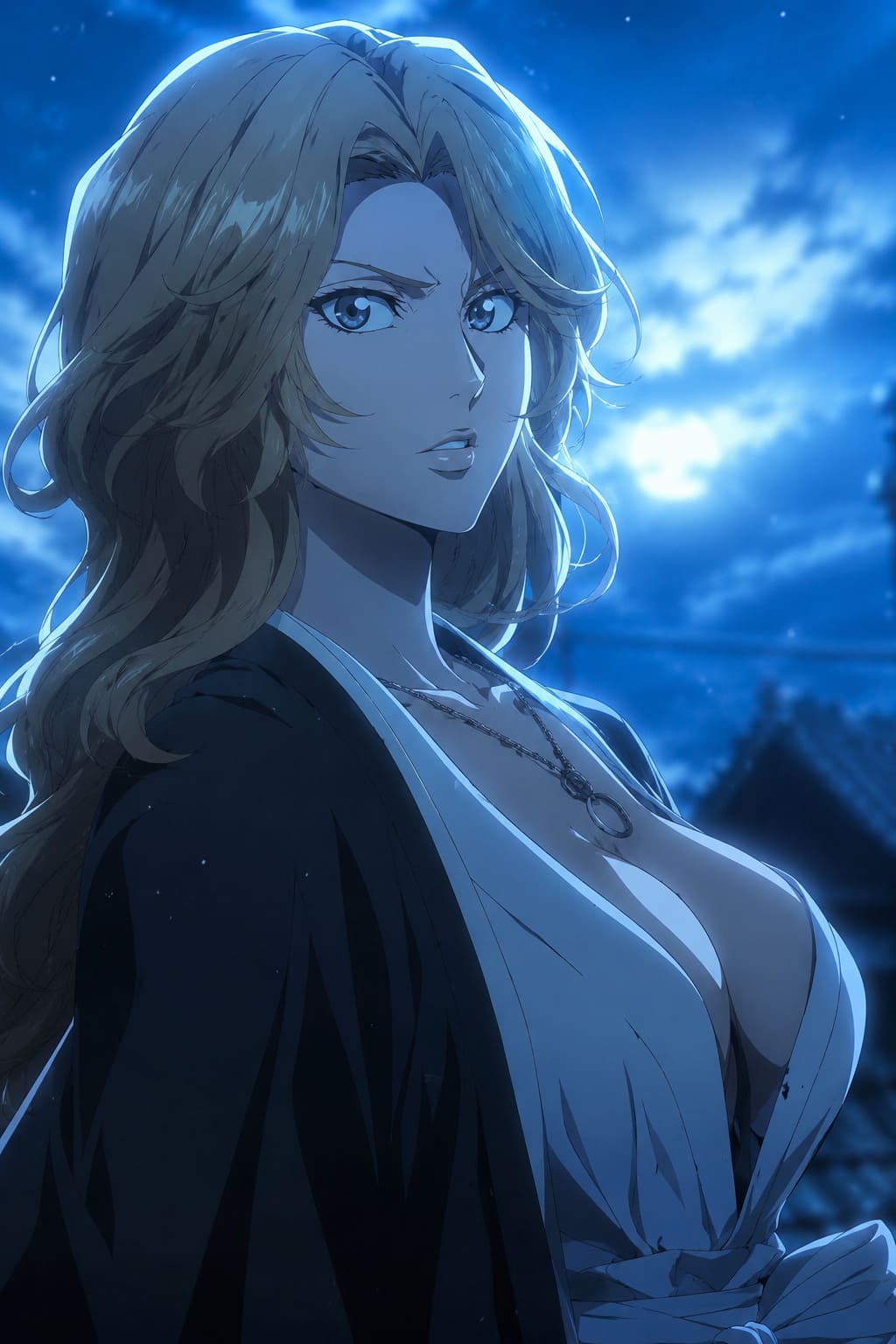
Rather than relying heavily on fanservice, it reminds viewers why Yoruichi is one of the coolest characters in the series. Her relationship with Urahara receives meaningful attention, making their teamwork feel like the result of decades of trust rather than convenient plot armor.
A few subtle additions go a long way:
- More believable chemistry between Urahara and Yoruichi.
- Better explanation of how Urahara understands her constantly shifting Reiatsu.
- Stronger role for Yushiro during the battle.
- Improved pacing before Urahara enters the spotlight.
These aren’t massive rewrites, but together they completely change how the opening act of the fight feels.
Askin Finally Looks as Dangerous as He Always Sounded
I’ve always believed Askin was one of Bleach’s most underrated villains.
His power isn’t flashy in the traditional sense. Instead of overwhelming enemies with explosions or impossible strength, he wins through calculations. That’s a difficult ability to explain in manga panels, especially when every activation requires several speech bubbles.
Animation solves that problem beautifully.
When Askin activates The Deathdealing and later enters Vollständig, the visuals practically explain the ability without needing paragraphs of exposition. Color effects, sound design, and camera movement help viewers understand how his body constantly adapts to spiritual pressure.
Instead of wondering “”Wait…what just happened?””, the audience can actually follow the logic behind every move.
That’s a huge improvement.
Urahara’s Bankai Finally Gets the Showcase It Deserves
Let’s be honest.
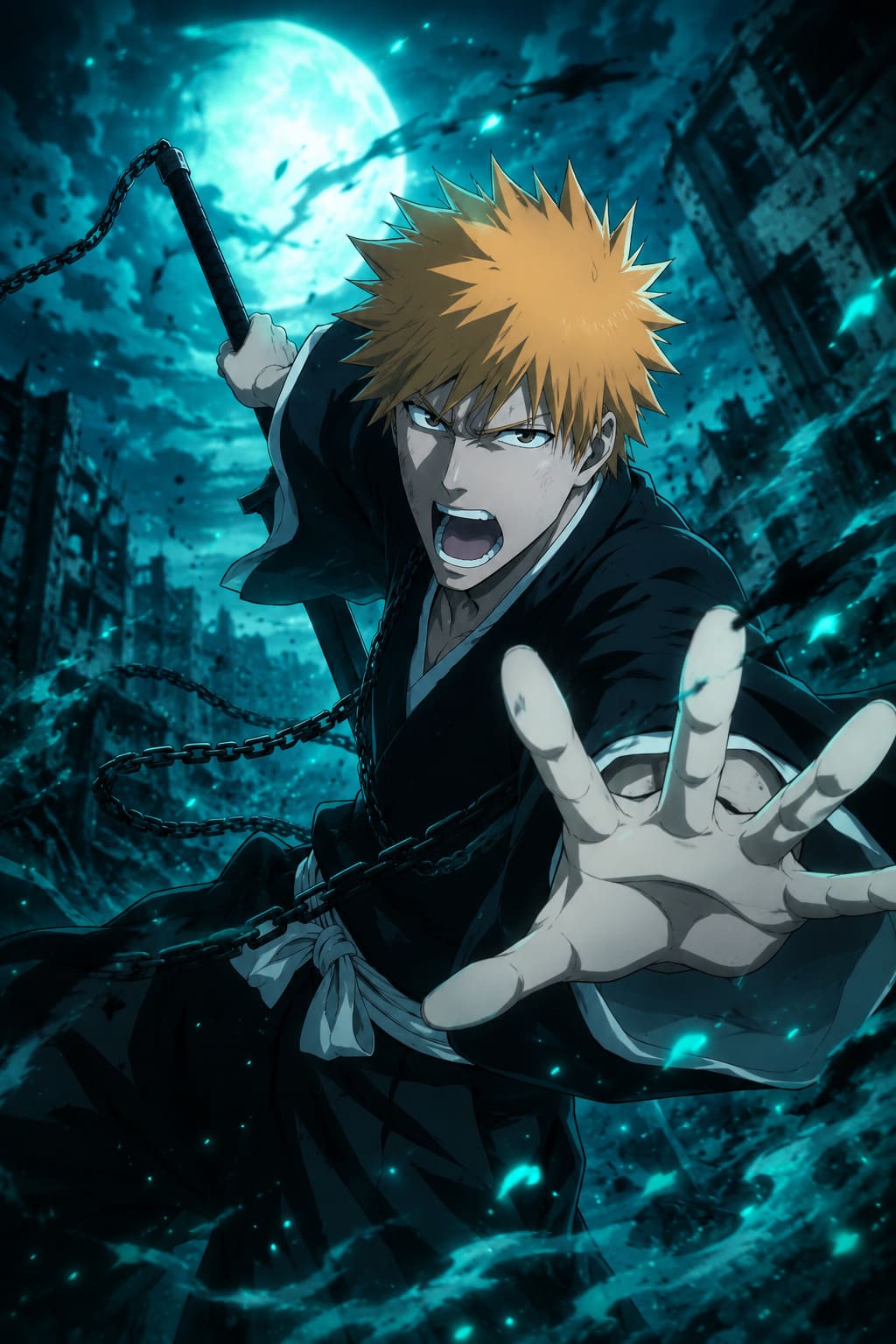
Fans waited for years to see Urahara’s Bankai. After all that anticipation, the manga revealed Kannonbiraki Benihime Aratame and wrapped up the battle only a couple of chapters later. It was memorable, but it also felt surprisingly short.
The anime completely changes that experience.
Watching the giant crimson figure emerge is already incredible, but the real highlight is seeing how the restructuring ability actually works in motion.
Instead of simply telling us that the Bankai can reconstruct objects, the anime demonstrates it repeatedly.
| Manga | Anime |
|---|---|
| Brief reveal | Extended cinematic introduction |
| Limited explanation | Clear demonstration of restructuring |
| Few combat applications | Multiple creative tactical uses |
| Ends quickly | Full showcase of Urahara’s strategy |
For me, this is the single biggest upgrade in the adaptation.
The Bankai finally feels legendary.
Grimmjow’s Return Makes Much More Sense
Back in the manga days, Grimmjow suddenly appearing to punch a hole through Askin sparked endless debates online. Was it cool? Absolutely. Was it clearly explained? Not really.
The anime fixes the entire sequence through visual storytelling. Instead of treating Grimmjow like a surprise that magically works, it carefully shows how Urahara’s Bankai creates the opening that allows Grimmjow to strike from the perfect angle.
That small change transforms the moment.
Rather than feeling like lucky timing, it becomes another layer of Urahara’s master plan.
And honestly, that’s exactly how Urahara should win battles.
The Ending Feels Complete Instead of Abrupt
The manga’s conclusion left many readers scratching their heads.
After Askin’s defeat, the Gift Bereich begins collapsing, everyone is exhausted, Nelliel appears…and then the story basically moves on.
For years, fans debated how everyone actually escaped.
The anime doesn’t leave those questions hanging.
Instead, it gives Nelliel an active rescue sequence that finally pays off her arrival. It’s a satisfying addition that closes the battle without forcing viewers to fill in the missing pieces themselves.
Even Urahara’s final dialogue carries a different emotional tone.
Rather than sounding like someone who has simply reached his limit, he comes across as a strategist who knows the next generation must finish what he started. That subtle thematic shift gives the ending much more emotional weight while reinforcing one of Bleach’s recurring ideas: every generation eventually passes the torch.
Why This Adaptation Works So Well
The biggest success of the TYBW anime isn’t bigger explosions or prettier animation.
It’s respect.
Studio Pierrot clearly understood why fans loved this fight in the first place. Instead of replacing Kubo’s ideas, the anime expands them, fills the narrative gaps, and lets every major character shine without losing the original spirit of the story.
For longtime readers, it feels like seeing an unfinished sketch transformed into a complete painting.
For anime-only viewers, it’s simply one of the smartest battles in modern shonen.
That’s an incredibly difficult balance to achieve.
Final Thoughts
As someone who’s followed Bleach for years, I never expected one of the manga’s most rushed battles to become one of the anime’s strongest episodes. Yet that’s exactly what happened.
Urahara versus Askin is no longer remembered only because of an incredible Bankai reveal. It’s remembered because every piece of the confrontation—from Yoruichi’s teamwork to Grimmjow’s finishing blow—fits together like an elaborate puzzle.
If this adaptation proves anything, it’s that giving Tite Kubo the opportunity to revisit his final arc was absolutely the right decision. The anime doesn’t erase the manga; it completes it, polishing one of Bleach’s most ambitious tactical fights into something that feels worthy of Urahara’s legendary reputation.