Blue Lock Season 2 vs. Manga: Every Major Difference and Controversy Explained
When Blue Lock Season 2 dropped, I was genuinely hyped. The U-20 Japan Arc is one of the most intense stretches in the manga — the kind of storyline that should break the internet if adapted right. But instead of universal praise, what we got was a full-blown civil war in the fandom.
Some people still defend the anime. Others? They call it one of the most disappointing adaptations in recent memory. After finishing both the manga arc and the anime, I can safely say: both sides have a point — but the manga still clears.
Let’s break it down like a real fan would.
The Biggest Issue: “PNG Lock” Is Not Just a Meme
Let’s not sugarcoat it — the animation quality became the talking point.
In the manga, Yusuke Nomura’s art is insane. Every panel feels like it’s moving even though it’s static. The use of speed lines, warped anatomy, and those signature “ego auras” creates a sense of momentum that’s honestly hard to replicate even in animation.
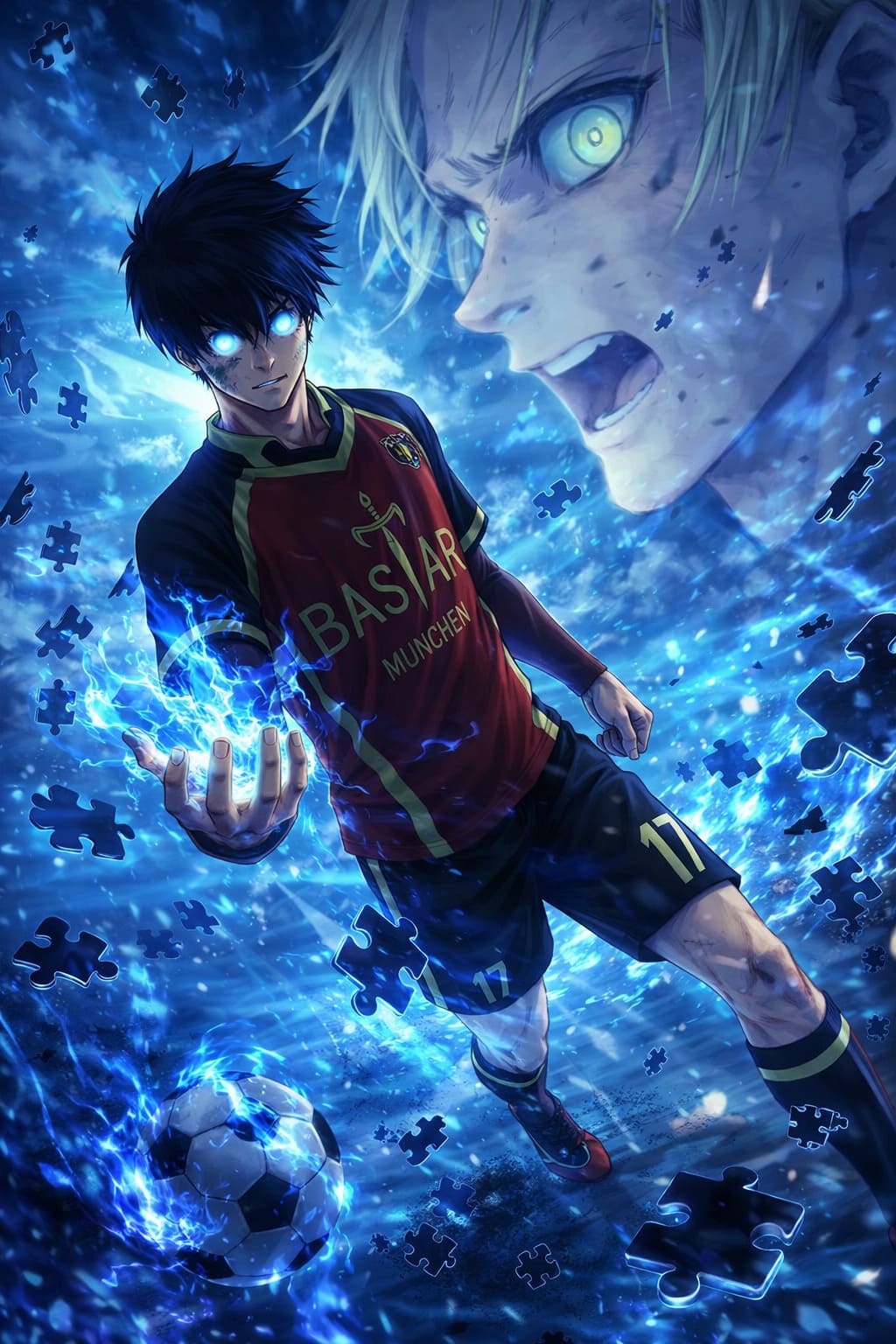
Now compare that to Season 2…
- Characters sliding across the screen
- Minimal frame transitions
- Heavy reliance on still shots
Fans didn’t call it “PNG Lock” for nothing. At times, it genuinely felt like watching a stylized slideshow instead of a football match.
And here’s the frustrating part: Blue Lock is all about motion, intensity, and impact. When that disappears, the entire experience takes a hit.
What Chapter to Read After Blue Lock Season 2? Your Ultimate U-20 Arc Transition Guide
Manga vs Anime: Quick Comparison
| Feature | Manga | Season 2 Anime |
|---|---|---|
| Visual Impact | Highly detailed, aggressive art style | Cleaner but often static |
| Movement | Feels fast through paneling | Often reduced to sliding frames |
| Tone | Raw, chaotic, ego-driven | Slightly toned down |
| Pacing | Strategic and layered | Rushed in key sections |
| Climax | Iconic panels | Strong final episodes |
Pacing Problems: Too Fast for Its Own Good
One thing that stood out immediately was how rushed everything felt early on.
The U-20 selection process in the manga is basically a psychological battlefield. You get inner monologues, tactical breakdowns, and constant character mind games that build tension step by step.
In the anime? A lot of that gets trimmed or simplified, making the experience feel more straightforward but also less impactful.
The result: it feels like you’re hitting plot checkpoints instead of experiencing the journey.
Don’t get me wrong — all the major moments are there. But the depth isn’t always preserved, especially if you’re someone who enjoys Blue Lock’s over-the-top ego philosophy.
Some of the dialogue also feels toned down compared to the manga’s raw and sometimes unhinged delivery, which removes a bit of that unique identity the series is known for.
The Climax Actually Delivers (Finally)
Now here’s where things get interesting.
Despite the rough start, the final stretch of Season 2 — especially the U-20 match climax — is where the anime finally wakes up.
The Rin vs Sae Itoshi showdown is the moment everyone was waiting for, and thankfully, Studio 8bit delivered a much stronger performance here.
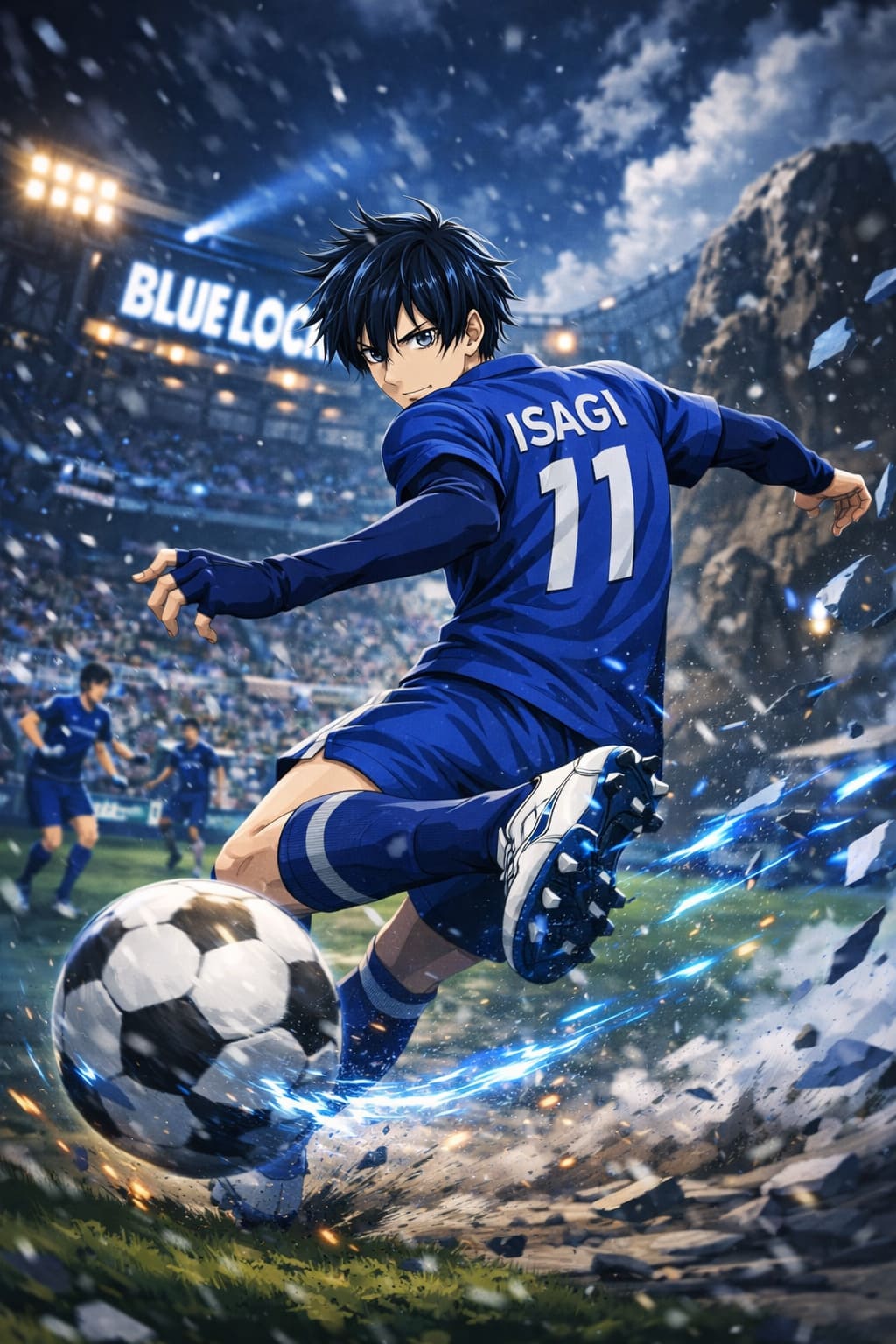
- Noticeably smoother animation
- Better choreography
- Stronger emotional weight
It really feels like they saved the budget for the ending, and while that payoff is satisfying, it also highlights how inconsistent the rest of the season feels.
In simple terms, most of the season feels undercooked, but the last episodes remind you what the adaptation could have been from the start.
One Area Where the Anime Wins: Sound
This is something the manga simply cannot replicate, and it makes a difference.
The anime absolutely delivers when it comes to audio, elevating scenes that might otherwise feel flat visually.
- Voice acting adds personality and intensity
- Soundtrack builds tension and hype
- Match atmosphere feels more immersive
Hearing characters shout their philosophies mid-match adds a layer of emotion that static panels just can’t provide, no matter how well drawn they are.
The Real Reason Behind the Drop in Quality
This wasn’t just a case of lazy animation or lack of talent — the production situation played a major role.
Some animators spoke publicly about the harsh conditions, mentioning extremely tight deadlines and overwhelming workloads that forced them to cut corners just to finish episodes on time.
In many cases, they reportedly had to complete dozens of animation cuts with minimal time, leading to reduced motion and simplified sequences in the final product.
In short: the team didn’t have the time needed to fully realize the arc’s potential.
Knowing this makes it harder to place all the blame on the studio itself, as the issue seems to stem from production scheduling and higher-level decisions.
So… Should You Watch or Read?
Here’s the honest breakdown depending on what you’re looking for.
Read the manga if:
- You want the full intensity of the U-20 arc
- You care about high-level art and visual storytelling
- You enjoy deep strategy and internal monologues
Watch the anime if:
- You want voice acting and soundtrack immersion
- You’re okay with inconsistent animation
- You mainly care about major story moments
Final Verdict: Manga Wins, But the Anime Isn’t Useless
As much as I wanted Season 2 to dominate, the manga is still the definitive way to experience this arc.
Yusuke Nomura’s artwork brings a level of chaos and intensity that the anime simply couldn’t consistently match due to its production limitations.
That said, the anime isn’t a total failure. The final episodes prove that the potential is there, and if future seasons receive better scheduling and production support, there’s still hope for a truly great adaptation.
For now, though, if you really want to feel what Blue Lock is supposed to be — the manga is the clear winner.