Eternal Punishment: The Dark Reality of “Sentenced to Be a Hero” Immortality Curse
If you’ve ever wondered what it would be like to live forever as a punishment rather than a blessing, Sentenced to Be a Hero (Yusha Nishosu: The Prison Records of Penal Hero Unit 9004) offers one of the most chilling takes on immortality in dark fantasy.
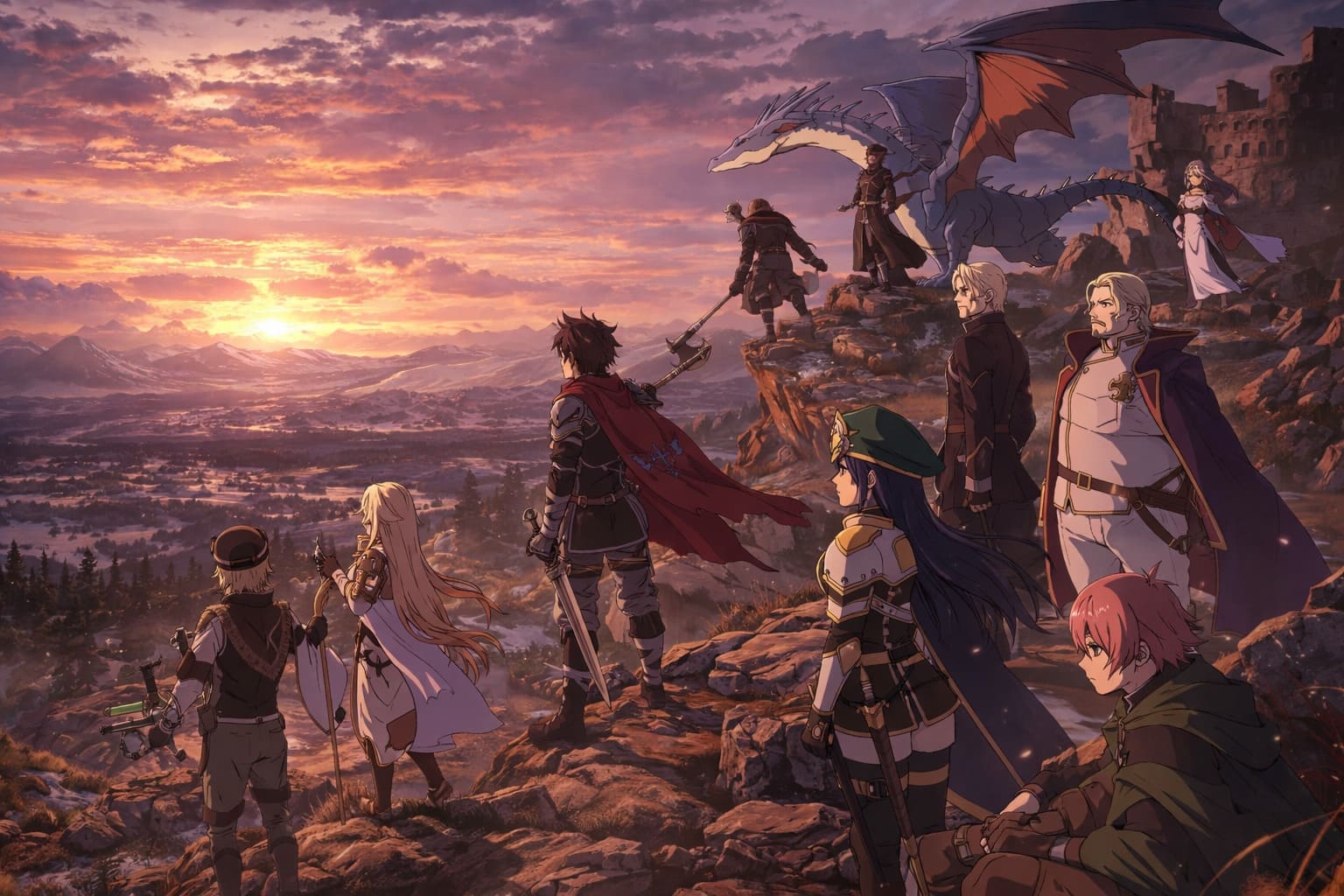
Unlike most anime where eternal life is celebrated as a superpower, this series flips the trope completely, showing immortality as a state-enforced torture that crushes the body, soul, and mind.
As someone who’s watched plenty of morally gray dark fantasy—think Vinland Saga or Mushoku Tensei—I have to say, this anime doesn’t just challenge the concept of heroism, it shatters it.
Elbaf Giants vs. Egghead Seraphim: Who is Truly the Strongest in One Piece?
What Is the “Immortality Curse”?
In Sentenced to Be a Hero, the so-called immortality is technically Perpetual Resurrection, and it’s anything but glamorous. Heroes aren’t rewarded—they’re enslaved to death over and over again.
Here’s how it works:
- Forced Resurrection: When a Hero dies, their soul is literally dragged back from the afterlife and implanted into a body.
- Bodies of the Damned: The new bodies are often stitched together from other corpses, making the Hero a grotesque shell rather than a whole human.
- Humanity Erosion: With every death, fragments of their personality and humanity are stripped away, leaving them closer to an unfeeling weapon.
- No End in Sight: The Heroes’ “service” doesn’t end until they’re permanently broken or the war against the Demon Lords is won—a scenario that seems eternally unlikely.
This isn’t just a punishment—it’s psychological and physical annihilation disguised as heroism.
Why Being a Hero Is the Ultimate Punishment
At first glance, the title of “Hero” might seem prestigious. But in this world, it’s the opposite of honor. Society despises the so-called Heroes, and the government exploits them in ways that are as manipulative as they are horrifying:
- Disposable Assets: Convicted criminals with extraordinary abilities are turned into suicide weapons that can be endlessly redeployed.
- Secrets and Lies: Many Heroes are framed high-ranking officials or knights, silenced to protect governmental corruption or the truth about the so-called Goddesses.
- Impossible Missions: They’re sent on suicide missions, doing the work that ordinary soldiers or Holy Knights won’t even touch.
Essentially, being a Hero is state-sanctioned damnation, a title with zero respect and infinite suffering.
The Sacred Seals: Leashes for the Damned
A crucial part of this cruel system is the Sacred Seals engraved into each Hero. These marks are both power grants and execution tools, ensuring absolute control:
| Seal Function | Description |
|---|---|
| Combat Enhancement | Grants abilities like Xylo’s explosive power (Zate Finn) or flight (Sakura) |
| Control Mechanism | The neck seal can execute a Hero on the spot if they disobey, only to resurrect them later for more punishment |
| Perpetual Bond | Keeps Heroes chained to the Penal Hero Unit, making escape or rebellion impossible |
The seals make the Heroes powerful, yes—but they also strip away freedom, agency, and even self-preservation, turning them into weapons and prisoners simultaneously.
Xylo Forbartz: A Tragic Anti-Hero
The protagonist, Xylo Forbartz, is perhaps the most heartbreaking example of this system. He was sentenced for slaying a goddess, but the truth is far more complex.
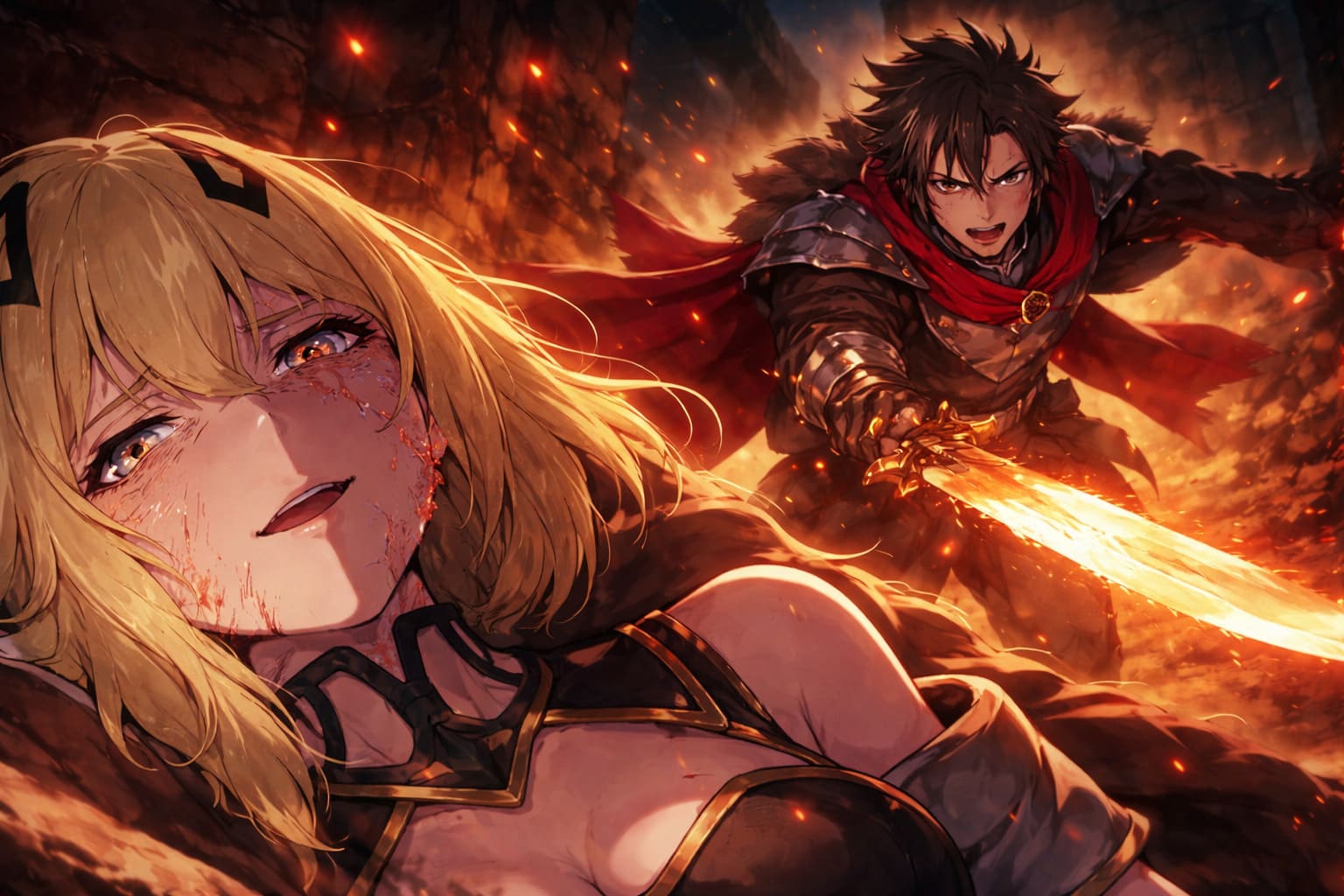
Xylo killed his contracted goddess, Senurva, to prevent her from becoming a corrupted biological weapon, infected with the demon blight. The government, however, framed this act as treason, ensuring Xylo remained disgraced and silenced.
This backstory adds layers to the narrative: not only is heroism a curse, but truth itself is a punishable crime in this dystopia.
The Psychological Horror of Eternal Duty
Watching Xylo and other Heroes endure this punishment, the most unsettling part isn’t just the physical suffering—it’s the slow death of the mind. Each resurrection chips away at their sanity, leaving:
- Broken Minds: Some Heroes go braindead from repeated resurrections.
- Shattered Identities: Repeated deaths strip fragments of who they were.
- Hopelessness: There’s no relief, no retirement, and no reward—only an endless cycle of pain and forced obedience.
This transforms what should be a tale of heroism into a study of institutional cruelty and existential torment.
Why Dark Fantasy Fans Should Watch
If you’re a fan of morally gray, psychologically heavy anime, Sentenced to Be a Hero is a must-watch. It’s not just about battle scenes or magic powers—it’s about:
- Exploring the true cost of immortality
- Challenging the notion of heroism and justice
- Seeing how a dystopian government weaponizes human life
- Delving into the emotional weight of repeated trauma
Unlike typical shonen protagonists, the Heroes in this series don’t get to “level up” happily—they endure, survive, and slowly break, making each victory hollow and terrifying.
Final Thoughts
Sentenced to Be a Hero isn’t just another dark fantasy anime—it’s a devastating meditation on power, punishment, and the human soul. The immortality curse, the Sacred Seals, and Xylo’s tragic story create a haunting experience for viewers who like their fantasy gritty, morally complex, and emotionally resonant.
If you’ve ever wanted to see heroism stripped to its bare, horrifying core, this series delivers. It’s grim, it’s relentless, and it will stay with you long after the credits roll.