Finn’s True Identity in Wistoria: Wand and Sword
Wistoria: Wand and Sword (Tsue to Tsurugi no Wistoria) has become one of those rare fantasy anime and manga titles that instantly sparks theory discussions after every new chapter. While most fans focus on Will Serfort and his dream of reaching the top of the Magic Tower, there’s another character quietly stealing attention from the background — Finn.
At first glance, Finn looks harmless. He’s small, calm, oddly cheerful, and honestly feels more like comic relief during his early appearances. But the deeper you get into the manga, the clearer it becomes: this guy is terrifyingly important.
After catching up with the recent chapters, I genuinely think Finn may be the single most mysterious character Fujino Omori has written since the gods and hidden histories in DanMachi. And the craziest part? We still probably know less than half the truth about him.
Finn Is Definitely Hiding His Real Nature
The series introduces Finn as a member of the Finne Tribe, legendary dungeon guides who specialize in physical combat rather than magic. In a world where mana defines status, that already makes him unusual.
But then the story casually drops one absurd detail:
Finn is over 500 years old.
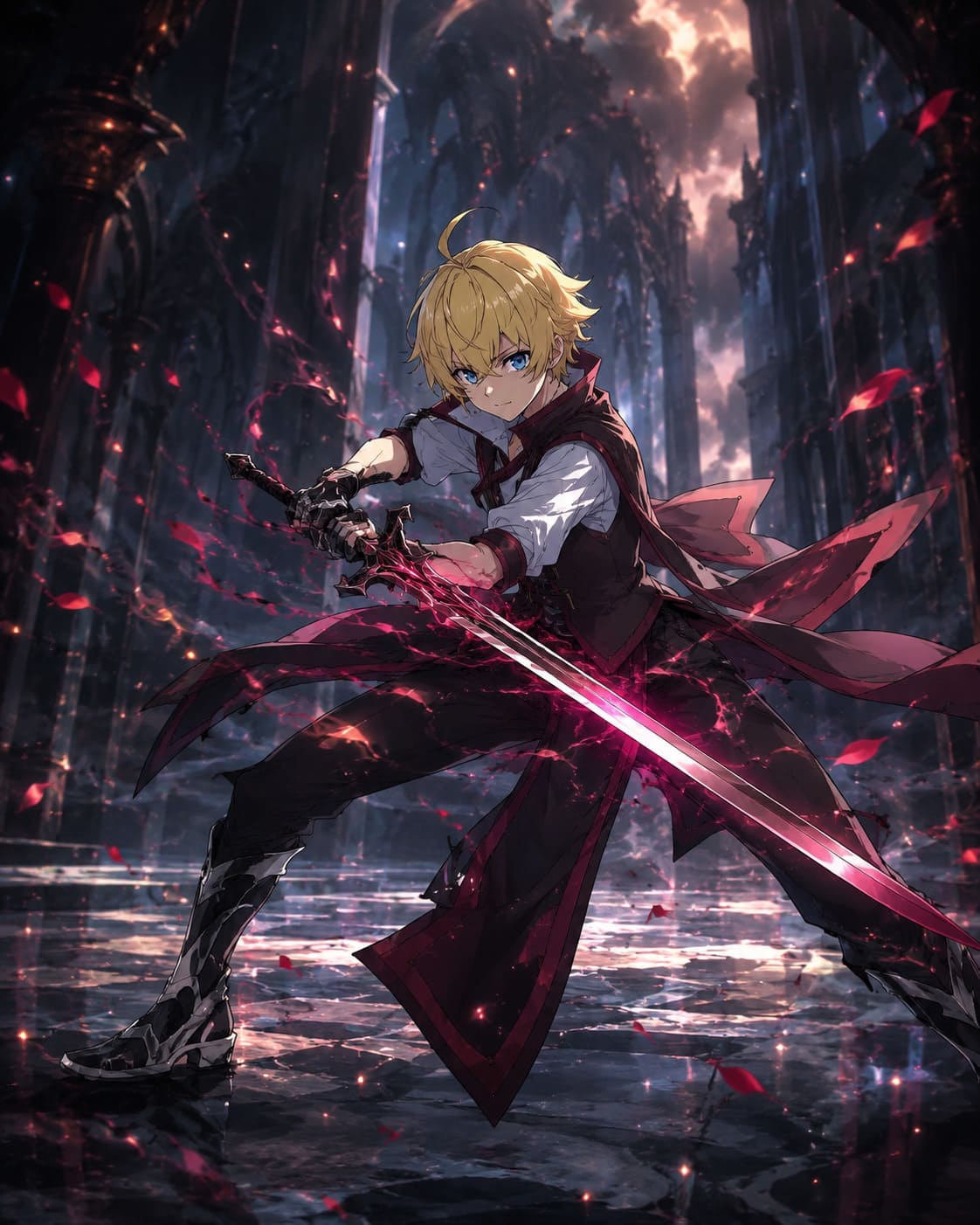
That revelation completely changes how you view every scene involving him. Characters in Wistoria can become strong, but immortality without relying on magic feels fundamentally unnatural in this universe.
What makes Finn even stranger is how effortlessly he moves through the dungeon. Other elite fighters struggle to survive deep floors with teams, preparation, and magical support. Finn treats deadly areas like familiar territory.
That alone created one of the biggest fan theories in the community:
Finn might not actually be human anymore — if he ever was in the first place.
The Name “Invess” Changes Everything
One of the most interesting moments in the manga is the reveal that Finn’s original name is Invess.
And honestly, this feels way too important to ignore.
In Fujino Omori stories, names are rarely random. They usually connect directly to identity, history, or hidden symbolism. The fact that Finn actively avoids being called Invess suggests that the name belongs to a version of himself he no longer wants associated with his current mission.
That opens up several possibilities:
- Invess could be tied to an ancient civilization
- It may connect him to the dungeon’s origins
- The name might represent a title rather than a normal identity
- He could have abandoned his old self after some catastrophic event centuries ago
What really stands out is how other characters react whenever Finn’s past is mentioned. Nobody treats him like an ordinary veteran. They react almost like they’re standing near a living legend — or a monster.
Why Fans Believe Finn Is One of the Strongest Beings in Wistoria
The anime adaptation only hints at it so far, but manga readers already know Finn’s feats are absurd.
Here’s a quick breakdown of why fans rank him near the absolute top of the verse:
| Ability | Why It Matters |
|---|---|
| 500+ Year Lifespan | No normal human should survive this long naturally |
| Extreme Dungeon Knowledge | He seems to know secrets nobody else understands |
| Physical “Wis” Mastery | He bypasses traditional mana systems entirely |
| Solo Dungeon Exploration | Even elite mages fear floors Finn navigates casually |
| Blood Activation Powers | His blood can awaken hidden abilities in Will |
The last one is especially important.
When Finn helps trigger Will Serfort’s “Limit Off” state, it doesn’t feel like ordinary support magic. The scene almost implies that Finn’s blood carries some ancient biological or spiritual property.
That moment made many readers start questioning whether Finn is connected to the original foundations of the world itself.
The Theory About Finn and Will Is Getting Harder to Ignore
One of the wildest theories surrounding Wistoria right now is the possibility that Finn is directly connected to Will’s birth.
Recent manga material strongly hints that Finn and the Mage Queen Mercedes may have known each other far more intimately than expected. Some flashbacks even show Mercedes holding a baby while speaking with someone who looks exactly like Finn.
And then there’s this line.
Finn refers to Will as:
“My perfect creation.”
That wording is incredibly suspicious.
Not “student.”
Not “successor.”
Not even “chosen one.”
Creation.
That single phrase completely changed how many fans view their relationship.
At this point, there are several popular interpretations floating around online:
- Finn is Will’s biological father
- Finn and Mercedes artificially created Will
- Will was engineered specifically to unite swordsmanship and magic
- Will represents a long-term experiment designed to break the “False Sky”
Personally, I think the third theory makes the most sense right now.
The Real Meaning Behind “Wand and Sword”
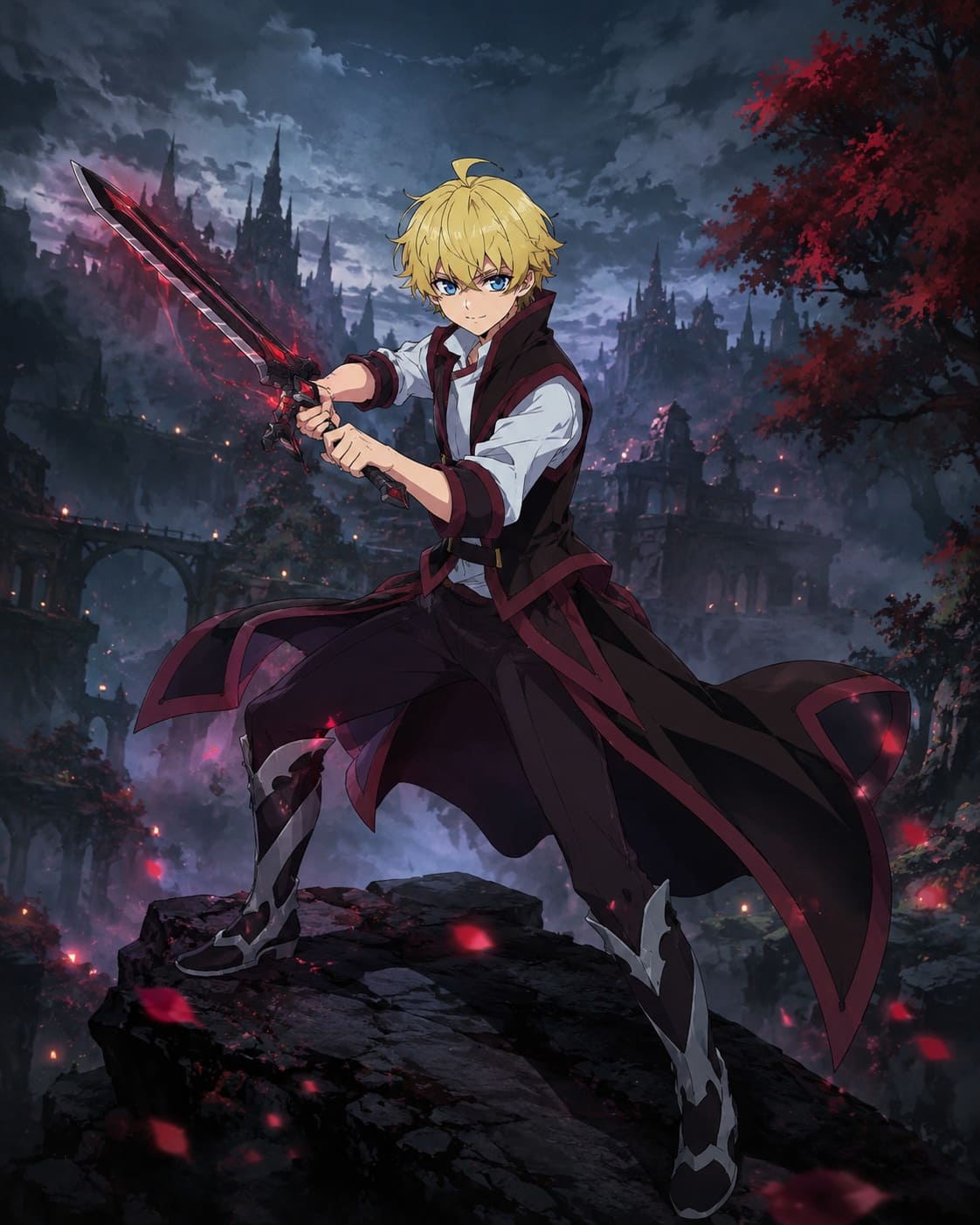
The title of the series suddenly becomes much more important once you understand Finn’s ideology.
Finn repeatedly pushes the idea that magic alone cannot save the world. He believes the separation between mages and swordsmen is fundamentally flawed.
That’s why Will matters so much.
Will is the first character capable of truly standing between both worlds:
- A fighter with monstrous physical ability
- Someone deeply connected to magic despite lacking mana
- A bridge between two opposing systems
Finn clearly sees him as the answer to something ancient.
And honestly? The “False Sky” storyline may end up becoming one of the darkest reveals in modern fantasy anime if the current hints are accurate.
The idea that humanity is literally trapped beneath an artificial sky while “Heavenly Invaders” exist beyond it feels much bigger than the school setting the series started with.
Is Finn Actually a Fallen God?
This is probably my favorite theory.
There’s something deeply unnatural about Finn’s presence in the story. He knows too much. He survives too long. He acts like someone carrying centuries of regret.
Some readers believe Finn may actually be:
- A fallen celestial
- A survivor from an ancient civilization
- One of the original guardians of the world
- The creator of the Sword faction itself
The biggest clue is his relationship with combat.
Finn doesn’t simply use swords.
He talks about them almost like they belong to him by right.
That dialogue gives the impression that he didn’t inherit swordsmanship — he may have created the philosophy behind it.
Final Thoughts
The more Wistoria: Wand and Sword progresses, the more Finn feels like the hidden protagonist of the entire story.
Will may be the hero we follow, but Finn feels like the person who already knows how the story ends.
That’s what makes him so compelling.
Every scene involving him carries this strange tension where you can’t tell whether he’s humanity’s greatest ally… or the final person standing between the world and total collapse.
And honestly, that mystery is a huge part of why Wistoria has become one of the most exciting fantasy manga right now.
If Fujino Omori sticks the landing with Finn’s backstory, he could easily become one of the best mystery characters in modern animanga.