Hell Mode Season 2: Allen’s Complete New Summons List and Abilities Explained
If there’s one thing I love about Hell Mode: The Hardcore Gamer Dominates in Another World with Garbage Balancing, it’s that Allen’s power progression actually feels earned. He doesn’t simply wake up with a ridiculous cheat skill and start deleting bosses. Every upgrade comes with a price, a grind, and usually another reason to make me wonder how this guy still has the patience to keep going.
Season 2 is where that philosophy really starts paying off.
After the early stages of his journey, Allen is no longer just the kid experimenting with a strange Summoner class. His adventures in Academy City, increasingly dangerous dungeons, and the wider conflict surrounding Rosenheim push his Grimoire into a completely different tier. Summoning Levels 6 and 7 introduce monsters that aren’t just stronger versions of his old cards—they fundamentally change how Allen can approach a battle.
And, as someone who enjoys games where preparation matters as much as raw damage, this is easily one of my favorite parts of Allen’s character.
Why Allen’s Summoner Build Is So Interesting
The genius of Allen’s class is that his strength doesn’t come from one overpowered attack. It comes from building the right combination of cards for the situation.
His summons provide different combat functions, elemental options, and stat advantages. Instead of asking, “Which monster is strongest?” Allen is constantly asking, “Which combination gives me the highest chance of winning this particular fight?”
That distinction becomes extremely important in Season 2.
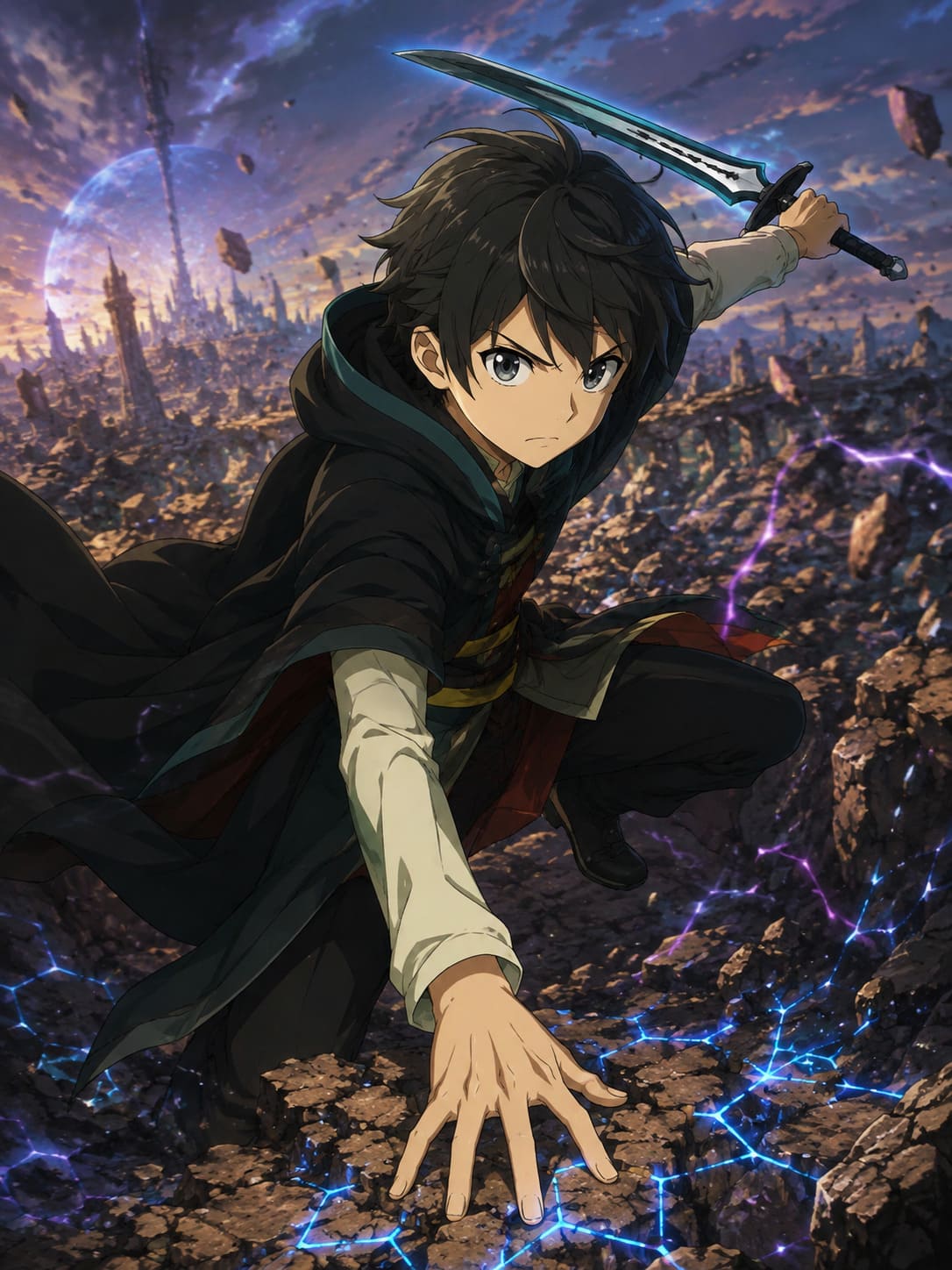
Higher-rank cards give Allen access to substantially more powerful options, while his strengthening mechanics allow him to invest resources into individual cards over time. The result is a progression system that feels surprisingly close to optimizing an endgame character in a hardcore RPG.
And, as someone who enjoys games where preparation matters as much as raw damage, this is easily one of my favorite parts of Allen’s character.
Allen’s Season 2 Summons at a Glance
| Summon | Rank | Main Role | What Makes It Stand Out |
|---|---|---|---|
| Maria | 6 | Support / Commander | Intelligence and independent decision-making |
| Rank 7 Angel | 7 | Strategic Support | Advanced battlefield coordination |
| Cerby | 6 | Physical Attacker / Tank | Massive close-range pressure |
| Drago | 7 | AoE / Aerial Combat | Destructive dragon power |
| Mirror | 6 | Defense / Counter | Reflect-based defensive utility |
What I like here is the variety. Allen isn’t simply collecting five different monsters that all do the same thing with bigger numbers.
Each high-rank summon has a job.
Maria: The Angel That Changes Allen’s Battlefield Management
Maria is one of the most interesting additions because she represents something Allen has desperately needed as his number of summons continues to grow: another intelligent commander.
Earlier in the story, Allen has to personally manage an increasingly complicated battlefield. That works when the fights are relatively small. But once dozens—or potentially hundreds—of units and enemies are involved, human attention becomes a genuine limitation.
Maria helps solve that problem.
Her biggest advantage isn’t simply raw power. It is her independence and intelligence. She can communicate, understand complicated orders, and coordinate other summons without requiring Allen to micromanage every individual action.
That sounds like a small upgrade on paper.
It isn’t.
In large-scale combat, reducing the amount of information Allen has to process could be just as valuable as giving him another powerful attack.
Her support-oriented abilities also make her particularly useful when Allen’s party is dealing with status effects and magical threats. Rather than being another frontline monster, Maria functions almost like the tactical officer of Allen’s growing army.
And personally, I think that fits the Summoner class much better than simply giving Allen another giant damage dealer.
Cerby: Allen Finally Gets a Beast That Feels Like a Monster
The Beast category has always been useful for Allen, but Cerby pushes the concept much further.
Cerby, the Rank 6 Beast, is essentially the kind of summon you bring when subtlety has completely left the building.
Its enormous physical presence makes it ideal for direct combat, while its multi-headed design reinforces the idea that this isn’t just an upgraded wolf or ordinary magical beast.
Cerby’s battlefield value comes from two major functions:
- Overwhelming close-range physical damage
- Threat control and protection for more vulnerable allies
That second point is particularly important.
A powerful Summoner needs more than damage. Allen has companions who can deal enormous damage themselves, but they need opportunities to attack. A beast capable of drawing enemy attention can create exactly those openings.
That makes Cerby a natural partner for Allen’s more aggressive teammates.
Drago: The Rank 7 Dragon Is the Obvious Monster, but That’s Fine
Let’s be honest: whenever a fantasy protagonist unlocks a Rank 7 Dragon, everyone knows what the hype is going to be about.
Drago is Allen’s aerial powerhouse and one of the most destructive additions to his arsenal.
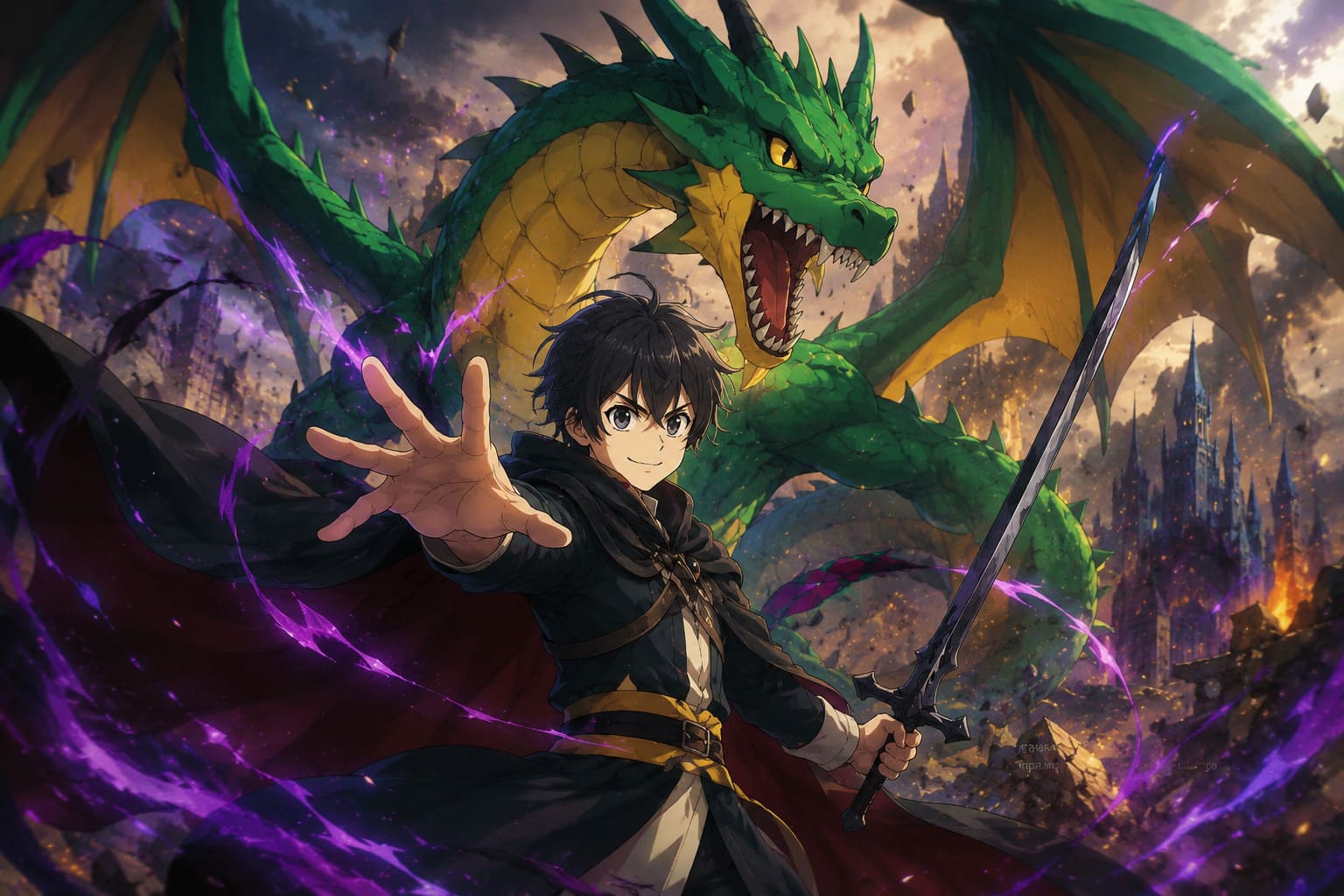
The dragon’s greatest advantage is its ability to combine mobility with huge area damage. Ground-based enemies suddenly have another problem to deal with: Allen can attack them from above while maintaining pressure elsewhere on the battlefield.
Dragon Breath is exactly the kind of ability you would expect from a high-level dragon—an enormous elemental attack capable of devastating groups of enemies rather than simply focusing on one target.
But what I find more interesting is the defensive side.
Drago’s durability and defensive scaling mean the summon isn’t just a flying cannon. It can also help Allen survive situations where his own physical defenses would otherwise become a serious weakness.
In other words, Drago doesn’t merely increase Allen’s damage output.
It expands his tactical options.
Mirror Might Be the Most Underrated Card
If I had to pick the Season 2 summon that deserves more attention from fans, I’d probably choose Mirror.
At first glance, a magical mirror sounds considerably less exciting than an enormous dragon or a high-ranking angel.
Then you remember what Mirror can actually do.
Its defensive mechanics make it exceptionally useful against powerful attacks. Rather than simply absorbing damage, Mirror is built around turning an opponent’s strength against them.
That is a perfect ability for Allen.
He is constantly facing enemies with attacks that can overwhelm ordinary defenses. A counter-oriented summon gives him another answer when brute-force resistance isn’t enough.
The healing utility associated with its awakened abilities also gives Mirror an emergency-support function, making it useful even when Allen doesn’t need its defensive counterattack.
This is one of those cards that might not look impressive in a character popularity poll, but in an actual difficult RPG encounter, I’d absolutely want it in my deck.
The Biggest Season 2 Upgrade: Deputize
For me, the most important development isn’t even a specific monster.
It’s Deputize.
This ability represents a fundamental change in Allen’s identity.
Before this point, Allen is essentially an extremely powerful Summoner who personally manages his cards. With Deputize, he can begin turning his summons into an organized command structure.
A selected high-ranking summon can become a General, gaining a huge attribute boost and the ability to command lower-ranking summons through Recruit.
The numbers associated with these bonuses are absurdly high, but the more important concept is organizational.
Allen is no longer thinking only about:
“What can my summons do?”
He’s thinking:
“How can my summons command each other?”
That is a massive difference.
A General can control a group of Recruits, allowing Allen to delegate entire sections of a battlefield. In a huge dungeon, siege, or war scenario, this could dramatically reduce the amount of direct control Allen needs to exercise.
And that’s exactly where the hardcore-gamer mentality pays off.
Allen isn’t just grinding levels.
He’s optimizing an army.
Quick Summon Makes Allen Much Harder to Catch Off Guard
Another deceptively useful upgrade is Quick Summon.
Normally, summoning mechanics involve preparation and timing. In a battle where a boss can kill someone in seconds, that delay can be disastrous.
Quick Summon changes the equation by allowing Allen to deploy a card almost immediately at a higher mana cost.
Imagine a boss unleashing an attack that the party simply cannot afford to take.
Allen doesn’t have time to prepare.
He doesn’t need to.
He can instantly deploy the appropriate summon and turn what looked like a guaranteed hit into a defensive counterplay.
This is the kind of ability that makes Allen’s combat style increasingly unpredictable. His opponents can’t simply study his current lineup and assume they know what he will do next.
Hell Mode Season 2: Allen’s Summoner Class Hidden Skills Explained
How This Changes Allen’s Team Chemistry
One mistake I think people can make when looking at Allen’s summons is treating them as an isolated power system.
They’re not.
Allen’s real strength comes from how his cards interact with the rest of the party.
Take Krena, for example. She is already terrifying as a close-range powerhouse. Allen doesn’t need to compete with her damage output. Instead, his summons can control positioning, absorb attacks, create openings, or force enemies into favorable formations.
That makes the entire party stronger.
The same principle applies to Allen himself. Because his cards can influence his effective stats and combat role, he can adapt depending on what the situation demands.
- Need more defense? Choose the appropriate defensive cards.
- Need mobility? Use cards that improve that aspect.
- Need overwhelming area damage? Bring out the heavy hitters.
That’s why I think Allen’s progression is more satisfying than the usual “new transformation = bigger number” formula.
Why Season 2 Is Such an Important Point in Hell Mode
Season 1 establishes Allen’s mindset.
Season 2 demonstrates what happens when that mindset finally has enough power behind it.
The Rank 6 and Rank 7 summons aren’t interesting merely because their statistics are higher. They’re interesting because they allow Allen to approach battles on a completely different scale.
He gains:
- Independent high-intelligence summons
- Powerful frontline monsters
- Aerial and area-damage options
- Advanced defensive counters
- More sophisticated battlefield delegation
- Instant summoning for emergency situations
Put all of that together, and Allen begins to resemble less of a traditional adventurer and more of a one-man tactical headquarters.
That, to me, is the real appeal of Hell Mode.
The series understands that becoming powerful should change how a character thinks about combat—not merely how much damage appears above an enemy’s head.
Final Thoughts: Allen’s Strongest Weapon Isn’t a Card
After looking at Allen’s Season 2 development, I still think his most dangerous ability isn’t Dragon Breath, Reflect, or even Deputize.
It’s his ability to optimize.
Allen treats this world like a brutally unfair game, and instead of complaining about the difficulty, he studies the mechanics and searches for every possible advantage. Every new summon gives him another variable to manipulate.
The Rank 6 and Rank 7 cards simply give that mentality a much larger playground.
And if the story continues pushing his Summoner class toward even higher levels, I suspect the really terrifying question won’t be which monster Allen summons next.
It will be how Allen learns to use an entire army of them at once.
That is where Hell Mode Season 2 becomes especially exciting for fans of progression fantasy: Allen isn’t just becoming stronger.
He’s becoming better at being Allen.