Kuroe Akaishi Kaiju Form Explained: Everything to Know About the Harugon Transformation in Kaiju Girl Caramelise
There are plenty of anime characters who transform into monsters, demons, or super-powered beings. After watching countless series over the years, I honestly thought I had seen every possible variation. Then Kaiju Girl Caramelise arrived and completely surprised me.
Instead of using rage, dark magic, or some ancient curse, this story turns something as ordinary as having a crush into a full-scale kaiju transformation. It’s funny, awkward, surprisingly emotional, and somehow makes perfect sense once you understand Kuroe Akaishi’s character.
If you’re wondering how Kuroe Akaishi becomes Harugon, why romance is connected to her powers, and what the transformation really symbolizes, here’s my complete breakdown.
What Makes Kuroe Akaishi Different?
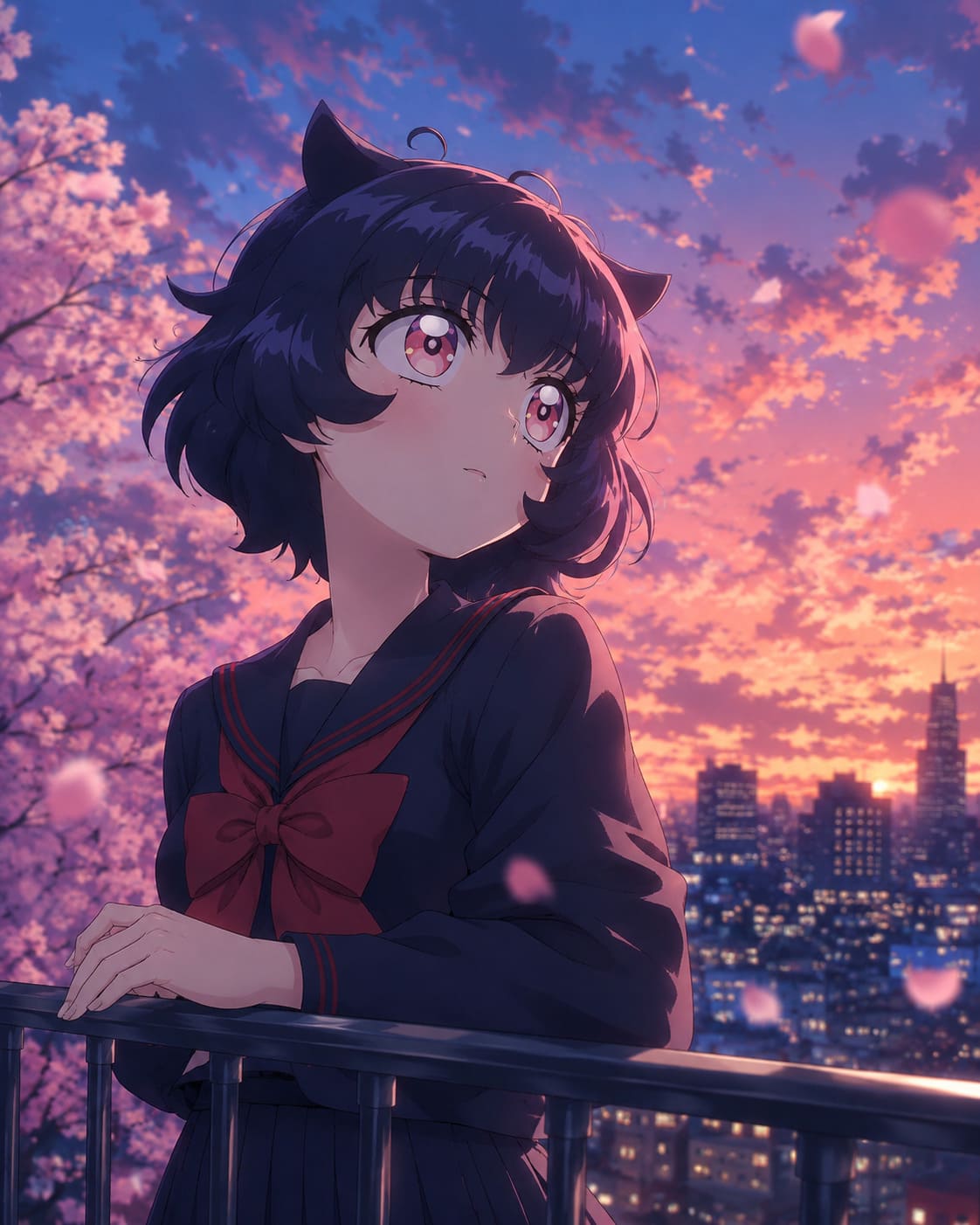
At first glance, Kuroe looks like the typical shy anime heroine.
She keeps to herself, avoids attention whenever possible, and seems uncomfortable around almost everyone at school. Most classmates misunderstand her behavior, giving her cruel nicknames and assuming she’s simply strange.
But the reality is much bigger.
Kuroe isn’t hiding an embarrassing habit or a secret identity as a magical girl.
She’s literally descended from a giant kaiju species.
Whenever her emotions spiral out of control—especially around someone she likes—her inherited monster instincts awaken, causing dramatic physical changes that eventually transform her into the enormous creature known as Harugon.
That unusual premise is exactly what gives the series its personality.
How Kuroe’s Transformation Actually Works
One thing I appreciate is that the transformation doesn’t happen instantly.
Instead, the manga and anime gradually show her body losing control, making every emotional moment feel increasingly tense.
Early Signs
The first stage is subtle enough that Kuroe can sometimes hide it.
Common changes include:
- Dark scales spreading across her skin
- Small horns appearing in her hair
- Sharp claws replacing normal fingernails
- A large reptilian tail growing behind her
These changes almost always happen after sudden embarrassment or emotional excitement.
For someone trying desperately to appear normal, even these smaller mutations feel terrifying.
Full Harugon Transformation
If her emotions continue escalating, the situation quickly becomes impossible to control.
Her body rapidly expands into an enormous kaiju measuring roughly:
| Feature | Harugon |
|---|---|
| Height | Around 60 meters |
| Weight | Approximately 70,000 tons |
| Appearance | Dark armored scales |
| Eyes | Bright crimson |
| Signature Feature | Red dorsal spikes |
At this point, Kuroe no longer resembles an ordinary high school student.
She becomes a walking natural disaster capable of leveling entire city blocks simply by moving.
Yet despite the overwhelming size and power, she’s still emotionally the same awkward teenager inside.
That contrast is probably my favorite part of the entire concept.
Why Does Romance Trigger Harugon?
This is where Kaiju Girl Caramelise becomes much more interesting than a typical monster series.
Kuroe doesn’t transform because she’s angry.
She transforms because she’s nervous.
Whenever she’s around Arata Minami, even tiny moments can become dangerous.
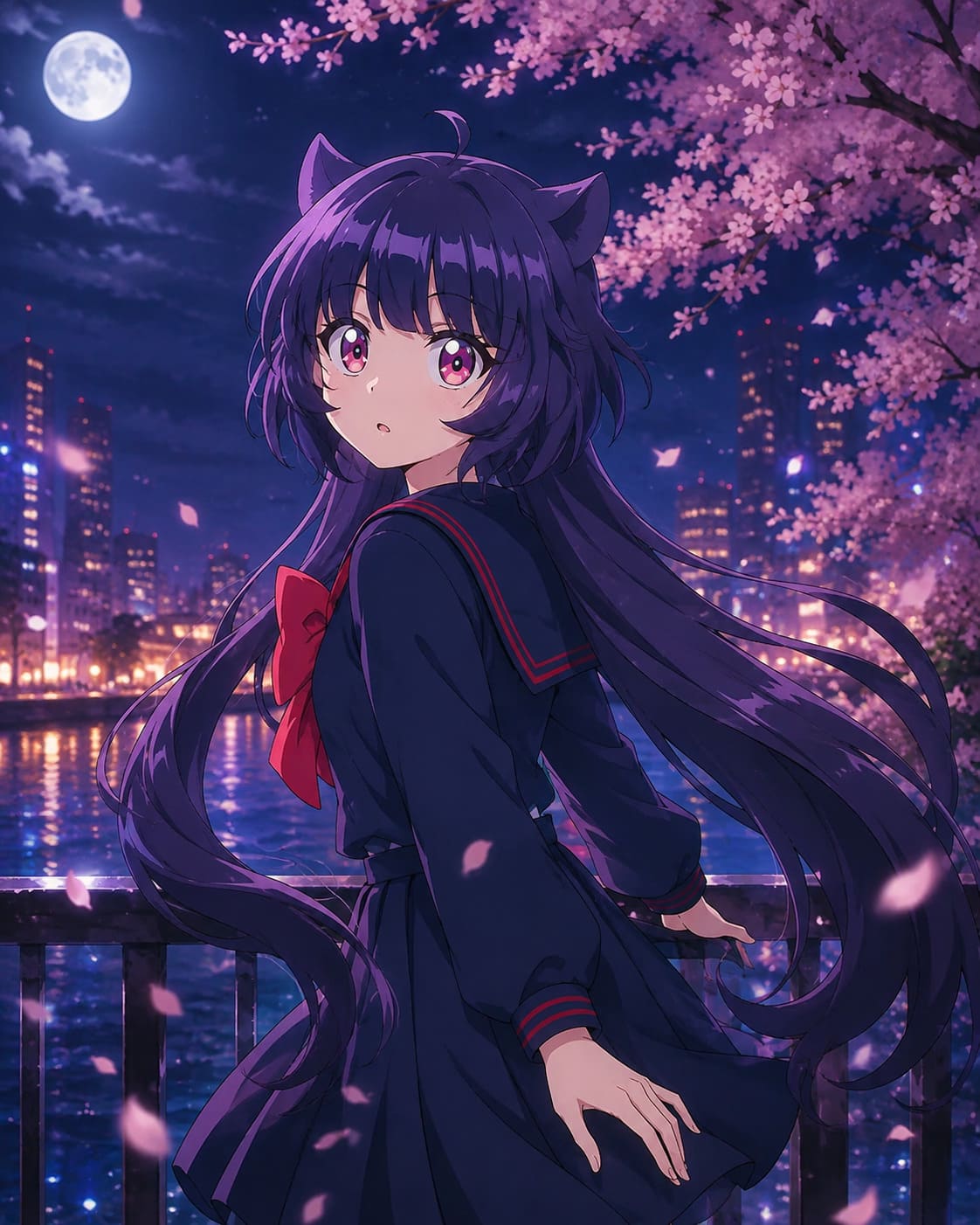
Examples include:
- Accidentally making eye contact
- Receiving a compliment
- Physical contact
- Romantic misunderstandings
- Feeling overwhelmed by affection
Her increased heart rate effectively activates the dormant kaiju biology inside her.
It’s an incredibly exaggerated metaphor, but it works.
Anyone who’s experienced an awkward first crush remembers feeling like their heartbeat might explode.
The series simply asks:
“What if it actually did?”
Harugon Is Really About Self-Acceptance
Under all the comedy and giant monster action, I think the series tells a surprisingly relatable story.
Kuroe spends most of her life believing that something is fundamentally wrong with her.
- She hides.
- She isolates herself.
- She assumes nobody could ever accept what she truly is.
Her monster form represents every insecurity she’s tried to bury.
Instead of showing emotional scars as invisible trauma, the series makes them impossible to ignore.
The scales, claws, horns, and towering body all symbolize the fear that people will reject the real version of you.
That’s an idea many viewers can probably connect with, even without the giant monster part.
Why Arata Changes Everything
Another reason I enjoy this story is Arata Minami.
Many romance anime rely on unnecessary misunderstandings or love interests who constantly create drama.
Arata is refreshingly different.
Rather than judging Kuroe, he naturally accepts her odd behavior.
Sometimes he completely misunderstands what’s happening—thinking her monster features are elaborate cosplay—but his reactions are consistently kind instead of cruel.
That emotional support slowly helps Kuroe stop seeing herself as a monster first and a person second.
Watching that relationship develop feels much more rewarding than simply waiting for the next transformation scene.
Harugon’s Design Is a Love Letter to Classic Kaiju
Monster movie fans will immediately recognize where the inspiration comes from.
Harugon’s overall silhouette strongly echoes legendary Japanese kaiju films.
Some obvious design elements include:
- Heavy reptilian scales
- Massive muscular build
- Large dorsal plates
- Powerful tail
- Towering city-sized proportions
Yet the series also embraces its shojo identity.
Instead of making Harugon look purely terrifying, the design incorporates playful touches that reflect Kuroe’s personality, giving the monster a surprisingly expressive appearance.
It’s a clever balance between classic tokusatsu influences and romantic comedy aesthetics.
Why Fans Have Connected With Harugon
Since the anime adaptation released, I’ve noticed discussions everywhere—from Reddit threads to anime YouTube channels.
Most conversations usually focus on three things:
- The originality of combining shojo romance with giant monster action.
- Kuroe’s emotional growth, which feels genuine instead of forced.
- The relationship between Kuroe and Arata, avoiding many frustrating romance clichés.
I’ve even seen plenty of comparisons to Turning Red, although Kaiju Girl Caramelise takes the emotional metaphor much further by introducing full-scale kaiju destruction.
For longtime anime fans, it also feels like a refreshing reminder that creative ideas still exist beyond endless isekai formulas.
Final Thoughts
After spending time with Kaiju Girl Caramelise, I walked away thinking Harugon isn’t memorable simply because she’s huge.
She’s memorable because every transformation has emotional weight behind it.
Kuroe isn’t fighting villains or saving the planet.
She’s trying to survive high school, understand her own identity, and figure out whether someone could actually love every part of her—including the giant monster hidden beneath the surface.
That’s what makes her transformation stand out.
It delivers spectacular kaiju moments while never forgetting that the real story is about an anxious teenage girl learning to stop fearing herself.
For me, that’s far more interesting than another hero unlocking a new power level. Harugon feels like a character whose strength comes from vulnerability rather than invincibility, and that combination makes Kuroe Akaishi’s kaiju form one of the most memorable transformations in recent anime.