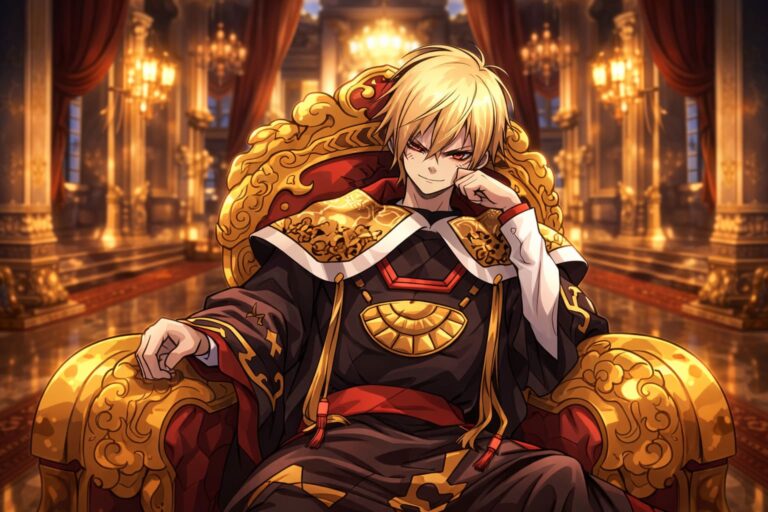
Serafina de Lavillant: Why the “Princess Knight of the West” Feels So Iconic in Modern Fantasy
If you’ve spent any time in anime spaces lately, you’ve probably seen people talking about The Warrior Princess and the Barbaric King (also known as The Barbarian’s Bride). And honestly, it’s not hard to see why.
At the center of the hype is Serafina de Lavillant — a character who doesn’t just fit the “Princess Knight” archetype, but stretches it in ways that feel fresh, emotional, and surprisingly human.
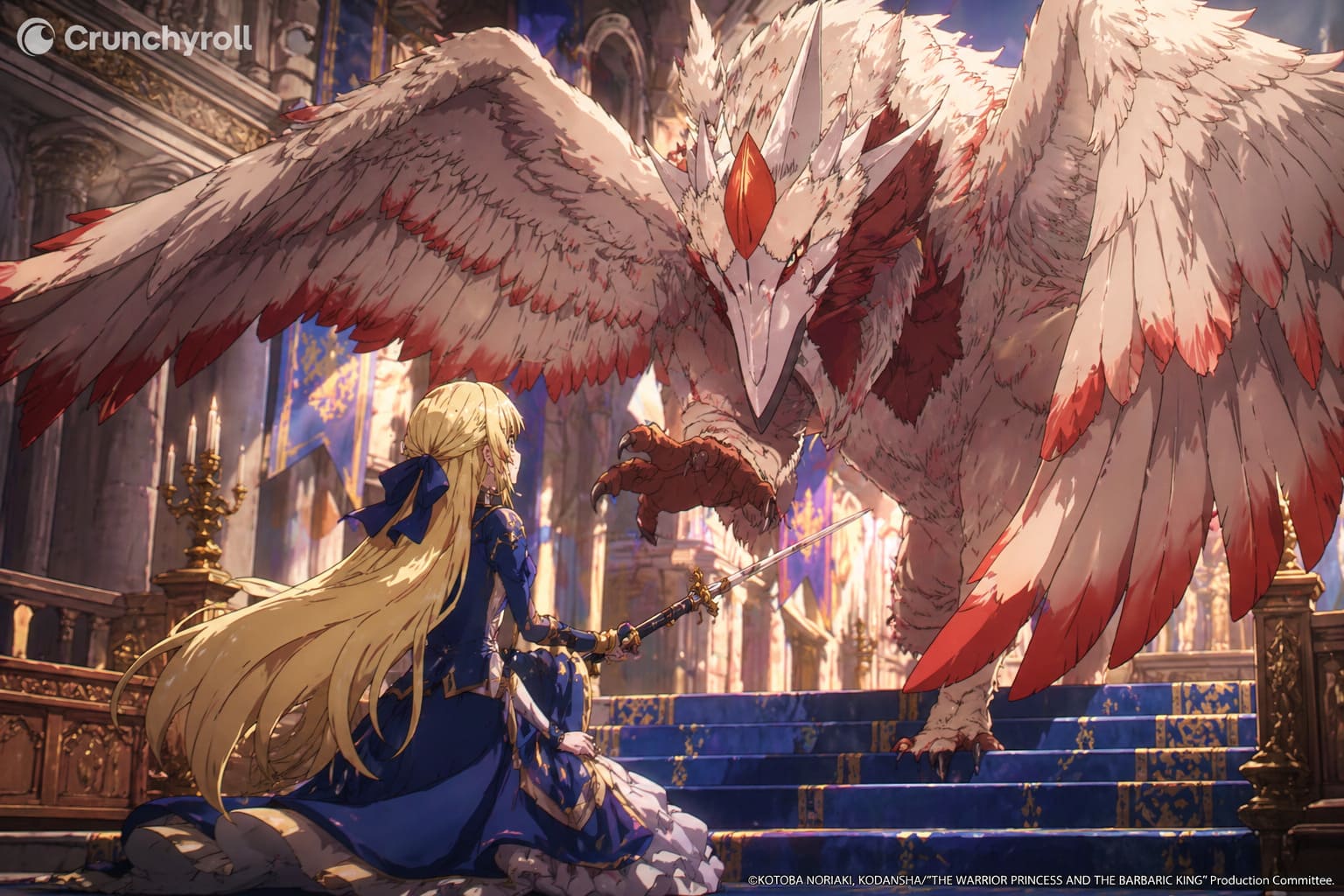
As someone who genuinely enjoys fantasy anime, especially stories that play with power dynamics and cultural clashes, Serafina’s appeal goes deeper than her design or reputation.
She’s not just cool — she’s complicated in a way that keeps you thinking long after an episode ends.
Let’s break down why her title matters, and why her story hits differently in 2026.
Arthur Leywin’s King Grey Memories: TBATE Season 2 Deep Dive and Spoilers
What “Princess Knight of the West” Actually Means
At first glance, the title sounds like a standard fantasy label. We’ve all seen “princess knights” before — noble, elegant, deadly with a sword. But Serafina’s version of that title carries a bit more weight.
Not a Princess… But Close Enough
Serafina isn’t royalty in the strict sense. She’s the daughter of a Marquis, which still places her high in the aristocratic hierarchy. In practice, though, she feels like royalty: she carries herself with authority, she’s treated as a symbol of her nation, and she embodies everything the West idealizes. That’s where the “Princess” part really comes from — not a crown, but presence.
The Knight Who Represents an Entire Civilization
Calling her the “Knight of the West” isn’t just geographical — it’s ideological. The Kingdom of Illdoren, representing the West, sees itself as civilized, disciplined, and morally superior. Serafina is essentially the perfect product of that worldview, making her not just a warrior but a living symbol of her culture’s beliefs.
Strength That Actually Feels Earned
Unlike some overpowered characters who simply exist at the top, Serafina’s strength feels grounded in experience, leadership, and reputation. At 26, she’s a seasoned commander leading the 17th Expeditionary Force, respected by allies and feared by enemies. Before her capture, she stands as one of the strongest knights in the West.
The Turning Point: When the “Unbreakable Knight” Breaks
This is where the story truly becomes compelling. Serafina is sent east to defeat tribes she believes to be barbaric, expecting a straightforward victory. Instead, she is defeated in a duel by Veor, the tribal leader she underestimated. This moment flips everything she believed about strength, culture, and superiority.
What Makes This Twist Work
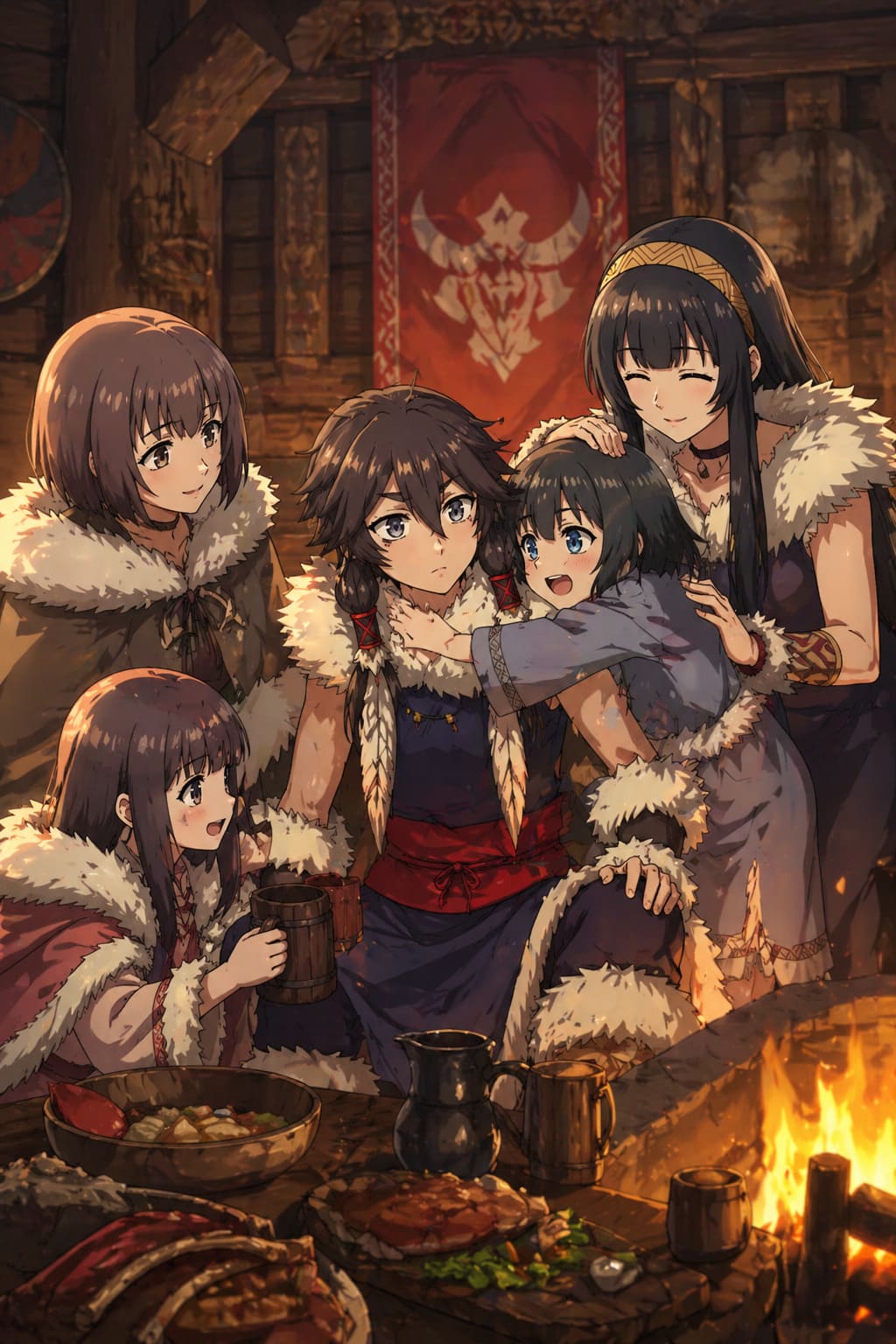
The power of this narrative shift lies in contrast. Serafina expects torture or execution but is instead treated with respect and even proposed to.
What she viewed as savagery reveals itself as structured and meaningful culture. This clash between expectation and reality drives much of her character development.
| Expectation | Reality |
|---|---|
| Torture | Respect |
| Execution | Marriage Proposal |
| Savagery | Culture and Order |
| Humiliation | Transformation |
The “Captured Bride” Arc Isn’t What You Think
While the premise might sound like a cliché, the execution is far more nuanced. Serafina does not lose her strength or identity. Instead, she struggles internally, questions her beliefs, and gradually recognizes the limitations of her worldview. Her journey is less about being rescued and more about self-discovery.
Why Serafina Feels So Relevant Right Now
There’s a reason she’s trending across discussions, fan art, and analysis videos. Her character reflects modern storytelling themes that resonate with audiences.
Challenging Moral Superiority
Serafina begins with a firm belief in the righteousness of her homeland. However, her experiences challenge this perspective, forcing her to confront the possibility that her understanding of the world may be flawed. This internal conflict adds depth and realism to her character.
An Unusual Dynamic
The relationship between Serafina and Veor introduces a unique dynamic shaped by differences in age, culture, and power perception. It subverts expectations and adds emotional complexity beyond a simple enemy-to-lover narrative.
Strength and Vulnerability
One of Serafina’s strongest qualities is her balance between resilience and vulnerability. She remains proud and capable, yet she is also forced to adapt, question herself, and grow. This duality makes her feel authentic and relatable.
Visual Identity: Classic but Effective
Serafina’s design leans into the classic Western knight aesthetic with blonde hair, blue eyes, and heavy silver armor. While not revolutionary, it effectively reinforces her identity and contrasts sharply with her new environment, enhancing the visual storytelling.
Character Overview
| Attribute | Details |
|---|---|
| Name | Serafina de Lavillant |
| Age | 26 |
| Role | Knight Commander |
| Origin | Kingdom of Illdoren |
| Status | Elite Warrior of the West |
| Turning Point | Defeat by Veor |
Will She Return to the West?
The central question remains unresolved and keeps fans engaged. One possibility is that she returns to her homeland, bringing new understanding and potentially challenging its ideology. Another is that she embraces her new life, redefining her identity and values.
Most likely, the story will avoid a simple resolution and instead position Serafina as a bridge between two cultures, embodying both conflict and understanding.
Final Thoughts
Serafina stands out because she transcends her archetype. The “Princess Knight of the West” begins as a symbol of perfection but evolves into a character defined by growth, introspection, and complexity. Her story reminds us that true strength lies not just in victory, but in the willingness to question and change.