Seven Seas Licenses Classic Ultraman Manga by Kazuo Umezz: Release Date and Why Kaiju Fans Are Hyped
For years, one of the biggest frustrations about being an Ultraman fan outside Japan was knowing that some of the franchise’s most important stories were practically impossible to read legally. You could stumble across low-quality scans, pay outrageous prices for vintage Japanese editions, or simply admire a few pages shared online. That was it. So when Seven Seas Entertainment revealed that it would finally publish Ultraman by Kazuo Umezz: The Classic Manga Collection in English, it honestly felt like one of those announcements that nobody expected but everyone immediately celebrated.
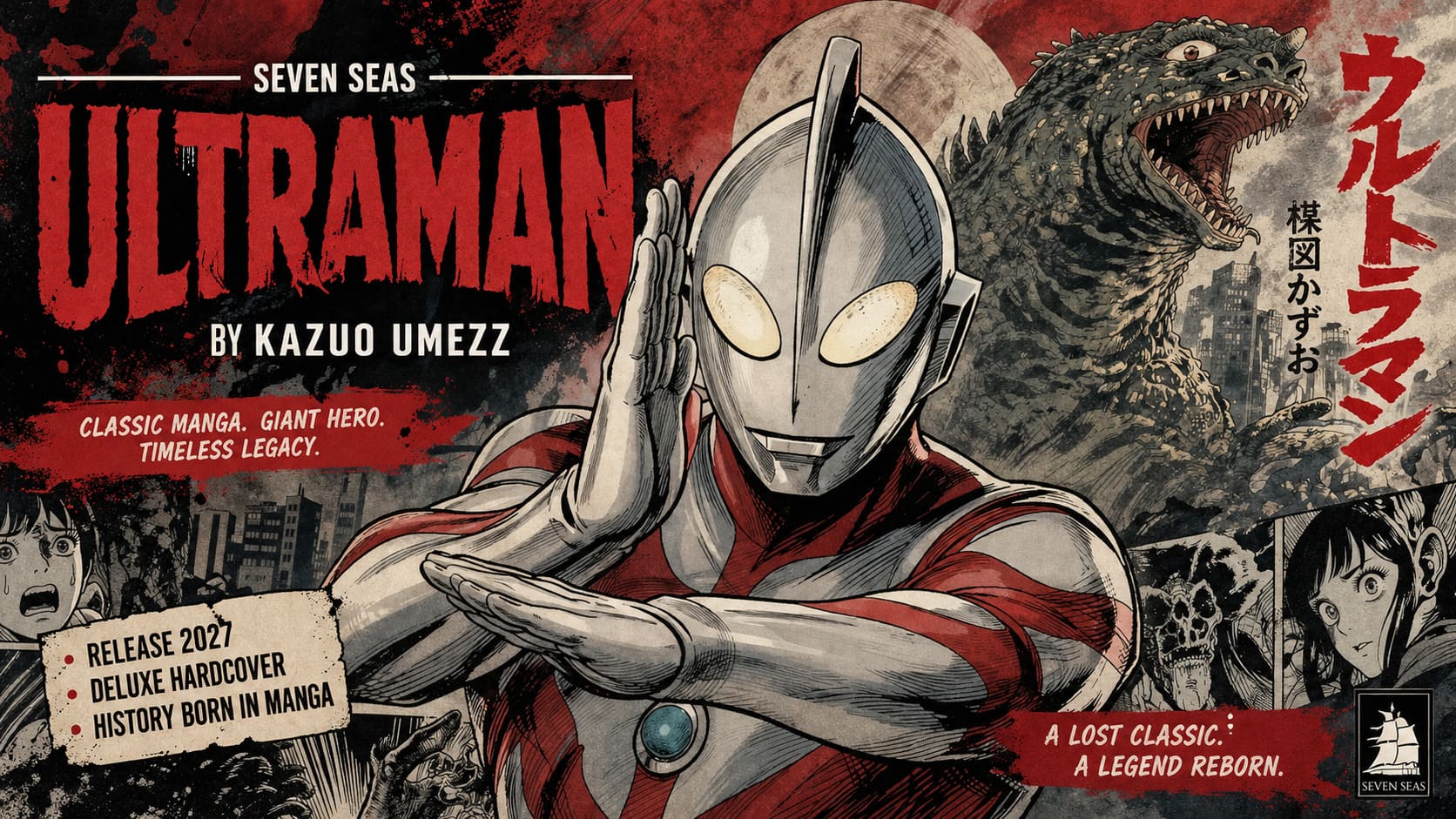
As someone who loves classic anime, manga, and old-school tokusatsu, this release feels much bigger than another collector’s hardcover. It finally gives English-speaking readers access to a piece of manga history that has influenced generations without ever being widely available in the West. Sometimes publishers announce another deluxe edition of something we’ve already seen dozens of times. This isn’t one of those cases. This is genuine preservation of a forgotten classic.
Is the Bleach Manga Finished? Bleach TYBW 2026 Release Schedule and Hell Arc Rumors Explained
Why This Announcement Matters More Than You Think
Modern fans usually discover Ultraman through newer manga series, streaming shows, or Netflix adaptations. Those are great entry points, but they only tell part of the story. The original 1966 manga illustrated by Kazuo Umezz comes directly from the era when Ultraman was still becoming a cultural phenomenon.
That alone makes it fascinating. Instead of revisiting the franchise decades later, Umezz worked alongside the television boom itself. His manga captures the excitement, experimentation, and creative freedom of Japanese pop culture during the height of the country’s giant monster obsession. Reading it today isn’t just entertainment—it’s like opening a time capsule from one of the most important periods in manga history.
I honestly think that’s what excites collectors the most. This isn’t nostalgia manufactured years later. It’s the real thing, preserved almost exactly as readers experienced it during the birth of one of Japan’s greatest pop culture icons.
Umezz Turned a Superhero Story Into Something Weird
If you’ve only heard Kazuo Umezz described as a horror legend, you’re probably expecting creepy faces and unsettling monsters. You’re absolutely right. But what’s surprising is how naturally those horror instincts blend with Ultraman without ever feeling forced.
Rather than creating a safe promotional adaptation, Umezz filled the pages with disturbing transformations, exaggerated expressions, and body horror that feels surprisingly intense for a manga connected to a family television series. Even familiar kaiju encounters become stranger because everything is filtered through his unmistakable artistic style. Every page feels slightly unpredictable, and that’s exactly what makes the book stand out decades later.
One of the most talked-about examples involves Alien Baltan, where human mutation is portrayed in an incredibly grotesque way compared to the television version. The transformation sequence is uncomfortable, chaotic, and almost surreal. Instead of simply recreating the TV episode, Umezz turns it into something that wouldn’t feel out of place in one of his later horror masterpieces.
It Shows a Completely Different Side of Ultraman
One thing I genuinely miss about older manga is that creators often took unexpected risks. They weren’t worrying about cinematic universes, social media reactions, or maintaining perfect franchise consistency. Artists were given room to experiment, and readers benefited from that creative freedom.
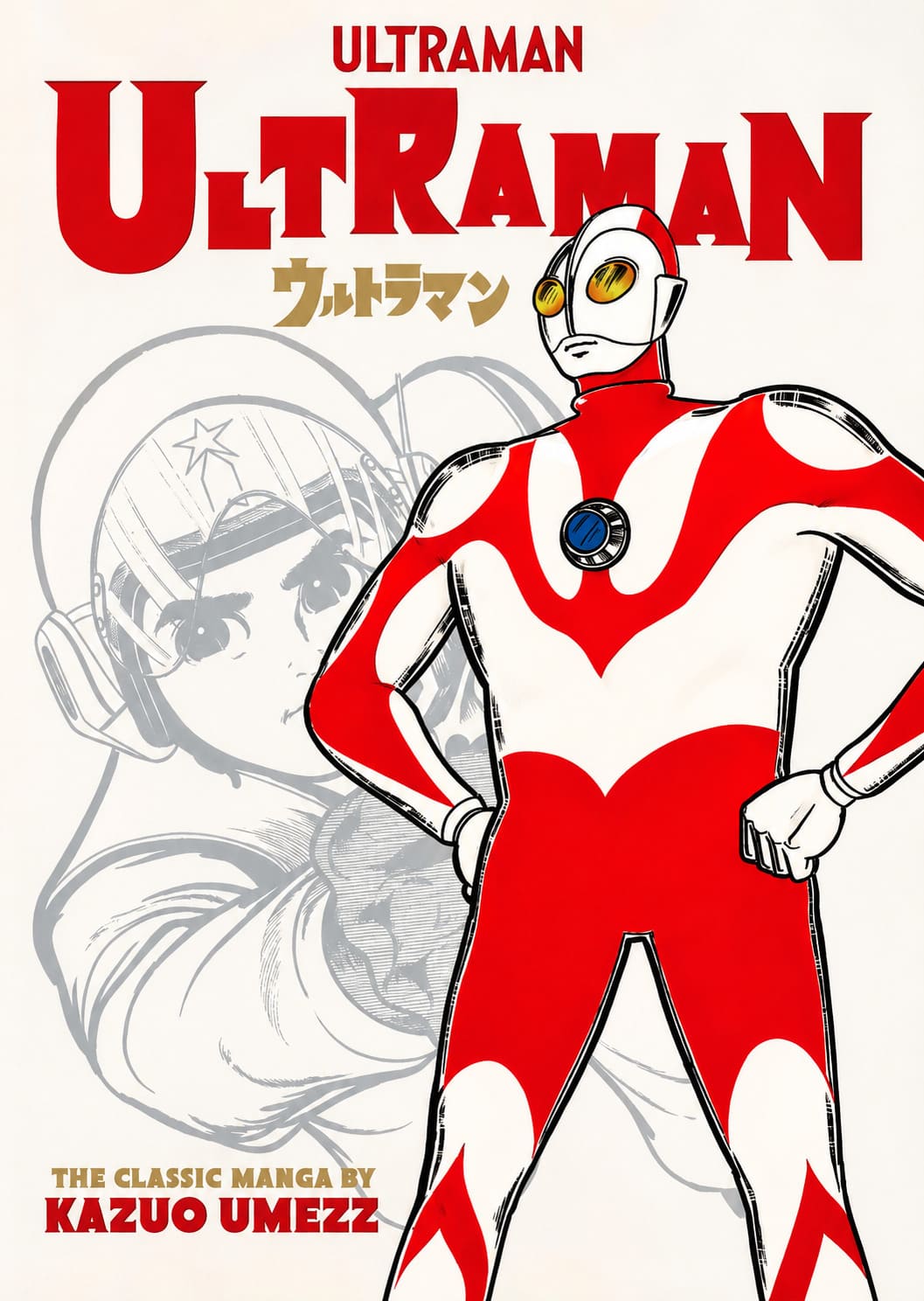
Umezz clearly wasn’t interested in copying television episodes panel by panel. Instead, he exaggerated emotions, redesigned monsters with terrifying details, and filled action scenes with an almost dreamlike intensity. The result is a version of Ultraman that feels familiar while constantly surprising even longtime fans.
If I had to describe the manga in one sentence, I’d simply call it Ultraman through the imagination of a horror genius. That’s probably the biggest reason why collectors have spent decades searching for original copies.
Why Collectors Are So Excited
The excitement isn’t only about finally getting an English translation. It’s also about how Seven Seas plans to present the manga. Instead of releasing another standard paperback, the publisher is giving it the deluxe treatment that collectors have wanted for years.
Highlights of the Hardcover Edition
- Large-format hardcover that showcases Umezz’s intricate artwork.
- Complete English translation of the historic manga.
- Restored presentation suitable for collectors and manga historians.
- Bonus artwork from the original publication.
- Premium construction designed for long-term display and preservation.
For a manga that has remained inaccessible to most Western readers for decades, this is exactly the kind of release fans were hoping to see. Umezz’s artwork deserves oversized pages because so much of its impact comes from tiny visual details that standard manga formats often compress.
The Perfect Release for Ultraman’s Anniversary
The timing honestly couldn’t be better. Ultraman has now reached an incredible milestone, celebrating sixty years of giant heroes, unforgettable kaiju battles, and worldwide influence. While new anime and manga continue introducing fresh audiences to the franchise, looking back at its earliest printed adventures feels just as important.
This collection reminds readers where many creative ideas first evolved outside television. It also highlights something that newer fans sometimes overlook: manga wasn’t simply merchandise supporting Ultraman. It helped expand the universe while giving talented artists opportunities to reinterpret it in completely unexpected ways.
This Release Could Open the Door for More Classics
One of the best things about this announcement is what it might lead to next. Whenever publishers see strong demand for vintage manga, they become much more willing to rescue other forgotten classics from obscurity. That’s exactly what many fans have already started discussing across manga communities.
| Classic Series | Why Fans Want It |
|---|---|
| Cyborg 009 | One of the most influential science fiction manga ever created. |
| Galaxy Express 999 | A timeless adventure deserving another premium English edition. |
| The Ultraman | An important chapter of Ultraman history still unavailable to many readers. |
| More Kazuo Umezz Collections | Many readers hope additional classic works receive the same deluxe treatment. |
Personally, I’d love to see publishers continue exploring manga from the 1960s and 1970s instead of focusing almost exclusively on modern bestsellers. There are still countless groundbreaking series that deserve official translations, and every successful release makes those future projects a little more likely.
Is the Hardcover Worth Buying?
At first glance, the premium price might seem expensive compared to a normal manga volume. However, this isn’t meant to compete with weekly paperback releases. It’s designed as a collector’s edition that celebrates an important moment in manga history.
Considering the oversized hardcover format, restoration work, bonus artwork, and historical significance, the value becomes much easier to appreciate. This isn’t the kind of book you read once and forget. It’s the kind of edition that stays on your bookshelf for years and starts conversations whenever another manga fan notices it.
If you’re only interested in current battle shonen, this probably won’t be an essential purchase. But if you enjoy manga history, classic horror, vintage artwork, or the evolution of Japanese pop culture, it’s difficult to imagine a more exciting release arriving in 2027.
Final Thoughts
Every so often, the manga industry delivers a licensing announcement that feels genuinely meaningful instead of simply commercial. This is absolutely one of those moments. Kazuo Umezz’s Ultraman represents the meeting point of two legendary creative forces and captures an era that shaped both manga and tokusatsu for decades to come.
It’s superhero action mixed with psychological horror, classic monster storytelling filtered through one of Japan’s greatest horror artists, and a long-lost piece of manga history that English-speaking readers can finally experience legally. Releases like this remind me why collecting manga is so rewarding, because discovering forgotten masterpieces often feels even more exciting than buying the latest bestseller.
Hopefully, this hardcover is only the beginning. If fans support releases like this, publishers will have every reason to continue bringing legendary classics to Western audiences. There are still countless treasures waiting to be rediscovered, and this might be the release that finally opens those doors.