Tensura Season 4 (2026): The Eastern Empire War Begins — Rimuru’s Most Dangerous Era Yet
If you’ve been following That Time I Got Reincarnated as a Slime, then you already know this series doesn’t do “small stakes.” But Season 4 (2026) feels different. Bigger. Heavier.
More political, more strategic, and honestly—more dangerous for Rimuru than anything we’ve seen so far.
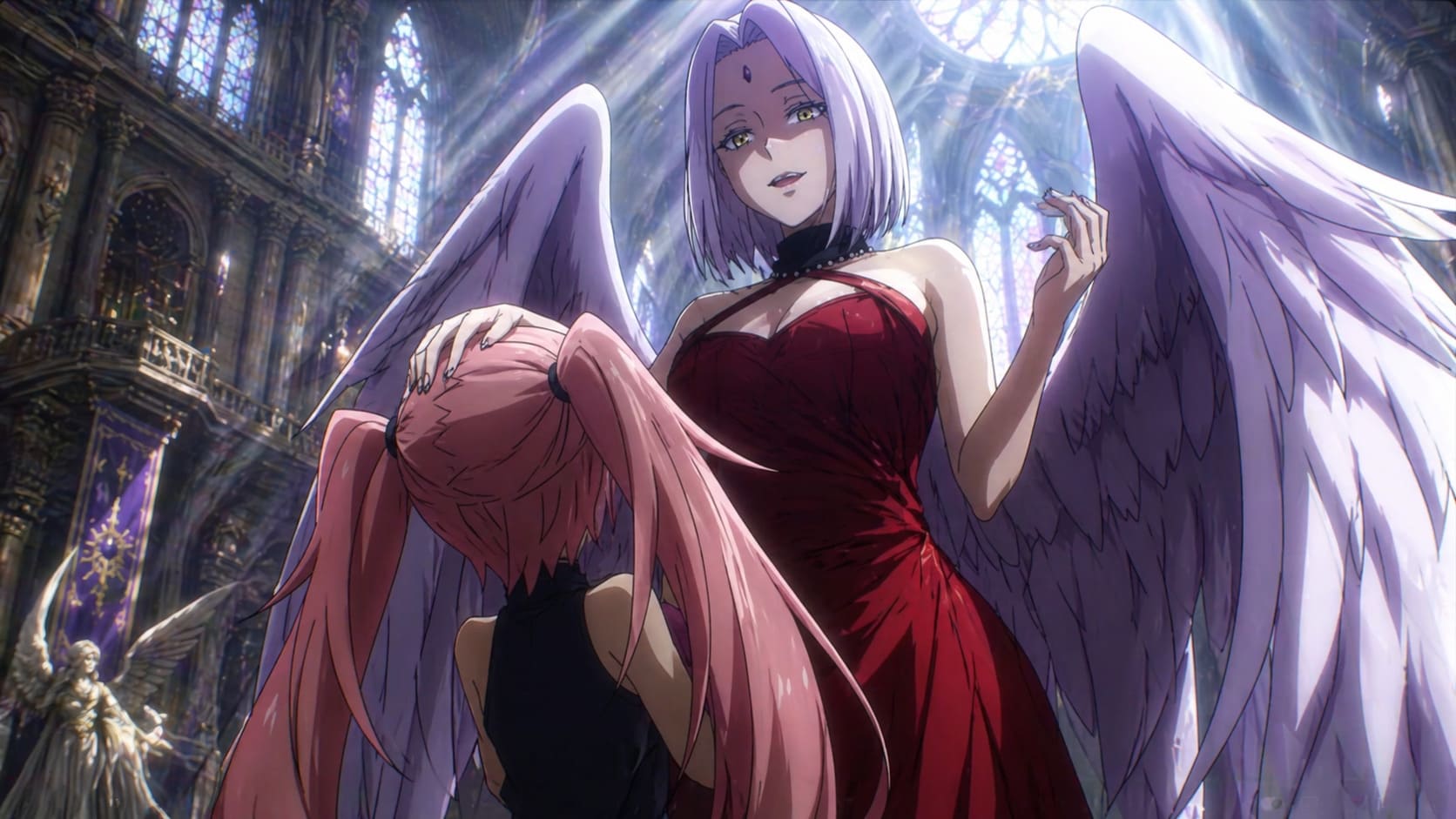
As an anime fan who has been with Tensura since the early days, this season doesn’t just feel like another continuation. It feels like the point where the entire world order finally starts pushing back against Tempest.
And yeah… it’s awesome.
So You Weren’t Into Me?! Chapter 12 – Release Date & Fan Forecast
Season 4 Overview: A Massive 5-Cour Experiment
One of the biggest surprises in 2026 anime news is how Season 4 is structured. Instead of a standard split-cour season, we’re getting a 5-cour mega adaptation, reportedly stretching over 60+ episodes.
That alone tells you everything: Studio 8bit is not rushing this.
Release structure looks like this:
– Cour 1–2: April – September 2026 (continuous broadcast)
– Cour 3–5: After seasonal break, likely continuing into 2027
– Streaming: Weekly international release on Crunchyroll
– Theatrical tie-in: Tears of the Azure Sea movie released February 27, 2026
From a pacing perspective, this is actually a smart move. Tensura’s later arcs are extremely dense—politics, economics, warfare, and layered betrayals. Trying to compress that into a normal season would’ve been a disaster.
Story Direction: From Nation-Building to Full-Scale War
Season 4 starts deceptively calm. On the surface, Rimuru continues building the Human-Monster Coexistence Sphere, expanding Tempest’s diplomatic reach.
But underneath that stability? Everything is collapsing toward war.
This is the kind of storytelling Tensura does best: calm governance on the outside, chaos brewing underneath.
The Rosso Family Arc: Quiet Manipulation, Big Consequences
The early conflict focuses on the Rosso family, especially Granbell Rosso and Mariabell Rosso.
Granbell Rosso is a former Hero turned political strategist, while Mariabell represents a far more dangerous ideology driven by her “Greed” skill.
They don’t see Tempest as just a rival nation. They see it as a systemic threat to human dominance itself.
Instead of direct confrontation, they choose a subtler path:
– Economic sabotage
– Political manipulation
– Internal destabilization
This arc stands out because it feels less like fantasy warfare and more like geopolitical tension. You can’t simply overpower ideology with strength alone.
The Real Storm: Eastern Empire War Incoming
While the Rosso arc builds tension, the real payoff is what fans have been waiting for: the Eastern Empire vs Tempest war.
This is where Season 4 shifts from political fantasy into full-scale military conflict.
The Eastern Empire, led by Emperor Rudra, begins preparing a massive invasion toward the Jura Forest region.
This isn’t a border skirmish. This is industrialized war against a rapidly growing monster nation that the world can no longer ignore.
Key aspects of this arc include:
– Large-scale imperial mobilization
– Anti-monster ideological movements
– Strategic warfare across multiple fronts
– Escalation toward Demon Lord-tier conflicts
This is the moment where Tensura stops being about building a nation and becomes about surviving as one.

Character Power Shifts: Everyone Levels Up
One of the most exciting parts of Season 4 is how it forces evolution across Rimuru’s entire faction.
This is no longer a story where Rimuru solves everything alone.
Key developments include:
– Multiple Tempest executives reaching Demon Lord-level potential
– Major skill awakenings triggered by war conditions
– Diablo becoming a central strategic commander
– Primordial demons actively participating in warfare
Diablo in particular stands out. His role feels less like a warrior and more like a strategist who shapes battles before they even begin.
New Characters That Actually Matter
Season 4 introduces several key figures who significantly impact the story’s direction.
Notable additions include Mariabell Rosso, Granbell Rosso, Masayuki, and the evolving presence of Ciel.
Ciel’s development is especially important. This is not just an upgrade—it feels like an evolution into a fully independent strategic intelligence guiding Rimuru’s decisions.
Character table overview:
| Character | Role | Key Trait |
|---|---|---|
| Mariabell Rosso | Main antagonist | Greed-based manipulation |
| Granbell Rosso | Strategist | Former Hero ideology conflict |
| Masayuki | Empire Hero figure | Symbolic leadership role |
| Ciel | Rimuru’s evolution system | Advanced analytical intelligence |
Why the 5-Cour Format Actually Matters
At first glance, 5 cours might sound excessive. But for Tensura’s late-game arcs, it makes sense.
The Eastern Empire War is not a single storyline—it is a layered sequence of campaigns, ideological conflicts, and political shifts.
This structure allows the adaptation to properly handle:
– Long-term political buildup
– Multiple simultaneous conflicts
– Character progression arcs
– World-scale consequences
Without this pacing, the story would lose much of its emotional and strategic weight.
What Makes Season 4 Feel Different
Earlier Tensura seasons focused heavily on growth and nation-building. Season 4 shifts that identity entirely.
Now the tone feels like:
– Nation building → global confrontation
– Internal growth → external survival
– Expansion → defense against overwhelming opposition
Rimuru is no longer just a leader of a small nation. He is now a global power that other nations are actively preparing to confront.
Final Thoughts: The Beginning of Tensura’s Darkest Era
Season 4 is not just another continuation—it feels like a turning point for the entire series.
We are entering a phase where Rimuru’s strength is undeniable, but so is the world’s resistance to it.
The tension is no longer about whether Tempest can grow. It is about whether it can survive being too strong in a world that fears it.
If this adaptation succeeds, Season 4 won’t just be another anime arc. It will become the defining era of Tensura’s entire story.