The Relationship Between Marcille and Falin: Fan Theories vs. Canon in Delicious in Dungeon
Few anime and manga relationships in recent years have sparked as much passionate discussion as the bond between Marcille Donato and Falin Touden in the anime Delicious in Dungeon (also known as Dungeon Meshi). Spend five minutes on anime Reddit, Tumblr, or TikTok and you’ll see the name “Farcille” everywhere. Fan art, essays, emotional edits—people are deeply invested in whatever is going on between these two.
So what’s the truth? Is this secretly one of anime’s most heartfelt slow-burn romances, or simply one of the best portrayals of platonic devotion in modern fantasy? As someone who’s followed the manga for years and watched the fandom debates unfold in real time, the answer is complicated—and honestly, that’s what makes it so interesting.
Why Fans Feel Something More Than Friendship
From the very beginning, the story places Marcille and Falin’s relationship at the emotional center of the narrative. When Falin is eaten by the Red Dragon, the entire plot is basically powered by Marcille’s determination to bring her back. And that determination goes far beyond what you’d expect from a typical party member.
Here are some moments that made fans raise an eyebrow.
1. The Ultimate Sacrifice
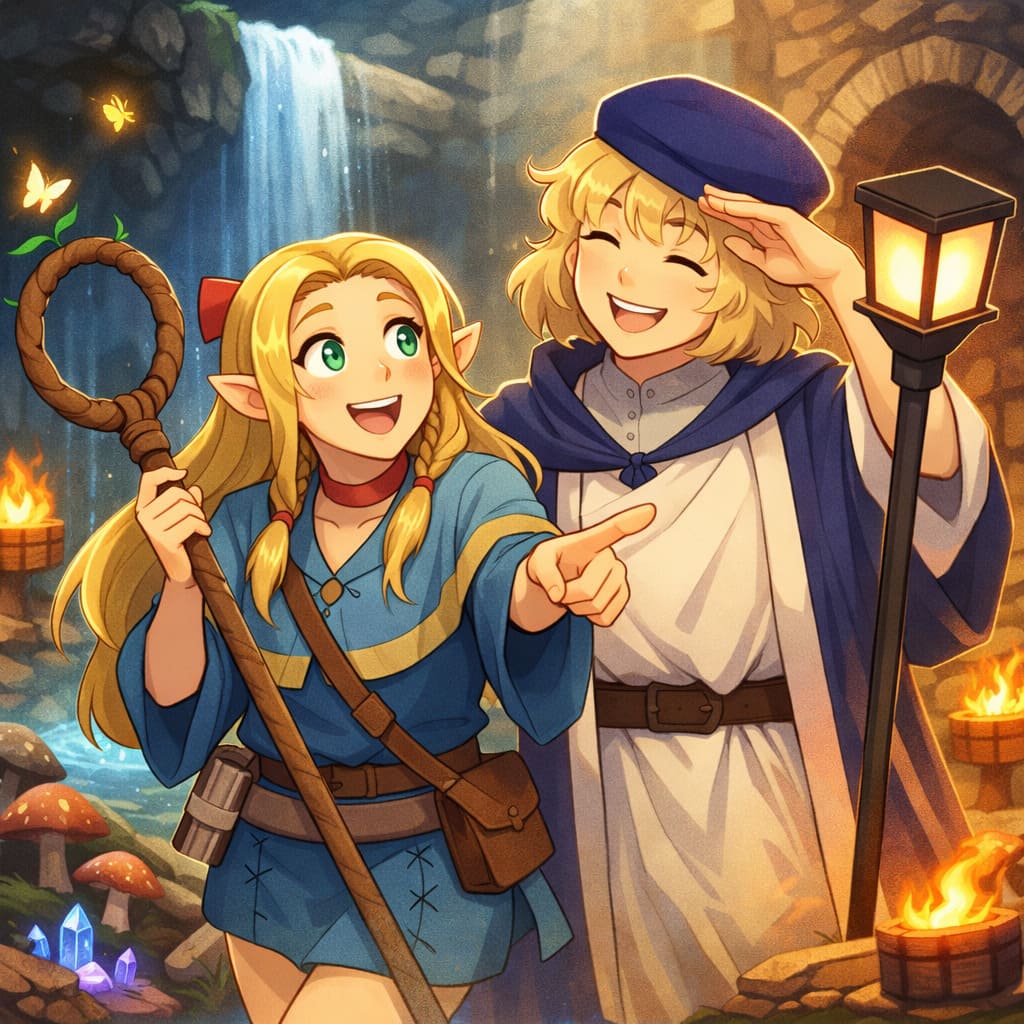
Marcille isn’t exactly thrilled about dungeon cuisine at first. Eating monsters disgusts her. Yet she pushes through it because rescuing Falin matters more.
More importantly, she eventually does something extremely risky: she uses forbidden ancient magic to resurrect Falin. In the world of Dungeon Meshi, that’s not just a reckless decision—it’s a potentially catastrophic one.
For many fans, the question becomes simple: would Marcille really risk everything like that for just a friend?
2. Their Emotional Intimacy
Marcille and Falin’s interactions often feel more personal than the typical adventuring party dynamic. Moments like the bathing scene are often cited in fandom discussions. While communal bathing isn’t unusual in Japanese media, what stands out is the comfort and tenderness between them.
It’s the kind of quiet, trusting intimacy that feels deeply personal.
3. The “Parallel Reaction” Theory
One of the more interesting fandom observations compares Marcille to Shuro. Shuro is canonically in love with Falin. At one point when Falin, in her transformed state, tears Marcille’s clothing, Marcille reacts in a flustered way that mirrors Shuro’s own awkward reactions around her.
Fans noticed the parallel almost immediately. Was it intentional? Maybe. Maybe not. But anime fandoms live for this kind of detail.
The Shared History That Makes Everything Hit Harder
Another huge factor is their backstory. Marcille and Falin first bonded at the Magic Academy, where both of them were essentially outsiders. That shared isolation created a strong emotional connection long before the dungeon adventure began.
In fact, Marcille was initially cold toward Laios because she felt like he had taken Falin away from her. That’s not exactly the reaction of someone who sees another person as just a casual friend.
Fan Theories That Keep the Debate Alive
The Farcille conversation wouldn’t exist without the fandom’s endless theories. Some are serious literary analysis, while others are pure headcanon.
Here are two of the most popular ones.
The Lifespan Theory
Marcille is a half-elf, meaning she could live far longer than most humans. That creates a potential emotional barrier—why fall deeply in love with someone you’ll inevitably outlive?
But after Falin’s resurrection with dragon components, fans speculate her lifespan might now be extended. Which leads to the ultimate fan question: could they now actually grow old together?
Emotional Soulmates
Even fans who don’t see the relationship as romantic often agree on one thing: Marcille and Falin are essentially soulmates.
Interestingly, a succubus illusion in the story suggests Marcille’s “ideal partner” is a male elf. Yet emotionally, the person she prioritizes most consistently is Falin. That contrast fuels even more interpretation.
Why the Winged Lion Eats Desires: Lore Breakdown & The Dark Side of Dungeon Meshi
What the Author Actually Says
The creator of the series, Ryoko Kui, has taken a very deliberate stance: she refuses to define the relationship. In interviews, she has explained that she didn’t intend the series to be romance-focused, that she prefers letting readers interpret relationships themselves, and that she avoids writing specifically to satisfy fan expectations.
That approach leaves Farcille in a kind of storytelling sweet spot—never officially confirmed, but never denied either.
Cultural Differences That Shape the Debate
A lot of the Farcille discourse actually comes down to cultural perspective.
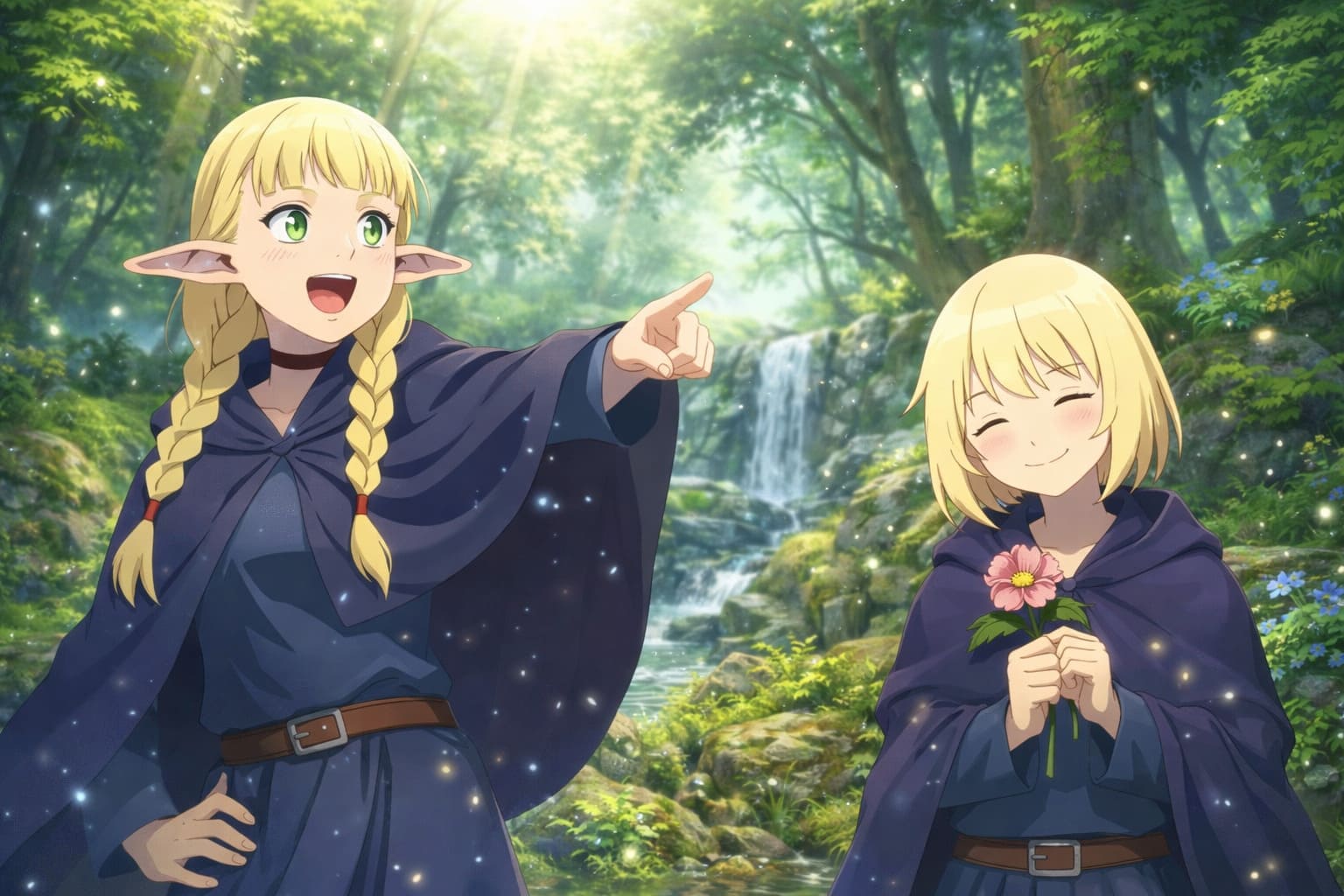
| Perspective | Common Interpretation |
|---|---|
| Western fandom | Strong emotional devotion often reads as romantic subtext |
| Japanese media tropes | Deep same-gender friendships are a familiar narrative theme |
| Modern online fandom | Fans enjoy exploring queer coding in ambiguous stories |
Because of that, two readers can look at the exact same scene and come away with totally different conclusions. And neither interpretation is necessarily wrong.
My Personal Take as an Anime Fan
Honestly, I think Farcille works because it stays ambiguous. If the story suddenly added a confession scene or a wedding epilogue, it might actually make the relationship feel smaller.
Right now, their bond feels bigger than labels.
Marcille crosses ethical lines, defies magical laws, and risks everything to bring Falin back. Meanwhile, Falin trusts Marcille completely, even when things go wrong.
Whether you read that as romantic love, platonic devotion, or something in between, the emotional weight is undeniable. And that’s why Farcille keeps dominating fandom conversations.
Not because it’s clearly canon, but because it’s written with just enough depth that fans can see themselves—and their own ideas about love and loyalty—in it.