The Umi Asanagi Separation Trauma Theory: Why the “Second Prettiest Girl” Hides a Darker Past
At first glance, I Made Friends with the Second Prettiest Girl in My Class (WataNare) feels like comfort food in anime form—soft, wholesome, and easy to enjoy after a long day. But the deeper you look, the more it becomes clear that this story isn’t just about a shy boy meeting a popular girl. Underneath the surface, it’s about emotional survival, subtle fears, and the quiet need to hold onto someone who won’t disappear.
And honestly, that’s what makes Umi Asanagi such a compelling character.
More Than Just a “Second Prettiest Girl”
Umi’s self-label as “second prettiest” sounds charming at first. It feels like harmless modesty, maybe even a playful personality trait. But the more you think about it, the less it feels like a joke and the more it feels intentional. There’s a strange logic behind choosing second place instead of aiming for the top.
- Being number one isolates you and puts pressure on you
- Being unnoticed means being forgotten entirely
- Being second keeps you relevant but safe
This doesn’t feel accidental. It feels like someone who understands how fragile attention and relationships can be, and who is trying to balance visibility with emotional security.
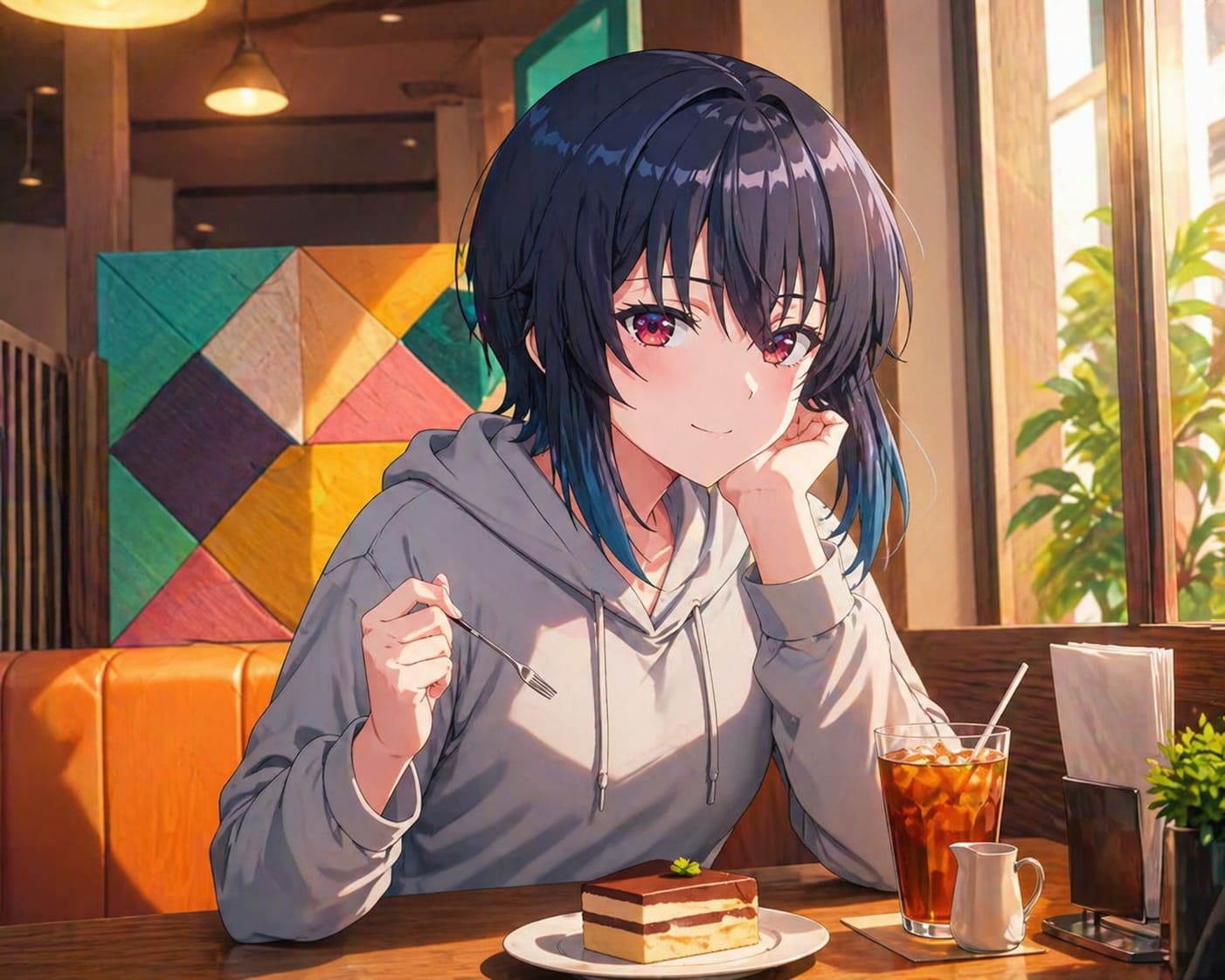
The Attachment Angle (And Why It Feels Real)
A lot of fans interpret Umi through the lens of anxious-preoccupied attachment, and once you notice it, it becomes difficult to ignore. Her behavior consistently reflects someone who fears emotional distance and seeks constant reassurance from others.
- She looks for validation through social interaction
- She avoids silence and emotional gaps
- She forms deep attachments very quickly
This is where Maki Maebara becomes crucial to understanding her character.
Is the I Made Friends with the Second Prettiest Girl in My Class manga finished?
Why Maki Isn’t Just a Love Interest
Maki isn’t just “the quiet guy” in the corner. For Umi, he represents something far more important: stability. He doesn’t chase status, doesn’t judge her based on popularity, and doesn’t drift between people. He simply stays consistent, present, and grounded.
For someone who may carry a fear of abandonment, that kind of presence isn’t just comforting—it’s essential.
The “Separation Trauma” Idea — Does It Hold Up?
While nothing is officially confirmed, the idea that Umi experienced some form of emotional loss earlier in life explains many of her behaviors. Whether it was a family issue, a broken relationship, or losing someone important, the patterns align in a way that feels too coherent to ignore.
| Behavior | Possible Meaning |
|---|---|
| Constant cheerfulness | Emotional masking |
| Fear of silence | Anxiety about disconnection |
| Need for physical closeness | Reassurance and grounding |
| Strong reactions to distance | Trigger linked to past loss |
When viewed together, these traits feel less like random quirks and more like a structured emotional defense system.
The Smile That Doesn’t Always Reach Her Eyes
One of the most subtle but powerful elements of Umi’s character is how her emotions are portrayed visually. There are moments where her smile feels slightly forced, where her eyes lose their brightness, or where her energy drops when she’s alone. These small details create a quiet contrast between who she is in public and who she might be underneath.
This “mask of happiness” is a familiar trope, but here it feels grounded rather than exaggerated. It doesn’t scream for attention—it lingers in the background, waiting to be noticed.
Why This Resonates So Much Right Now
Modern audiences tend to look beyond surface-level archetypes. A cheerful, energetic girl is no longer just accepted as-is—people want to understand why she acts that way. In Umi’s case, her personality may be less about natural extroversion and more about learned behavior.
There’s a quiet implication behind her actions: if she stops being fun, stops being engaging, or stops being needed, she might lose the people around her. That idea feels uncomfortably real, which is exactly why it resonates so strongly.
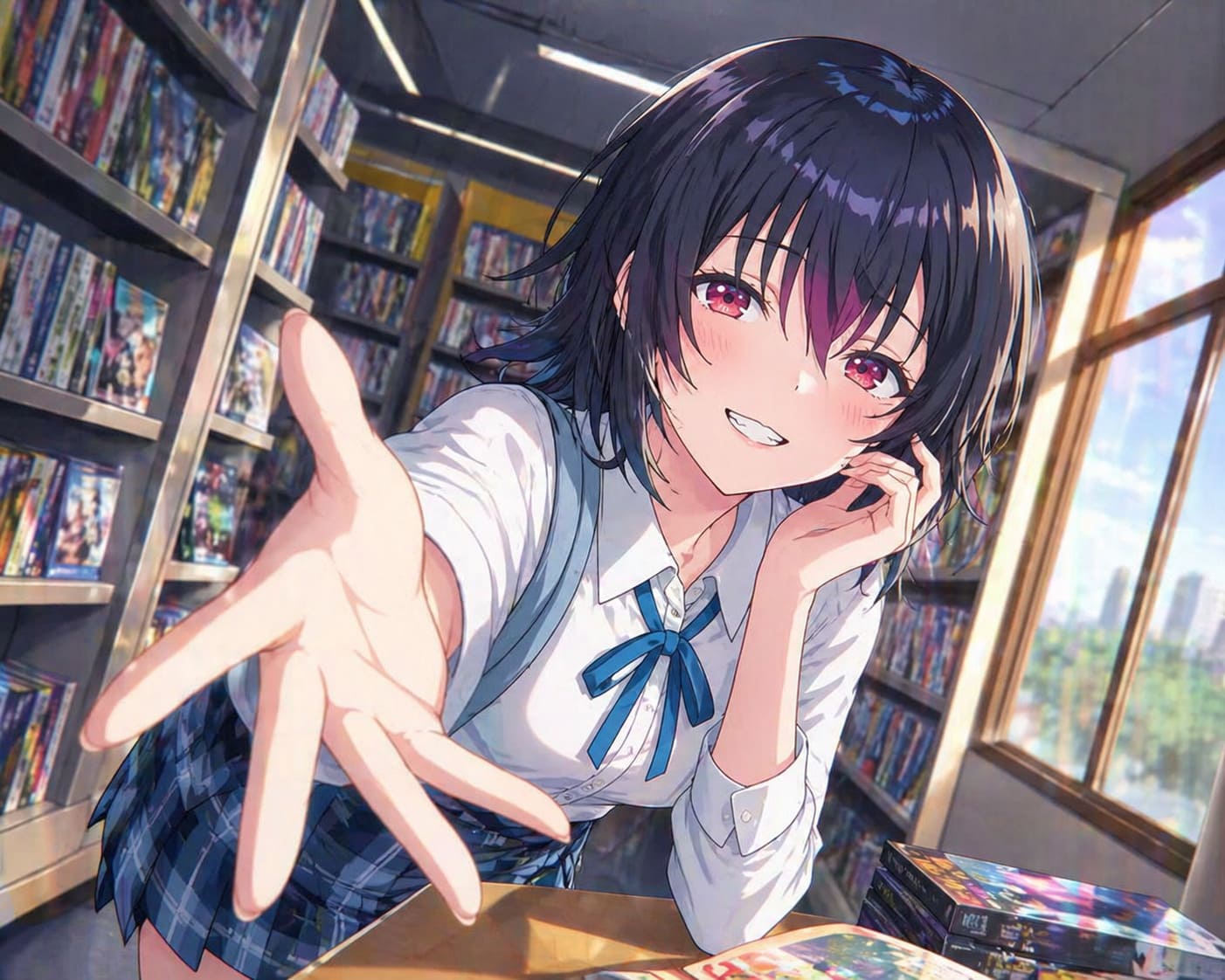
Key Signs That Support the Theory
- Noticeable anxiety when Maki becomes distant
- A constant need to fill silence with conversation
- Frequent use of physical touch to maintain connection
- Careful positioning within social dynamics
These patterns suggest intention, not randomness. They point toward coping mechanisms rather than personality quirks.
Is Umi “Broken”? Not Really
It’s easy to label characters like Umi as “damaged,” but that interpretation misses the nuance. She doesn’t feel broken. She feels adaptive. She’s someone who may have learned early on that relationships can disappear, and who built a version of herself designed to prevent that from happening again.
What makes her compelling is not her struggle, but her awareness—whether conscious or not—that something inside her is driving these behaviors.
What This Means for the Story Going Forward
If the story continues to explore this layer, it’s likely building toward a breaking point. A moment where Umi can no longer maintain her perfect persona and is forced to confront her fear directly. This could come in many forms, such as separation, graduation, or emotional conflict.
That moment will define her character, and more importantly, it will test Maki’s role in her life—not just as a romantic interest, but as someone capable of providing genuine emotional support.
Why This Makes the Series Better
Without this deeper interpretation, the series remains a pleasant but standard romantic comedy. With it, the narrative gains weight and meaning. It becomes a story about connection, identity, and the fear of being left behind.
That added layer doesn’t overpower the story—it enriches it.
Final Thoughts
Umi Asanagi isn’t just trying to be liked. She’s trying to make sure she matters. There’s a difference, and it shows in everything she does. Behind her energy, her charm, and her carefully maintained image, there’s a quieter emotion driving her forward: the fear of being forgotten.
And that’s exactly what makes her one of the most memorable characters in modern rom-com anime.