Why Did Hinata Sakaguchi Join Rimuru?
If you’ve watched or read That Time I Got Reincarnated as a Slime, you already know that Hinata Sakaguchi’s shift from ruthless opponent to trusted ally isn’t just another anime trope. It’s one of those character arcs that actually feels earned. As a fan, this is the kind of development that makes the world of TenSura feel alive rather than scripted.
At first glance, Hinata looks like the classic “human supremacist” archetype—cold, logical, and completely unwilling to trust monsters. But the deeper you go, the more you realize her actions weren’t about blind hatred. They were rooted in misinformation, loyalty, and a very rigid sense of justice.
Let’s break down what really pushed her toward Rimuru—and why her decision makes perfect sense.
The Real Reason Behind Hinata’s Hostility
Hinata didn’t wake up one day and decide, “Yeah, I’ll go kill a slime.” Her initial aggression came from two major factors:
- Her connection to Shizue Izawa
- Manipulation by outside forces
Shizue wasn’t just someone Hinata respected—she was a mentor figure. So when Hinata was led to believe that Rimuru killed her, that wasn’t just another mission. It became personal.
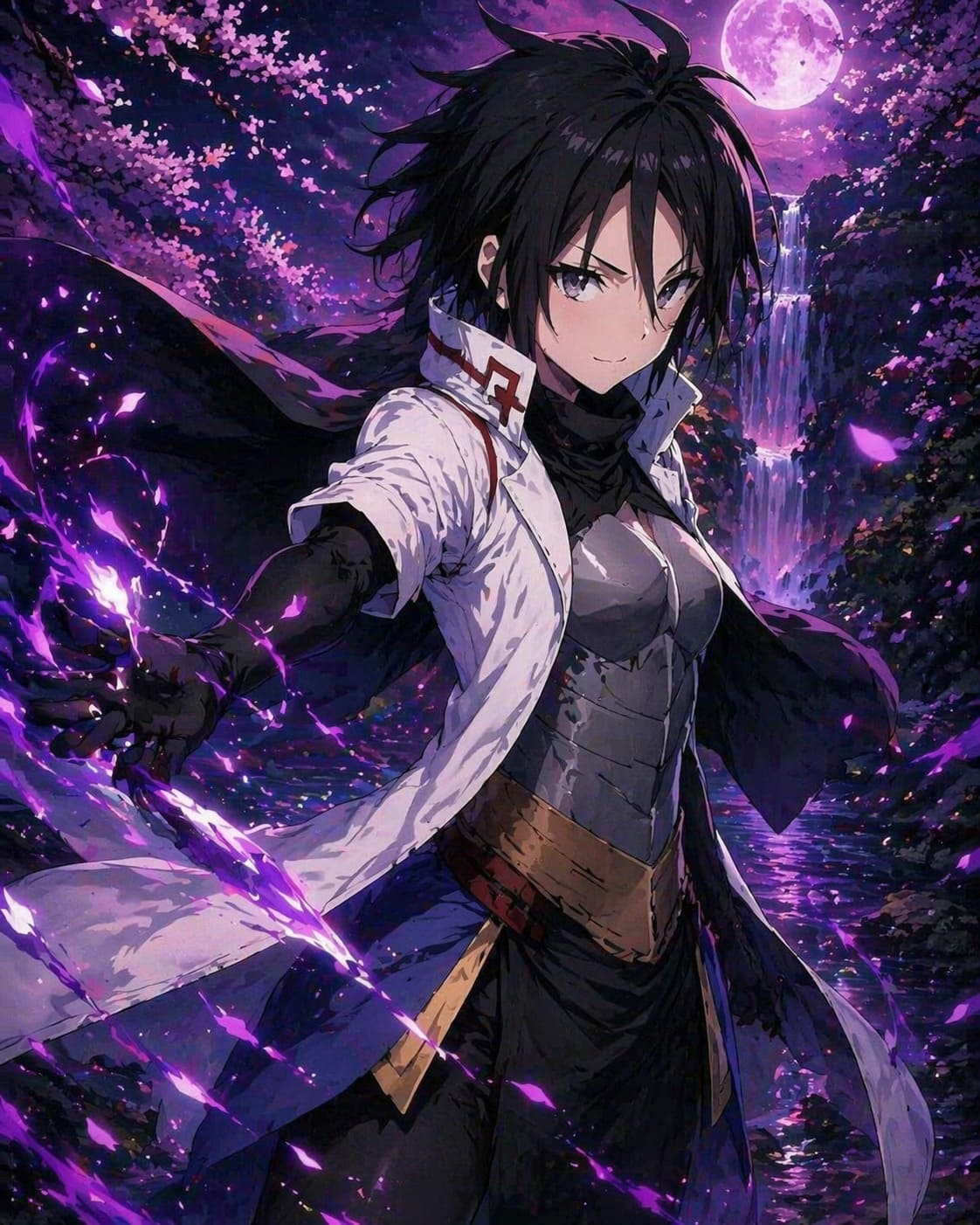
And here’s where things get interesting: Hinata isn’t emotional in the typical sense. She’s calculating. So once she accepted the premise that Rimuru was responsible, eliminating him became the logical move.
On top of that, her worldview didn’t help. She genuinely believed:
Monsters are threats. Humans must be protected at all costs.
So from her perspective, Rimuru wasn’t just guilty—he was dangerous by default.
The Turning Point: When Reality Doesn’t Match Belief
Everything starts to crack during their second encounter.
By this point, Rimuru has evolved significantly, and Hinata walks into the fight expecting a repeat of their first clash. Instead, she gets a reality check.
What stands out here isn’t just Rimuru’s power—it’s his restraint.
- He doesn’t go all-out to kill her
- He fights fairly
- He actively tries to resolve the misunderstanding
That alone forces Hinata to reconsider everything she thought she knew.
And then comes the bigger reveal: she was manipulated.
Once the truth about Shizue comes out, the entire foundation of her hatred collapses. At that moment, Hinata isn’t just facing Rimuru—she’s confronting her own flawed judgment.
Testarossa vs Velgrynd: Who is Stronger? Tensura Power Scaling Analysis
Why Hinata Actually Chooses Rimuru
Clearing up the misunderstanding explains why she stops fighting—but it doesn’t fully explain why she joins his side. That decision runs deeper.

Here are the three biggest reasons, from a fan’s perspective:
1. Rimuru’s World Matches Her Ideals
Hinata’s core goal has always been simple:
- Protect humanity
- Maintain order
- Create stability
The irony? Rimuru is already doing that—just in a completely different way.
When Hinata sees the Jura-Tempest Federation for herself, it hits hard. This isn’t chaos. It’s not a monster-dominated dystopia. It’s a functioning society where:
- Humans and monsters coexist
- Trade and diplomacy thrive
- Violence isn’t the default solution
In a way, Rimuru succeeds where human institutions failed. That realization alone is enough to shift her perspective.
2. Authority Alignment (Luminous Valentine Factor)
Hinata isn’t a lone wolf. She operates within a system, and her loyalty to her leader matters.
Once Luminous Valentine acknowledges Rimuru as an ally, everything changes. For Hinata, this isn’t just approval—it’s validation at the highest level.
It removes the last barrier between her duty and her personal judgment.
3. Mutual Respect (The Underrated Element)
This is the part fans love the most.
Hinata doesn’t suddenly become warm or overly friendly. That’s not her personality. But over time, something subtle develops:
- She trusts Rimuru’s decisions
- She speaks honestly around him
- She doesn’t treat him as a threat anymore
And Rimuru? He respects her strength and intelligence.
Their dynamic becomes less about alliance and more about equals who challenge each other. It’s not loud, but it’s incredibly satisfying to watch.
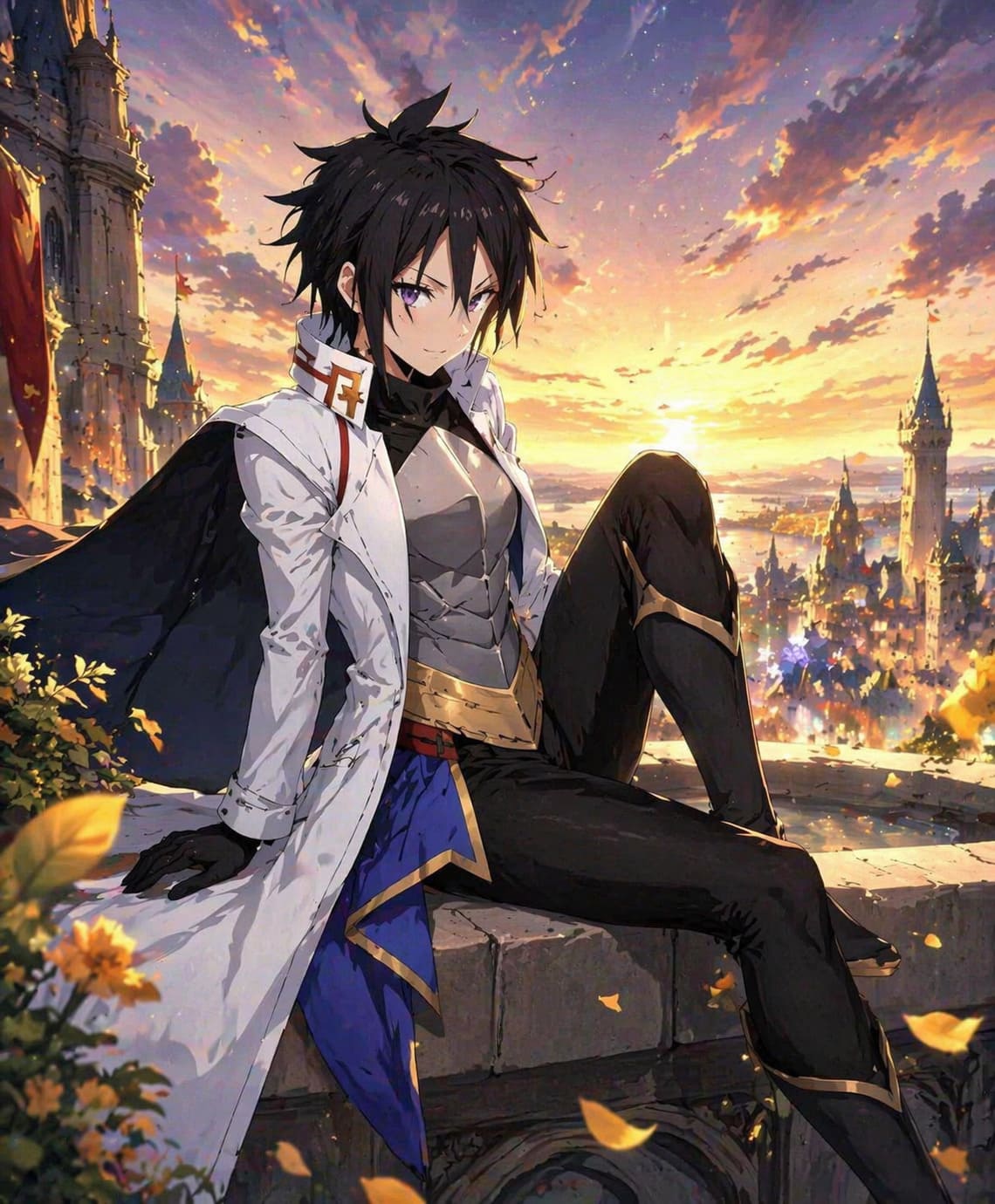
Hinata Before vs After Rimuru
| Aspect | Before | After |
|---|---|---|
| View on Monsters | Threats to eliminate | Potential allies |
| Motivation | Revenge + duty | Stability + cooperation |
| Relationship with Rimuru | Kill on sight | Strategic ally |
| Personality Expression | Cold, rigid | Still strict, but more open-minded |
Is There Something More Between Them?
Let’s be honest—this is where the fandom starts arguing.
Some fans see their relationship as purely political. Others notice small moments that suggest something deeper:
- Subtle reactions when she’s praised
- Slight shifts in tone around Rimuru
- Extra attention in side stories
Nothing is outright confirmed, but that ambiguity is part of the charm. It keeps their relationship grounded instead of turning it into a cliché romance.
Why This Character Arc Works So Well
What makes Hinata’s transformation stand out isn’t just the direction—it’s the execution.
It avoids common pitfalls:
- She doesn’t flip sides instantly
- She doesn’t abandon her beliefs entirely
- She evolves logically based on new information
That’s rare.
Her journey feels like a real person re-evaluating their worldview after being proven wrong—not a character forced into alignment for plot convenience.
Final Thoughts
Hinata joining Rimuru isn’t about friendship or convenience—it’s about truth, perspective, and shared goals.
She didn’t become softer. She became more accurate in her judgment.
And honestly, that’s why her arc hits so hard. In a series full of power-ups and epic battles, Hinata’s shift is one of the most human moments in TenSura.