Yoi And Kohaku Relationship Dynamic: The Prince Vs The Prince
One of the smartest things In the Clear Moonlit Dusk does is take the classic shōjo “Prince” archetype and split it cleanly down the middle.
Yoi Takiguchi and Kohaku Ichimura both carry the same nickname, but the meaning behind it couldn’t be more different, and that contrast is the engine that drives their entire relationship.
Discover more: Solon Dark Moon half-werewolf theory
The Weight of Being Called a “Prince”
For Yoi, the title is less a compliment and more a quiet cage. Her height, sharp features, and calm demeanor cause other girls to admire her from afar rather than approach her as an equal.
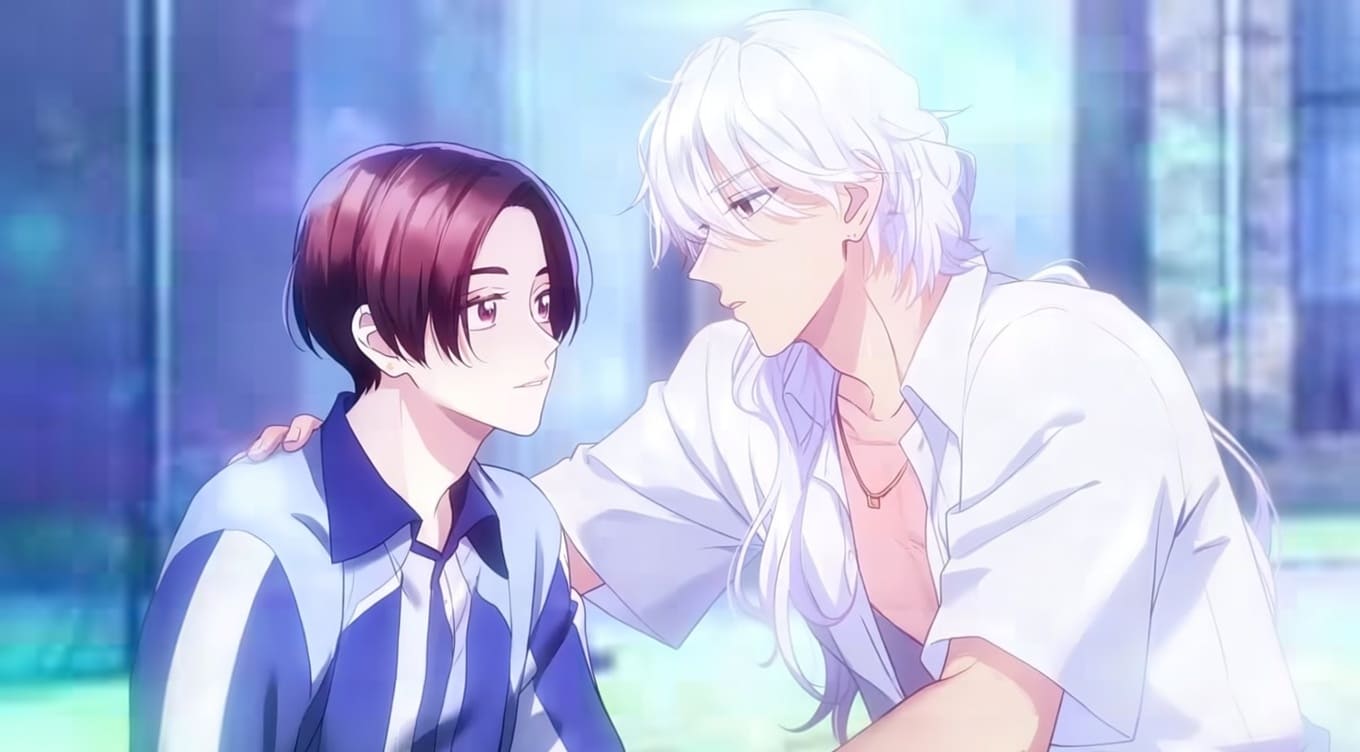
Early chapters make it clear that Yoi has learned to downplay her femininity to avoid disrupting expectations, and that self-erasure slowly turns into loneliness.
Kohaku’s experience sits on the opposite end of the spectrum. He’s wealthy, attractive, and effortlessly charming, so the “Prince” label feels almost automatic.
Unlike Yoi, he doesn’t consciously uphold the image; people simply project it onto him. To Kohaku, the nickname is mildly annoying, not identity-defining.
A Relationship That Starts Backwards on Purpose
When Kohaku suggests an “experimental” relationship, it immediately flips familiar shōjo power dynamics. There’s no grand confession or emotional manipulation, just blunt curiosity and honesty.
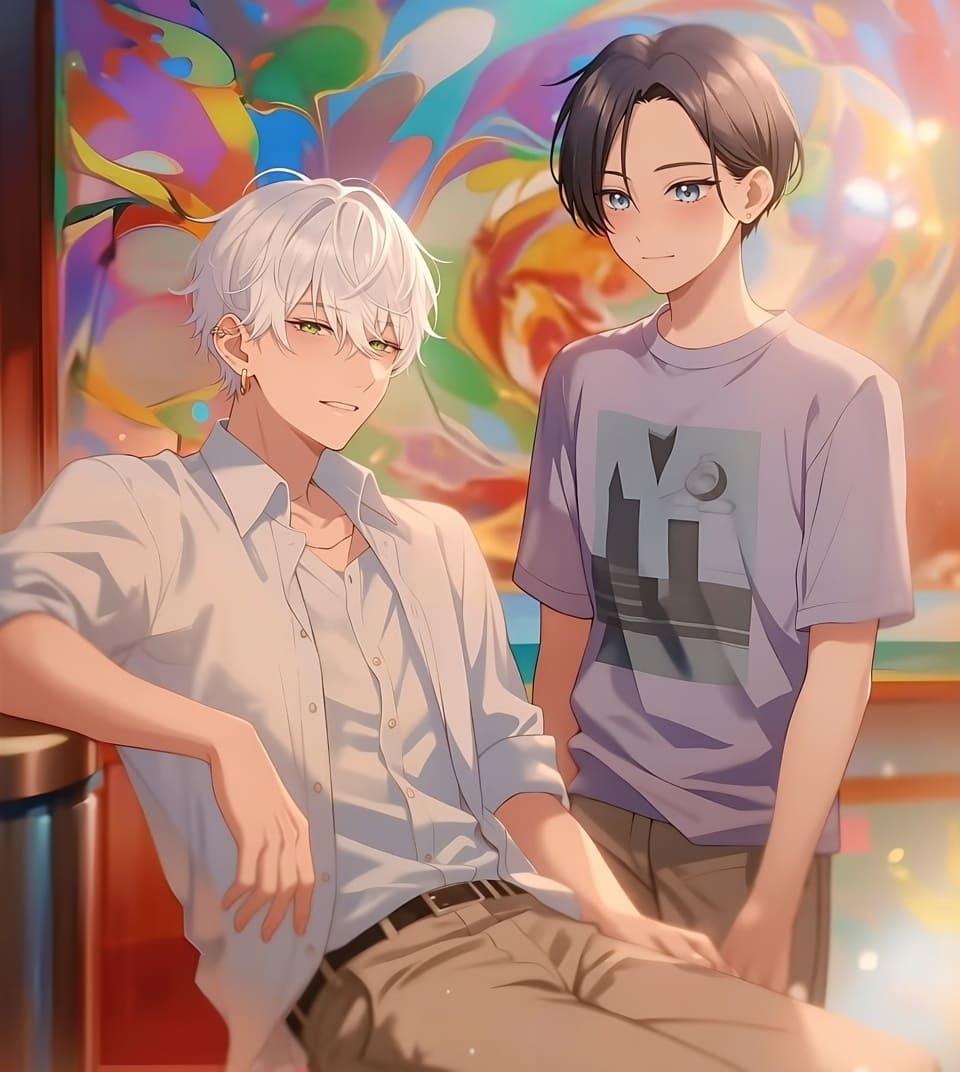
- The Direct One: Kohaku openly admits that Yoi interests him and that he finds her attractive, no poetic detours required.
- The Defensive One: Yoi responds with caution, drafting a literal contract because she fears being loved only for her Prince persona.
This imbalance isn’t about dominance; it’s about protection versus curiosity, and watching those positions slowly soften is where the magic happens.
Breaking Each Other’s Illusions
The core of their bond lies in mutual deconstruction. Kohaku is the first person to treat Yoi with gentle, unmistakably romantic care, not as an idol or a symbol but as a girl who deserves softness. That forces Yoi to confront desires she’s spent years suppressing.
At the same time, Yoi’s sincerity disrupts Kohaku’s emotional autopilot. He’s used to admiration without depth, but Yoi’s awkward honesty demands something real. Around her, he can’t hide behind charm; he has to be present, vulnerable, and sincere.
Visual Storytelling That Sells the Concept
Mika Yamamori’s art amplifies this “Prince versus Prince” energy through elegant character designs, matched height, and fashion-forward compositions. Their scenes often resemble high-fashion editorials, yet the emotions underneath remain painfully grounded and relatable.
What makes their story resonate, especially as seen in the anime’s first season, is that no one is rescued or fixed. Instead, two people placed on pedestals find a private space where they can step down, drop the titles, and just be teenagers learning how to love.