The Deadliest Threats of the Deep: Strongest Monsters in Wistoria Floor 40+
If you’ve been following Wistoria: Wand and Sword closely, you already know the dungeon isn’t just a training ground—it’s a brutal proving arena. But nothing, and I mean nothing, prepares you for what lies beyond Floor 40. This is where the series quietly shifts tone: from magical academy progression fantasy into something closer to survival horror for elite mages.
As a fan who’s spent way too much time digging through manga panels, Reddit threads, and power-scaling debates, I can say one thing confidently: Floor 40+ is where Wistoria stops playing fair—and starts showing its true power ceiling.
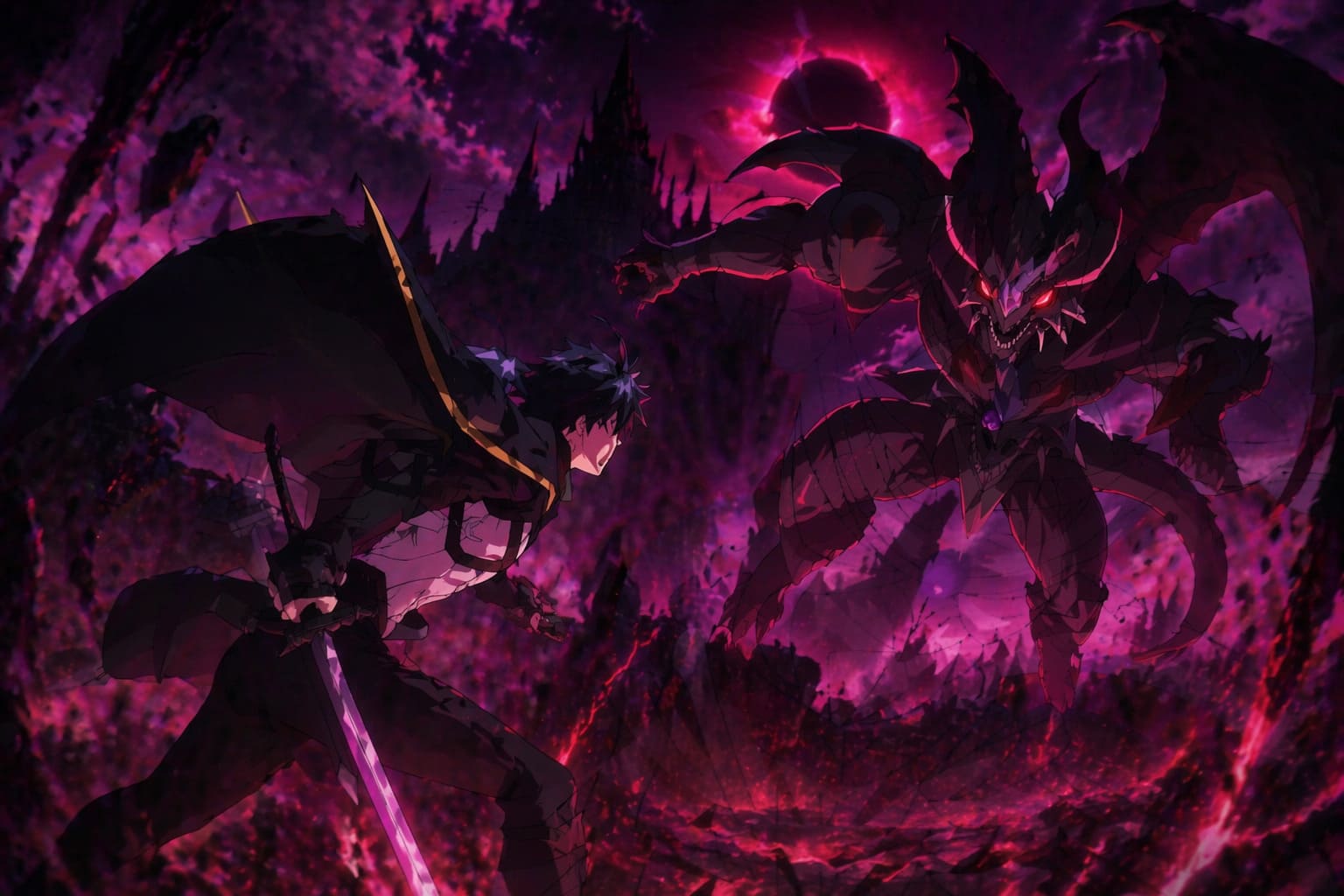
The Devander: The Moment You Realize You’re Not Him
Let’s start with the monster that has basically become a community legend: Devander.
- Location: Floor 40
- Reputation: Mage killer
- Category: Notorious Monster (aka “you’re in trouble” tier)
Devander isn’t just strong—it’s unpredictable. That’s the key difference. Regular floor bosses follow patterns. Devander doesn’t care about your strategy, your build, or your rank.
Why fans fear it:
- It has canonically taken down members of the Magia Vander
- Its abilities don’t follow standard dungeon logic
- It forces even high-tier mages into defensive survival mode
From a storytelling perspective, Devander is genius. It’s the first hard wall that says: “Power scaling up to this point? Forget it. Start over.” And honestly, that’s where the series gets really interesting.
Floors 44–49: Where Records Replace Exploration
Here’s the thing—once you get past Floor 40, detailed monster data almost disappears. Not because the author forgot, but because almost nobody survives long enough to document it.
Instead, we measure danger by who made it how far.
Known Deep Floor Benchmarks
| Character | Max Floor | Affiliation | What It Implies |
|---|---|---|---|
| Aaron Masterias Oldking | 49 | Light | Absolute peak of mage capability |
| Zeo Thorzeus Reinbolt | 48 | Thunder | Speed plus destructive magic mastery required |
| Cariott Incindia Wiseman | 44 | Fire | Extreme offensive power isn’t enough to go further |
| Elfaria Albis Serfort | 37 | Ice | Even prodigies hit a hard cap |
What stands out here?
- Progress slows dramatically past Floor 40
- Each additional floor is a massive leap in difficulty
- The difference between Floor 44 and 49 feels almost mythical
This isn’t linear progression—it’s exponential escalation.
The Real Problem: “Floor Up” Anomalies
Now let’s talk about something that makes the dungeon genuinely terrifying: Floor Up incidents.
Imagine you’re fighting enemies calibrated for Floor 20 and suddenly something from Floor 45 shows up. Yeah, that’s a thing.
Why this mechanic is so dangerous:
- It breaks all expectations
- It punishes even experienced dungeon runners
- It introduces high-tier threats without warning
Combine that with Notorious Monsters, and you get a system where you’re never actually safe even when you think you understand the rules.
Notorious Monsters: Built Different (Literally)
We’ve seen earlier examples like Balkars, which already bend the rules with magic resistance, physical immunity, and unusual combat mechanics.
Now scale that concept to Floor 40+.
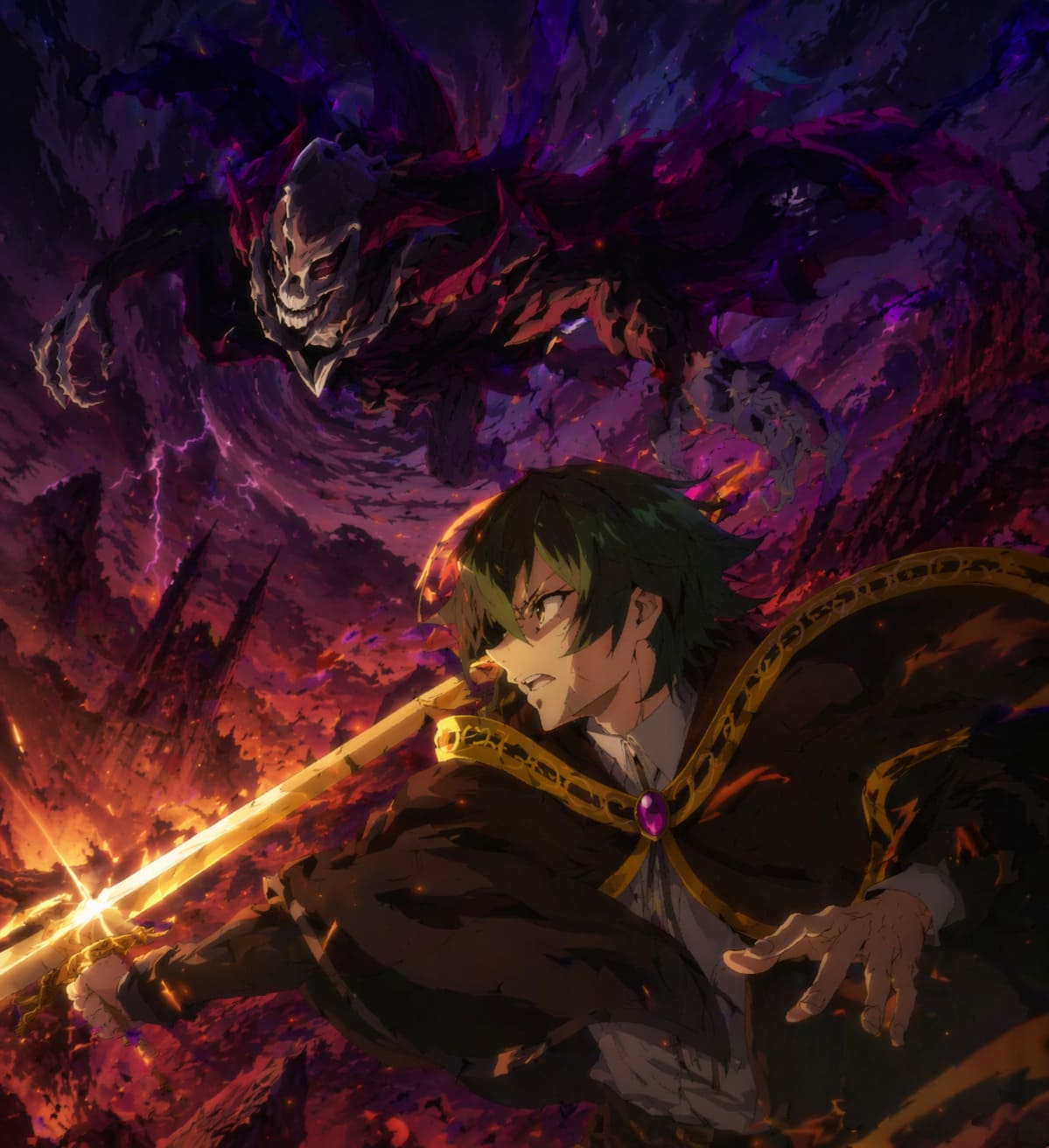
At that level, monsters aren’t just stronger—they’re fundamentally different. Their bodies act like perfect mana vessels, and standard spells become less effective or outright useless.
This is where comparisons get wild. Early-game threats that felt impossible suddenly look like tutorial enemies.
Why Floor 40+ Feels Like a “Death Zone”
1. Exponential Power Scaling
The jump in strength between floors isn’t gradual—it’s explosive. A Floor 40 creature isn’t just slightly stronger than a Floor 10 boss. It’s closer to being dozens of times more powerful.
2. Only the Elite Even Get There
We’re not talking about students anymore. We’re talking about veteran mages, Magia Vander members, and people who’ve spent decades mastering magic. And even they struggle.
3. Perfect Mana Control by Monsters
This is one of the most interesting ideas in Wistoria. High-tier monsters don’t leak mana, don’t waste energy, and can absorb or negate attacks efficiently. In a way, they resemble ideal magical beings more than humans do.
My Take as a Fan
What makes Floor 40+ so compelling isn’t just the power scaling—it’s the narrative tension it creates.
Up to this point, you might believe talent wins, hard work pays off, and strategy beats brute force. But the deep floors challenge all of that.
Sometimes talent isn’t enough, experience isn’t enough, and even raw power isn’t enough. And that’s rare in modern anime and manga power systems.
It creates a ceiling that actually feels unreachable, which makes future progression far more exciting.
Looking Ahead: Why Season 2 Matters
With the next arc pushing deeper into the dungeon, fans are expecting first real encounters with Floor 40+ monsters on-screen, a clearer look at Notorious Monster mechanics, and possibly the beginning of breaking the Magia Vander ceiling.
And let’s be honest—everyone wants to see how characters like Will will even survive down there, because right now Floor 40+ doesn’t feel like a challenge. It feels like a death sentence.
Final Thoughts
Wistoria’s deep dungeon works because it respects something many series forget: limits.
By making Floor 40+ genuinely terrifying, the story raises stakes naturally, keeps power scaling believable in its own way, and makes every bit of progress feel earned.
If the series continues to explore this level of danger properly, we might be looking at one of the most satisfying dungeon systems in modern anime.