Yoi and Ichimura’s Confession Scene – Manga vs. Anime in “In the Clear Moonlit Dusk”
If you’ve been anywhere near shoujo spaces lately—Reddit threads, TikTok edits, or even long-form fan essays—you’ve probably seen people obsessing over the confession scene in In the Clear Moonlit Dusk. And honestly? It deserves every bit of that hype.
As someone who’s followed Mika Yamamori’s work for years, I went into the 2026 anime adaptation both excited and a little nervous. This isn’t just any confession. This is the emotional payoff—the moment where Yoi Takiguchi and Kohaku Ichimura finally drop their “prince” masks and show who they really are.
So… did the anime deliver? Yes—and no. Let’s get into it.
The Manga: Quiet, Intimate, and Emotionally Devastating
There’s a reason manga readers have been calling this scene a masterpiece for years. It’s not loud. It’s not overly dramatic. But it hits hard.
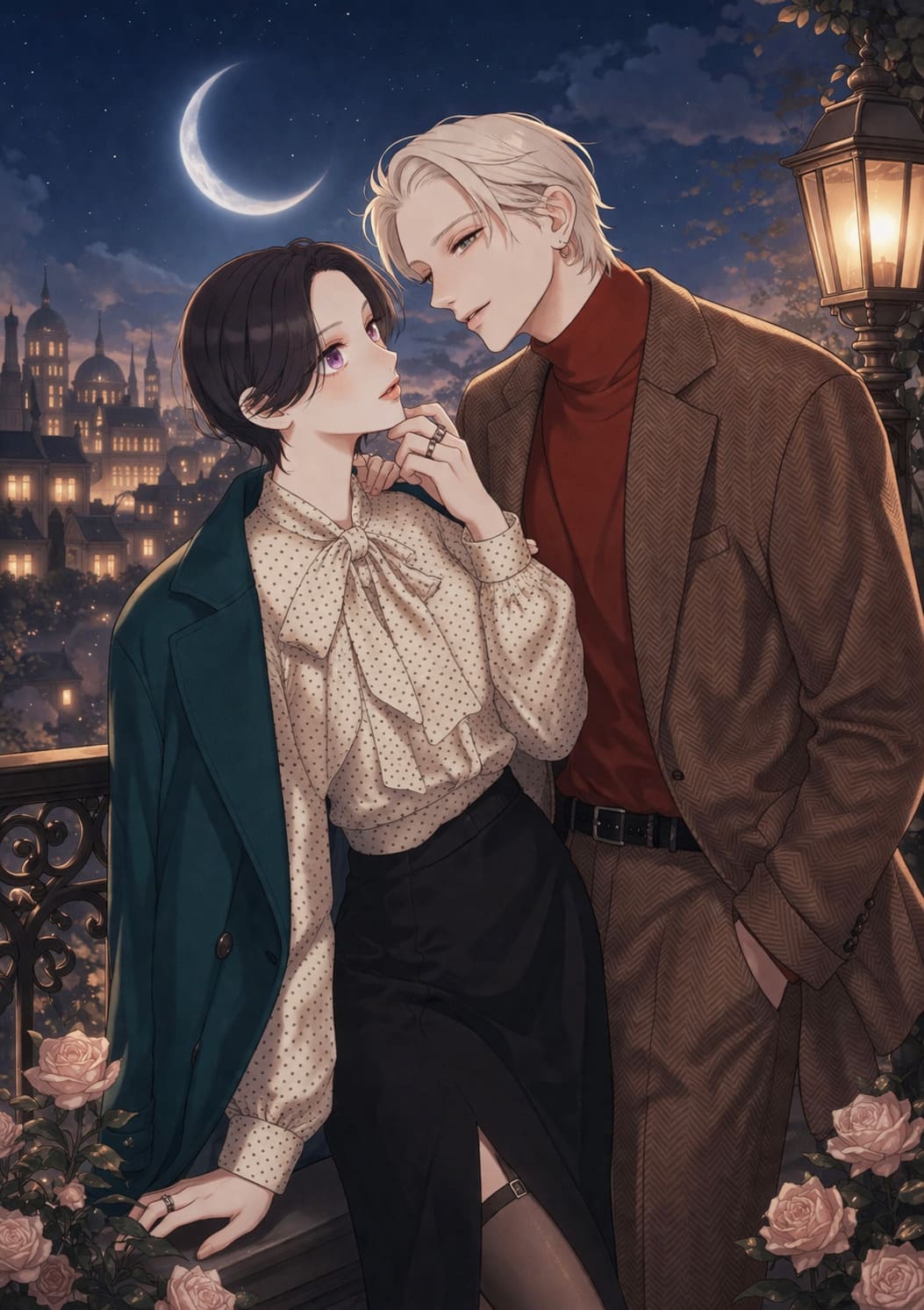
Why the manga version feels so powerful:
- Paneling that breathes
Yamamori’s pacing is slow in the best way possible. You sit with every hesitation, every glance, every unspoken thought. - The “finding you in a crowd” motif
This is one of those subtle storytelling choices that pays off beautifully. Ichimura spotting Yoi in a sea of people—even with a mask—doesn’t just look cool. It screams: “I see you. Not the prince. Just you.” - Yoi’s vulnerability is raw
This is where she really breaks character. No cool composure, no princely detachment. Just jealousy, insecurity, and a very human desire to be loved intensely.
And the manga doesn’t rush it. It zooms in, literally and emotionally, letting her confession feel almost uncomfortably honest.
The Anime: Softer Edges, Strong Atmosphere
Now let’s talk about the anime adaptation of In the Clear Moonlit Dusk.
First thing: it’s pretty. Like, genuinely aesthetic in that dreamy, shoujo-night-sky kind of way.
But it approaches the confession differently.
What the anime does really well:
- Voice acting elevates everything
Ichimura’s reaction feels way more layered when you hear it. The surprise, the softness, the slight awkwardness—it all lands differently. - Music carries emotional weight
The use of the ending theme “Jikan yo Tomare” during the scene wraps the moment in a warm, almost nostalgic feeling. - Lighting & color create mood
Festival lights, night tones, and soft glows all add to that “romantic memory” vibe.
Where to Read In the Clear Moonlit Dusk Manga After the Anime Finale: Complete Guide for 2026
Manga vs Anime: Side-by-Side Comparison
| Element | Manga Version | Anime Version |
|---|---|---|
| Pacing | Slow, introspective, heavy internal dialogue | More streamlined, relies on visuals & audio |
| Emotional Impact | Deep, internal, almost painfully honest | Warm, expressive, more outwardly romantic |
| Visual Style | Sharp, detailed, iconic Yamamori linework | Softer, polished, slightly less distinctive |
| Confession Tone | Vulnerability and insecurity front and center | Mutual affection and emotional payoff emphasized |
| Kiss Scene | Tense, long-awaited, “butterflies” energy | Enhanced by music and motion, more cinematic |
The Real Difference: Internal vs External Emotion
Here’s the biggest takeaway—and honestly, the core of the debate.
- The manga lives inside Yoi’s head
- The anime shows what that feels like from the outside
In the manga, you feel her hesitation, her jealousy, her fear of wanting too much.
In the anime, you see the result of those feelings—her confession, Ichimura’s reaction, the emotional resolution.
Neither is wrong. They just hit differently.
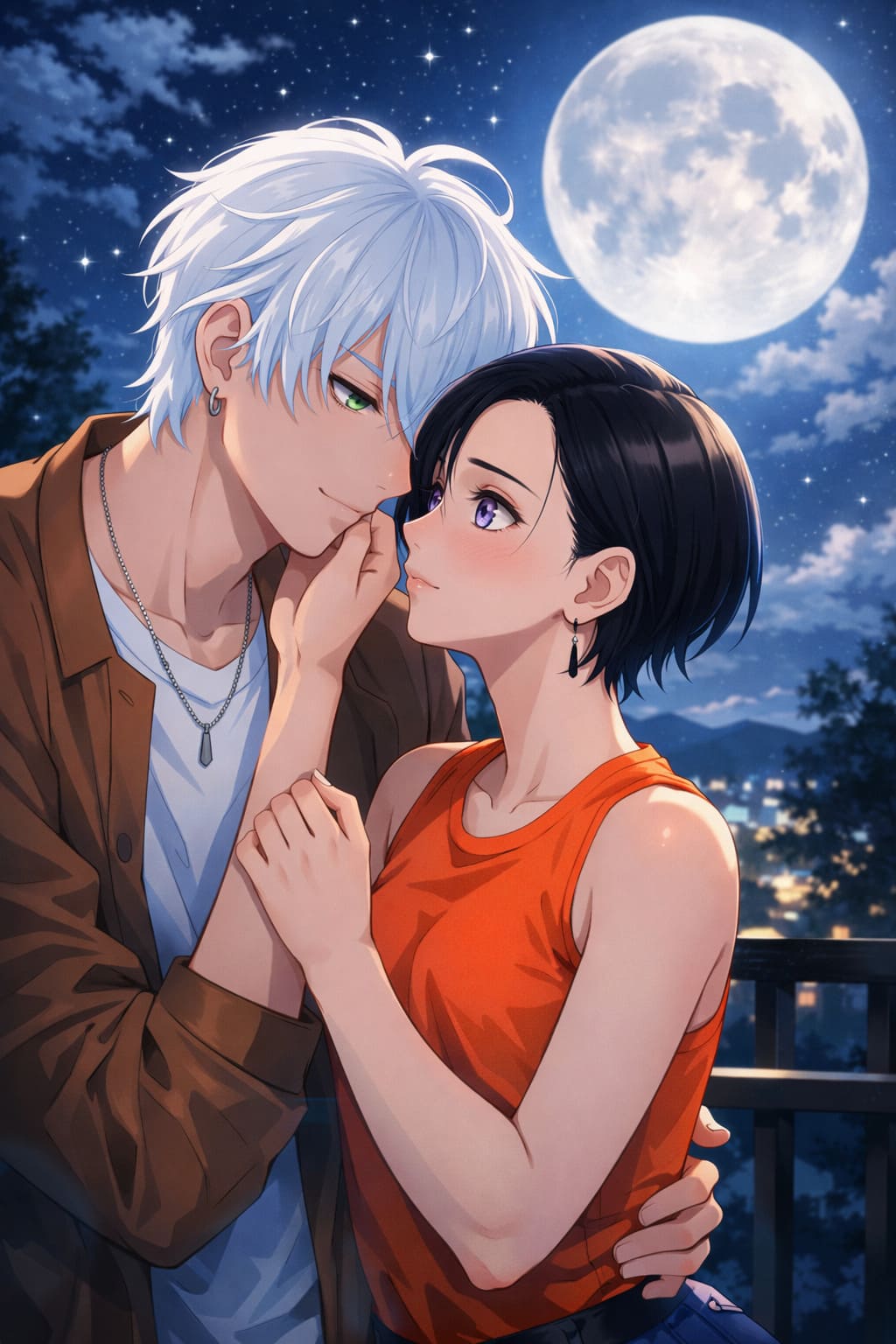
What Fans Are Arguing About (and Why Both Sides Are Right)
If you scroll through Reddit or MyAnimeList discussions, you’ll notice a split.
Manga loyalists say:
- The anime softens the emotional intensity
- Some iconic expressions and comedic beats don’t hit the same
- Yamamori’s art style is irreplaceable
Anime fans argue:
- The voice acting adds emotional realism
- Music enhances the romantic payoff
- The atmosphere makes the scene more immersive
And honestly? Both sides have a point.
Why This Confession Scene Actually Matters
This isn’t just another “we finally confessed” moment.
It’s a quiet subversion of the classic shoujo formula.
What makes it special:
- Breaking the “perfect prince” trope
Both Yoi and Ichimura are seen as flawless by others. This scene proves they’re anything but. - Mutual vulnerability
It’s not one-sided. They both stumble, both feel unsure, both want something real. - Healthy boundaries
Yoi stopping Ichimura when things get overwhelming is a small moment, but incredibly important. - No over-the-top drama
No love triangles exploding mid-confession. No dramatic interruptions. Just two awkward people figuring it out.
And that’s exactly why it feels real.
So… Which Version Is Better?
Here’s my honest take as a fan.
- Read the manga if you want:
- deeper emotional nuance
- stunning artwork
- full internal monologues
- Watch the anime if you want:
- atmosphere and mood
- voice-driven emotion
- a more cinematic experience
Best experience?
Start with the anime. Then go read the manga and realize just how much was happening beneath the surface.
Final Thoughts
The confession in In the Clear Moonlit Dusk isn’t iconic because it’s flashy—it’s iconic because it’s honest.
The manga makes you feel every second of that honesty.
The anime lets you experience it in motion.
And honestly? We’re lucky we got both.