Charles Devereaux: Richard Armitage’s Dark Mirror in Netflix’s Tomb Raider
Netflix’s animated Tomb Raider universe doesn’t just give us jaw-dropping relic hunts—it introduces a villain who’s as layered as Lara Croft herself. Enter Charles Devereaux, voiced by the magnetic Richard Armitage, a character that feels like watching a tragic anime anti-hero unfold in real time.
If you’re a fan of stories where villains are more than evil for evil’s sake, Devereaux is a delightfully grim puzzle.
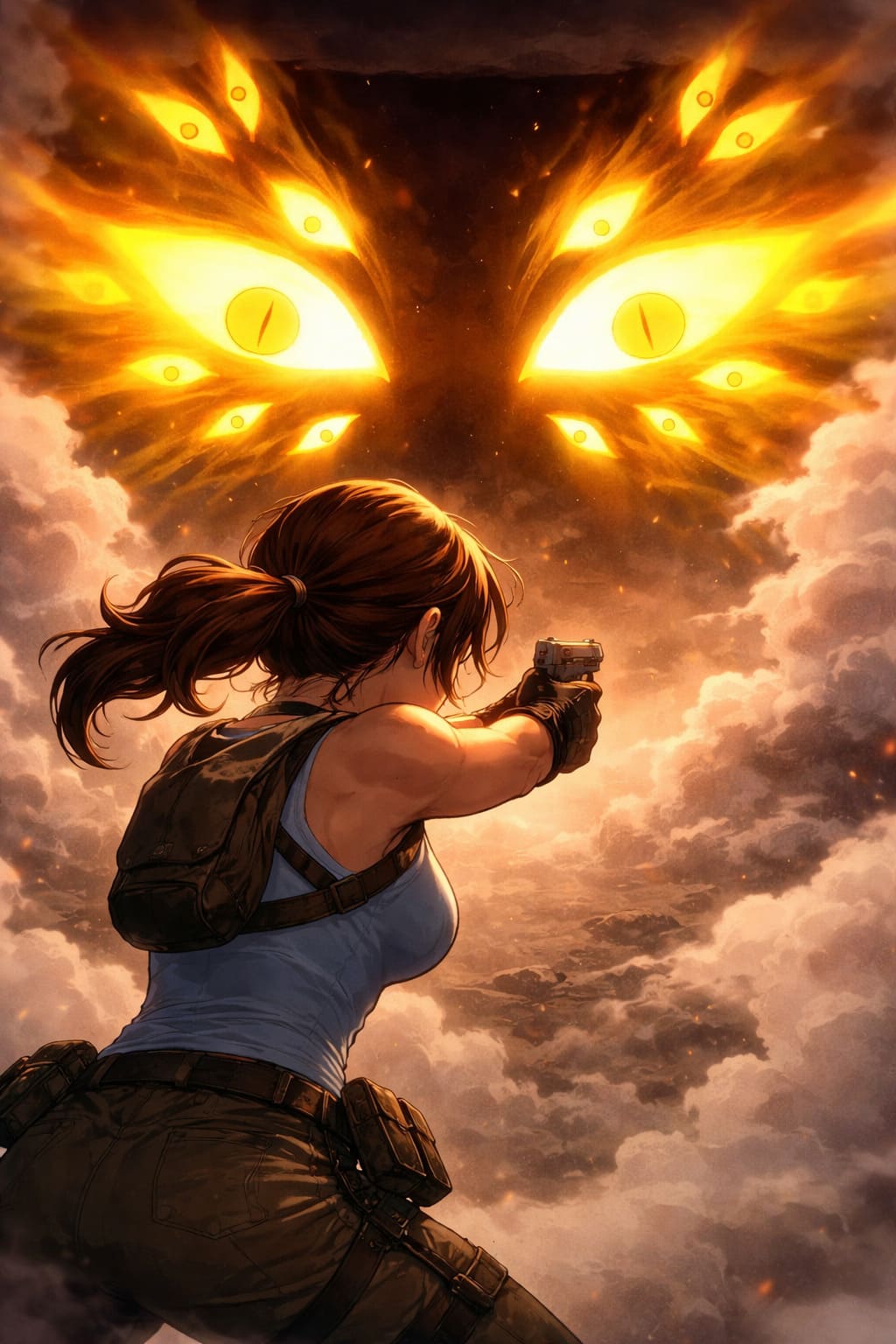
Unlike many one-note antagonists, Charles isn’t chasing world domination just for the thrill. His obsession with the supernatural stems from trauma, loss, and a twisted sense of justice.
Nao Kanzaki: From Naive Player to Strategic Powerhouse — Manga vs. Live-Action Evolution
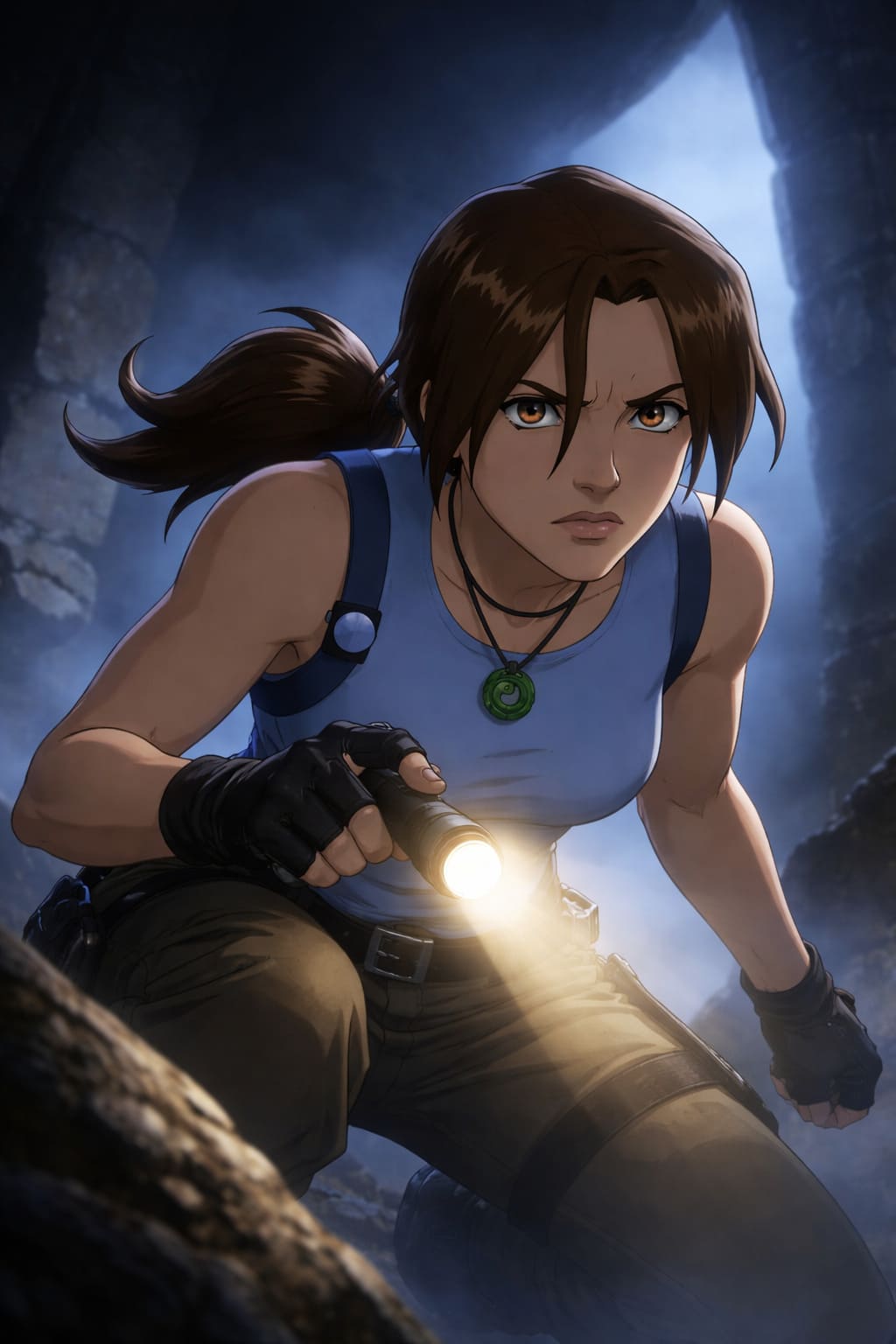
In a way, he’s a shadowy reflection of Lara herself—a perfect foil for a story that’s about exploration, both external and internal. Here’s why this character hits so hard.
1. The Tragedy Behind the Mask
Charles Devereaux’s story isn’t just a villain origin—it’s heartbreaking. Born in Paris to a devout priest, he lived a normal childhood until tragedy struck: his father was murdered for refusing to let a fanatical group, The Light, use the church as a base.
- Childhood Trauma: Orphaned at twelve, Charles is thrust into a harsh world, bouncing between crime and incarceration.
- Shaping a Mercenary: Each brush with the law, every betrayal, and each failure hardens him. Unlike typical villains, his path isn’t about greed—it’s about survival and vengeance.
- Power Through Relics: He believes only the ancient Peril Stones can give him the strength to right the wrongs inflicted by The Light.
In a way, this backstory reminds me of anime characters like Light Yagami or Guts from Berserk—heroes who could have been good but are broken by circumstance. There’s a subtle, compelling sadness in seeing a bright young boy warp into someone so dangerous.
2. Lara Croft’s Dark Reflection
One of the most fascinating aspects of Charles is how he mirrors Lara without being a carbon copy. Both are driven by parental legacies and shaped by trauma—but their reactions diverge drastically.
| Trait | Lara Croft | Charles Devereaux |
|---|---|---|
| Parental Motivation | Exploration and discovery | Revenge and justice |
| Training | Elite tomb-raiding skills | Foreign Legion + mercenary expertise |
| Obsession | Artifacts for knowledge | Artifacts for power |
It’s that “what could have been” tension that makes watching their interactions addictive. In anime terms, he’s like the morally gray rival who challenges the protagonist not just physically but philosophically.
3. Richard Armitage: Master of Sophisticated Menace
If you’ve seen Armitage in The Hobbit or Hannibal, you know he excels at “gray morality” roles. Devereaux’s voice benefits immensely from Armitage’s deep, gravelly tone—each line carries a mix of authority, grief, and obsession.
- Not a Caricature: Unlike cartoonish villains, you can almost sympathize with him.
- Moral Complexity: Even when committing heinous acts, he sounds like a man convinced he’s the hero.
- Comparisons: Fans have drawn parallels to his role in The Man from Rome, where he similarly navigates religious mysteries with intensity.
In my view, Armitage turns Devereaux into the kind of villain you’d want a spin-off for. It’s like seeing Levi from Attack on Titan suddenly take center stage in a morally ambiguous story—magnetic and layered.
4. Extremist Vigilante Ideology
Charles isn’t about ego or domination—he’s about dismantling corrupt structures. This makes him fascinating because it blurs the lines between right and wrong:
- Goal-Oriented Evil: Wants to destroy The Light’s oppressive systems.
- Method Matters: Unlike Lara, who respects life, he’ll cross lines to achieve justice.
- Philosophical Tension: Their battles aren’t just physical—they’re debates in motion, showing how two similar lives can diverge drastically.
This ideological conflict adds depth. In anime, it’s like seeing two characters with similar backstories choose opposite moral paths—like Shigaraki and All Might, but in a shadowy, artifact-hunting universe.
5. Fan Reception and Cultural Impact
Charles has already sparked passionate discussion among fans. Unlike traditional villains, people aren’t just hating him—they’re analyzing him.
- The Anti-Villain Appeal: His trauma-driven motivations make him relatable.
- Visual Storytelling: Scarred, battle-ready, and tactical—his appearance narrates his journey as clearly as any dialogue.
- Comparisons to Other Works: Fans love Armitage’s knack for “ancient mystery” characters, making Devereaux a natural fit in a universe steeped in legend and lore.
Even in fan art and Reddit threads, he’s celebrated as a villain who feels alive, which is rare in animation. In anime terms, he’s the kind of morally gray character you love to hate and hate to love.
Conclusion: A Villain Worth Watching
Netflix’s Tomb Raider could have relied on generic treasure-hunting drama, but Charles Devereaux elevates it. With a tragic past, philosophical depth, and Richard Armitage’s impeccable delivery, he’s more than a foil—he’s an existential mirror for Lara Croft.
Watching him is a reminder that the most compelling antagonists aren’t evil because they want to be—they’re shaped by loss, obsession, and a warped sense of justice. If anime has taught us anything, it’s that those shadows make stories unforgettable.
Charles isn’t just a villain; he’s a character study, a conversation starter, and a dark reflection of the hero we love.