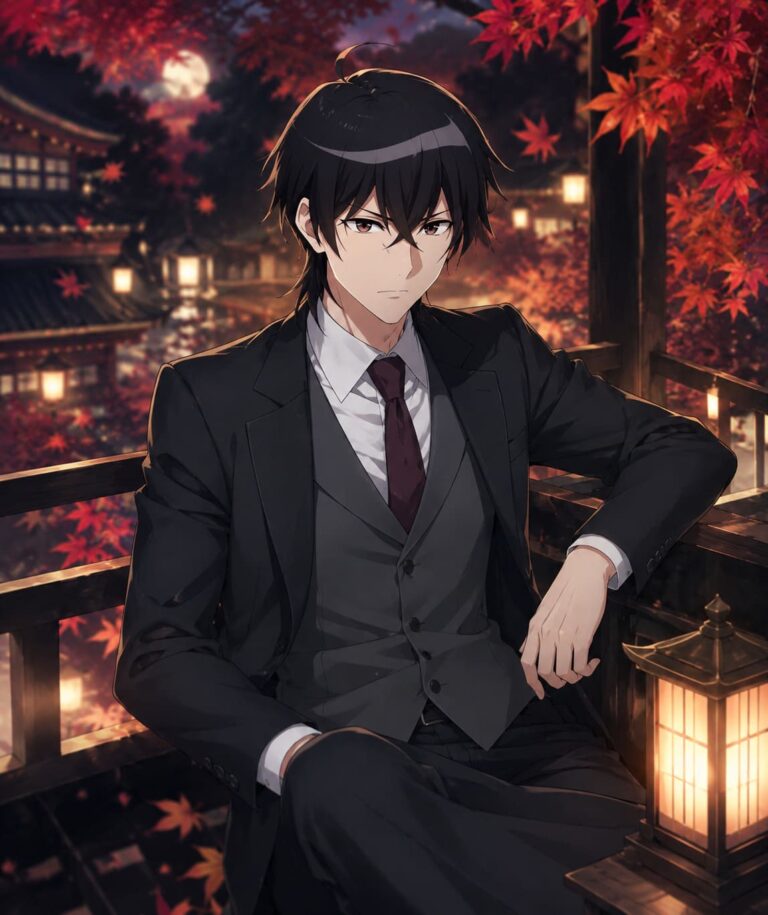
Kusunoki’s Garden of Gods: Every Major Manga vs. Anime Difference Explained
If you’ve spent any time with Kusunoki’s Garden of Gods, you already know it hits that rare sweet spot between calm, spiritual storytelling and quiet emotional depth. Ever since the anime adaptation dropped in April 2026, I’ve seen a lot of debates online about whether it truly captures the magic of the original manga by Akira Anzai.
As someone who genuinely enjoys both versions, I don’t think it’s about “which is better.” It’s more about what kind of experience you want. And yeah — they do feel surprisingly different.
First Impressions: Same Story, Different Energy
The core story is still there: Minato Kusunoki living a quiet life surrounded by spirits, slowly finding peace in a world that feels both ancient and personal.
But here’s the thing — the manga feels deeper and slightly melancholic, while the anime leans hard into comfort and healing vibes.
That shift alone changes how you emotionally connect to the story.
Pacing: Slow Living vs. Watchable Flow
One of the biggest differences is pacing — and you feel it immediately.
In the manga:
- Chapters linger on everyday rituals
- Cleaning, cooking, shrine care — everything feels intentional
- You sit with Minato’s thoughts
In the anime:
- Events move faster
- Some multi-chapter moments are compressed into a single episode
- More structured “spirit of the week” storytelling
Personally, I missed some of that slow burn from the manga. But at the same time, it’s easy to understand why the anime speeds things up — not everyone wants extended scenes of spiritual house cleaning, even if they add depth.
Visuals: Subtle Mystery vs. Soft Beauty
This is where the adaptation makes a bold choice.
The manga’s art is detailed and sometimes even unsettling. Spirits don’t always look friendly, and that ambiguity adds tension and intrigue.
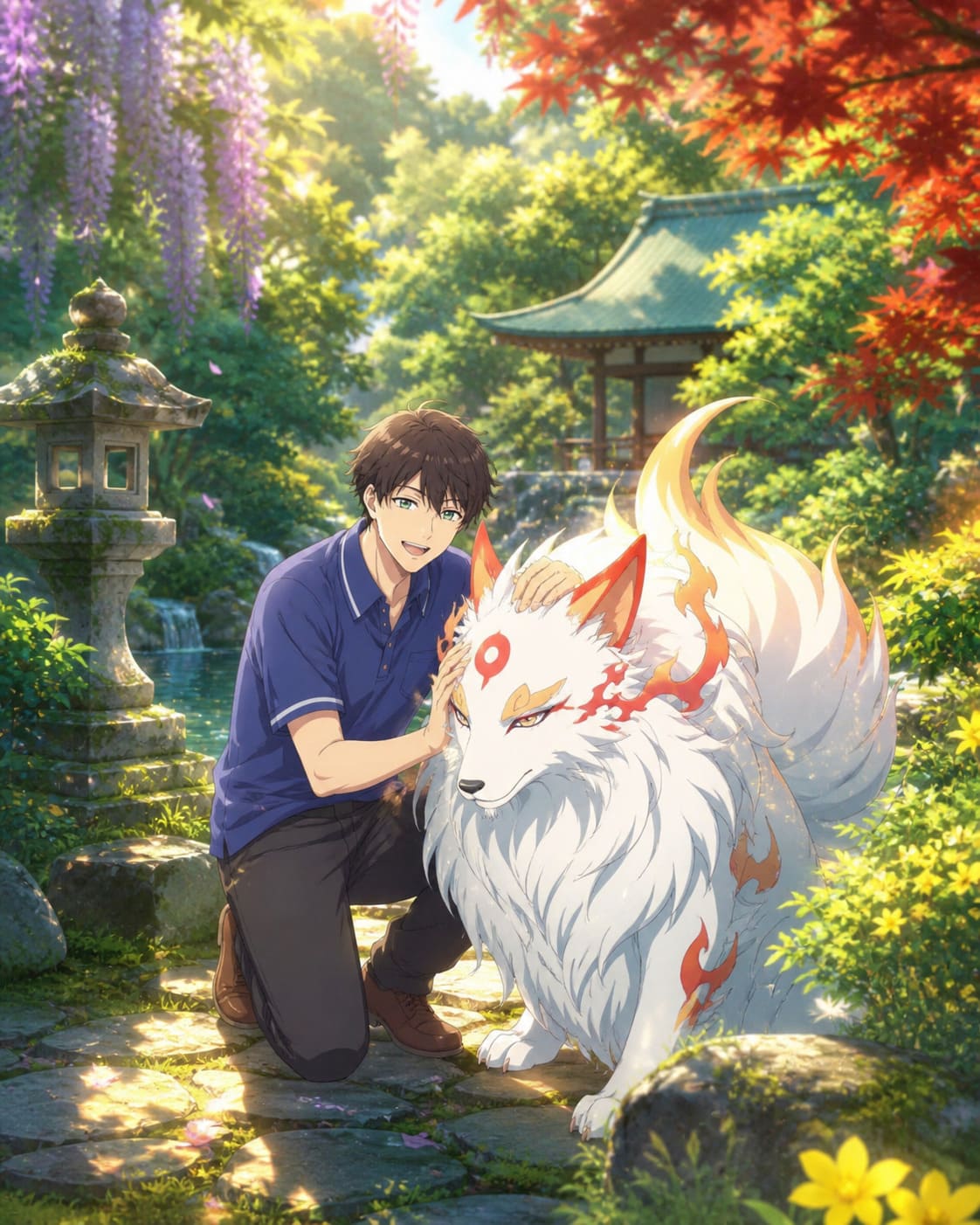
The anime, on the other hand, uses brighter colors, clearer designs, and visual effects like glowing auras to distinguish different types of spirits.
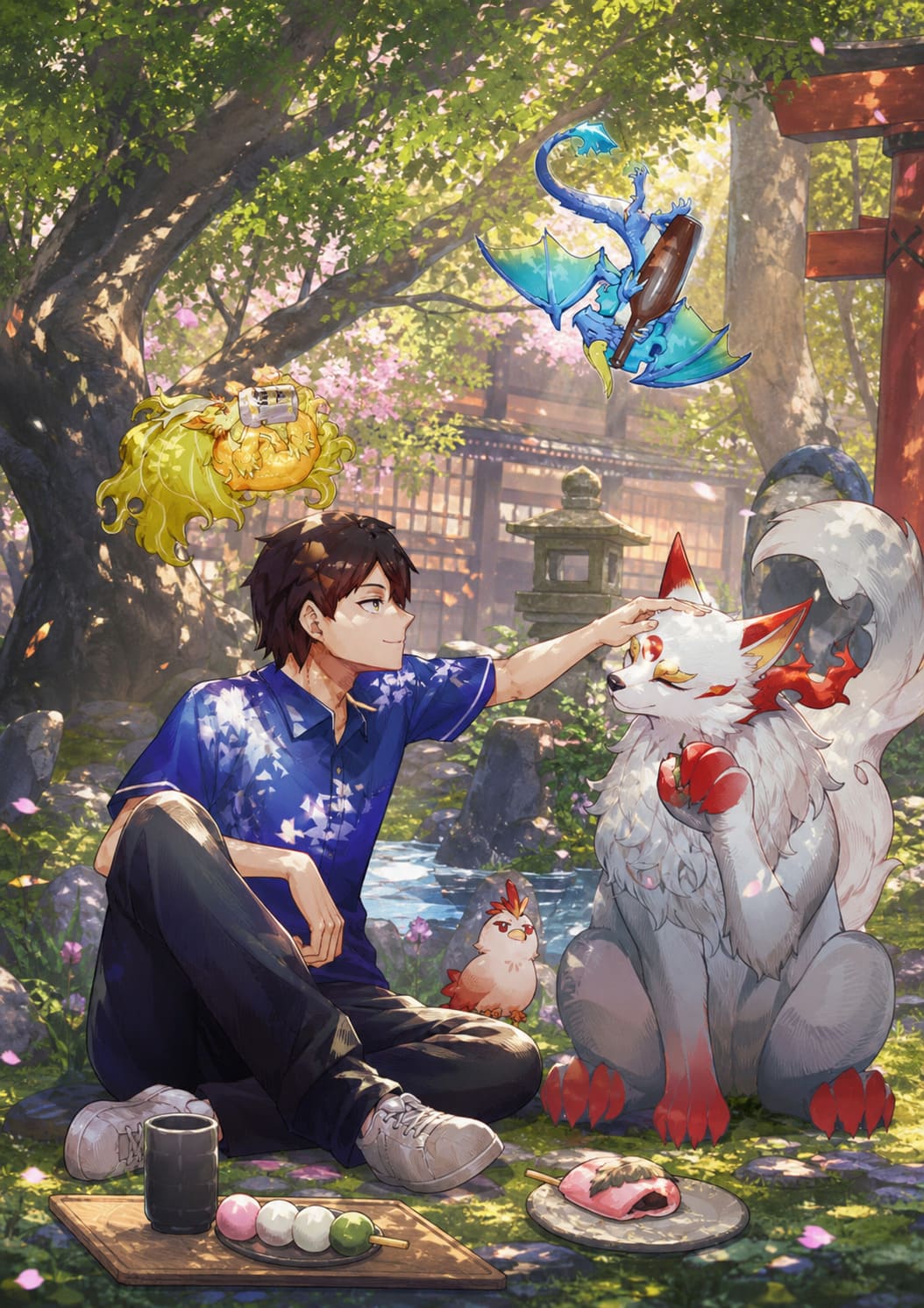
Even characters like Yamagami, the wolf-like mountain god, feel different. In the manga, he comes across as silent and imposing, almost intimidating. In the anime, he feels more majestic and emotionally expressive thanks to dynamic animation and color work.
The anime is undeniably beautiful, but it does lose a bit of that eerie uncertainty that made the manga so compelling.
Claude’s Cursed Past: The Deep Backstory of the Beastman in “Appraiser (Provisional)”
Minato as a Character: Internal vs. External
This might be the most important change between the two versions.
In the manga, you spend a lot of time inside Minato’s head. His thoughts, doubts, and gradual emotional growth are clearly expressed through internal monologue.
In the anime, much of this is externalized through dialogue or visual cues. As a result, Minato can sometimes come across as more passive or reserved compared to his manga counterpart.
This doesn’t necessarily make the anime worse, but it does change how you connect with him as a character.
What Got Cut (And Why It Matters)
With only 12 episodes, the anime had to trim certain parts of the story. Most of these cuts involve smaller moments rather than major plot points, but they still contribute to the overall experience.
Examples of trimmed content include:
- Minor spirit stories with deeper folklore explanations
- Detailed references to Shinto traditions and beliefs
- Recurring comedic moments, especially involving Minato and modern technology
These elements help build the world and give it texture, making the manga feel richer and more immersive.
Atmosphere: Healing vs. Hidden Depth
This is where the difference between the manga and anime becomes the most noticeable.
| Aspect | Manga | Anime |
|---|---|---|
| Tone | Quiet, slightly melancholic | Warm, cozy, comforting |
| Supernatural Feel | Mysterious, sometimes dangerous | Gentle and approachable |
| Emotional Impact | Reflective and introspective | Relaxing and soothing |
| Experience | Thoughtful rereads | Easy comfort viewing |
The manga carries a subtle tension beneath its calm surface, while the anime leans fully into its role as a healing, feel-good experience.
Music: The Anime’s Secret Weapon
One major advantage of the anime is its soundtrack. The music adds emotional depth to scenes that might otherwise feel quiet or understated.
Soft ambient tracks and gentle instrumental pieces enhance the atmosphere and reinforce the series’ calming tone.
In many ways, the music helps define the anime’s identity as a true iyashikei experience.
Which One Should You Choose?
Your choice really depends on what kind of experience you’re looking for.
Start with the anime if:
- You want something relaxing and easy to watch
- You enjoy cozy, low-stakes storytelling
- You’re new to the iyashikei genre
Read the manga if:
- You want deeper worldbuilding and lore
- You prefer introspective character development
- You enjoy subtle, slightly darker tones
For the best experience, starting with the anime and then reading the manga from the beginning offers the most complete perspective.
Final Thoughts
Kusunoki’s Garden of Gods is a rare adaptation that doesn’t lose its essence when transitioning mediums. Instead, it reshapes the story into two distinct experiences.
The anime makes the world softer and more accessible, while the manga preserves its quiet complexity and emotional nuance.
Both versions are worth your time, and together they create a fuller, richer understanding of Minato’s peaceful life among the gods.