Why KAngel vs. Ame Hits So Hard in Needy Streamer Overload
There’s something deeply uncomfortable—in a good way—about Needy Streamer Overload. It doesn’t just tell a story; it gets under your skin and lingers there, forcing you to confront things you’d rather ignore.
At the center of that unease is the fractured identity of Ame-chan and her online persona, KAngel, a duality that feels less like a gimmick and more like a psychological necessity.
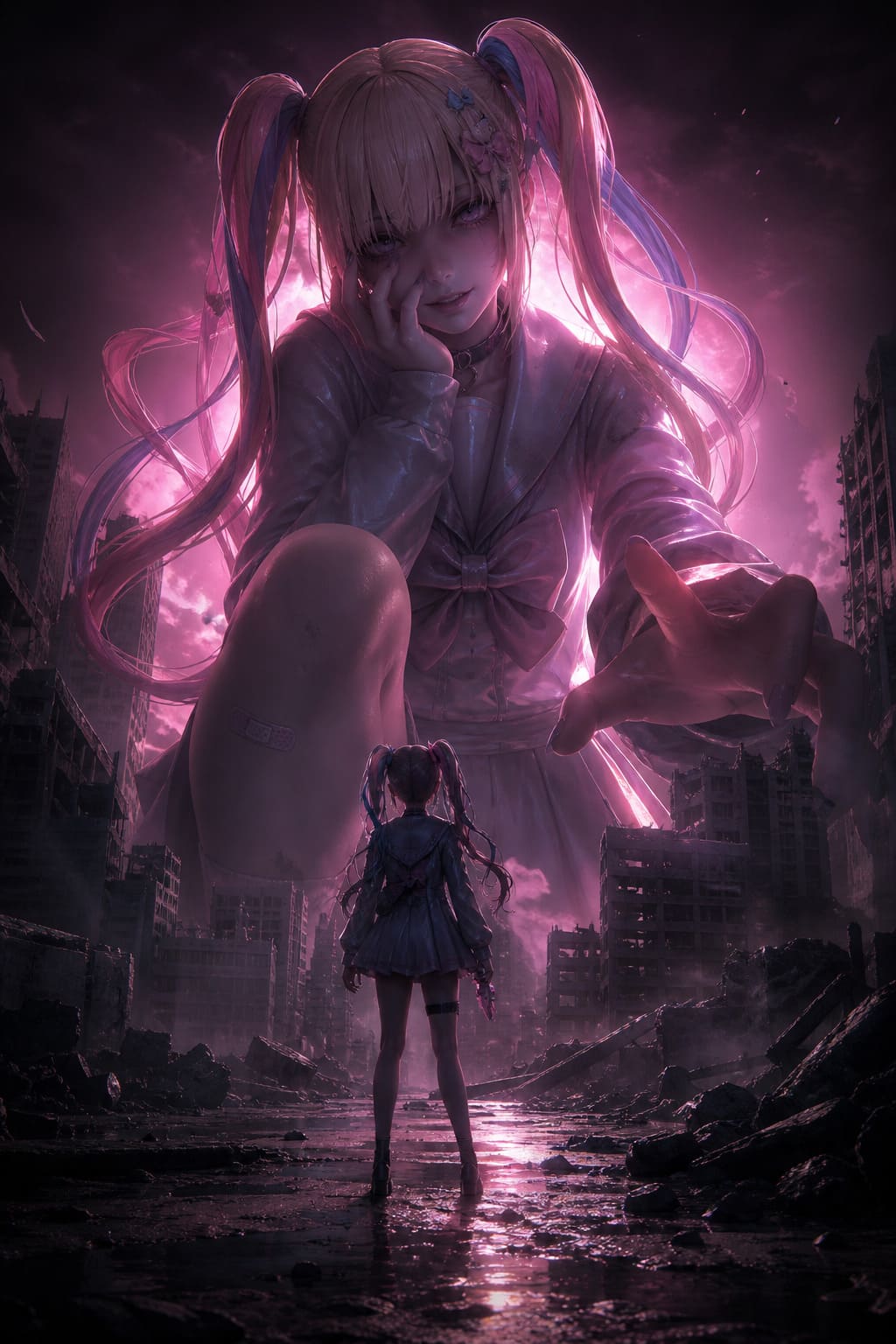
With the upcoming anime adaptation, this conflict won’t be optional or interactive anymore. It will be presented directly, without filters, and most likely in a more intense and emotionally raw form.
That shift alone could transform the story into something far more unsettling—and far more memorable.
Kusunoki’s Garden of Gods: Every Major Manga vs. Anime Difference Explained
The Core Conflict: Not Just Two Sides—Two Survival Mechanisms
On the surface, Ame and KAngel are the same person, but that’s only technically true. In reality, they function like separate identities, each serving a different purpose in Ame’s life.
- Ame-chan is insecure, unstable, and painfully human
- KAngel is confident, adored, and carefully constructed
This contrast works because it isn’t just aesthetic—it’s functional. KAngel isn’t simply a mask that Ame wears for fun or convenience. She is a coping mechanism, a tool designed to survive in a world that constantly demands validation and performance.
KAngel exists because Ame cannot survive as herself.
That idea alone reframes the entire story. What looks like a digital double life becomes something closer to emotional dependency, where the persona is not optional but necessary.
Why the Anime Could Hit Harder Than the Game
The original game creates distance between the player and Ame. You observe, manage, and influence her decisions, which gives you a sense of control, even if it’s an illusion.
The anime removes that layer entirely. There are no choices to make, no stats to balance, and no way to intervene. You are no longer managing the situation—you are watching it unfold.
- No resets or alternate outcomes
- No emotional distancing through gameplay
- No illusion of control
This shift allows the story to focus on emotional continuity. Every action has weight, every consequence lingers, and the psychological tension builds naturally over time. Instead of optimizing outcomes, the audience experiences the deterioration directly.
The Dissociation Angle: Where Things Become Unsettling
One of the most important elements the anime must handle carefully is Ame’s transformation into KAngel. In the game, this transformation is stylized, almost playful, resembling a magical girl sequence. However, that presentation always carried a layer of irony.
In an anime format, this transformation can be reinterpreted in a much darker way. Instead of a simple shift in appearance or behavior, it can represent a deeper psychological break.
- Gradual loss of control
- Behavioral shifts without awareness
- The feeling that KAngel is becoming independent
If executed properly, the transformation won’t feel empowering. It will feel like something slipping out of Ame’s control, blurring the line between identity and performance.
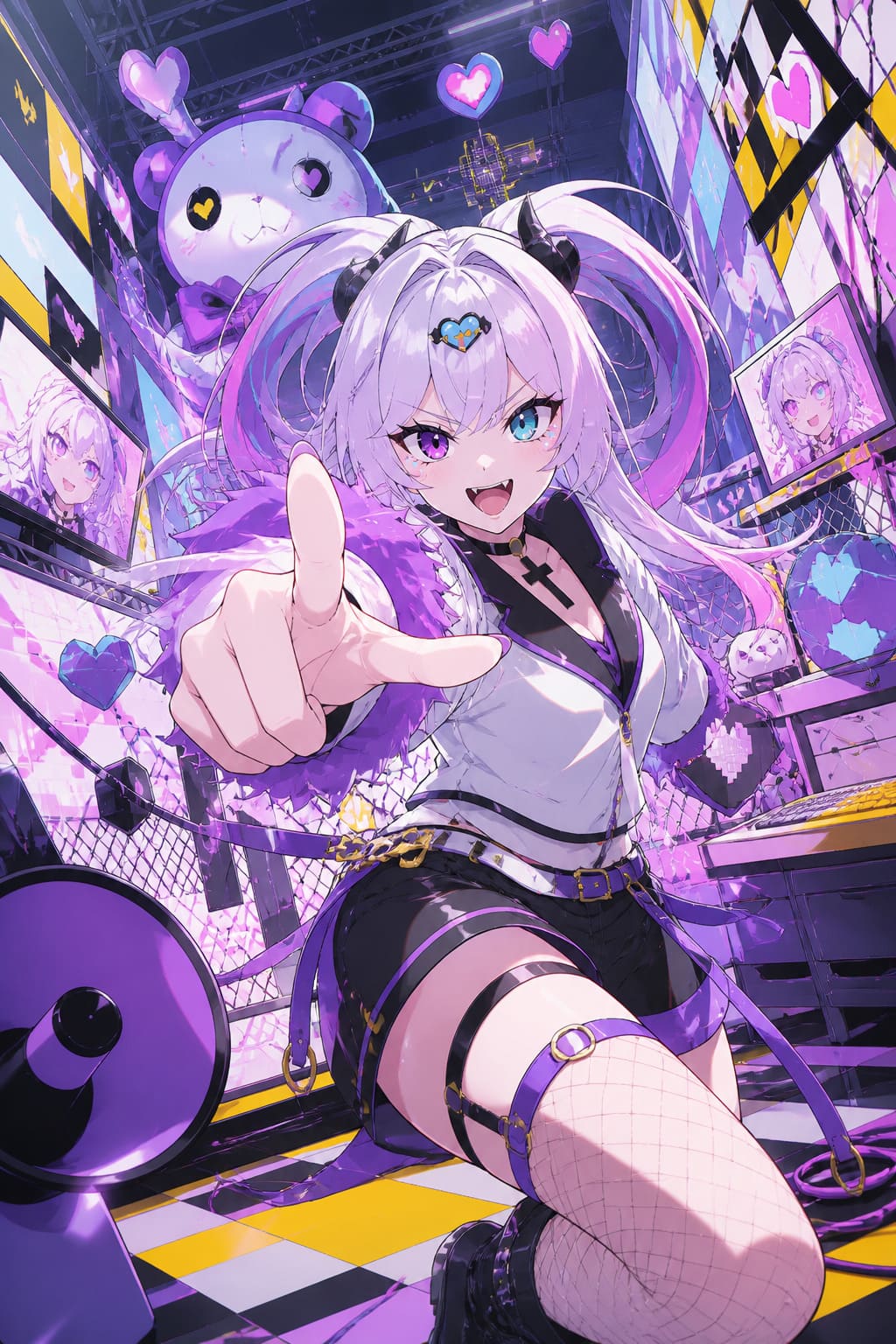
The Parasocial Mirror: Validation as a Trap
Unlike traditional idol narratives, this story does not celebrate attention—it critiques it. KAngel exists to be loved, but that love is conditional, shallow, and ultimately unsustainable.
The audience sees KAngel as a perfect figure, but that perfection is manufactured. Meanwhile, Ame becomes increasingly disconnected from both her audience and herself.
The cycle of validation becomes a trap:
- Ame feels empty and unstable
- She becomes KAngel to compensate
- KAngel receives validation and attention
- Ame feels temporarily satisfied
- The emptiness returns stronger than before
This loop continues, intensifying over time, turning what initially seems like empowerment into emotional exhaustion. The anime has the potential to highlight not just the cycle itself, but the toll it takes on Ame’s mental state.
Ame as an Unreliable Narrator
Ame is not a passive victim. One of the most compelling aspects of her character is her ability to manipulate both others and herself. She reframes situations, exaggerates her struggles, and sometimes performs vulnerability in ways that blur sincerity and strategy.
This complexity makes her difficult to categorize. She is not entirely sympathetic, but she is deeply human.
| Element | Risk | Potential Outcome |
|---|---|---|
| Showing manipulation | Audience rejection | Stronger realism |
| Maintaining sympathy | Oversimplification | Emotional engagement |
| Balancing both | Difficult execution | Complex character depth |
If the anime finds the right balance, Ame becomes more than a tragic figure. She becomes someone the audience understands, even when they disagree with her actions.
KAngel: A Persona Built for Consumption
It is tempting to view KAngel as an idealized version of Ame, but that interpretation is too simple. KAngel is not just an improved self—she is a constructed identity designed specifically for an audience.
- Reactions are optimized for engagement
- Emotions are curated and controlled
- Flaws are hidden or repackaged
In this sense, KAngel is less of a person and more of a product. Her success depends on consistency, predictability, and audience satisfaction. The more effective she becomes, the less room there is for Ame’s authentic self.
The growth of KAngel directly contributes to the erasure of Ame.
Why This Story Feels Relevant
Although the story is framed around streaming culture, its themes extend far beyond that context. In a world where people constantly curate their identities online, the gap between reality and presentation is something many can relate to.
Most individuals maintain a separation between their public and private selves. Ame does not have that luxury. For her, the persona is not separate—it is dominant.
This makes the story feel extreme, but not unrealistic. It reflects a broader anxiety about identity, validation, and the pressure to be perceived in a certain way.
Personal Perspective: Ame or KAngel?
Choosing between Ame and KAngel is not straightforward. Ame feels more authentic, but KAngel feels more familiar in a social sense.
- Ame is chaotic, vulnerable, and difficult to handle
- KAngel is polished, engaging, and easy to accept
Most people would prefer interacting with KAngel, but that preference reveals something important. The version of a person that is easiest to love is often not the most real.
This tension is what gives the story its emotional impact. It forces the audience to question not just the character, but their own perceptions and expectations.
What Will Define the Anime’s Success
The effectiveness of the adaptation will not depend solely on visuals or pacing. The key factor is whether it can capture the emotional distance between Ame and KAngel.
- If the contrast feels too clean, the story loses its edge
- If it becomes too chaotic, the message gets lost
- If balanced correctly, it becomes deeply impactful
The success of the anime depends on its ability to maintain that tension without simplifying it.
Conclusion: A Story About Identity, Not Just the Internet
At its core, this is not just a story about streaming or online culture. It is a story about identity, self-worth, and the consequences of living through a version of yourself that others prefer.
What happens when the version of you that people love is not the real you?
And more importantly, what happens when you begin to believe that version is better?
The conflict between Ame and KAngel is not just internal—it is existential. It is a struggle over which identity deserves to exist, and whether authenticity can survive in a system built on performance.
That is what makes this story resonate, and that is what the anime must capture to leave a lasting impression.