Yamagami vs. Anime Mountain Gods: Folklore Analysis of Kusunoki’s Garden of Gods
If you’ve watched enough anime with Shinto-inspired spirits, you probably have a mental checklist for “mountain gods”: distant, overwhelming, vaguely terrifying, and usually not interested in your feelings. That’s why Yamagami from Kusunoki’s Garden of Gods hits so differently—and honestly, so refreshingly.
As someone who grew up loving titles like Natsume’s Book of Friends and Princess Mononoke, I didn’t expect a mountain deity to become one of the coziest presences of the Spring 2026 anime season. But here we are.
The Old-School Mountain God: Beautiful, Dangerous, Untouchable
Before we talk about what makes Yamagami special, it’s worth grounding things in tradition. The concept of the Yamanokami in Japanese folklore is anything but soft.
These gods were:
- Unpredictable – blessing crops one season, destroying villages the next
- Deeply tied to nature cycles – especially fertility and agriculture
- Often feared more than loved
Anime has historically leaned into this. The perfect example is the Shishigami (the Great Forest Spirit). That thing isn’t your friend. It’s not your enemy either. It just exists on a level humans can’t really comprehend.
And that’s the point—it represents nature as something beyond morality.
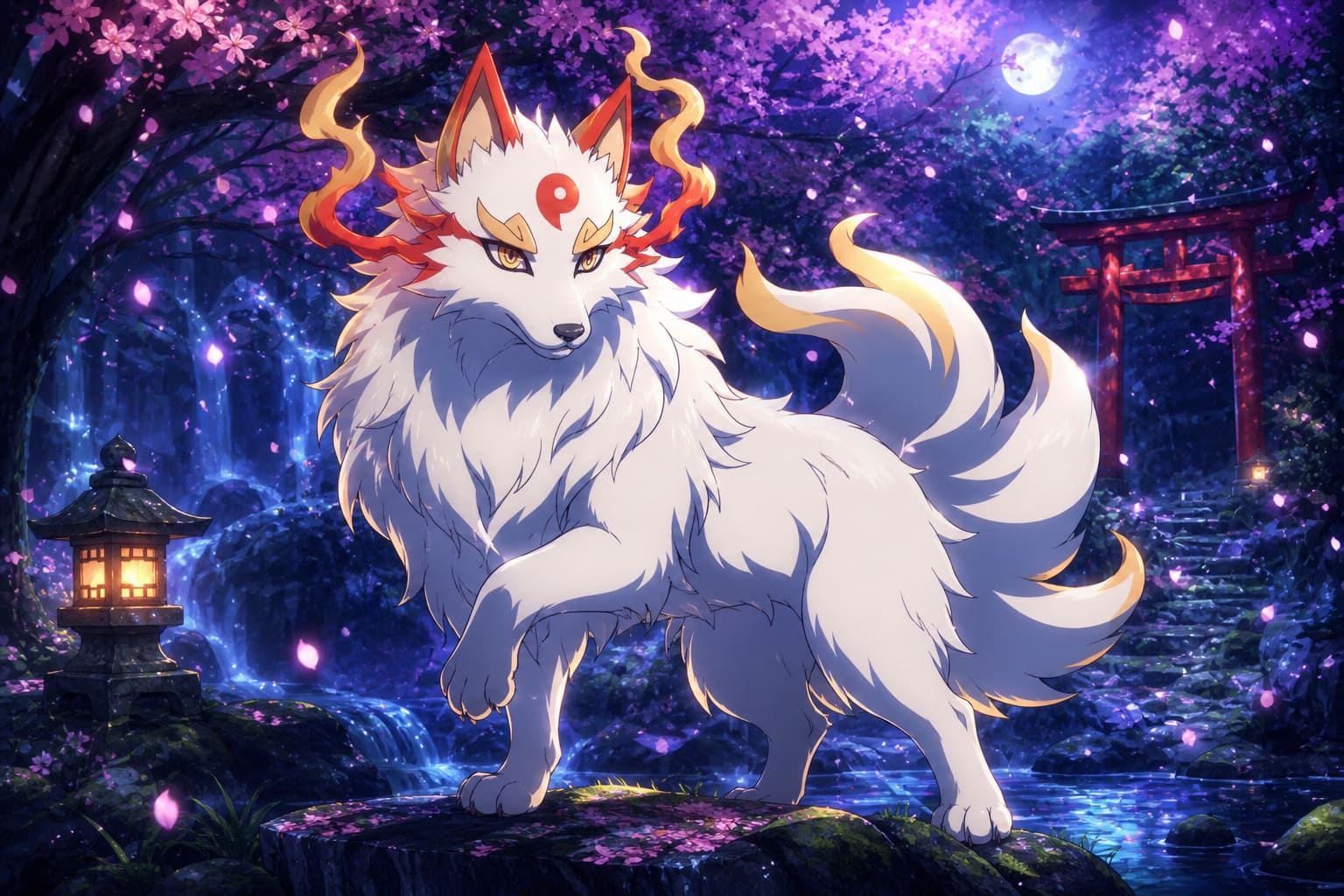
Enter Yamagami: A God Who Might Actually Hang Out With You
Yamagami flips that entire dynamic on its head.
Instead of being an untouchable force, he’s:
- A caretaker of a specific place (the Kusunoki estate)
- A being who weakens over time without attention or offerings
- Someone who genuinely enjoys human company (and snacks… lots of snacks)
What makes this work is that the show doesn’t strip away his divinity—it just reframes it. He’s still powerful. He still governs a sacred space. But now there’s vulnerability layered into that power.
And weirdly, that makes him feel more mythologically accurate in a modern sense. In real folklore, gods fading due to neglect is a real idea. The anime just leans into that and asks: What if restoring a god looked less like a ritual and more like daily care?
Minato Kusunoki Personality Analysis: The Accidental Exorcist of Kusunoki’s Garden of Gods
Shishigami vs. Yamagami: Old World vs. Cozy Era
Let’s break this down in a way anime fans love—direct comparison.
| Trait | Shishigami (Princess Mononoke) | Yamagami (Kusunoki’s Garden of Gods) |
|---|---|---|
| Nature | Abstract force of life/death | Localized guardian spirit |
| Personality | Silent, unknowable | Calm, gentle, slightly playful |
| Relationship with humans | Indifferent | Actively engaged |
| Symbolism | Nature’s dominance | Harmony + restoration |
| Vibe | Awe + fear | Comfort + healing |
The difference isn’t just stylistic—it reflects a broader shift in anime storytelling.
Back in the day, spirits like Shishigami embodied distance. Now, characters like Yamagami embody connection.
And honestly, that shift lines up perfectly with why “healing anime” is blowing up right now.
The “Mofu-Mofu” Evolution: From Threat to Mascot Energy
We need to talk about the fluffy factor.
Yamagami’s design—this large, wolf-like deity that can shrink into a softer, almost plushie-like form—puts him in the same conversation as Madara (Nyanko-sensei).
But they’re not the same archetype.
Key differences:
- Nyanko-sensei = chaotic gremlin energy with hidden power
- Yamagami = calm, semi-retired god energy who just wants peace
There’s also something interesting in how Yamagami interacts with his environment. Instead of acting like a bodyguard or comic relief, he feels more like a spiritual landlord, a mentor figure, and the center of a small, evolving found family.
His ability to manifest helpers (like Seri, Torika, and Utsugi) reinforces that idea. It’s less about domination and more about ecosystem-building.
Why This Works So Well Right Now (Especially Globally)
Let’s be real—the popularity of shows like this isn’t random.
We’re in an era where audiences are actively searching for low-stress storytelling, comfort characters, and worlds that feel safe but still magical.
Yamagami fits perfectly into that demand.
Instead of being a boss fight or a plot device, he becomes part of a daily rhythm: eating, resting, restoring balance, and quietly influencing growth.
It’s the same reason people gravitate toward slow-life isekai or nature-heavy series. There’s something deeply satisfying about watching a powerful being choose peace over dominance.
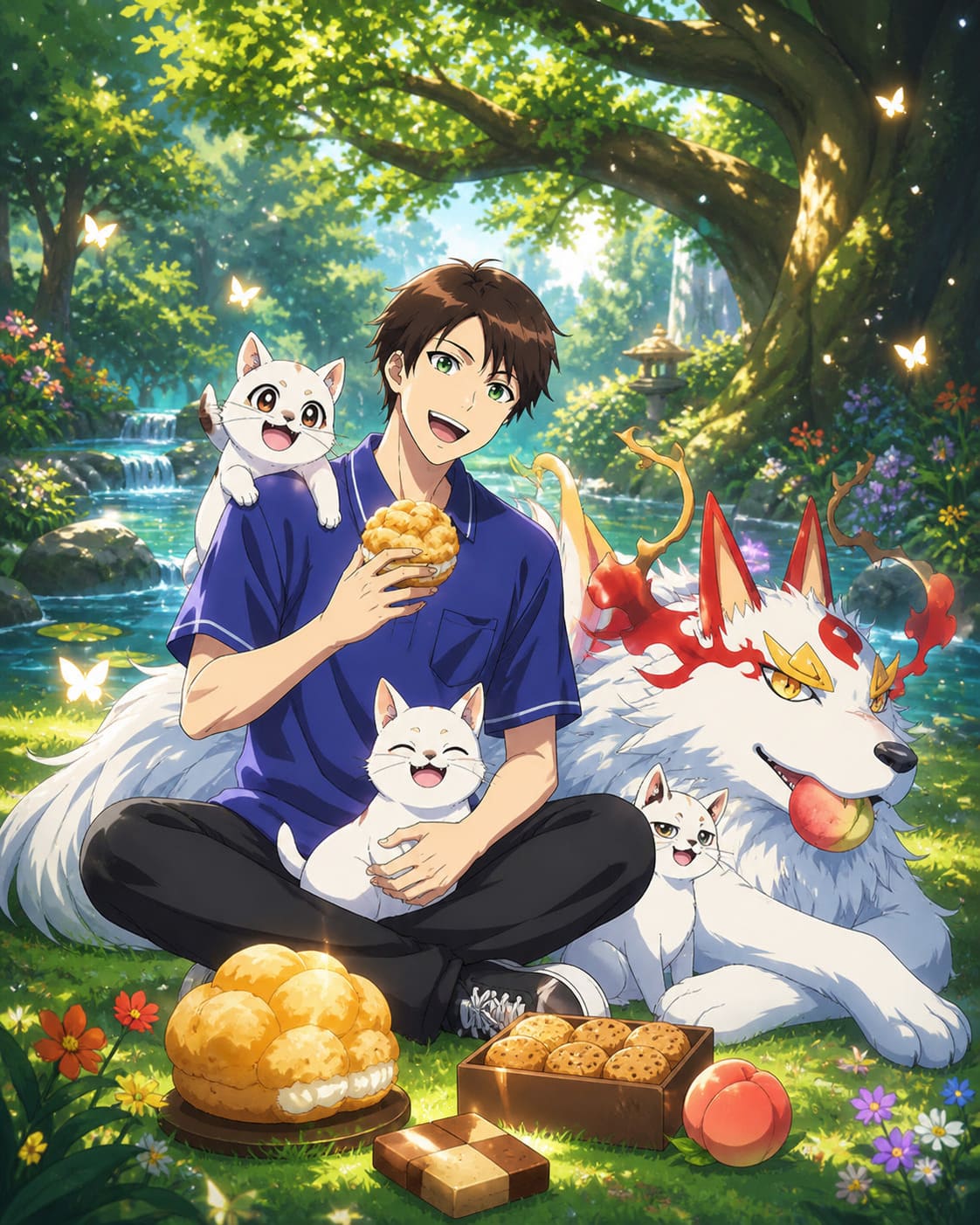
What Makes Yamagami Stand Out (Fan Take)
If I had to sum it up as a fan, here’s why Yamagami feels like a standout character:
- He doesn’t need conflict to be interesting
- His power is tied to care, not conquest
- He represents a “post-epic” version of gods—what happens after legends fade
And maybe most importantly: he feels like a god who wants to stay.
That’s rare.
Final Thoughts: The Future of Anime Deities?
Characters like Yamagami signal something bigger than just one good seasonal anime. They show how anime is evolving its relationship with folklore.
Instead of presenting gods as distant, terrifying, and unknowable, we’re starting to see them as present, fragile, and emotionally resonant.
That doesn’t make them less divine—it just makes them more relevant.
And honestly, if the future of anime mountain gods looks like this—soft, powerful, and slightly obsessed with sweets—I’m all in.