Wistoria Season 2 Feels Different — Here’s Why the Anime and Manga Hit So Differently
If you’ve been following Wistoria: Wand and Sword lately, you’ve probably noticed something: Season 2 doesn’t just continue the story — it feels different. Not in a bad way, but in that subtle “wait, was it like this in the manga?” kind of way.
As someone who genuinely enjoys both anime and manga and tends to overanalyze both, I decided to dig into what actually changed — and more importantly, why those changes matter.
Because this isn’t just a case of cut content or filler. It’s more nuanced than that.
Where Season 2 Really Begins (And Why It Feels Slower)
Season 1 wrapped up around Chapter 20 of the manga, but the anime didn’t just stop there and jump straight into the next arc. Instead, it added extra emotional scenes like hospital recovery, conversations, and quiet character moments.
Kusunoki’s Garden of Gods Lore & World Building: Guide to the Kami Realm
In the manga, the transition into the Terminaria Festival arc is quick and efficient. The anime slows things down and gives space for reflection, letting you actually feel the aftermath of what happened.
Personal take: this slower pacing works surprisingly well because it builds emotional weight before everything escalates again.
Pacing: Manga Density vs Anime Flow
The manga releases monthly, so every chapter is packed with information, action, and development. The anime, being weekly, spreads that content out and reshapes it.
Instead of dragging scenes, the anime expands the world by adding extra lore, showing more of the tower’s political system, and giving additional context to characters like Professor Edward.
This shift makes conflicts feel less personal and more systemic, turning obstacles into reflections of a larger world structure.
Character Differences That Actually Change the Experience
Will Serfort: In the manga, Will feels more mentally composed and focused. He understands the unfairness of the world but pushes forward without overthinking it. The anime emphasizes his emotional struggles, showing more doubt and despair, especially during the Terminaria Festival arc.
Sion Ulster: The anime initially presents him as a straightforward rival, but the manga hints at deeper insecurity and obsession. Season 2 begins to explore this, though the manga still feels more layered in its portrayal.
Julius Reinberg: The anime enhances his presence through animation, voice, and color, making him feel more dynamic. Meanwhile, the manga captures his elegance through detailed artwork and carefully composed panels.
| Aspect | Manga | Anime |
|---|---|---|
| Visual Detail | Extremely high | Simplified but fluid |
| Presence | Quiet dominance | Charismatic authority |
| Impact | Artistic | Cinematic |
The Terminaria Festival Arc: Where Everything Changes
This arc defines Season 2 and highlights the biggest differences between the two versions.
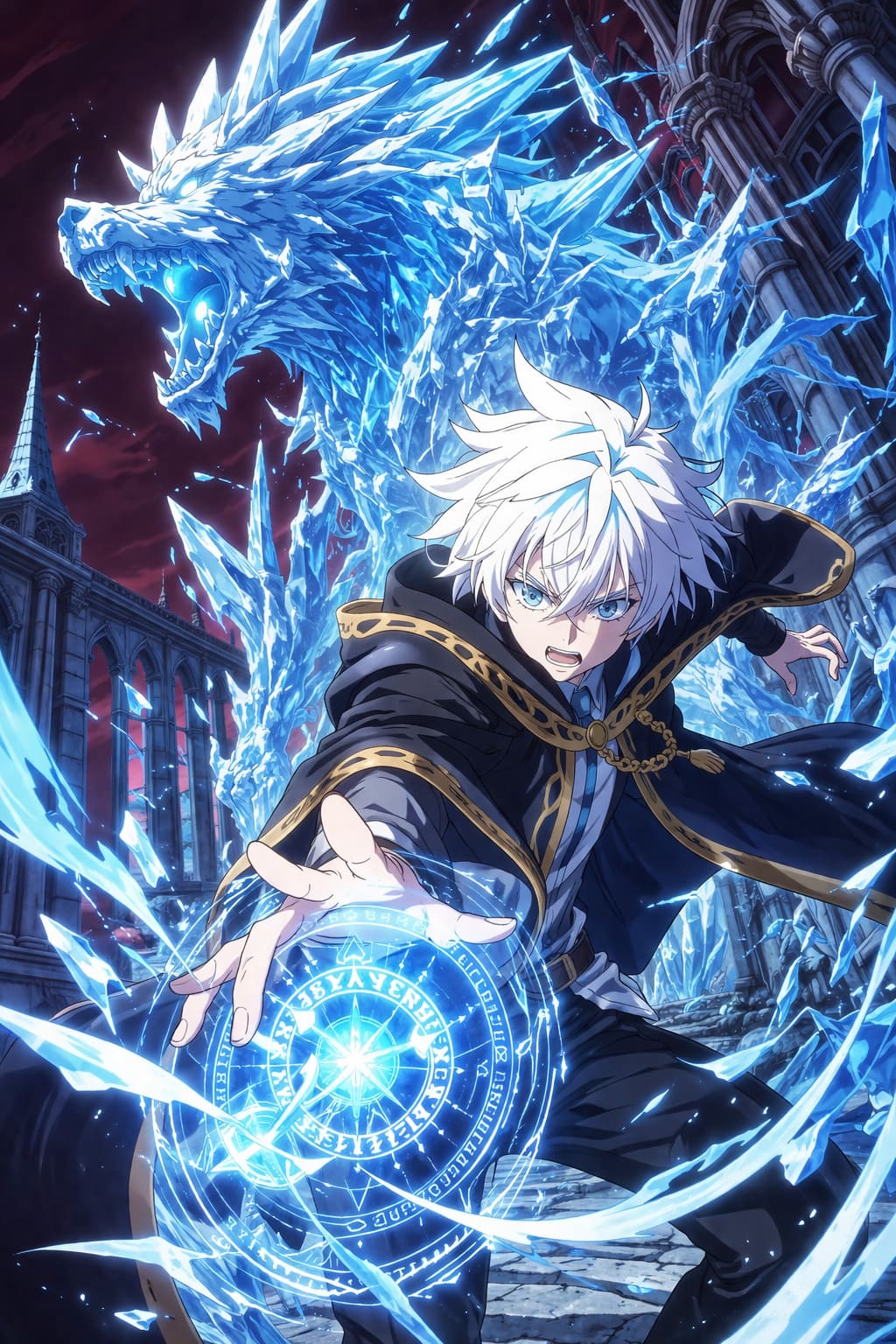
Action style: The anime delivers fast, explosive, almost superhuman combat, while the manga focuses on controlled, logical swordplay that is easier to follow step by step.
Mage Killer threat: In the manga, it feels disturbing and tense. In the anime, it becomes overwhelming due to sound design, music, and scale, making the danger feel much more immediate.
Anime-Only Additions That Actually Improve the Story
The anime introduces new scenes that expand the world rather than distract from it.
Elfaria receives more personal moments, making her feel human instead of distant. Side characters like Colette and Lihanna gain more presence, and extended flashbacks deepen emotional stakes.
Personal take: these additions feel like natural extensions rather than filler.
The Rosti Mystery Feels Different Too
The Rosti storyline is handled differently across formats. The manga relies on subtle hints and expressions that reward careful reading. The anime makes some clues more visible, which can either help or reduce the mystery depending on how you watch.
Some expressions and reactions carry more weight in the manga, especially in scenes connected to deeper lore elements.
So… Which Version Is Better?
Neither version is strictly better — they offer different experiences.
Read the manga for: detailed artwork, faster pacing, subtle character psychology, and precise action.
Watch the anime for: music, atmosphere, emotional storytelling, expanded world-building, and dynamic fights.
Final Thoughts: Why This Adaptation Works
What makes Wistoria Season 2 stand out is that it doesn’t try to copy the manga exactly. Instead, it adapts the material to fit the strengths of animation.
The anime amplifies emotion and spectacle, while the manga preserves precision and depth. Together, they create a more complete experience than either version alone.
Quick Summary
Season 2 begins around Chapter 21, the anime expands emotional depth and pacing, the manga remains stronger in detail and subtlety, the Terminaria arc feels more intense in anime but more controlled in manga, and both versions are worth experiencing.