Witch Hat Atelier Season 1 Ending Explained: The Secrets of the Serpent’s Test and the Brimmed Caps
There are fantasy anime with beautiful worlds, and then there is Witch Hat Atelier — a series that feels handcrafted in every possible way. From the detailed backgrounds to the emotional writing, Season 1 delivered something rare: a fantasy story that actually respects the intelligence of its audience.
By the end of the finale, it becomes obvious that this anime is not simply about “learning magic.” It’s about control, fear, freedom, and the consequences of knowledge. And honestly, that is exactly why the ending hits so hard.
After watching the final episodes, I couldn’t stop thinking about one question:
Are the so-called villains actually wrong?
That moral uncertainty is what makes the Season 1 ending so memorable.
Coco’s Growth Was the Real Victory
The final part of Season 1 focuses heavily on the dangerous Second Test, also known as the Serpent’s Test. At first, it looks like a normal magical exam for apprentices, but things quickly spiral into chaos once the Brimmed Caps begin interfering behind the scenes.
The underground environment inside the Serpent’s Back becomes more than just a setting — it represents the unstable nature of magic itself.
What I loved most here is how Coco succeeds.
She does not overpower anyone. She does not suddenly become the strongest witch in the room. Instead, she wins because she thinks differently.
That has always been Coco’s greatest strength.
Since she was not born into witch society, she approaches magic without the rigid mindset shared by traditional witches. She experiments. She improvises. She combines runes in creative ways that others overlook because they are trapped by centuries of rules.
In many fantasy anime, talent is everything. In Witch Hat Atelier, creativity matters more.
That distinction is what makes the series feel refreshing.
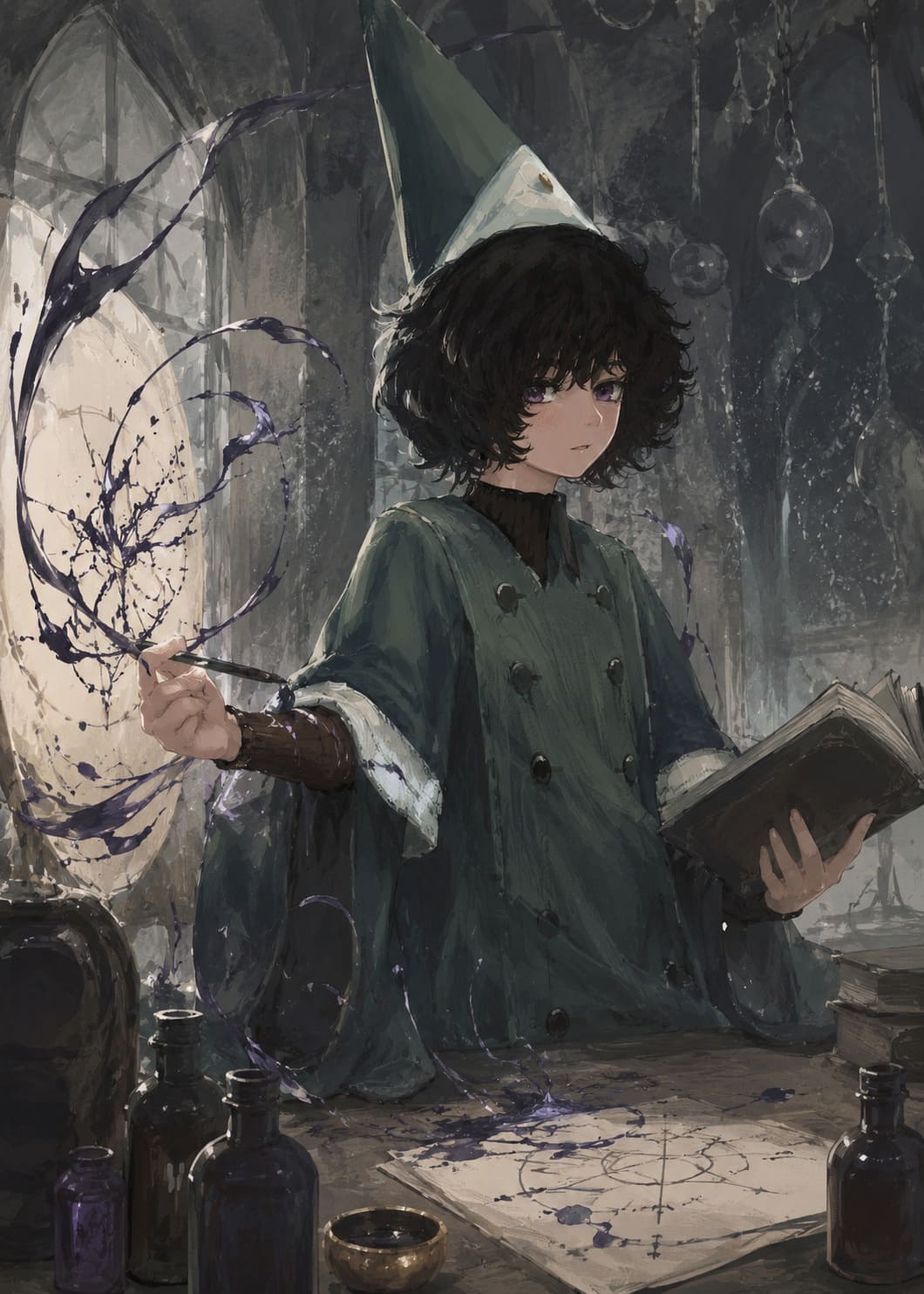
The Brimmed Caps Are More Complicated Than Typical Villains
At first glance, the Brimmed Caps seem like standard antagonists: mysterious rogue witches causing chaos for no reason.
But the ending completely changes that perception.
Their ideology actually makes sense.
The Pointed Hats — the official witch society — control magical knowledge and strictly forbid ordinary people from learning it. According to them, magic must remain hidden because humanity once abused it during darker periods of history.
And yes, their fears are understandable.
Magic in this world is terrifyingly powerful. One spell can permanently alter bodies, erase memories, or destroy lives. Coco herself accidentally petrified her own mother simply because she lacked knowledge.
But the Brimmed Caps see things differently.
They believe magic should belong to everyone, not just an elite group protecting its own authority.
That is where the story becomes morally gray.
| Pointed Hats | Brimmed Caps |
|---|---|
| Restrict magic for safety | Share magic freely |
| Preserve secrecy | Break control systems |
| Fear abuse of power | Fear oppression and inequality |
| Maintain order | Pursue freedom |
The anime does not fully support either side, and that is exactly why the conflict works so well.
Personally, I think the series intentionally wants viewers to feel uncomfortable choosing a side. The Pointed Hats protect society, but they also hide dangerous truths. Meanwhile, the Brimmed Caps fight for freedom while using manipulative and cruel methods.
Neither group feels completely heroic.
Witch Hat Atelier Day of the Oath Explained: Lore, Secrets, and Forbidden Magic
Qifrey Might Be the Most Dangerous Character
One of the biggest surprises in the ending is how much darker Qifrey becomes once his past is revealed.
For most of the season, he seems like the ideal mentor:
- Calm
- Intelligent
- Protective
- Patient with Coco
But underneath that kindness is someone obsessed with revenge.
Learning that the Brimmed Caps stole his eye when he was younger suddenly reframes many of his actions throughout the season. His interest in Coco was never entirely innocent. He understood that the Brimmed Caps were connected to her and deliberately kept her close partly to lure them out.
That revelation changes everything.
And honestly, it makes Qifrey far more interesting.
Anime mentors are often written as morally perfect guides. Qifrey feels human instead. He genuinely cares about Coco, but he is also willing to use her for his personal mission.
That contradiction gives the story emotional tension moving forward.
You can already feel the future conflict building:
- Coco wants to save people
- Qifrey wants answers and revenge
- The Brimmed Caps want revolution
Those goals are eventually going to collide.
The Knights Moralis in Witch Hat Atelier: Purpose, History, and the Dark Side of Magical Law
The Ending Quietly Sets Up Something Much Bigger
Season 1 technically ends on a hopeful note. Coco survives the test, grows stronger, and officially continues her path as a witch.
But emotionally, the finale feels unsettling.
The atmosphere almost suggests that Coco has crossed a point of no return.
Once she puts on the witch hat, she becomes part of a hidden world filled with lies, forbidden knowledge, and political manipulation. The hat symbolizes identity, but also burden.
That symbolism is one of my favorite parts of the anime.
In most fantasy stories, becoming a magician is empowering. Here, becoming a witch feels dangerous. Every new piece of knowledge pulls Coco deeper into conflicts she barely understands.
And then there is the tease for the upcoming Silver Eve Festival.
Manga readers already know this arc becomes extremely important, but even anime-only viewers can tell the story is preparing for something massive. The tension between the witch factions is escalating fast, and Coco is slowly becoming the center of it all.
Why Witch Hat Atelier Feels Different From Other Fantasy Anime
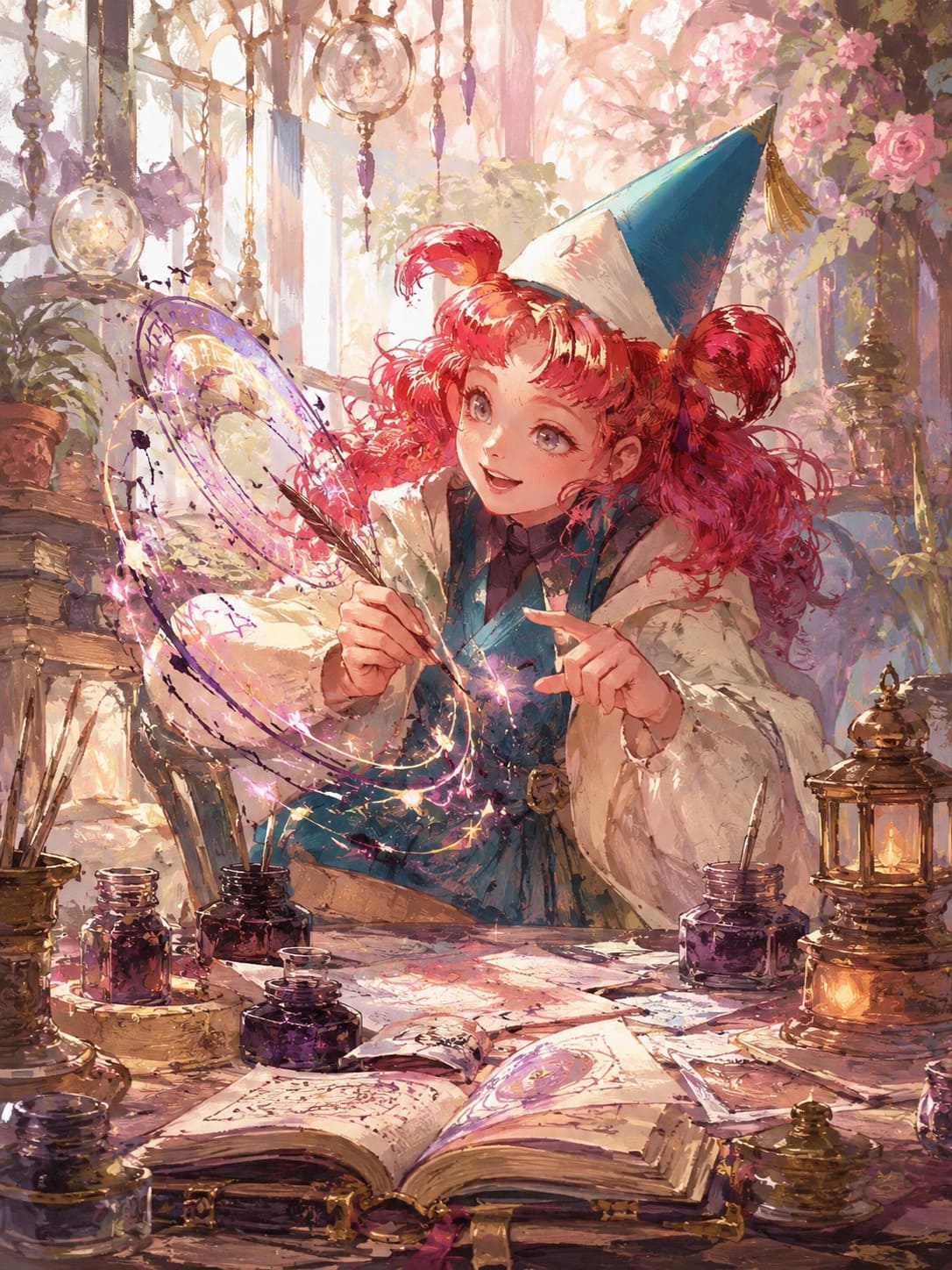
A lot of modern fantasy anime rely heavily on flashy powers and constant battles.
Witch Hat Atelier succeeds because it treats magic like an actual craft.
Magic here is based on:
- Precision
- Knowledge
- Drawing techniques
- Creativity
- Consequences
Every spell feels meaningful because there are rules behind it.
The worldbuilding is honestly one of the strongest I have seen in recent anime. Small details — like magical ink production, forbidden body-altering spells, or the structure of witch society — make the world feel believable.
And visually, the anime captures the same enchanting atmosphere that made the manga famous.
Some scenes genuinely look like moving storybook illustrations.
Season 2 Expectations and Manga Hints
Without going too deep into spoilers, the anime only covered the early part of the story. There is still a huge amount left unexplored.
Future arcs will dive deeper into:
- Forbidden magic
- The origin of magical laws
- Political tensions among witches
- Coco questioning the morality of the system itself
- The true intentions of the Brimmed Caps
What excites me most is that Coco’s biggest battle probably will not be physical.
It will be ideological.
At some point, she will have to decide what kind of witch she wants to become — someone who obeys tradition or someone willing to challenge the entire structure of the magical world.
And based on the ending, that choice may change everything.
Final Thoughts
The ending of Witch Hat Atelier Season 1 works because it avoids simple answers. Nobody is fully right. Nobody is fully evil. Every side believes they are protecting the future in their own way.
That complexity gives the story emotional weight rarely seen in fantasy anime.
Coco may have passed her test, but the real challenge is only beginning.
And if Season 2 delivers on the themes and foreshadowing introduced here, Witch Hat Atelier could easily become one of the defining fantasy anime of this generation.