Steel & Dust: Analyzing Early Sorachi’s Unique Art Style, ‘Dandelion’
There’s something oddly refreshing about going back to a creator’s early work—especially when that creator is Hideaki Sorachi.
Before the chaotic brilliance of Gintama took over the shonen world, there was Dandelion—better known among fans as Angels on a Bike. And honestly? It feels less like a prototype and more like a raw, unfiltered version of everything Sorachi would later master.
As someone who spends way too much time bouncing between narrative-heavy games and manga, I can’t help but see Angels on a Bike the same way I see early cult-classic games: rough around the edges, but packed with identity. It’s not polished—and that’s exactly why it works.
Guy Crimson vs. Rudra Nam Ul Nasca: The 2,000-Year Rivalry Explained
The Beauty of Imperfection: Sorachi’s “Gorilla” Linework
Let’s get this out of the way: this manga is not “clean.” And I mean that in the best possible way. Where modern manga often leans toward ultra-slick digital perfection, Angels on a Bike feels like it was carved out of graphite and instinct. The linework is messy, aggressive, and alive. You can almost feel the pressure of the pen in every stroke.
Why it works:
– Heavy cross-hatching creates depth without relying on digital shading
– Uneven lines add motion and tension—even in still panels
– Visual noise actually enhances emotional weight
It reminds me of older games where animation wasn’t perfect, but every frame had intention. That same rawness gives the manga personality. You’re not just reading it—you’re feeling it.
Angels That Don’t Look Like Angels
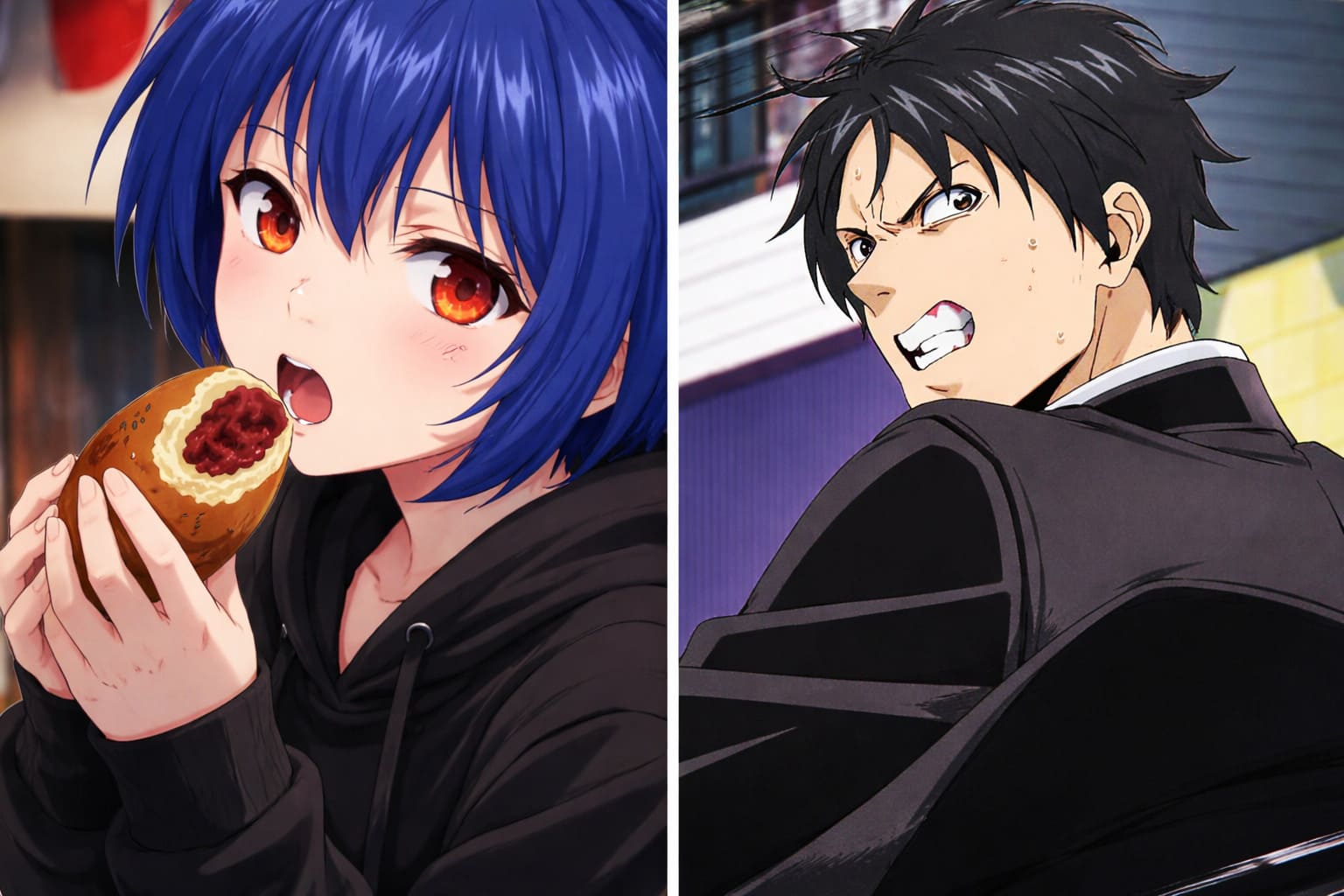
One of the most striking choices Sorachi makes is flipping the expected “angel” aesthetic on its head. Instead of glowing, elegant figures, we get characters who look like they belong in a back-alley brawl.
Take Tetsuo Tanba, for example:
– Sharp, almost predatory eyes
– Rough facial structure
– A constant “don’t mess with me” aura
And yet, beneath that intimidating design is a genuinely kind, almost painfully human character. This contrast does something powerful: it forces you to look past appearances, which ties directly into the manga’s themes about regret, redemption, and quiet acts of kindness.
If you’ve read darker fantasy like Berserk or grounded character studies like Vagabond, you’ll recognize that same “tough exterior, fragile core” design philosophy.
Urban Grit Meets Celestial Purpose
Forget golden clouds and heavenly gates. The “angels” here operate in cramped streets, cluttered apartments, and dimly lit corners of everyday life. The setting feels almost oppressively real—and that’s intentional.
Key visual elements:
– Detailed bikes and machinery
– Cluttered, lived-in environments
– Tight framing that creates emotional pressure
There’s a surprising level of mechanical detail, especially in the bikes. It’s not quite on the level of Akira, but you can see that same appreciation for industrial design. And here’s the thing: the more grounded the world feels, the more impactful the “angelic” role becomes.
It’s like dropping a supernatural quest into a slice-of-life setting—something you’d expect more from narrative-driven indie games than traditional manga.
Comedy That Hits Because of the Art
If you only know Sorachi from Gintama, you already know he’s a master of comedic timing. But what’s fascinating is how early that skill shows up here. The humor isn’t just in the dialogue—it’s baked into the visuals.
Sorachi’s signature expression play:
– Deadpan realism followed by sudden exaggerated faces
– Detailed panels shifting into simplified, almost “ugly” reactions
– Emotional scenes interrupted by absurd visuals
This constant shift creates a rhythm that feels almost interactive—like a well-designed game cutscene that knows exactly when to break tension. And that’s the magic: the humor doesn’t undercut the emotion—it amplifies it.
Then vs. Now: Manga vs. Netflix Adaptation
With the upcoming Netflix adaptation handled by Studio NAZ, there’s a big question hanging in the air: can this raw style survive modern animation pipelines?
| Aspect | Original Manga | Netflix Adaptation (Expected) |
|---|---|---|
| Linework | Rough, hand-drawn | Likely cleaner, digital |
| Shading | Heavy hatching | Gradient or layered shading |
| Expressions | Extreme, sudden shifts | Possibly toned down |
| Atmosphere | Gritty, dense | More cinematic, polished |
The concern isn’t whether the anime will look “better”—it almost certainly will in a technical sense. The real question is: will it feel the same? Because in this case, the imperfections are part of the storytelling.
Why Western Audiences Are Connecting With It Again
There’s a reason this story is resurfacing now. Modern audiences—especially those who play story-driven games—are drawn to flawed characters, grounded worlds with supernatural elements, and emotional storytelling without excessive polish.
Angels on a Bike checks all those boxes. It sits in that sweet spot between shonen accessibility and seinen-level emotional depth. And that balance makes it incredibly easy to get into, even if you’re not a hardcore manga reader.
What Makes This Style Stick
At its core, the art style succeeds because of contrast:
– Rough visuals vs. gentle themes
– Intimidating characters vs. kind actions
– Chaotic comedy vs. quiet emotional beats
It’s not trying to be pretty. It’s trying to be honest. And honestly, that’s rare.
Final Thoughts: A Prototype That Feels Complete
Going back to Angels on a Bike feels a bit like playing an early build of a game that already had the soul of a masterpiece. You can see the ideas that would later define Gintama: the humor, the emotional whiplash, and the love for flawed, deeply human characters.
But here, it’s all stripped down. No filters. No overproduction. Just raw storytelling. And sometimes, that hits harder than anything polished ever could.