Review: Why ‘Dandelion’ is Sorachi’s Most Underrated Work
Introduction: I Didn’t Expect This to Stick With Me
I’ve read a lot of manga. I’ve played story-heavy RPGs, grinded through emotional visual novels, and spent way too many late nights chasing that one narrative that actually lingers after you close the tab or put the controller down.
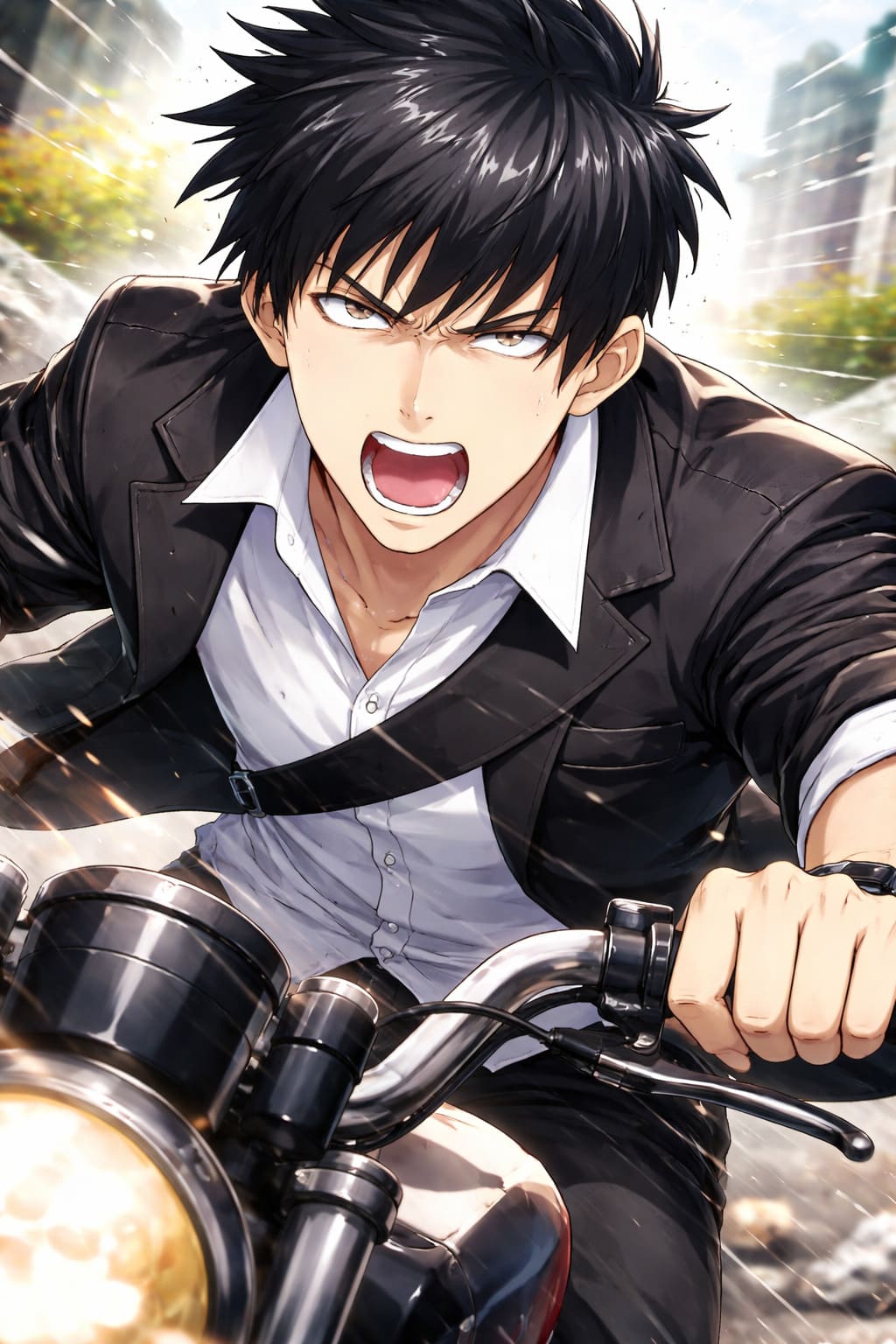
So when I stumbled across Dandelion—that early one-shot by Hideaki Sorachi, the creator of Gintama—I expected something quirky, maybe a bit rough.
What I didn’t expect was that it would hit like a quiet side quest in a game that ends up being more memorable than the main storyline. Fans call it “Angels on a Bike,” and honestly, that nickname fits better than it should.
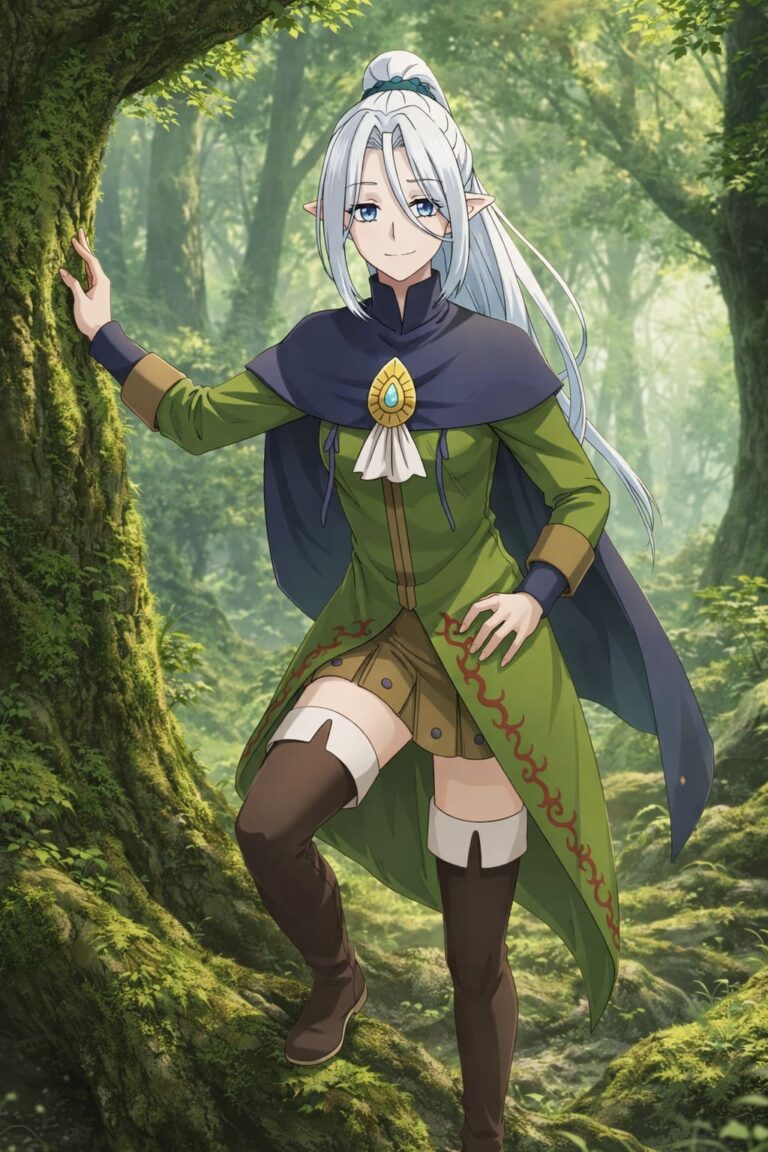
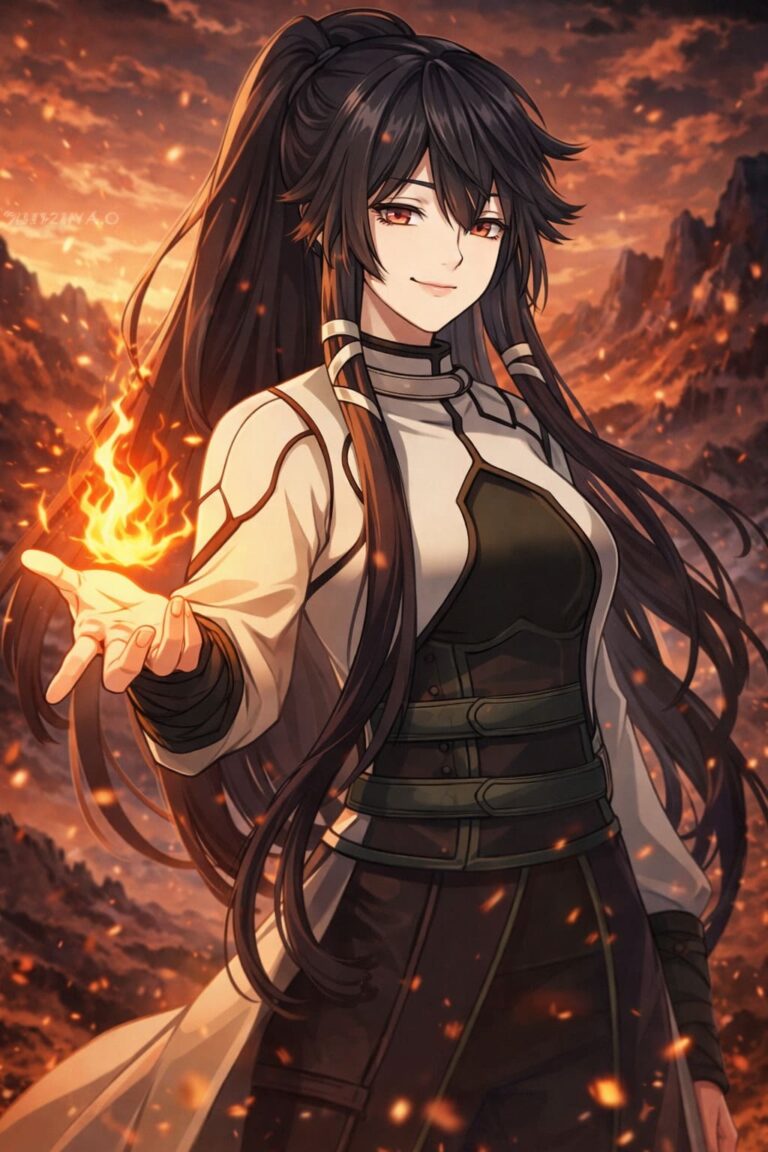
Why Did Hinata Sakaguchi Join Rimuru?
It Feels Like an Indie Game Hidden Inside a Blockbuster Creator’s Catalog
If you know Sorachi from Gintama, you already expect chaos—absurd jokes, sudden emotional punches, and characters that feel like they’re constantly breaking the rules of their own universe. But Dandelion is different. It’s smaller in scale, less polished, and somehow more personal.
Reading it feels like discovering a hidden prototype level in a game you love, where you can see the raw ideas before they became optimized for mass appeal. Tetsuo Tanba and Misaki Kurogane aren’t heroes in the traditional sense. They’re more like underpaid NPCs doing emotional cleanup work in the afterlife, and that’s exactly what makes them interesting.
The Whole “Bike Instead of Wings” Thing Actually Works
Let’s be real—angels riding bicycles sounds like a joke concept. But it’s not played as one. Instead, the bike becomes a core metaphor: progress isn’t effortless, movement requires struggle, and even divine beings have limitations.
In a weird way, it reminded me of stamina systems in games—you don’t just fly through challenges. You have to manage effort, pacing, and direction. And that grounded feeling makes everything more relatable.
The Emotional Hook: It’s All About Regret
Here’s where Dandelion quietly wrecks you. Each mission revolves around a soul that can’t move on. There are no boss fights, no power scaling, just unfinished emotions.
In most shonen stories, conflict comes from external enemies, progression comes through power-ups, and the stakes are often world-ending. In Dandelion, conflict is internal, progression comes from emotional closure, and the stakes are deeply personal. That shift changes everything. You’re not reading to see who wins—you’re reading to see who lets go.
It Has That “Side Quest That Hits Harder Than the Main Story” Energy
If you’ve ever played narrative-heavy games, you know this feeling. You start a random side quest, it seems small, and then suddenly it becomes the most human, grounded story in the entire experience.
That’s Dandelion. There’s no epic war, no grand villain, just moments that feel uncomfortably real: words left unsaid, people left behind, and time running out without warning. It feels closer to emotional storytelling like Angel Beats than to high-concept battles seen in series like Death Note.
The Humor Still Hits—But It’s Different
Don’t worry, Sorachi didn’t forget how to be funny. The comedy here is awkward, physical, and slightly unhinged. A massive angel struggling to ride a bike while being yelled at by a tiny boss shouldn’t work as well as it does, but it absolutely does.
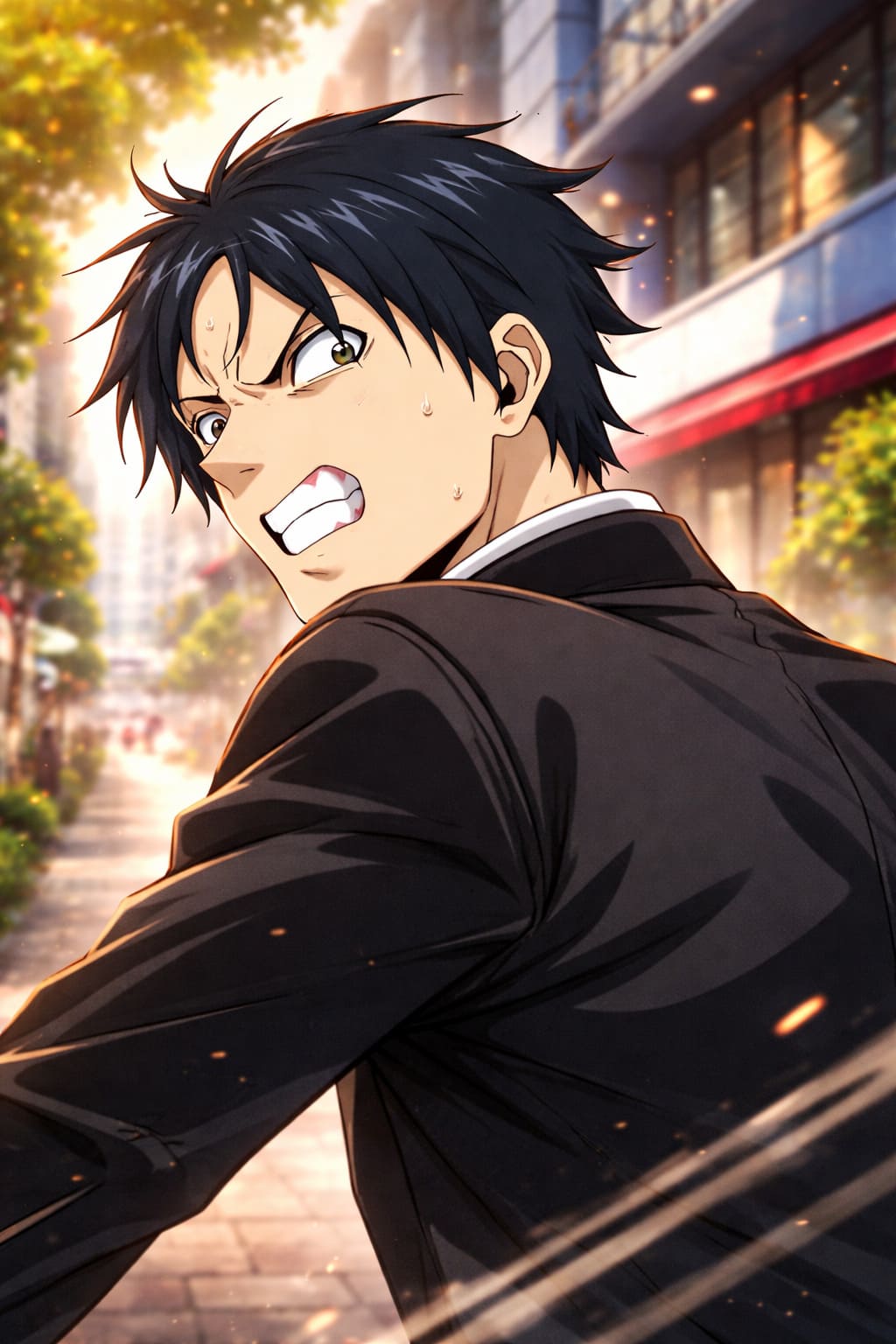
The difference is that the humor doesn’t overshadow the story. It coexists with it, like a game that throws in absurd dialogue right before an emotional cutscene.
You Can See the DNA of Gintama Everywhere
If you’re a Gintama fan, this is basically a developer commentary version of Sorachi’s later work. You’ll notice early versions of that deadpan humor, characters who act tough but are emotionally fragile, and sudden tonal shifts that somehow feel natural.
Tetsuo Tanba especially gives off strong proto-Gintoki energy: a lazy exterior, sharp instincts, and unexpected empathy. It’s like watching a beta version of something that would later become iconic.
Why the Manga Still Beats the Adaptation
Yes, the recent adaptation brought attention back to Dandelion, and visually it’s impressive. But this story works best in manga form. You control the pacing, you sit with moments longer, and the silence between panels actually matters.
In animation, everything moves forward. In manga, you can pause—just like the characters wish they could.
The “Blue-Collar Angel” Concept Is Weirdly Relatable
One of the most interesting ideas in Dandelion is that the afterlife isn’t magical—it’s bureaucratic. There are departments, quotas, and assigned roles. It feels less like heaven and more like a job.
The Send-Off Department isn’t saving the world. They’re just helping people finish what they couldn’t, and that grounded approach makes the story hit harder.
It Doesn’t Overstay Its Welcome
This is something modern manga and even games sometimes struggle with. Dandelion is short, focused, and complete. It doesn’t drag things out or dilute its message.
It delivers one clear emotional arc and then it ends, and that restraint is part of why it works so well.
Final Thoughts: Why It Stayed With Me
I didn’t expect Dandelion to be something I’d think about days later, but it stuck. Not because it’s flashy or complex, but because it understands something simple.
People don’t fear death as much as they fear leaving things unfinished. Instead of turning that into spectacle, this story turns it into quiet moments on a bicycle.
Should You Read It?
If you like story-driven games or manga, appreciate character-focused narratives, and want something short but meaningful, then this is absolutely worth your time.
It’s not trying to be the next big franchise. It’s just a really human story—and sometimes, that’s exactly what you need.