Kill Blue Anime Season 1 Ending vs Manga: Chapter Guide and Rushed Ending Explained
When Kill Blue first got announced as an anime adaptation, a lot of longtime manga readers had the exact same reaction:
“Wait… they’re adapting THIS now? After what happened to the manga?”
And honestly, that confusion never fully disappeared.
Still, against all expectations, the Kill Blue anime turned out to be one of the most entertaining surprises of the Spring 2026 anime season. Studio CUE somehow managed to take Tadatoshi Fujimaki’s weirdest Shonen Jump experiment and polish it into something stylish, funny, emotional, and ridiculously bingeable.
As someone who followed the manga weekly for months, I came into the anime expecting a decent adaptation with solid action scenes. What I didn’t expect was how much better the pacing and presentation would feel compared to parts of the original manga.
At the same time, though, watching Season 1 end also reminded me how frustrating the manga’s final stretch truly was.
And yeah… that wound still hasn’t healed for a lot of fans.
The Anime Finally Made Kill Blue “Click”
On paper, Kill Blue sounds completely absurd.
A 39-year-old elite assassin gets stung by a genetically modified wasp and suddenly wakes up in the body of a middle school kid. Then he’s forced to infiltrate an elite academy while balancing hitman missions, cooking club activities, awkward school drama, and bizarre marriage-proposal battles.
That premise should not work as well as it does.
But Fujimaki’s biggest strength has always been momentum. Even during slower manga chapters, Kill Blue had this chaotic energy that made it impossible to drop completely.
The anime amplified that energy perfectly.
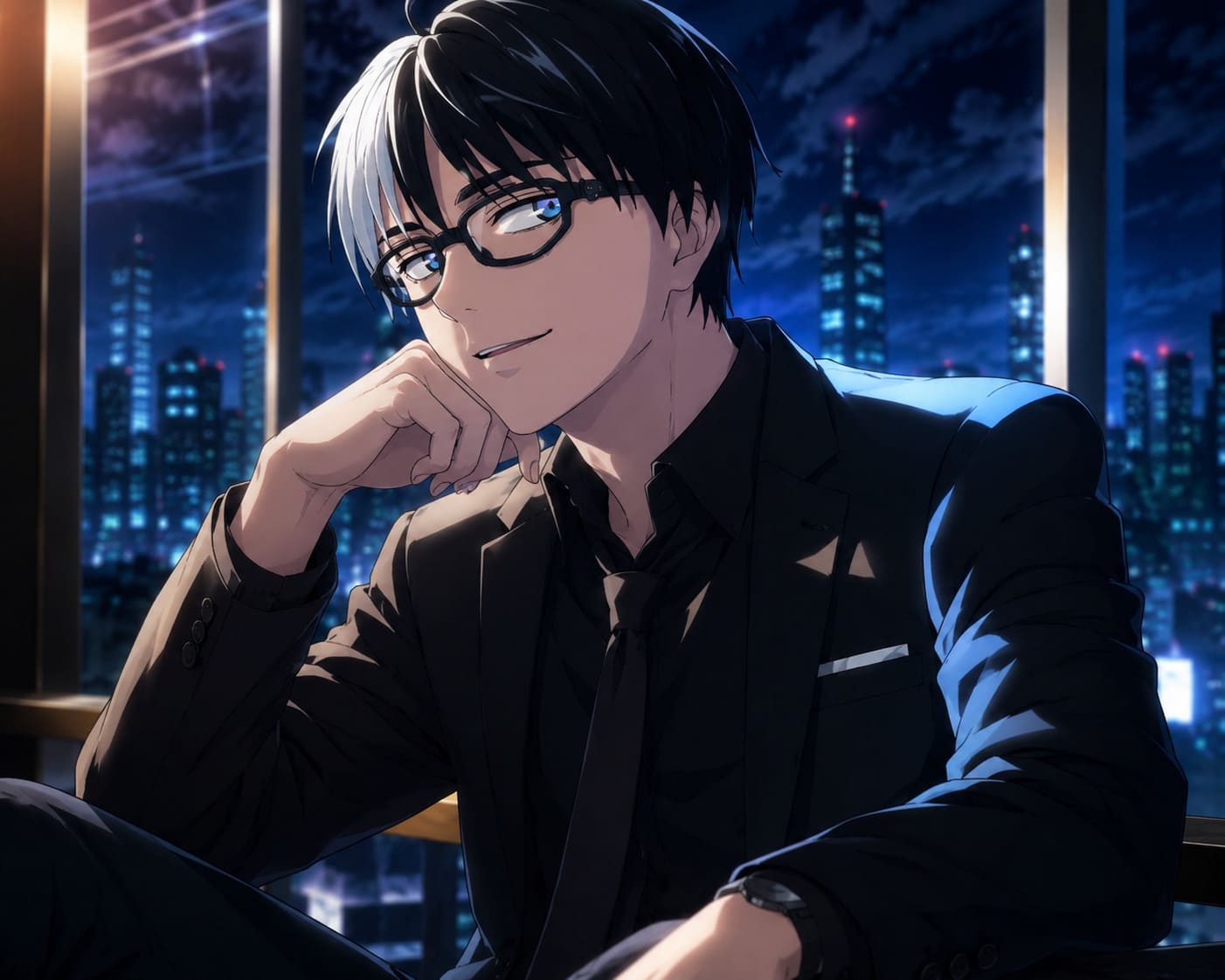
- Juzo’s comedic timing
- The fluid martial arts choreography
- The weird slice-of-life atmosphere
Studio CUE especially nailed those three elements.
In the manga, some school chapters dragged a little during weekly serialization. But animated? Those same scenes suddenly became charming instead of filler.
The Home Economics Club scenes especially benefited from voice acting and pacing adjustments. What felt like “detour chapters” in the manga became some of the anime’s funniest moments.
Where Does Season 1 End in the Manga?
| Anime Content | Manga Equivalent |
|---|---|
| Season 1 Finale | Around Chapter 38 |
| Recommended Starting Point | Chapter 39 |
| Covered Volumes | Roughly Volumes 1–5 |
The anime adapts approximately the first 35–40 chapters while trimming some of the smaller comedic detours.
Honestly, this was probably the smartest decision the staff could’ve made.
The early manga had excellent character chemistry, but Fujimaki also loved throwing in random mini-arcs that slowed the larger conspiracy plot involving Jardin and Mitsuoka Pharmaceuticals.
The anime streamlined that structure heavily.
Instead of feeling like disconnected comedy skits, Season 1 feels like an actual carefully planned narrative.
That’s a huge improvement.
Shin Kohazame in Kill Blue: The Ultimate Guide to the Pacifier Assassin
The Biggest Difference: The Anime Feels More Cohesive
One thing manga readers noticed immediately was how early certain characters appeared in the anime.
Characters that originally debuted much later were teased visually from Episode 1 onward.
That includes:
- Rival assassins
- Student council members
- Future sports rivals
- Corporate antagonists
This sounds minor, but it changes the atmosphere a lot.
The manga sometimes felt like Fujimaki was inventing the world week by week. The anime instead presents the academy as a fully connected ecosystem from the start.
And visually? The adaptation goes hard.
Juzo’s combat scenes were already cool in manga form, but Studio CUE turned them into full cinematic set pieces with dynamic camera movement and absurd speed animation.
Some sequences genuinely felt closer to modern spy-action films than traditional school anime.
The Manga’s Ending Is Still One of Jump’s Most Obvious Axes
Now we get to the painful part.
If you only watched the anime, you probably think Kill Blue is setting up years of story development.
Unfortunately… the manga never got that chance.
The series ended at Chapter 115, and almost nobody in the fandom believes it ended naturally.
The signs were all there:
- Declining volume sales
- Lower Table of Contents rankings
- Sudden pacing acceleration
- Plot threads getting skipped
- Character arcs collapsing into rushed exposition
What made the situation even stranger was the timing.
The anime adaptation was officially announced almost simultaneously with the manga’s conclusion. That created massive confusion online because fans were watching a polished high-budget anime while readers knew the source material had already been forced into emergency ending mode.
And the final arc absolutely suffered because of it.
Juzo’s Character Arc Deserved Better
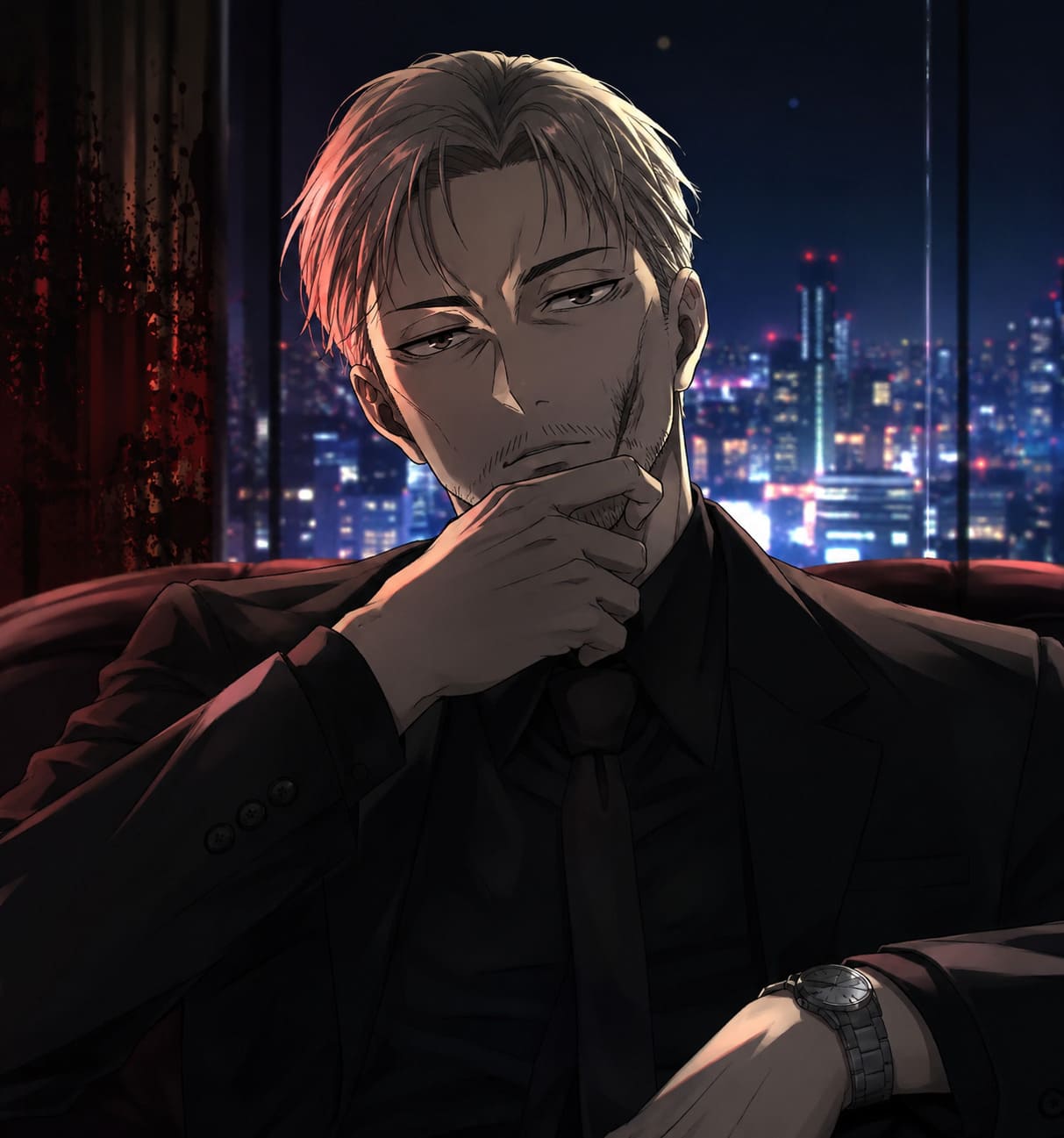
The hardest part about the manga’s rushed finale wasn’t the action.
It was the emotional payoff.
Over more than 100 chapters, Juzo slowly evolves from a detached killing machine into someone rediscovering normal human life for the first time.
He learns:
- Friendship
- Responsibility
- Emotional vulnerability
- Genuine care for others
The school setting wasn’t just comedy filler. It was literally the core of his rehabilitation as a person.
That’s why the ending frustrated so many readers.
Instead of fully confronting those emotional themes, the manga suddenly pushes Juzo away from the school environment before properly resolving his relationships or internal growth.
It feels less like an ending and more like someone pulled the emergency brake on the entire story.
And unfortunately, you can feel editorial pressure all over those final chapters.
The Anime Has a Rare Opportunity Right Now
This is where things get interesting.
Because Season 1 only adapts the strongest portion of the manga, the anime staff now sits in a surprisingly powerful position.
They can:
| Option | Potential Outcome |
|---|---|
| Follow manga exactly | Risk repeating the rushed collapse |
| Expand the existing arcs | Improve pacing dramatically |
| Create anime-original material | Potentially fix the ending entirely |
And honestly?
I think there’s a real chance they’ll change things.
Anime-original endings used to scare fans years ago, but modern studios have gotten much better at restructuring incomplete or troubled source material.
If streaming numbers stay strong, Studio CUE could absolutely rebuild the weaker second half into something far more satisfying.
The foundation is already there.
The characters work. The humor works. The action works.
The only thing Kill Blue truly lacked was time.
Final Thoughts
Despite all its flaws, Kill Blue remains one of the strangest and most memorable Shonen Jump series of the last few years.
It’s messy. It’s chaotic. Sometimes it’s incredibly awkward.
But it also has heart.
The anime adaptation reminded a lot of former manga readers why they fell in love with the series in the first place. Studio CUE didn’t just adapt the manga panel-for-panel — they refined it, tightened it, and in several areas genuinely improved it.
If you just finished Season 1, jumping into Chapter 39 is absolutely worth it.
Just be prepared.
The ride is fantastic for a long time… but the manga’s ending still feels like a story that never got the conclusion it truly deserved.