Beastars Finale Unpacked: Anime vs. Manga – What Fans Need to Know
The conclusion of Beastars has officially arrived, and the reactions? Let’s just say they’re as mixed as a Shishigumi gang brawl. Studio Orange’s anime adaptation has landed on Netflix, closing the curtain on Legoshi, Haru, and the intricate world of anthropomorphic society.
But if you’ve been following the manga for years—or just binged the final anime season—the differences between the two endings are striking, sometimes frustrating, and always conversation-worthy.
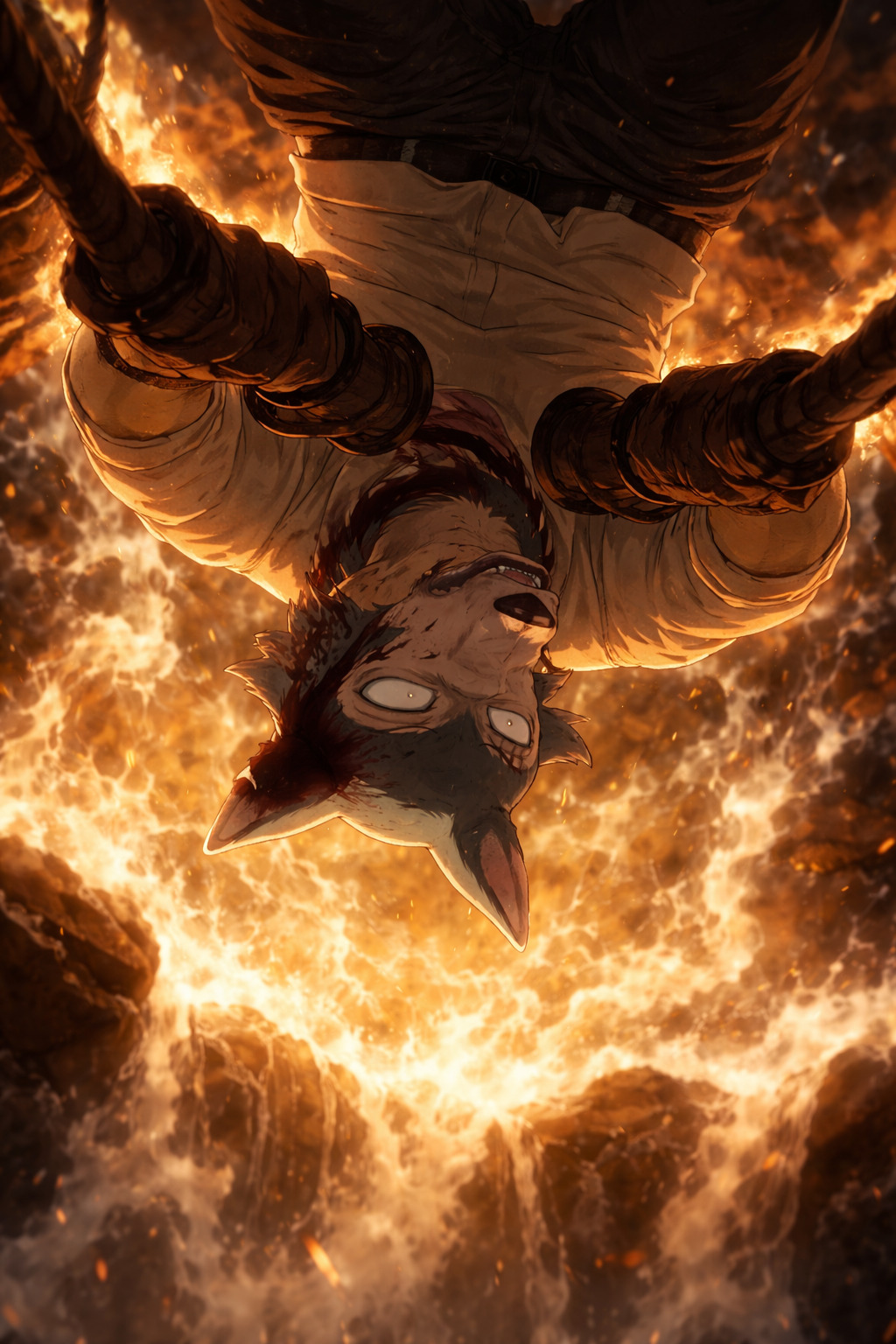
As someone who’s loved this series since the first melancholic hum of Legoshi’s internal struggle, I felt compelled to dive into what the anime did right, what it sacrificed, and why the manga remains an indispensable experience for fans craving the full story.
1. Legoshi and Haru: The Heart of Beastars
At the core, both the anime and manga reach a similar destination: Legoshi and Haru end up together. But the way they get there diverges in tone and detail.
Manga Ending: In the original manga, the final chapters focus on a delicate, heartfelt conversation. Haru expresses her fears about their future, acknowledging the uncertainties of loving a wolf in a world that’s harsh and judgmental. Legoshi reassures her, and together, they agree to marry once they’ve grown individually. It’s slow, careful, and emotionally resonant—the kind of scene that feels like a reward after years of tension.
Anime Ending: The anime, constrained by time, condenses this crucial moment into a brief exchange—literally tucked into a “tiny corner of the screen” during the credits. While the essence remains, many fans on Reddit and YouTube felt it stripped the scene of emotional weight. You still get closure, but it’s more like a snapshot than a slow, breathing moment of connection.
2. Major Manga Cuts: Subplots and Symbolism
Studio Orange made tough choices to wrap up the series in a season, but some cuts left fans scratching their heads.
White Legoshi Transformation
- Manga: After the brutal fight with Melon, Legoshi’s fur turns entirely white—a visual metaphor for shedding his old self and embracing his growth.
- Anime: This transformation was mostly skipped, disappointing fans who saw it as the symbolic peak of Legoshi’s journey.
Kyuu and Chimera Training
- Manga: Kyuu, a former livestock rabbit, trains Legoshi to summon a “Chimera”—a manifestation of his fighting spirit reminiscent of a JoJo Stand. This subplot deepens Legoshi’s understanding of his own strength and his evolving perspective on rabbits.
- Anime: Kyuu’s storyline disappears entirely. Some fans are relieved the anime avoided “Stand-like powers,” but others feel this removed an essential layer of Legoshi’s growth.
3. Louis and Juno: Bittersweet Choices
The love triangle—or square, depending on how you count Oguma—has long been a source of debate. Here’s how the fates differ:
| Character | Manga Ending | Anime Ending |
|---|---|---|
| Louis | Marries Azuki to honor his duty as CEO of Horns Conglomerate. Personal growth is gradual. | Similar path, but the anime emphasizes his development more visually. |
| Juno | Heartbreakingly accepts Louis will never choose her over duty. | Breakup is more abrupt; fans felt it undercuts her character arc. |
| Oguma | Dies off-screen in a car accident. | Lives, giving Louis the freedom to grow and eventually succeed him. |
The treatment of these secondary characters is telling: the manga leans into nuance, while the anime streamlines for pacing.
4. The Climactic Showdown: Melon vs. Legoshi
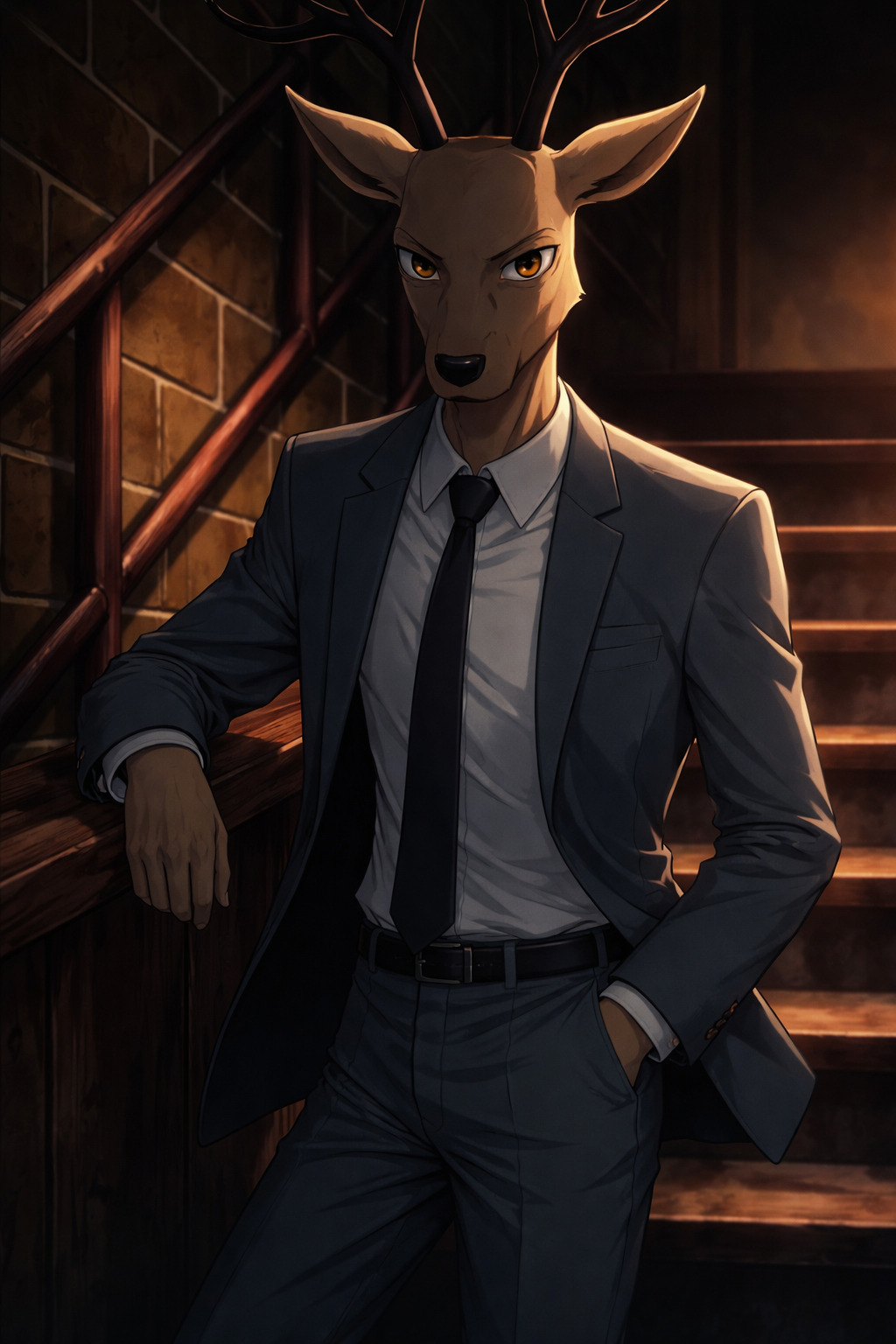
For many fans, the final battle is the pinnacle of tension and artistry. Yet, the anime and manga handle it very differently.
Manga: The Turf War is chaotic, sprawling, and involves multiple gangs. There’s even a bizarre “quiz” on bloodlines and history mid-fight. It’s frenetic, and some readers felt it rushed or confusing—but it’s also rich with thematic layers about predator-prey dynamics and gang hierarchies.
Anime: Studio Orange streamlined the fight into a cleaner, more cinematic duel between Legoshi and Melon. Many fans argue it’s more satisfying to watch—the emotions and stakes are clearer, and Melon’s comeuppance hits harder visually.
5. Why the Ending Divides Fans
Both versions face pacing and structural criticism, but for different reasons:
- Manga: Paru Itagaki reportedly had miscommunications with her publisher, resulting in a “chapter-by-chapter improvisation” feel in the final arc. Some moments are emotionally brilliant, others feel hasty or uneven.
- Anime: Condensing nearly 100 manga chapters into a handful of episodes inevitably caused moments to feel rushed. Montage sequences sometimes replace nuanced conversation, leaving hardcore fans longing for more.
6. Which Version Should You Experience?
If you want the full, unfiltered character arcs and hidden subplots, the manga is non-negotiable. It’s messy at times, but that messiness adds texture and realism to the world—it’s chaotic like the society Itagaki builds.
If your priority is stunning animation and streamlined action, the anime delivers a polished, emotionally coherent visual spectacle. Studio Orange’s adaptation brings the fights and character expressions to life in a way static panels can’t match.
Personally? I recommend experiencing both. Watch the anime for the visual impact, then read the manga to savor the deeper emotional beats you may have missed.
Quick Summary: What Changes Stand Out
- Legoshi’s fur turning white – visual symbol largely skipped in anime
- Kyuu’s Chimera training – removed, affecting Legoshi’s internal growth
- Louis & Juno arcs – anime is more abrupt, manga gives nuanced closure
- Final battle – manga is chaotic, anime is cinematic
- Oguma’s fate – manga kills him off, anime keeps him alive
Final Thoughts
The Beastars finale, whether through manga panels or anime frames, reminds us why this story captivated us: it’s more than predator-prey drama—it’s about identity, morality, and love in an imperfect world.
While some anime fans feel shortchanged by condensed storytelling, the series still lands a satisfying emotional punch. The manga, meanwhile, remains a must-read for anyone who wants to truly live inside this universe.