Re:ZERO Season 4 Part 2: How Does Subaru Get His Memories Back?
When I first reached the memory loss storyline in Re:ZERO – Starting Life in Another World, I honestly thought Tappei Nagatsuki had written himself into a corner. Subaru had survived countless impossible situations before, but taking away his entire identity felt different. It wasn’t another painful death or another brutal loop—it was the complete destruction of the person we had watched grow over several seasons.
After following the series for years, I still believe the Pleiades Watchtower Arc is one of the greatest pieces of character writing in modern anime. What makes it so memorable isn’t simply that Subaru gets his memories back. It’s how he earns them again, and why the process changes both him and the audience forever.
If you’re wondering exactly how Subaru regains his memories in Re:ZERO Season 4 Part 2, here’s a detailed breakdown of what really happens and why this storyline stands out from typical isekai storytelling.
Subaru Doesn’t Simply Forget—He Loses Himself
Memory loss is a common anime trope, but Re:ZERO approaches it from a completely different angle.
Inside the mysterious Pleiades Watchtower, Subaru encounters the strange Books of the Dead stored within the Taygeta Library. These books preserve the complete lives of people who have already died, allowing anyone who reads one to relive those memories firsthand.
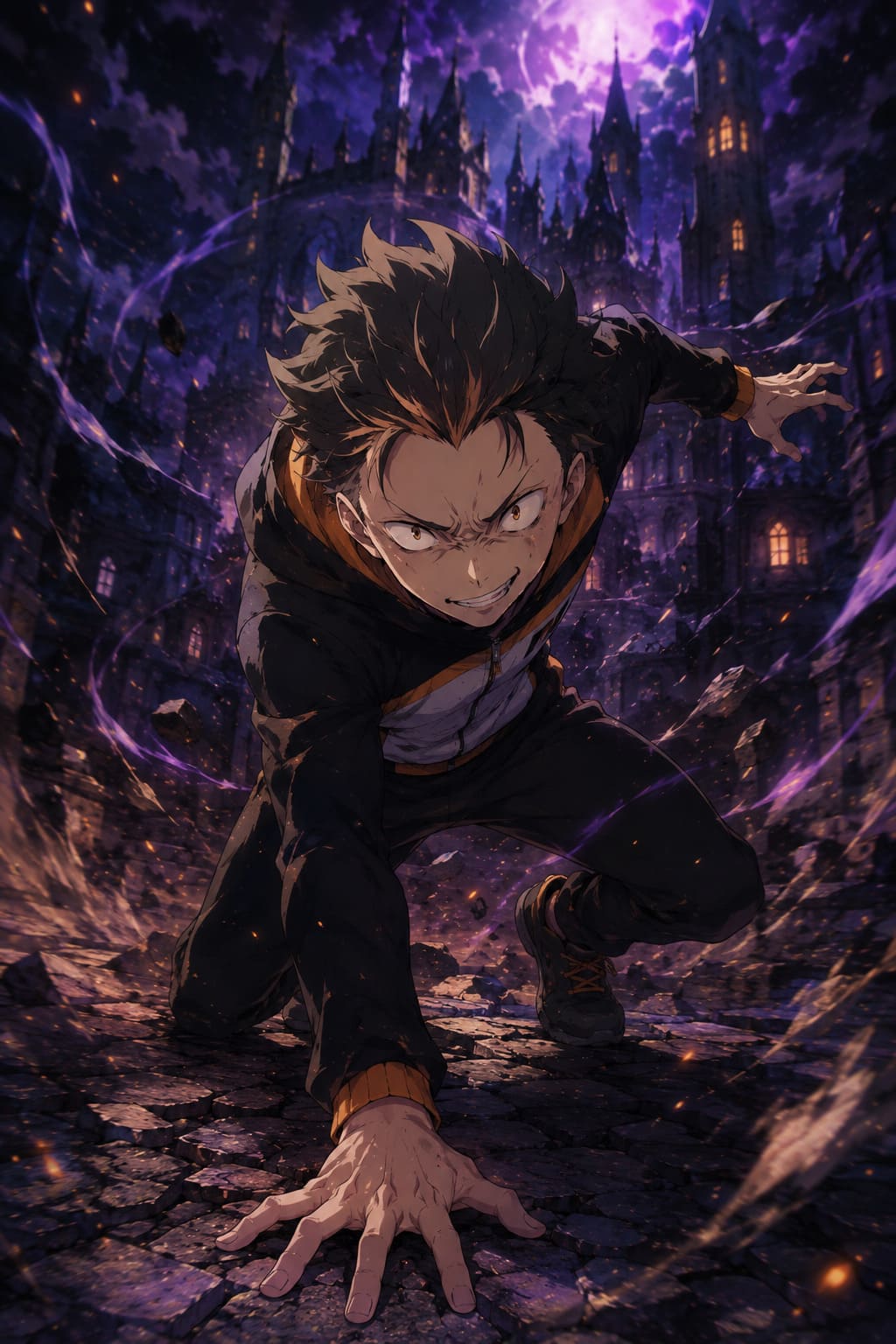
Instead of finding answers, Subaru becomes trapped inside the mysterious Corridor of Memories, where he encounters Louis Arneb, one of the Sin Archbishops representing Gluttony.
Unlike her brothers, Louis cannot freely exist in the physical world. Rather than attacking Subaru directly, she targets the one thing that truly defines him—his memories.
The result is devastating.
- Emilia disappears from Subaru’s mind.
- Beatrice becomes a stranger.
- Rem means nothing to him.
- His companions lose their emotional connection.
- His sacrifices are forgotten.
- Even the strength he built through suffering vanishes.
He’s technically still Subaru Natsuki—but emotionally, mentally, and psychologically, he’s a completely different person.
That contrast is exactly what makes this arc so uncomfortable to watch.
The Hidden Meaning Behind the Books of the Dead
One of my favorite ideas in the entire series appears once Subaru begins exploring the library again.
Normally, living people shouldn’t have a Book of the Dead.
Subaru is the lone exception.
Because of Return by Death, every failed timeline leaves behind another version of Subaru that genuinely died. Each of those deaths becomes another record stored inside the library.
When Subaru discovers shelf after shelf labeled with his own name, it’s one of the biggest shocking moments in Re:ZERO.
Instead of finding a cure, he realizes something horrifying.
The only way to become himself again is to relive every nightmare he already escaped.
Subaru Rebuilds Himself One Death at a Time
This is the part that impressed me most.
Rather than defeating a villain and instantly restoring his memories, Subaru actively chooses to experience every painful moment again.
Reading his own Books of the Dead forces him to witness:
| Memory | Importance |
|---|---|
| Repeated deaths | Shows the amount of pain Subaru endured. |
| Failures | Explains how he became mentally stronger. |
| Victories | Reminds him why people trust him. |
| Relationships | Restores his feelings toward Emilia, Beatrice, and his friends. |
Watching Subaru willingly reopen psychological wounds that nearly destroyed him the first time is far more powerful than any action sequence.
In many ways, Subaru isn’t recovering memories.
He’s choosing his identity again.
The Ship of Theseus Question Changes Everything
One reason anime fans still debate this arc is the philosophical question hiding underneath it.
After rebuilding himself from memories left behind by previous versions of Subaru, who actually exists now?
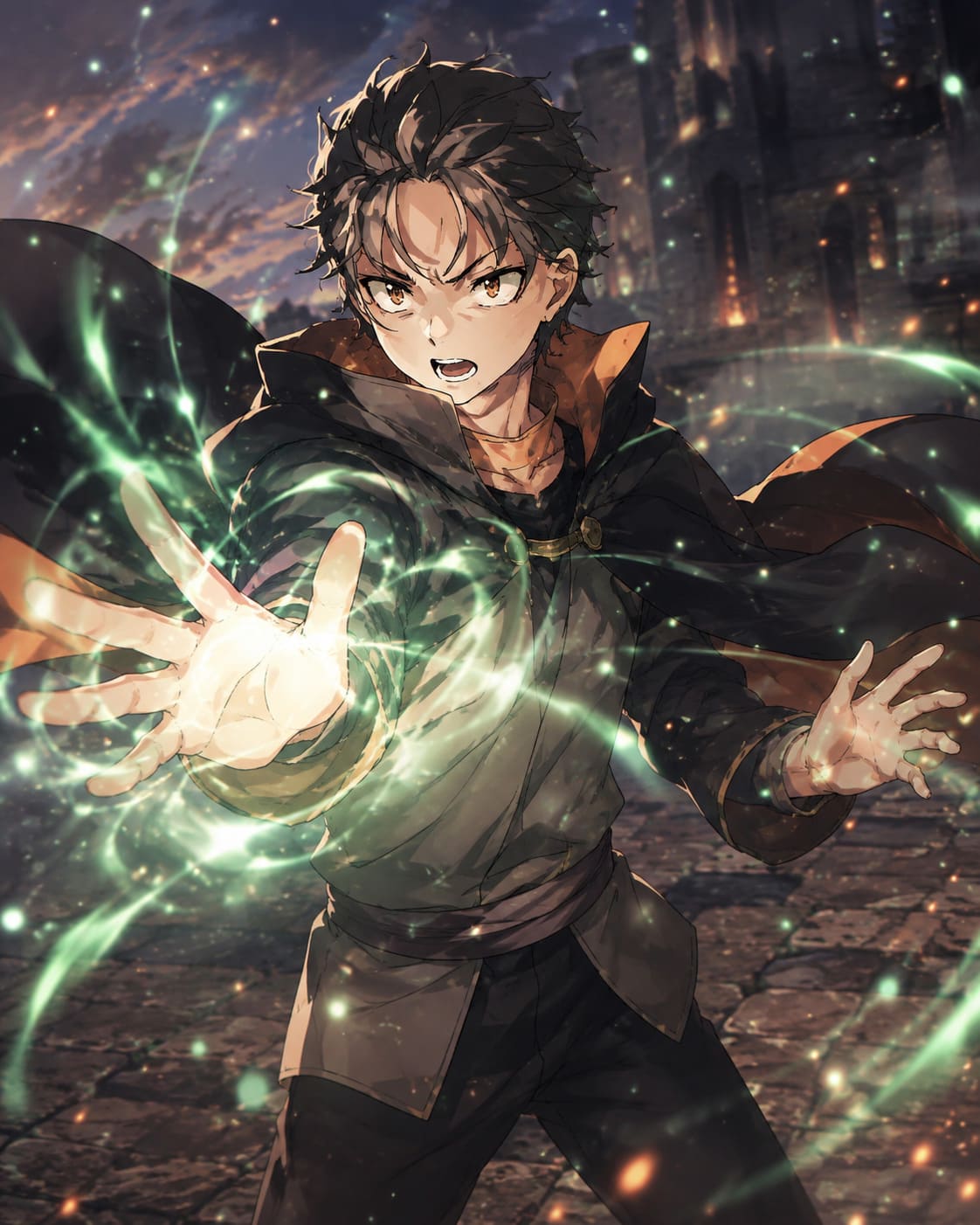
- The original Subaru?
- A copy carrying identical memories?
- Someone entirely new?
I love that Re:ZERO never gives a simplistic answer.
Instead, it suggests that identity isn’t created by uninterrupted memories.
Identity is created by the choices we continue making.
Amnesiac Subaru eventually decides that even if those memories belong to another version of himself, he’ll still carry them because they represent the people he wants to protect.
That decision matters more than whether he’s technically “the original.”
The Final Battle Happens Inside Subaru’s Mind
The emotional climax doesn’t begin with swords or magic.
It begins inside the Corridor of Memories.
Here Subaru confronts the fragment of himself trapped by Louis Arneb.
Rather than competing against each other, both versions finally understand what the other represents.
The frightened teenager recognizes why the older Subaru kept moving forward despite endless suffering.
The experienced Subaru recognizes the fear and vulnerability he once carried before all those painful experiences changed him.
Eventually both halves become whole again.
The reunion feels earned because Subaru doesn’t magically become brave.
He simply remembers why he refused to give up.
Louis Arneb’s Biggest Mistake
There’s a cruel irony that makes this storyline incredibly satisfying.
Louis wanted Subaru’s memories because she believed his life must have been extraordinary.
From her perspective, Subaru always defeated impossible enemies.
She assumed he possessed the perfect existence.
Instead she unknowingly inherited something far worse.
Once Subaru’s memories fully reconnect, Louis experiences the emotional weight of:
- Every violent death.
- Every failed timeline.
- Every broken promise.
- Every overwhelming fear.
- Every desperate Return by Death.
Unlike Subaru, she has no emotional resilience built from surviving those experiences.
The trauma crushes her almost instantly.
Personally, I think this is one of the smartest examples of poetic justice in the series.
Louis wasn’t defeated because someone overpowered her.
She lost because she completely misunderstood what Subaru’s “power” actually cost.
Hero Organization Chapter 67 Release Date, Predictions, and Definitive Chapter 66 Master Analysis
Why This Arc Elevated Subaru Above Most Isekai Protagonists
Many isekai heroes become stronger through new abilities.
Subaru becomes stronger because he repeatedly chooses to stand back up after experiencing things that would completely break an ordinary person.
The memory loss storyline reminds viewers of something easy to forget after several seasons:
Subaru is still just an ordinary teenager.
- He fears pain.
- He fears dying.
- He doubts himself constantly.
The difference is that he keeps moving anyway.
That decision carries far more emotional weight than another flashy transformation or hidden power-up ever could.
Final Thoughts
As someone who has followed Re:ZERO for years, I genuinely think the memory recovery storyline represents the series at its absolute best.
Instead of relying on spectacle, the story turns inward and asks one difficult question:
If every painful memory disappeared tomorrow, would you still choose to become the same person again?
Subaru answers that question without hesitation.
He willingly accepts every terrifying death, every emotional scar, and every heartbreaking failure because those experiences allowed him to meet the people he now considers family.
By the time Re:ZERO Season 4 Part 2 moves into the Recapture Arc, Subaru isn’t simply stronger because his memories returned. He’s stronger because he consciously chose to carry the unbearable weight of his past once again.
For me, that’s what separates Re:ZERO from most modern isekai. It isn’t a story about becoming the strongest hero. It’s about becoming someone who refuses to abandon the people they love, even when remembering them hurts more than forgetting ever could.