The Beginning After the End Season 3 Main Villains
When people first start watching or reading The Beginning After the End, they usually expect another entertaining isekai adventure with magic schools, tournaments, and an overpowered protagonist slowly climbing to the top. And honestly, the early arcs do have that vibe. But Season 3 changes everything.
This is the point where TBATE stops feeling like a classic fantasy story and turns into something much darker, heavier, and emotionally brutal. The world of Dicathen suddenly feels fragile. Characters begin making impossible choices, friendships collapse, kingdoms betray each other, and Arthur Leywin realizes strength alone is nowhere near enough to save the people around him.
What makes this arc so memorable isn’t just the action — it’s the villains. Every major antagonist in Season 3 feels important, layered, and dangerous in completely different ways. Some are monsters. Some are broken people. And some are allies who quietly become worse than enemies.
Agrona Vritra — The Mastermind Behind the War
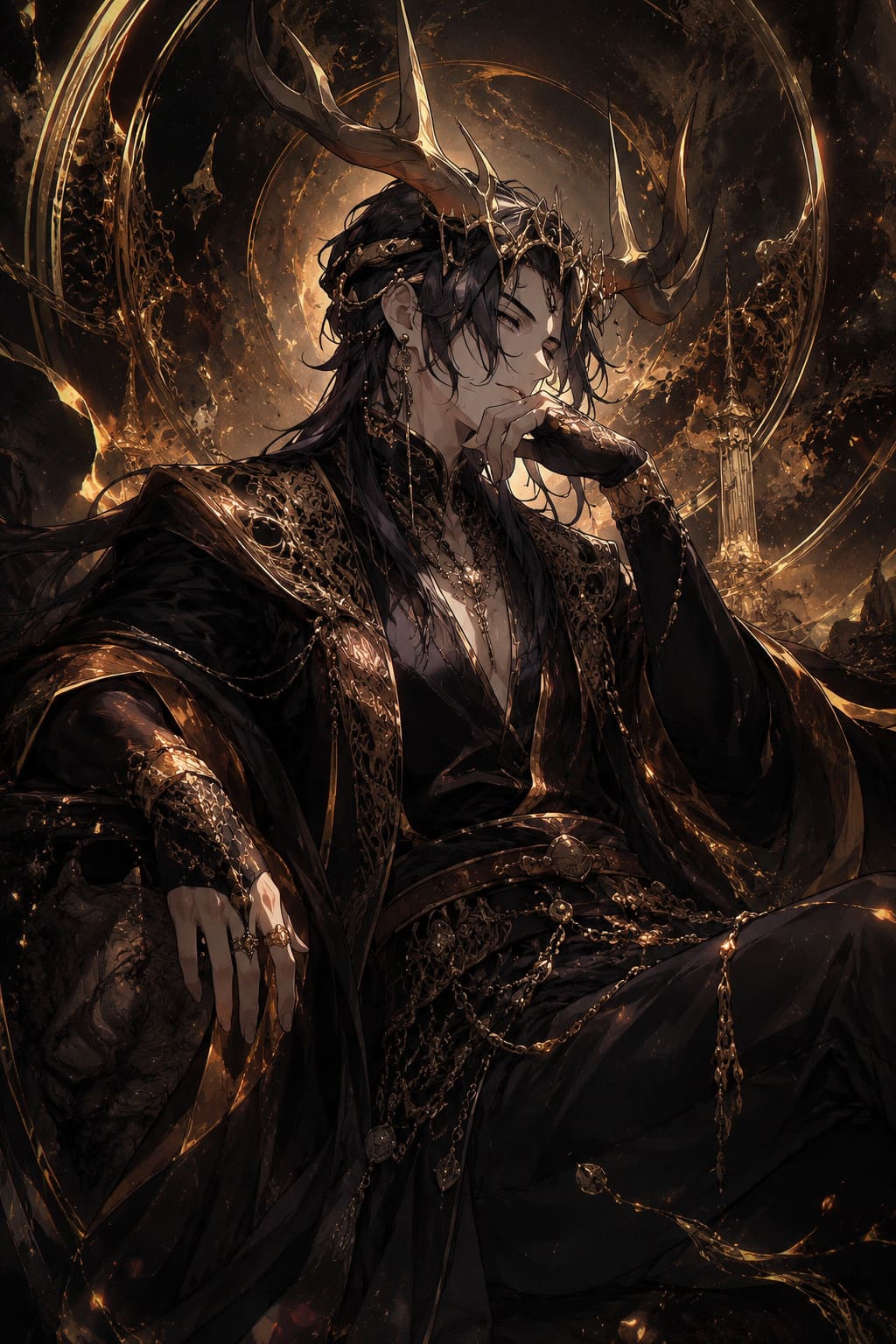
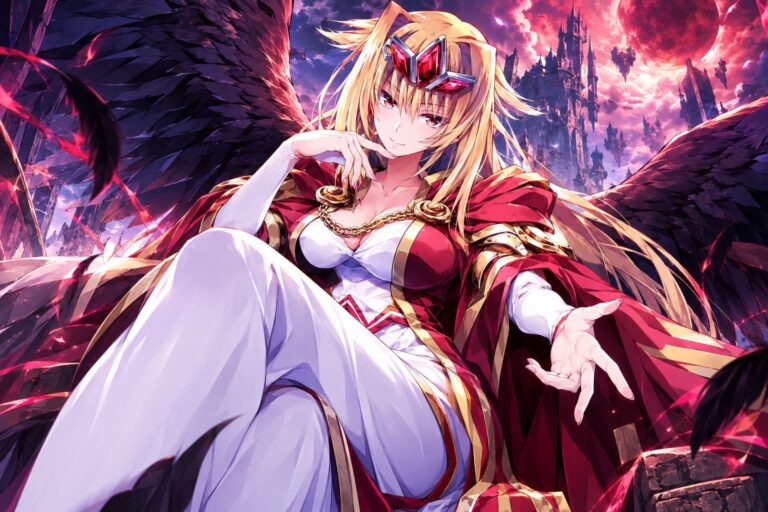
At the center of the chaos stands Agrona Vritra, easily one of the most fascinating antagonists in modern fantasy web fiction.
Unlike typical villains who rely purely on raw power, Agrona feels terrifying because of his intelligence and patience. Everything happening in Dicathen during Season 3 is part of a plan he spent centuries preparing. Every invasion, every betrayal, every manipulation — none of it is accidental.
What I personally love about Agrona as a villain is that he rarely needs to scream or flex his power to dominate a scene. His calmness is what makes him intimidating. Even when he speaks through other people or manipulates events from afar, you can feel the pressure he puts on Arthur and the entire continent.
Instead of acting like a cartoon villain obsessed with destruction, Agrona genuinely believes he is fighting against a corrupt system controlled by the Asuras. That moral ambiguity makes TBATE much more interesting than many fantasy series where evil exists simply for the sake of evil.
Why Agrona Works So Well
- He attacks psychologically, not only physically
- His long-term planning feels believable
- He manipulates people instead of simply overpowering them
- His goals are morally complex rather than purely evil
By the time Season 3 reaches full-scale war, Agrona already feels like a threat far beyond anything Arthur has ever faced.
Nico Sever — The Most Tragic Villain in TBATE
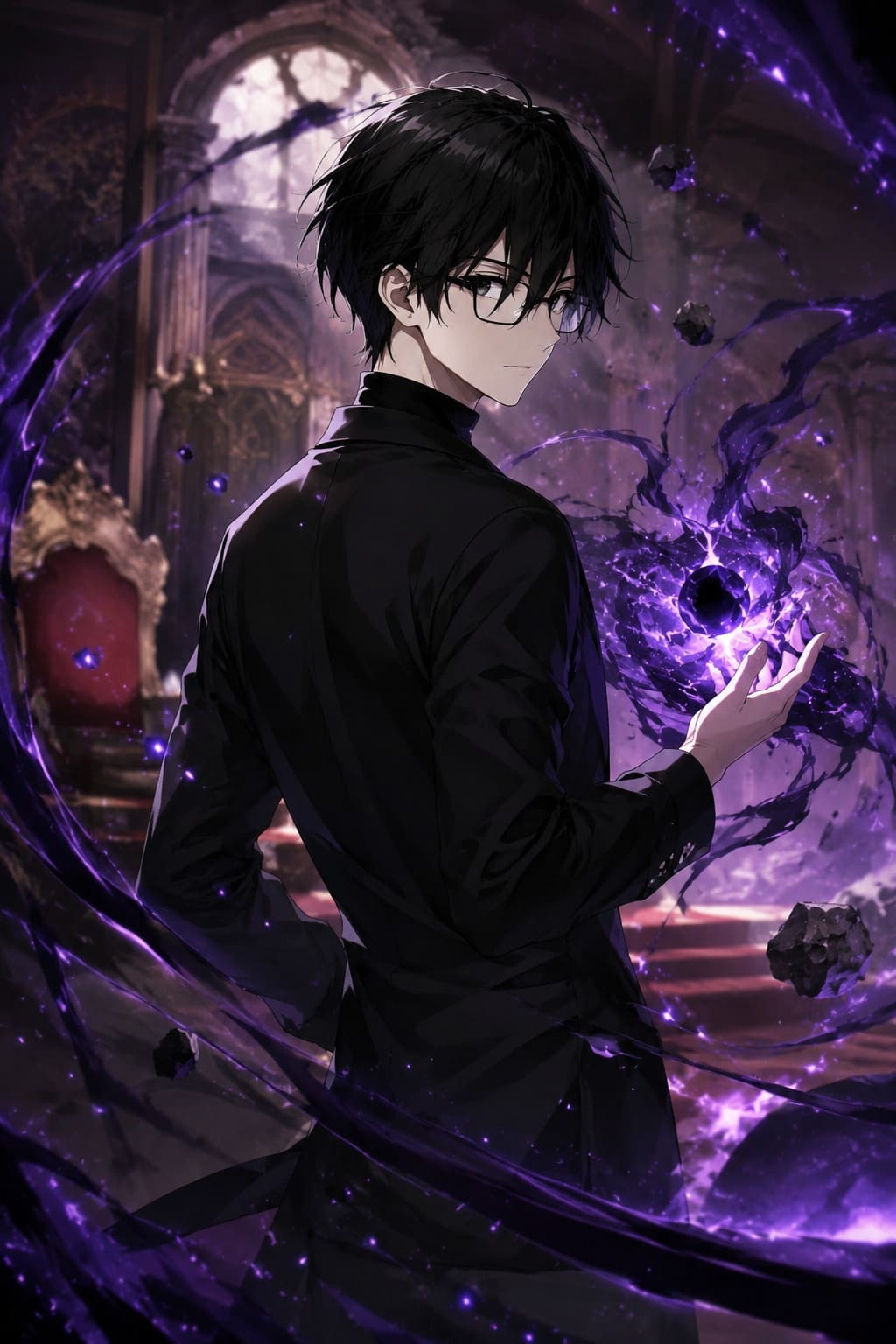
If Agrona represents strategic evil, then Nico Sever represents emotional tragedy.
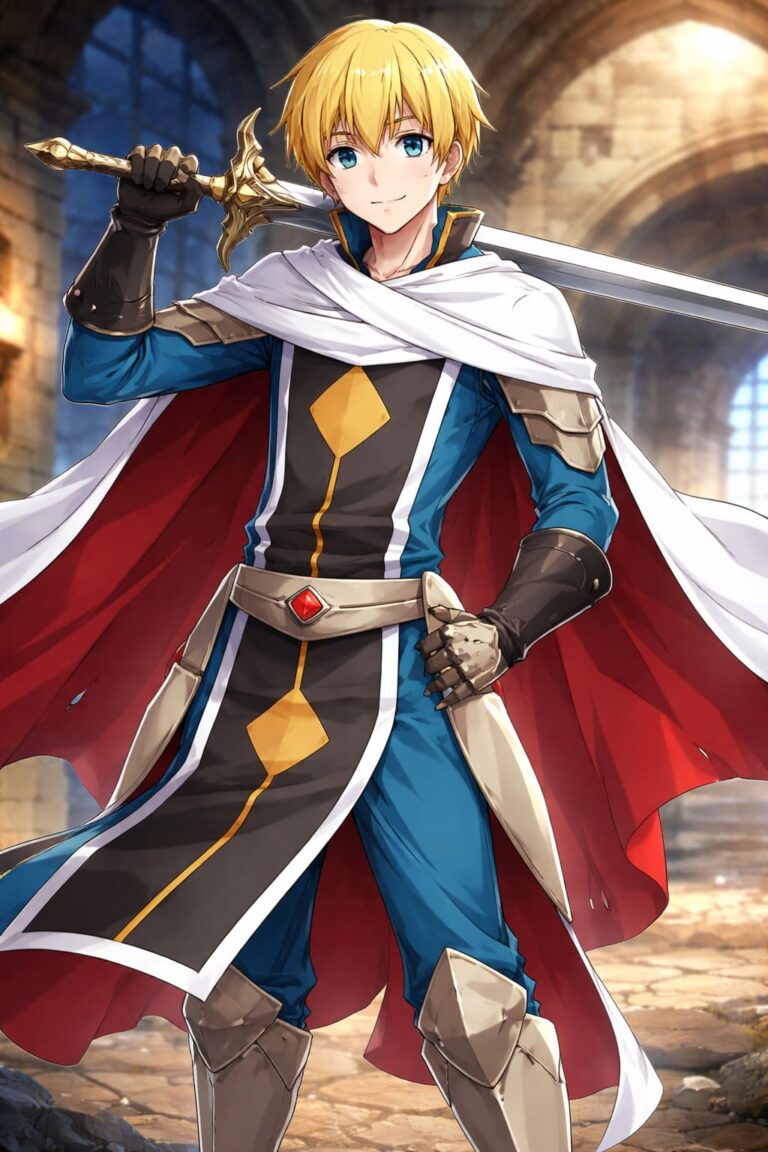
The reveal that Elijah Knight was actually Nico all along completely changes the emotional weight of the story. Earlier in the series, Elijah felt awkward but loyal — the kind of friend who always stayed by Arthur’s side even when things got dangerous. Seeing that friendship collapse is honestly one of the hardest moments in the series.
What makes Nico compelling is that, from his perspective, his hatred actually makes sense.
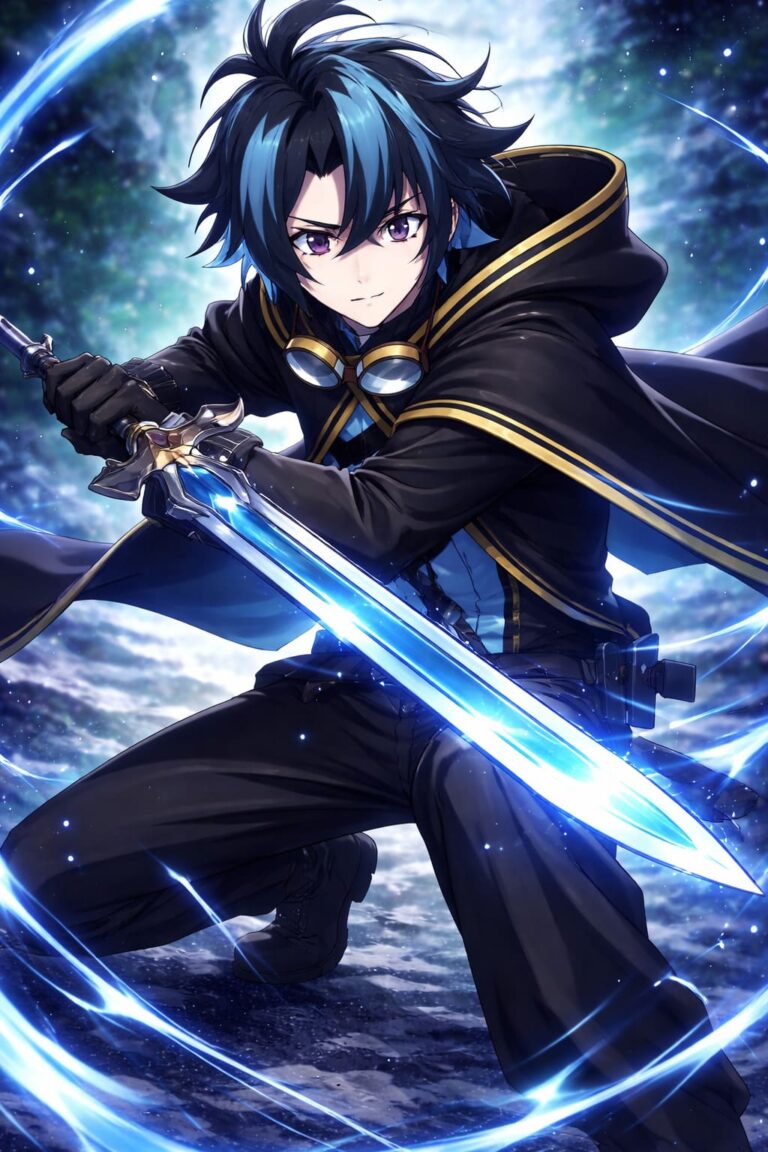
Because of manipulated memories and unresolved trauma from their previous life, Nico believes Arthur — formerly King Grey — destroyed the person he loved most. That pain turns him into someone consumed by revenge.
And unlike many revenge-driven anime villains, Nico never feels one-dimensional. Underneath the anger is someone emotionally shattered, manipulated by Agrona, and unable to let go of the past.
| Character | Main Motivation | Why He’s Dangerous |
|---|---|---|
| Agrona Vritra | Revolution against the Asuras | Manipulation and strategy |
| Nico Sever | Revenge and grief | Emotional instability and obsession |
| Uto | Pure cruelty | Brutal combat power |
| Cadell | Loyalty to Alacrya | Elite battlefield dominance |
Arthur’s conflict with Nico works so well because it isn’t just a physical fight. It feels personal, uncomfortable, and deeply tragic.
Uto and the Scythes — When the Power Scale Completely Changes
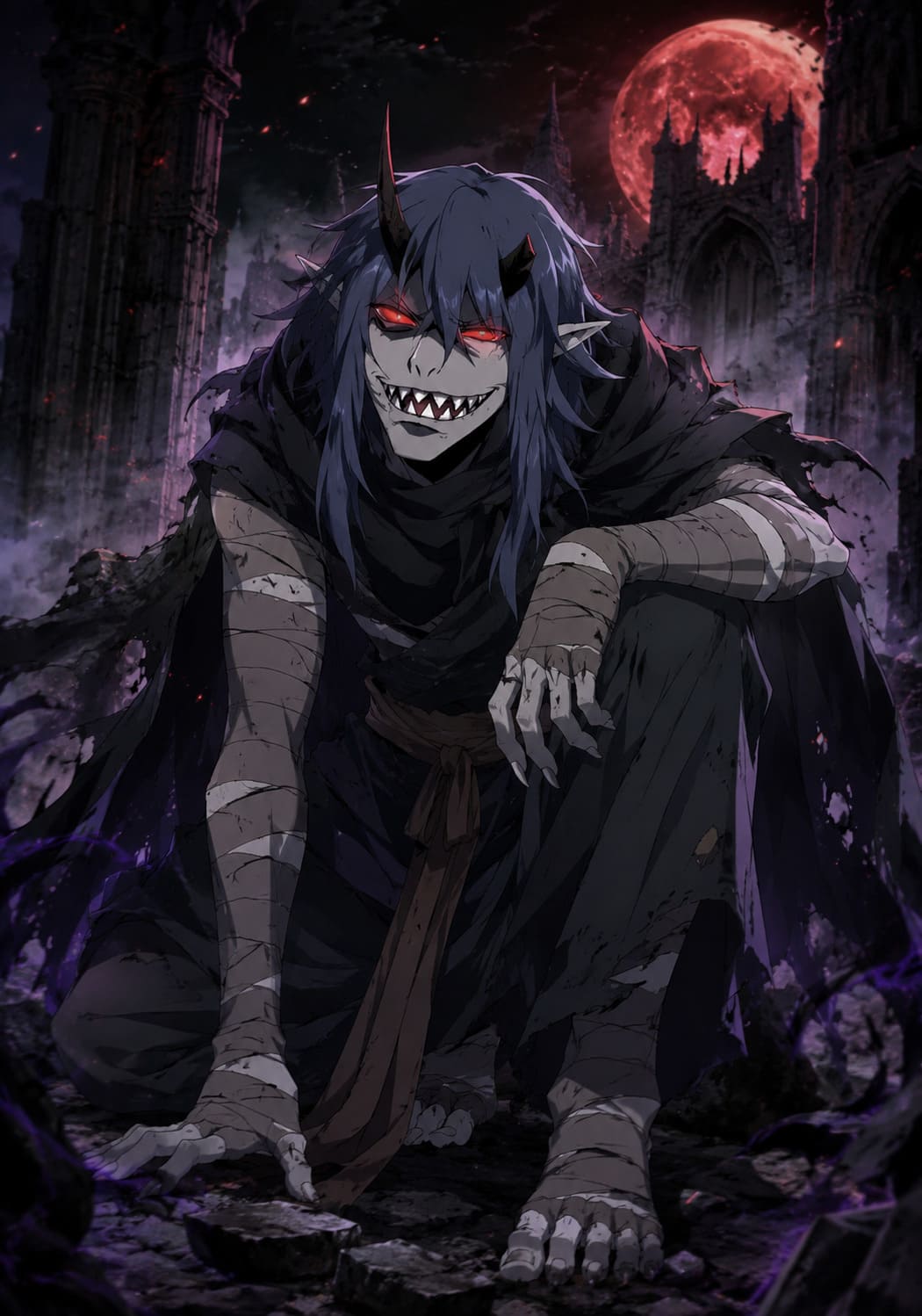
Season 3 also introduces one of the scariest realities in TBATE: Dicathen’s strongest warriors are no longer enough.
That realization comes largely because of characters like Uto and the Scythes.
Before this point, Arthur usually finds a way to overcome his enemies through talent, training, or determination. But the Vritra retainers completely destroy that illusion. Uto especially feels horrifying because of how casually he overwhelms experienced fighters.
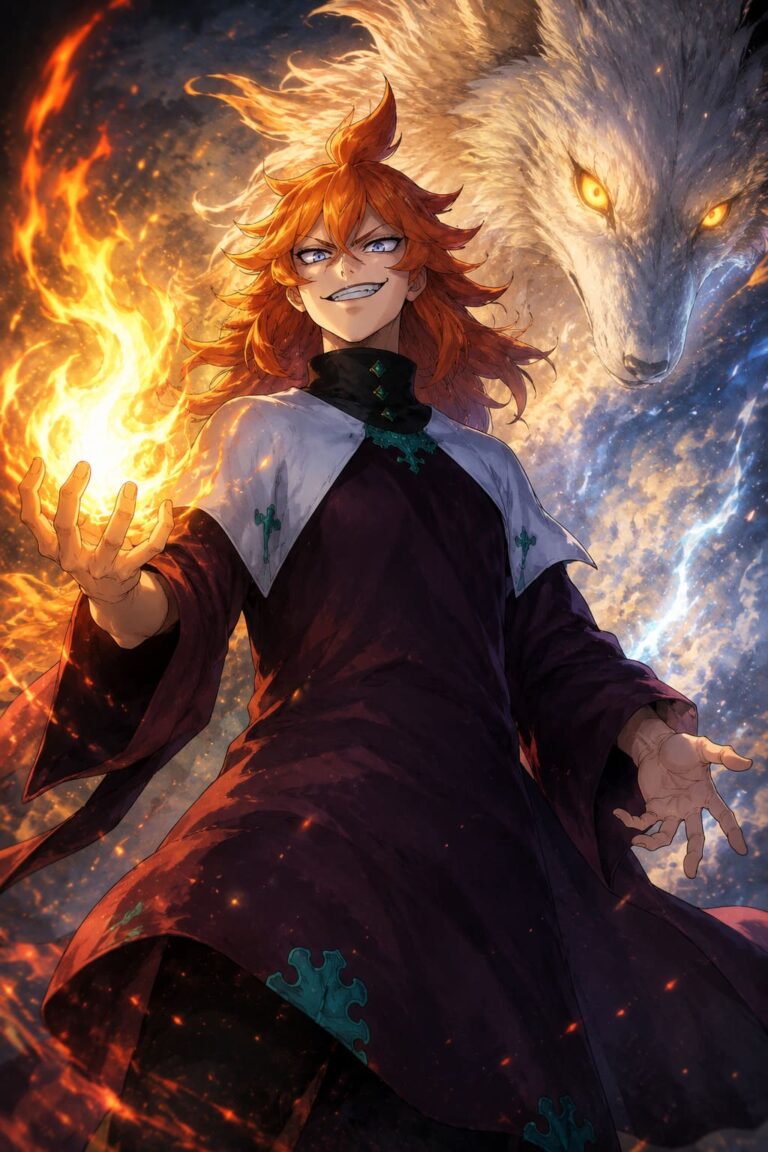
His shadow-based abilities and brutal personality create some of the darkest moments in the arc. Unlike strategic villains like Agrona, Uto enjoys suffering. He enjoys fear. And that unpredictability makes every appearance feel dangerous.
Then there’s Cadell, whose presence alone changes the atmosphere of every battle. The Scythes represent a level of power far beyond what Dicathen was prepared for.
This is where TBATE starts feeling less like a fantasy adventure and more like a war story where survival itself becomes uncertain.
The Beginning After the End Season 3: Elijah Knight’s Shocking Role and Dark Lore Explained
The Most Realistic Villains: Betrayal Inside Dicathen
One thing I think TBATE does better than many fantasy series is showing how kingdoms often collapse from internal corruption before outside enemies even arrive.
The betrayal from the Greysund family hits especially hard because it feels realistic. Fear, greed, and political survival become more important than loyalty.
Lucas Wykes is another example of a smaller-scale villain who still leaves a huge impact on the story. He isn’t powerful compared to the Scythes, but his arrogance and cowardice create enormous consequences.
Sometimes the most frustrating villains aren’t the strongest ones — they’re the selfish people willing to sacrifice everyone else to protect themselves.
That theme becomes one of the emotional cores of Season 3: the war is destroying Dicathen both from the outside and from within.
Cecilia and Kezess — The Future Threats Already Changing the Story
Even though Season 3 focuses heavily on the Alacryan invasion, TBATE quietly sets up even bigger dangers for the future.
Cecilia remains more of an idea than an active villain during this stage, but her importance hangs over everything. The concept of “The Legacy” introduces a terrifying possibility — power so overwhelming that entire nations revolve around controlling it.
Meanwhile, Kezess Indrath might be even more interesting because he blurs the line between ally and antagonist.
At first glance, he opposes Agrona, which should make him one of the “good guys.” But the deeper the story goes, the clearer it becomes that Kezess sees humans as expendable tools rather than lives worth protecting.
And honestly, that moral grayness is exactly why TBATE stands out from so many other fantasy series.
Why Season 3 Changes Everything
Season 3 is where The Beginning After the End earns its reputation as one of the darker and more emotionally mature isekai stories out there.
Arthur is no longer fighting tournaments or proving himself at school. He’s trying to survive a collapsing world while carrying trauma from two different lives. The villains reflect that shift perfectly.
Some are driven by revenge. Some by ambition. Some by fear. And some genuinely believe they are saving the world.
That complexity is what makes TBATE addictive. The story refuses to divide characters into simple heroes and villains. Almost everyone operates somewhere in the gray area between survival, sacrifice, and obsession.
And as the war escalates, Arthur slowly realizes the most terrifying truth of all:
winning may require him to become something far more dangerous than the enemies he fights.