
Scum of the Brave world building explained
Ether: Power, But Make It Corporate
In this world, power doesn’t come from destiny or ancient spirits. It comes from Ether — and it’s treated less like magic and more like biotech.
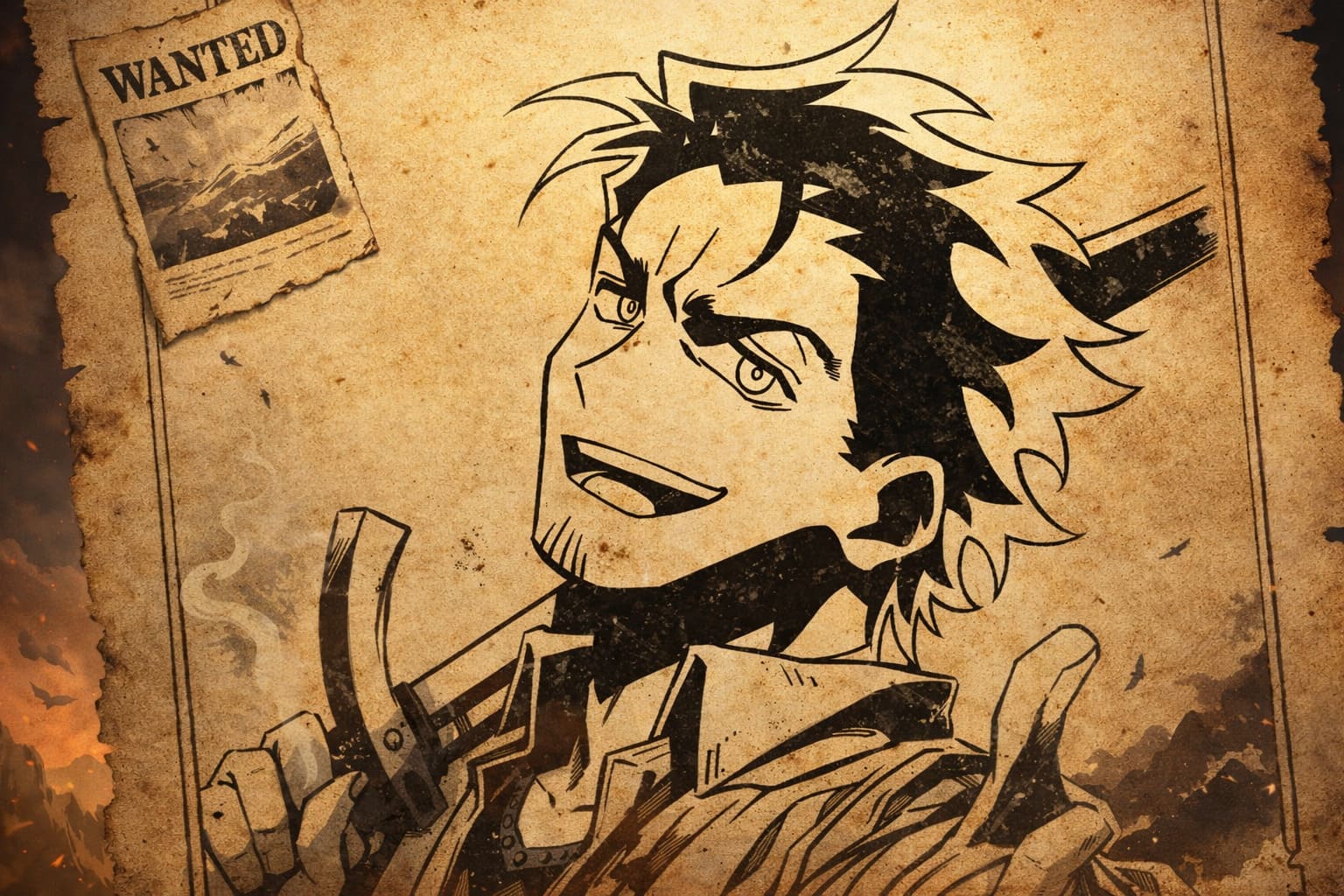
Instead of mystical training arcs, you get:
- Black-market enhancement surgeries
- Pharmaceutical combat boosters
- Biological “stats” tied to real-world inequality
The richest crime bosses literally buy god-tier power, turning themselves into modern Demon Kings. Meanwhile, government-approved heroes rely on E3, a drug that temporarily pushes their Ether output into lethal territory — for enemies and sometimes for themselves.
That small detail makes the world feel terrifyingly plausible. Power isn’t earned. It’s financed.
Related articles: Scum of the Brave: Why the Yuusha no Kuzu Anime Feels Different from the Manga
Heroism as a Job, Not a Destiny
Being a “Brave” here isn’t romantic. It’s closer to being a licensed assassin with PR training.
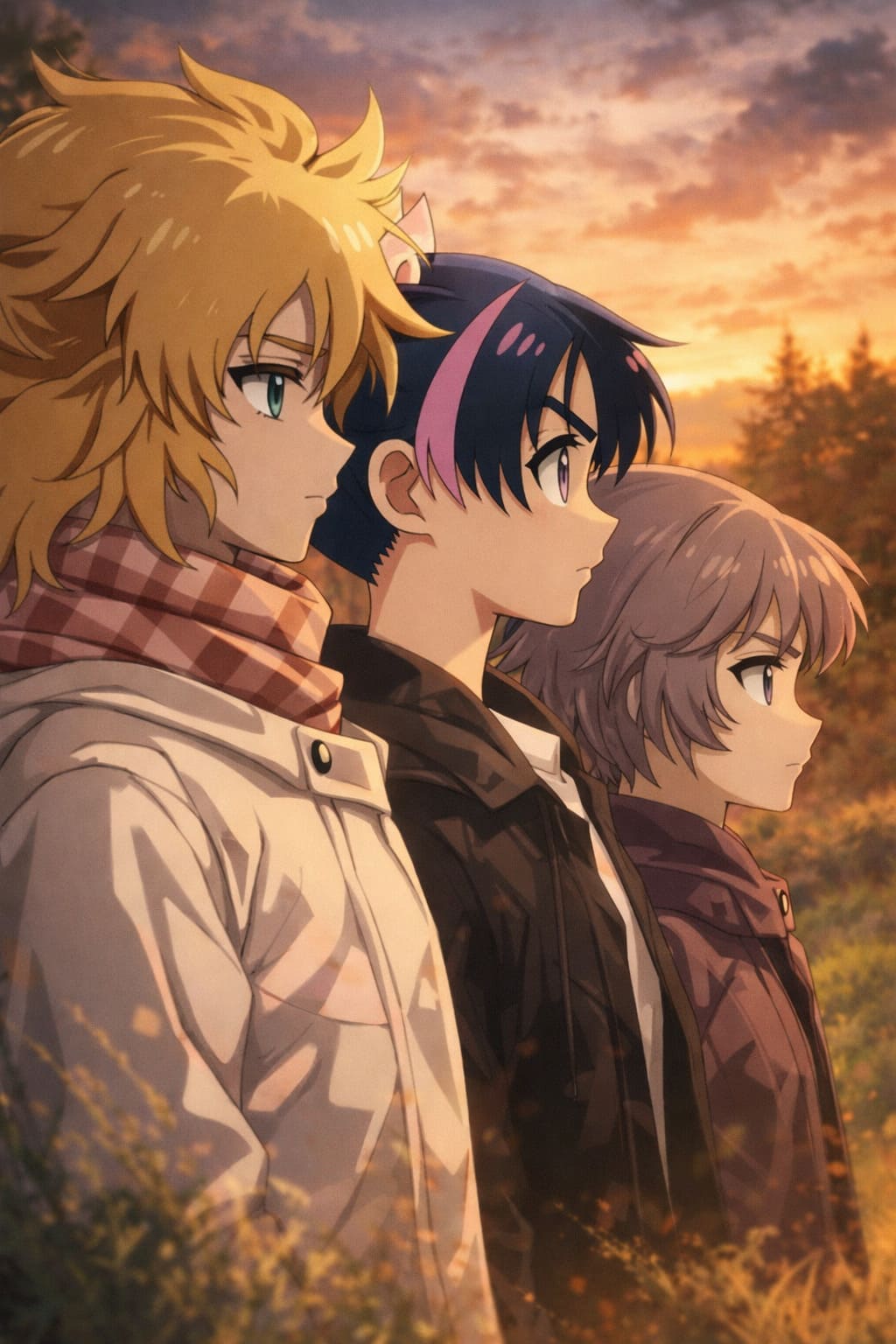
Key realities of the Brave system:
- Legalized killing — but only against approved targets
- Training academies focused as much on image as combat
- Bounty boards where lives have price tags
Imagine graduating from hero school and immediately calculating whether a Demon King is worth the hospital bills. That’s the vibe.
Young recruits still believe in justice — but the system is built to grind that out of them.
Yashiro: The Hero the Industry Creates (and Discards)
Yashiro is what happens when someone survives too long in this system.
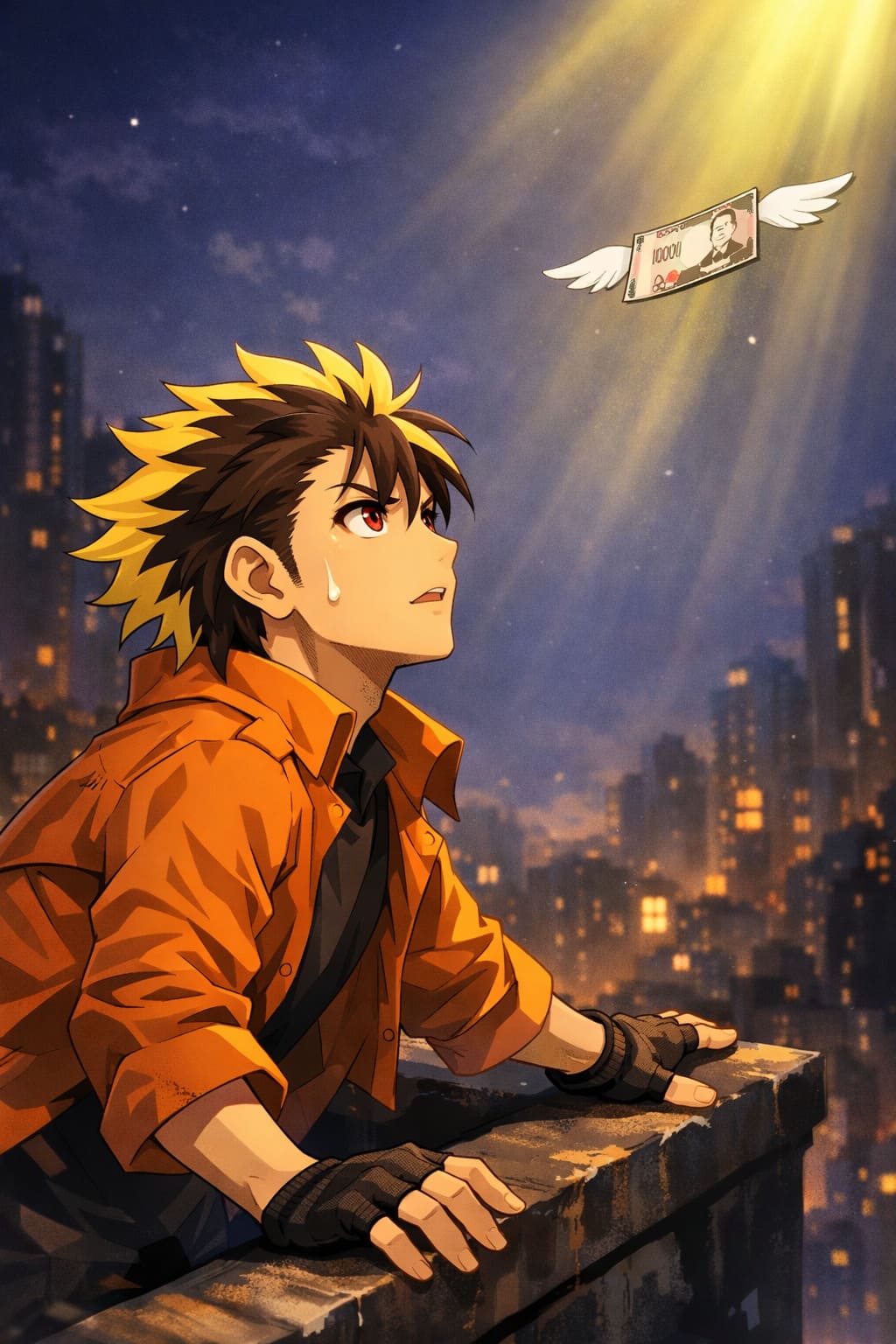
He’s not flashy.
He’s not noble.
He’s not even financially stable.
Instead, he’s:
- Broke
- Emotionally burned out
- Extremely effective at killing monsters
He fights dirty — smoke bombs, mind games, ambush tactics. No heroic speeches. Just survival.
And that’s the real theme: To defeat monsters created by greed, you have to accept becoming part of something ugly.
Related articles: Scum of the Brave season 1 plot summary
A World Where Villains Are CEOs With Superpowers
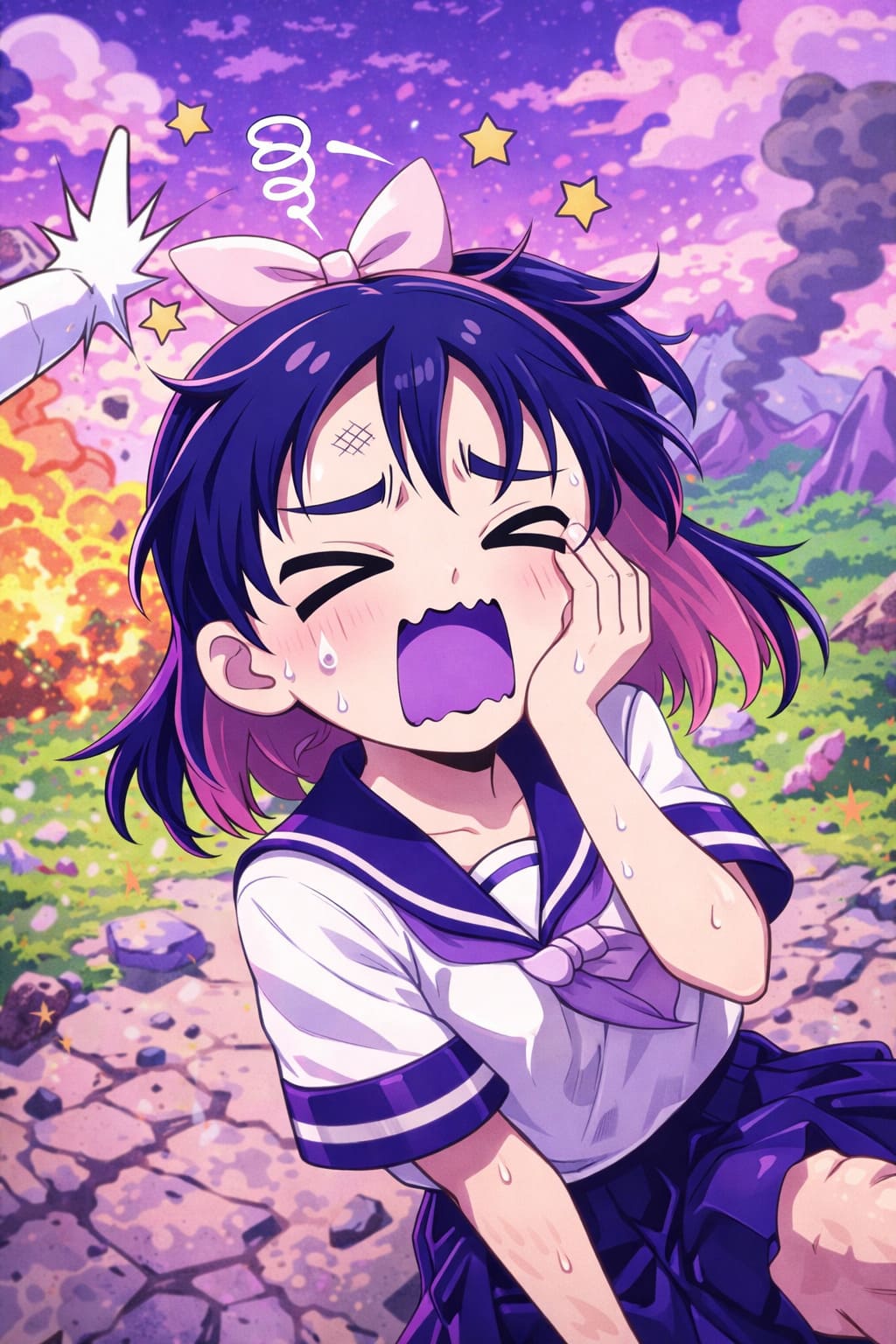
The most brilliant twist? Demon Kings aren’t ancient evils.
They’re:
- Mafia leaders
- Corporate power brokers
- People who turned money into literal supernatural dominance
It’s fantasy filtered through modern fear: what if wealth could directly buy godhood?
Why This Series Hits Different
What makes Scum of the Brave stand out isn’t just the dark tone — it’s how believable it feels.
You see:
- Media-manufactured hero celebrities
- Government-controlled violence markets
- Disposable young fighters fed into a profit machine
Underneath the action, it’s basically a story about late capitalism wearing fantasy armor.
Final Fan Take
If classic fantasy is about hope, Scum of the Brave is about systems — and how they corrupt even the people trying to do good.
It’s messy. Cynical. Brutally honest. And weirdly… more human than most hero stories.


