Chainsaw Man vs. The Four Horsemen: The Ultimate Lore Breakdown
If you’re still thinking Chainsaw Man is just about revving engines and arterial spray, you’re missing the real horror. Beneath the chaos that Tatsuki Fujimoto so masterfully crafts lies one of the most fascinating mythological reinterpretations in modern manga: the Four Horsemen reimagined as devil sisters locked in a personal, philosophical, and apocalyptic war with the Hero of Hell himself — Pochita.
And as Part 2 unfolds, it’s becoming clear that this isn’t just a battle of power levels. It’s a war over concepts, memory, identity, and the terrifying possibility of rewriting reality itself.
The Four Horsemen — Reborn in Fujimoto’s Image
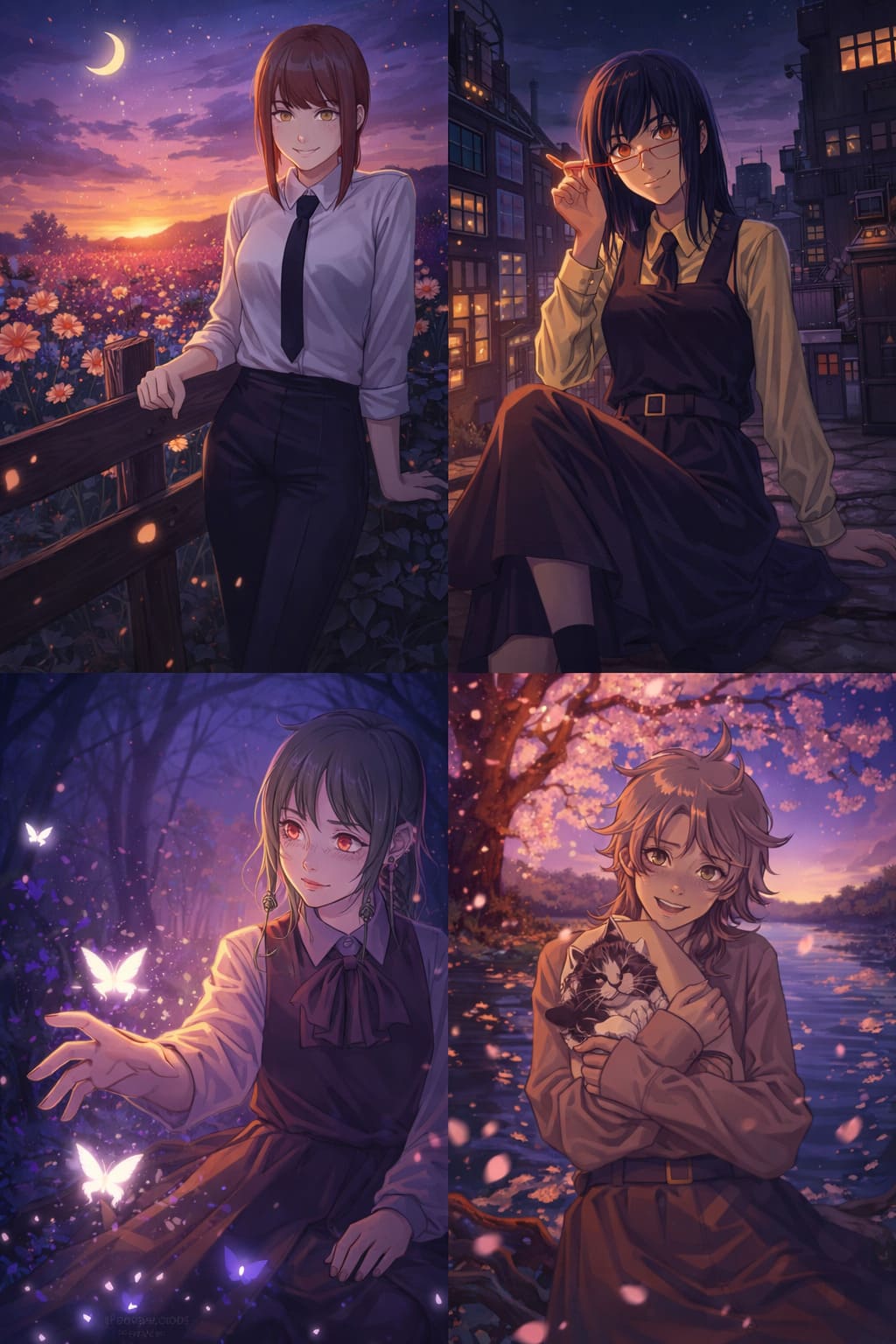
Forget skeletal riders. In Chainsaw Man, the Horsemen manifest as female-presenting devils with haunting concentric eyes, each embodying a biblical force — but twisted through Fujimoto’s existential lens.
| Horseman | Alias | Core Power | Personal Conflict |
|---|---|---|---|
| Control (Conquest) | Makima / Nayuta | Domination over those she deems inferior | Desires connection but enforces hierarchy |
| War | Yoru | Turns owned objects into weapons powered by guilt | Needs bonds yet resents attachment |
| Famine | Fami | Controls the “starved” and summons powerful devils | Claims love for humanity, uses manipulation |
| Death | Unknown | Unknown (possibly Primal Fear level) | The inevitable end — feared even by sisters |
Each sister isn’t just a villain. She’s a walking contradiction.
And that’s where things get interesting.
The Battle in Hell — The Day Reality Trembled
Long before Denji ever pulled a cord, there was a war in Hell.
The Four Horsemen — alongside the Weapon Devils — ambushed Pochita, also known as the Chainsaw Man. Why? Because he is the one being in existence capable of doing the unthinkable: he erases devils and their concepts from reality by consuming them.
This isn’t symbolic erasure. When Pochita eats a devil, the world forgets that concept ever existed. Nuclear Weapons? Gone. World War II? Erased from history. Entire fears, removed like corrupted files.
For beings whose identities are literally built on fear, that’s not just threatening — it’s existential annihilation.
Despite being outnumbered, Pochita survived. Wounded, nearly dead, he fled to Earth and assumed the form of the little chainsaw dog we met at the beginning of the series.
That single escape reshaped both Hell and Earth.
Makima: Control Masquerading as Love
The first Horseman we truly knew was Makima, the Control Devil — arguably one of the most compelling antagonists in modern manga.
Makima didn’t just want to kill Chainsaw Man. She wanted to use him.
Her dream? A “perfect” world.
- No war.
- No famine.
- No death.
- No suffering.
Sounds noble. Until you realize she was willing to erase free will to achieve it.
Makima’s tragedy is that she wanted intimacy but could only understand hierarchy. Love, to her, meant ownership. When Denji ultimately defeated her, the Control Devil reincarnated as Nayuta — a younger, more innocent version with a genuine chance at emotional growth.
And honestly? Watching Nayuta slowly learn human connection is one of the most quietly hopeful arcs in Part 2.
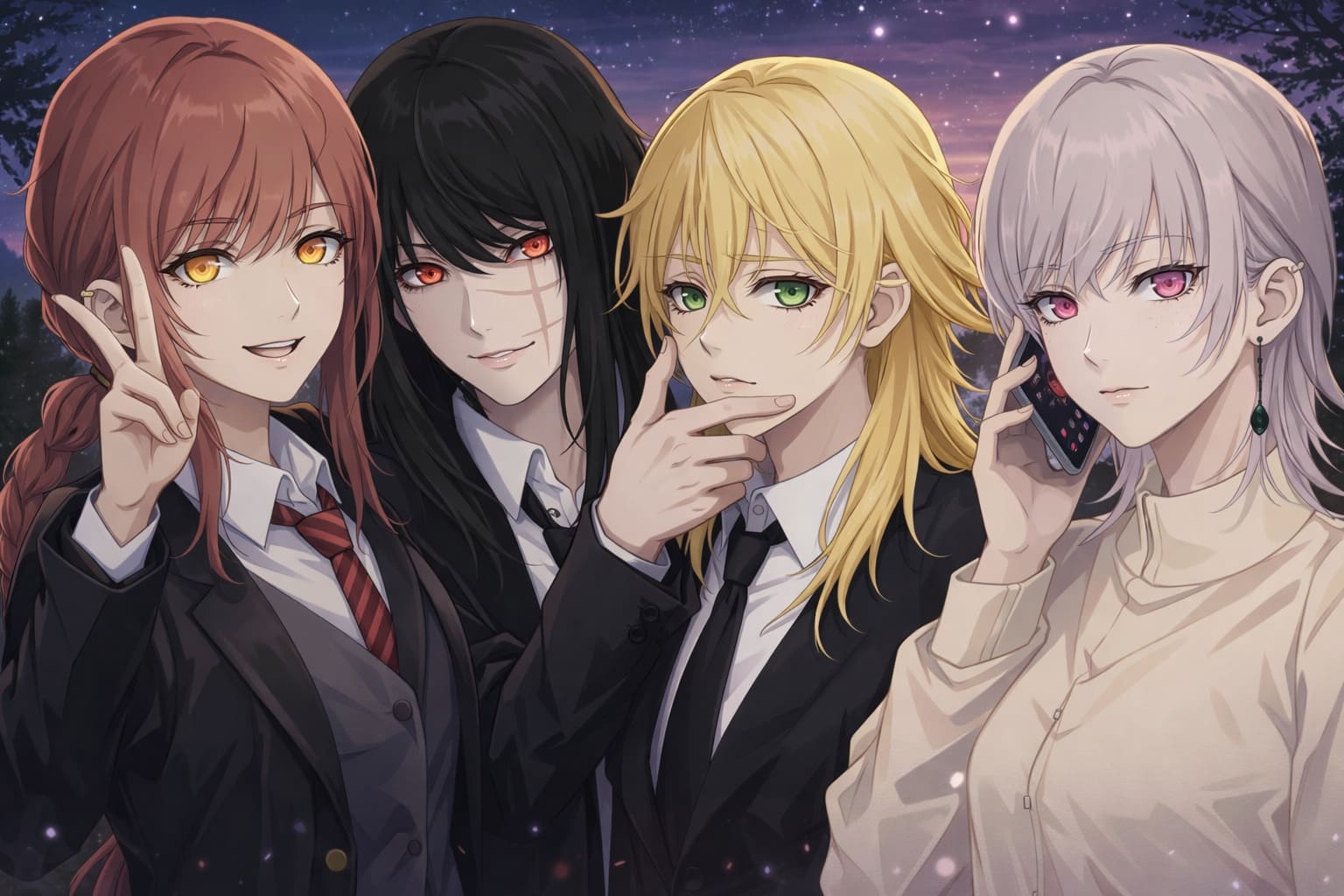
Yoru: War Without a Battlefield
Then comes Yoru, the War Devil, inhabiting Asa Mitaka’s body.
Yoru’s power is brutally elegant: anything she “owns” can become a weapon, and the deeper the guilt, the stronger the weapon.
That mechanic is pure Fujimoto — turning emotional weight into literal firepower.
But here’s the irony: war requires attachment. The strongest weapons are born from bonds. And yet Yoru struggles with human connection.
Her obsession with forcing Chainsaw Man to “vomit up” the Nuclear Weapons Devil isn’t just about strength. It’s about reclaiming identity. Pochita didn’t just weaken her — he erased parts of her legacy.
Imagine being War and having World War II deleted from existence. That’s not just a loss of power. That’s humiliation.
Fami: The Most Dangerous Sister?
Fami, the Famine Devil, might be the most unsettling Horseman so far.
Calm. Observant. Slightly tilted head. Always watching.
She claims she wants to stop the Nostradamus Prophecy — the foretold apocalypse — because she loves human food too much to see humanity wiped out. It’s almost comedic.
Almost.
But Fami controls “starved” devils and has manipulated events on a massive scale. She doesn’t dominate like Makima or rage like Yoru. She engineers situations.
If Makima was authoritarian control, Fami feels like systemic manipulation.
And that makes her terrifying.
The Shadow of Death
The eldest sister has yet to properly appear.
The Death Devil.
Even the other Horsemen fear her. Some fan theories suggest she may be a Primal Fear Devil, placing her on a level beyond conventional devils — something fundamental, something inevitable.
If Pochita represents erasure, Death represents finality.
Their clash would be cosmic.
Because here’s the philosophical bombshell: if Chainsaw Man can erase concepts, can he erase Death?
And if he does — what happens to reality?
Why the Sisters Don’t Unite
Biblically, the Horsemen ride together. In Chainsaw Man, they fracture.
That’s deliberate.
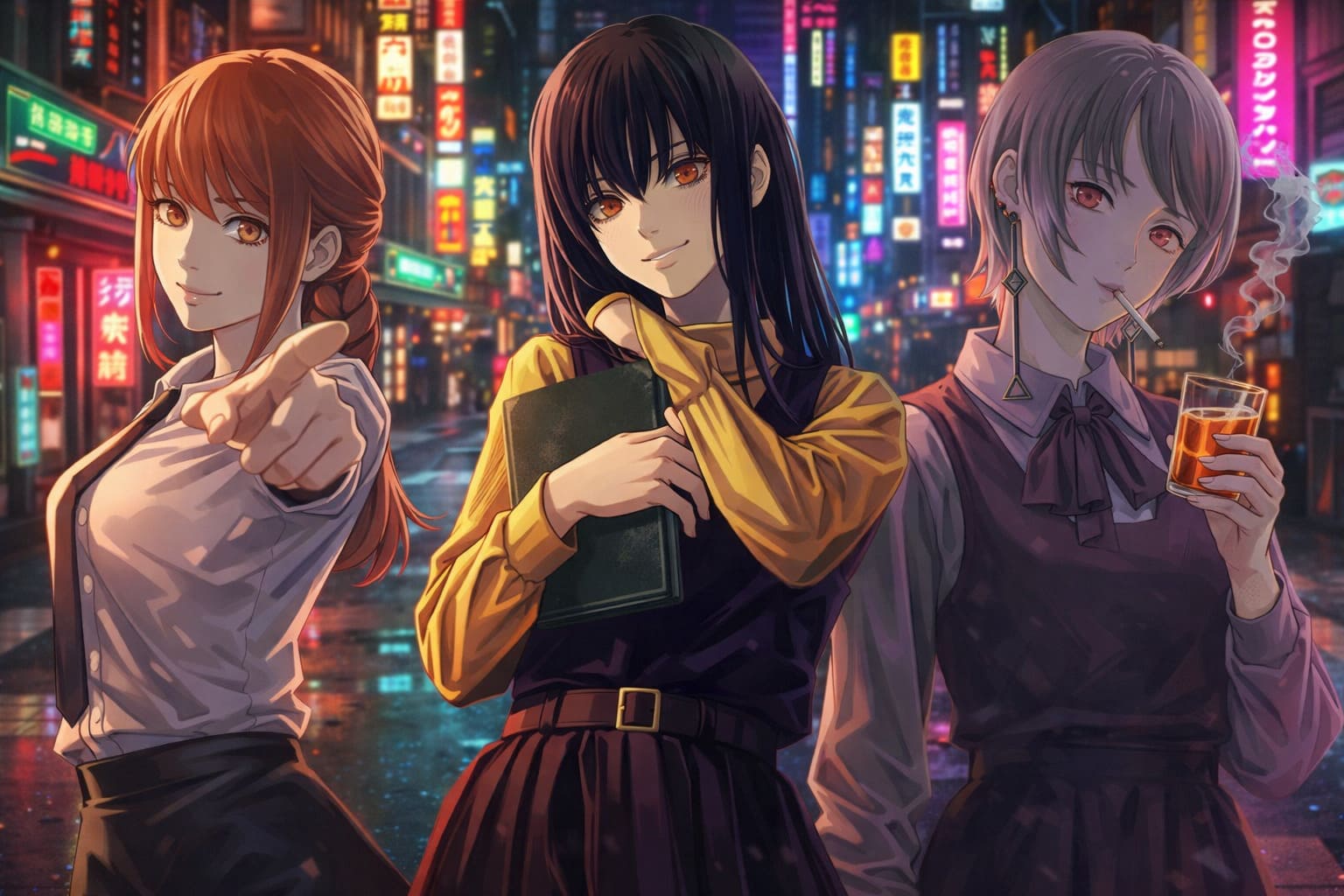
Each sister represents a human contradiction:
- Control wants family but enforces dominance.
- War needs bonds but resents vulnerability.
- Famine claims preservation but uses deprivation.
- Death likely embodies inevitability in a world obsessed with rewriting itself.
They aren’t a united apocalypse. They’re competing ideologies.
And Pochita sits at the center as the ultimate disruptor — the one who can erase them entirely.
Magical Girl and Narco Wars Chapter 22: Release Date, Predictions, and Recap
The Bigger Theme: Memory and Identity
What makes Chainsaw Man special isn’t just its brutality. It’s the quiet horror of lost memory.
When Pochita eats a devil, the world doesn’t mourn what’s gone — because it never knew it existed.
That’s terrifying.
War loses wars. Famine loses catastrophes. Entire histories vanish.
It forces us to ask: are we defined by our suffering? And if pain disappears, does meaning disappear too?
Final Thoughts — Why This Is Peak Modern Manga
As someone who’s been following discussions across fan communities for years, I genuinely believe the Four Horsemen arc is Fujimoto at his boldest.
He didn’t just reinterpret biblical figures. He reframed them as emotionally broken sisters grappling with power, love, identity, and extinction.
The coming confrontation with the Death Devil feels inevitable. And if Part 1 was about personal tragedy, Part 2 feels mythological.
The battlefield won’t just be physical.
It will be conceptual.
And at the center stands a chainsaw with the power to delete existence itself.
If that’s not peak apocalyptic storytelling, I don’t know what is.